Why Magnolia fabricated metals plants are asking the DAF vs clarifier question now
Magnolia, Arkansas fabricators running stamping presses, CNC machining, grinding, welding, and light surface finishing generate combined wastewater streams that mix free and emulsified tramp oil, grinding swarf, stamping dust, and rinsewater with pH swings from acidic pickling to alkaline cleaning. Federal categorical standards under 40 CFR Part 433 (metal finishing) and 40 CFR Part 413 (electroplating) apply to most Columbia County operations and govern TSS, FOG, and dissolved metal limits. Local pretreatment limits are set by the receiving POTW and the Arkansas Department of Energy & Environment, Division of Environmental Quality (ADEQ) under an NPDES framework; the buyer should request the local sewer-use ordinance before sizing equipment. The 2026 enforcement posture is tighter on oily sheen and dissolved metals in POTW discharge, which is the practical reason a stream-matched decision matters now rather than later.
Most Magnolia plants have already inherited a sump, a small oil-water separator, and a discharge tap that may have been fine when the only load was coolants and a little floor wash. Adding light surface finishing, switching to high-pressure coolant, or picking up a pickling bath changes the chemistry in a way the legacy separator cannot handle. The procurement question is not "which single device is best" but which combination, in what order, sized to peak shift-change flow, will hit 40 CFR Part 433 metal finishing categorical limits and the local sewer-use ordinance at the same time.
How a DAF clarifier actually separates oil, FOG, and fines
A DAF clarifier separates contaminants by pressurizing a side-stream of clarified water with air in a saturation vessel and releasing that pressure back into the main flotation tank through a needle-valve or nozzle manifold; the dissolved air comes out of solution as 30–50 micron micro-bubbles, which nucleate on oil droplets and on chemically flocculated particles, lifting them to the surface (Clearwater Industries, 2026-04-27). A paddle skimmer then scrapes the float layer into a collection trough, and the clarified effluent is drawn off below the float blanket and above any settled sludge. Heavier settleable solids reach the bottom sediment compartment and are removed by an auger rather than being skimmed.
Two features of this mechanism matter for fabricated metals. First, flotation favors low-specific-gravity contaminants, which is exactly the regime free oil, tramp oil, and FOG fall into once they have been broken with coagulant. Second, Aries DAF designs run at ~100 psi saturation pressure and generate ~30 µm micro-bubbles, with chemical coagulation and flocculation upstream to neutralize particle charge and build floc (Aries Chemical, 2026). For a Magnolia fab discharging a mixed stream, that built-in sediment handling is one of the main reasons DAF is often the primary unit rather than a polish stage.
Clearwater model selection covers FPAC (small-to-medium flow, very high solids), FPBC (low-to-medium solids, low-buoyancy particles, with lamella pack), FPHF (high flow, medium-to-large solids, cross plus counter-current flow), and COMPACT DAF (≤66 GPM single skid, modular two-skid above 66 GPM). COMPACT DAF integrates chemical conditioning, DAF clarifier, sensors, instruments, and PLC control on a single skid for plug-and-play installation (Clearwater Industries, 2026-04-27). A standard DAF system for fabricated metals ships in 304SS with 316SS and polypropylene available for acidic or alkaline rinsewater.
How a lamella clarifier separates fines — and where it falls short on oil
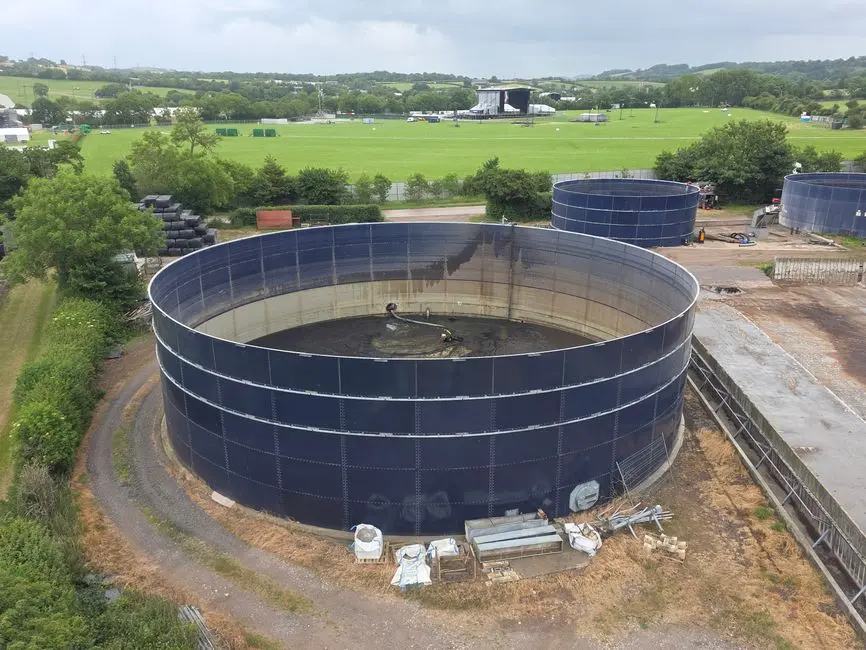
A lamella (inclined-plate) clarifier is a sedimentation device where parallel plates set at roughly 55–60° shorten the effective settling distance so that heavy particles drop out of the rising flow into a sludge hopper, while clarified water exits through the top of the plate pack. The mechanism is purely gravity-driven, with no pressurized air, no saturation vessel, and no micro-bubble generation. For a stream dominated by heavy metal fines and grinding swarf with only modest free oil, a lamella clarifier for metal fines does the work with less energy and a smaller chemical bill than a DAF.
These units offer three practical advantages for a Magnolia metal-fab retrofit. The footprint is small for a given hydraulic throughput because the inclined plates multiply the effective settling area inside a compact tank, which matters in tight industrial buildings. The unit has no recirculation pump or saturation system, so the recurring maintenance load and the clean-water startup requirement are eliminated. The failure mode is also well-defined: oil pooling on the plate pack tends to short-circuit, ride the rising flow, and re-enter the clarified effluent, which is exactly the failure that gets a plant flagged by the POTW for an oily sheen in the discharge. A standalone lamella is therefore the right primary only when free oil is a minor fraction of the load.
HydropureWater high-efficiency sedimentation tanks combine sludge recirculation, flocculation, and inclined-plate separation, achieving 20–40 m/h surface loading and up to 30% chemical reduction (product catalog). For a fab whose wastewater is mostly coolants, swarf, and low-oil rinsewater from machining cells, a well-designed lamella can carry the bulk of the TSS load without running a DAF 24/7.
DAF vs lamella clarifier: side-by-side comparison
The table below compares the two technologies on parameters a Magnolia plant engineer and procurement lead can verify against vendor data sheets. DAF figures are drawn from the Clearwater/SigmaDAF specification published 2026-04-27; lamella figures are stated where the research provides a numeric value and the buyer should confirm against current vendor data otherwise.
| Parameter | DAF (Clearwater / SigmaDAF spec) | Lamella (inclined-plate) clarifier |
|---|---|---|
| Mechanism | 30–50 µm micro-bubbles attach to oil droplets and floc, float to surface; bottom auger handles settleables | Gravity settling onto inclined plates at ~55–60°; sludge drops into hopper |
| Target contaminant | Free oil, tramp oil, emulsified FOG, suspended solids after floc | Heavy metal fines, swarf, settleable TSS |
| Oil removal efficiency | High for free and emulsified oil after chemical conditioning | Poor; oil re-entrains off plate pack |
| Solids handling | Bottom sediment compartment and auger; not the primary mechanism | Primary mechanism; sludge drops to hopper |
| Model options | FPAC, FPBC, FPHF, COMPACT DAF (≤66 GPM single skid, >66 GPM modular two-skid) | Single inclined-plate pack sized to hydraulic throughput; rating per vendor data sheet |
| Startup | Clean water fill required; raw wastewater fill damages pump and air system | No special fill; can start on process water |
| Chemical conditioning | Required upstream; floc tubes 15–45 s flash mix, or mix tanks with longer contact time; jar testing sets contact time | Often used to reduce chemical demand; specific doses and pH targets set by jar test |
| Standard material | 304SS standard; 316SS, polypropylene, or other materials on request | Confirm against vendor data for the specific tank and plate material |
| Footprint per GPM | Larger per unit flow than lamella because of saturation and skimming equipment | Compact; plate pack multiplies effective settling area |
| Sludge output | Float layer plus bottom sediment; chemical-conditioned, often easier to dewater | Underflow sludge; character depends on upstream chemistry |
A second check is materials of construction. Clearwater notes 304SS is standard, with 316SS and polypropylene available for acidic pickling or alkaline cleaning rinsewater. Buyers should ask vendors to confirm tank, pipe, and plate materials in writing because chloride-induced pitting on 304SS is a common first-permit-cycle failure. For sourcing a complete separator package with the right chemical conditioning skid, a DAF system for fabricated metals is normally quoted together with an automatic coagulant and flocculant dosing skid sized by jar test.
Decision matrix: which device fits your Magnolia stream
The matrix below is built from five inputs a Magnolia plant engineer can measure at the sump: flow rate, free-oil fraction, emulsified-oil fraction, settleable-fines fraction, and discharge route (POTW sewer versus direct stream). The recommendation in each cell assumes the equipment is sized to peak shift-change flow and that downstream sludge handling is part of the same scope. POTW-discharge plants must also confirm local sewer-use ordinance limits on BOD, TSS, FOG, pH, and metals against federal categorical standards under 40 CFR Part 413 and 40 CFR Part 433.
| If your plant's effluent is dominated by… | Primary device | Auxiliary equipment | Direct stream / higher scrutiny |
|---|---|---|---|
| Free and emulsified oil; modest fines | DAF (COMPACT DAF up to 66 GPM single skid, modular skid above) | Coagulant / flocculant dosing upstream; DAF float sludge to dewatering | DAF with redundant polishing stage; tighter jar-tested chemistry |
| Heavy metal fines and swarf; low oil | Lamella clarifier (inclined plate) | Optional oil-skimmer if sheen present; sludge to dewatering | Lamella with effluent polishing and pH adjustment |
| Both oil and fines significant (most Magnolia fabs) | DAF primary with built-in sediment compartment, or DAF primary with upstream lamella pre-thickener | Automatic coagulant and flocculant dosing; filter press for combined sludge | DAF + lamella, with metals-removal or pH-adjustment stage sized to discharge limits |
A 2026 vendor DAF alone is rarely sufficient to meet 40 CFR Part 433 because it does not chemically precipitate dissolved metals; compliance requires a pretreatment train of pH adjustment, chemical precipitation, coagulation/flocculation, and a secondary clarification or filtration step. The engineer must measure average and peak GPM, TSS in mg/L, O&G concentration, pH, temperature, and concentrations of chromium, nickel, copper, and zinc; a 24-hour flow-weighted composite is recommended for batch discharges. For a process-selection cross-check, the 2026 oily wastewater process selection guide sets out the broader rule set a Magnolia plant should verify against its local sewer-use ordinance.
2026 cost, lead time, and materials checklist for Magnolia buyers
Reference bands from recent hydropurewater research put a modular DAF system at $85,000–$180,000 and a lamella clarifier of equivalent hydraulic capacity at $45,000–$110,000; the DAF often provides a smaller physical footprint and superior removal of emulsified oils and grease, which can reduce long-term chemical and sludge-handling cost. The 2026 lead time from purchase order to delivery is typically 12–20 weeks for standard prefabricated DAF or lamella units, covering engineering approval, steel fabrication, and control-panel integration; on-site installation adds 2–4 weeks; complex systems with custom chemical feed skids or advanced PLC programming can extend to 26 weeks or more.
Material selection matters as much as sizing. 304SS is generally inadequate for acidic pickling rinsewater due to chloride-induced pitting and stress corrosion cracking; 316L stainless is the minimum recommended for those streams, and polypropylene or HDPE is preferred for high-concentration hydrofluoric or nitric acid baths. The 66 GPM single-skid breakpoint for COMPACT DAF is a useful sizing threshold: at or below it, a single skid keeps equipment cost down; above it, the modular two-skid layout applies. Buyers should request itemized quotes that separate the primary unit, chemical conditioning skid, sludge dewatering stage, and installation work, and ask vendors to commit to a jar test on a site sample before issuing a final quote. A complete RFQ should also list the filter press for DAF float sludge as part of the same procurement package, not as a future add-on.
Five pitfalls Magnolia fabricators should plan around
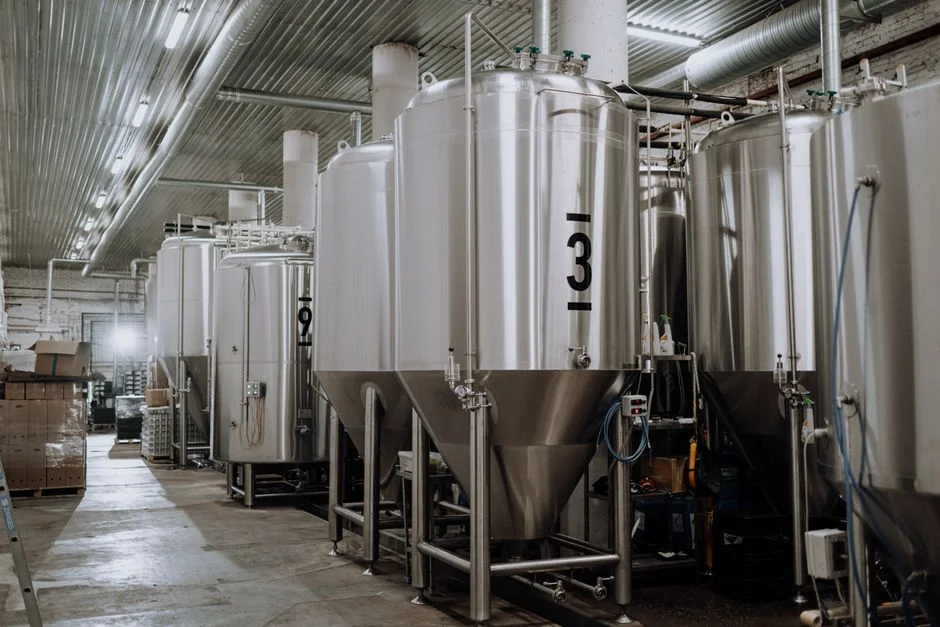
Five errors come up repeatedly in metal-fab retrofits. The first is sizing the DAF for average flow rather than peak shift-change flow: a DAF that handles a comfortable average will experience skimmer overflow at the shift change when sumps dump. The second is skipping jar testing and copying coagulant and flocculant doses from another plant's cut sheet; floc-tube contact time of 15–45 seconds, or mix-tank contact time, must be set by jar test.
The third is choosing a clarifier for a stream with significant free oil and assuming inclined plates will strip the sheen; they will not, and the operator will be out of compliance. The fourth is ignoring material of construction: specify 316SS, polypropylene, or HDPE up front for acidic pickling or alkaline cleaning rinsewater rather than discovering pitting during the first permit cycle. The fifth is under-specifying downstream sludge handling: both DAF float and clarifier underflow still need dewatering, so a filter press for DAF float sludge and an automatic coagulant and flocculant dosing skid should be designed into the same procurement package as the primary clarifier.
Frequently Asked Questions
What does a DAF or lamella system cost in Magnolia in 2026, and how long until it is installed?
Reference bands from recent hydropurewater research put a modular DAF system at $85,000–$180,000 and a lamella clarifier of equivalent hydraulic capacity at $45,000–$110,000, depending on flow rate and automation. Standard lead time from purchase order to delivery is 12–20 weeks, with on-site installation adding 2–4 weeks; complex systems with custom chemical feed skids or advanced PLC programming can extend to 26 weeks or more. Final pricing should be confirmed by itemized vendor quotes against a site jar test rather than copied from another plant's cut sheet.
How should a Magnolia fabricator pick a DAF or lamella vendor?
Request itemized quotes that separate the primary unit, chemical conditioning skid, sludge dewatering stage, and installation work. Ask each vendor for jar-test evidence on a site sample, written confirmation of material of construction (304SS, 316SS, polypropylene, or HDPE) against the specific influent chemistry, and a single point of contact for the control-panel and PLC scope. A vendor who proposes a specific device before seeing a sample or who refuses to commit to a jar test on site wastewater is signaling a procurement risk that is cheaper to surface at RFQ than at commissioning.
Will a DAF alone meet 40 CFR Part 433 metal finishing standards?
No, not on its own. A DAF is effective at removing suspended solids and emulsified oils but does not chemically precipitate dissolved metal ions, which 40 CFR Part 433 specifically regulates. Compliance typically requires a pretreatment train of pH adjustment, chemical precipitation, coagulation and flocculation, and a secondary clarification or filtration step, with the DAF serving as the primary solids separation stage downstream of the reaction tank.
What site data does the plant need to size a DAF or lamella correctly?
The engineer must measure average and peak flow in GPM, TSS in mg/L, O&G concentration, pH, temperature, and specific concentrations of chromium, nickel, copper, and zinc, with a 24-hour flow-weighted composite recommended for batch discharges. Without those inputs the vendor cannot size the unit, the chemical dose, or the downstream filter press, and the quote will be a placeholder rather than a defensible number. For a cross-check on stream characterization logic, the East Hempfield PA fabricated metals DAF vs clarifier guide and the Salina fabricated metals DAF vs clarifier guide walk through the same measurement list for comparable plants.