
Why Winery Wastewater Is a Different Treatment Problem
Winery wastewater exhibits elevated chemical oxygen demand (COD), high total suspended solids (TSS), acidic pH, and varying salinity and nutrient contents, a profile that diverges sharply from municipal sewage and drives most of the operating headaches a winery engineer sees during crush, according to a 2024 pilot study in MDPI Processes. Commercial wine production uses large volumes of fresh water and, through pressing, fermentation, cleaning and bottling, generates significant quantities of wastewater whose disposal economics are a real operating expense rather than a line-item to defer.
Flow is strongly seasonal, peaking in the Northern Hemisphere between September and November when crush, pressing, and tank washing all overlap, so the treatment train must be sized for the peak day, not the annual average. Most of the organic load is biodegradable, which means a downstream biological step is almost always required to meet discharge limits no matter how well a primary clarifier performs. These properties together explain why a generic food-and-beverage DAF sizing assumption will underperform on a winery stream.
| Parameter | Winery Wastewater Signature | Implication for Treatment |
|---|---|---|
| COD | Elevated, variable by varietal and process step (MDPI Processes, 2024) | Defines coagulant demand and downstream biological load |
| TSS | Elevated, includes grape skins, seeds, yeast residues (MDPI Processes, 2024) | Drives screening and DAF surface-loading rate |
| pH | Acidic (MDPI Processes, 2024) | Requires neutralization before biology and before optimal coagulant performance |
| Salinity / nutrients | Varying (MDPI Processes, 2024) | Affects biology acclimation and coagulation chemistry |
| Flow regime | Strongly seasonal, crush-peaked (September–November, Northern Hemisphere) | Hydraulic sizing must use peak day, not annual average |
| Biodegradability | High organic fraction is biodegradable (MDPI Processes, 2024) | Biological polishing almost always required downstream |
What a DAF System Actually Does to Winery Effluent
A dissolved air flotation unit clarifies wastewater by dissolving air under pressure and then releasing that air at atmospheric pressure inside a flotation tank, generating micro-bubbles that attach to suspended matter and float it to the surface for skimming, as described in Kemco Systems' dissolved air flotation process reference. The mechanism involves pressurizing a side stream saturated with air, then depressurizing it in the contact zone of the flotation cell, where the released air nucleates on particles whose surface chemistry favors bubble attachment. Coagulants and flocculants are dosed ahead of the flotation cell to bridge suspended solids and colloidal particles into larger flocs; without that chemistry step, removal of the fine colloidal fraction typical of winery effluent drops sharply. DAF targets the fractions that cause sewer surcharges and downstream biofouling: suspended solids, colloidal organics, oils and grease, and the BOD and COD fractions tied to those particulates. The 2024 MDPI Processes shear-enhanced flotation pilot work confirms that pressurized microbubble flotation is a technically credible route for winery wastewater treatment. For a winery engineer comparing vendor decks, the practical question is whether the upstream chemistry and the downstream polishing train are matched to the seasonal stream.
For plants ready to specify equipment, a dissolved air flotation unit designed for industrial wastewater provides the micro-bubble contact zone, skimmer, and sludge handling necessary for effective separation.
Process Flow: Where DAF Fits in a Winery Treatment Train
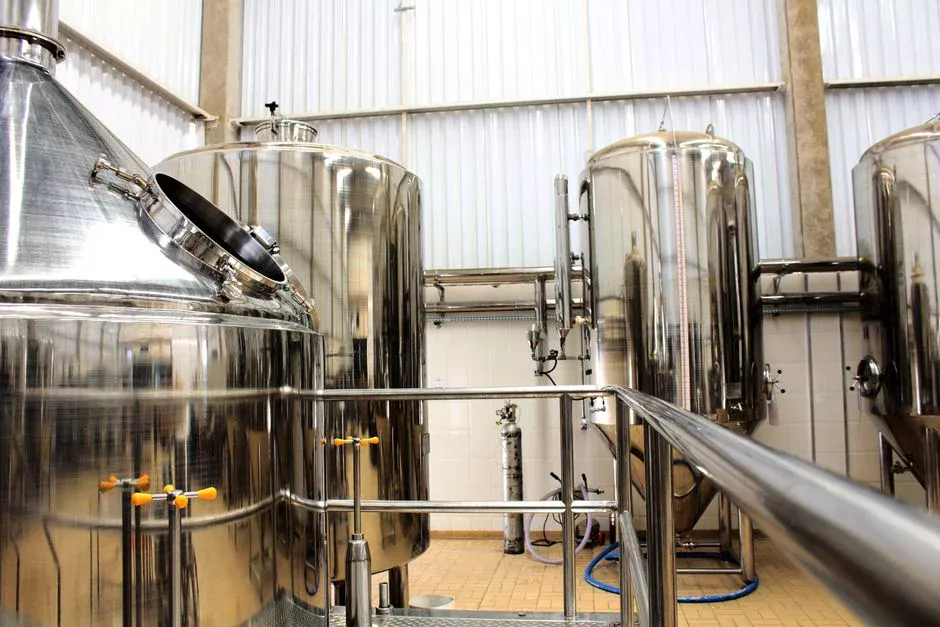
Industrial DAF systems function as part of a train that includes coarse filtration, physical-chemical treatment, and sludge dewatering prior to discharge or reuse, per the Kemco DAF process description. The unit operations in front of and behind the DAF cell are essential, as each removes a specific fraction the DAF cannot handle efficiently on its own.
Coarse screening captures grape skins, seeds, stems, and bottle-label fragments, which are too large for a DAF cell and are best removed with shaker screens or hydrocyclones. pH adjustment is critical because winery influent is acidic and most downstream biology and coagulant chemistries depend on a controlled pH window; Kemco recommends automatic acid and caustic dosing with in-tank sensors rather than manual adjustment. Skimmed sludge from the DAF should be sent to a filter press or equivalent dewatering device to reduce hauling volume and disposal cost. The resulting train order is: screens first, pH correction second, coagulation and flocculation third, DAF fourth, sludge dewatering on the side, and biological polishing last.
An automatic coagulant and pH dosing skid is the practical way to deliver the acid, caustic, coagulant, and polymer setpoints that the rest of the train depends on, and a sludge dewatering filter press is the standard destination for the floated solids.
Sizing the DAF for Crush-Season Peaks
HydropureWater's industrial DAF range covers 4–300 m³/h across 13 standard models, framing the typical envelope for small and mid-size wineries. DAF outperforms conventional clarification at high flow rates and produces thicker sludge, which are direct operational benefits when the plant is running at peak crush-day flow, according to Seven Seas Water. DAF systems also carry lower capital cost than membrane systems and avoid membrane fouling, which is relevant if weighing DAF against UF or MBR for a high-strength, variable wastewater stream. Sizing must be driven by peak daily flow and peak COD/TSS, not by annual average, because a DAF cell that is hydraulically overloaded during crush will lose skimming efficiency and discharge solids to the next stage. Jar-testing and pilot work remain essential: a winery stream swings with varietal, harvest date, and cleaning schedule, and the only way to size chemistry and hydraulic capacity together is to run them on real effluent.
| Sizing Input | Source of Value | Notes for the Winery Engineer |
|---|---|---|
| Peak daily flow (m³/h) | HydropureWater DAF catalog, 4–300 m³/h across 13 models | Size on crush-day peak, not annual average |
| Peak TSS / COD loading | MDPI Processes, 2024 (winery shear-enhanced flotation pilot) | Confirms high-strength, variable character of winery effluent |
| Hydraulic headroom | Engineering practice (qualitative, confirm with vendor) | Maintain reserve against peak spikes during press cycles |
| Sludge handling capacity | Kemco, sludge dewatering downstream of DAF | Match DAF solids to filter press capacity |
For a deeper side-by-side of DAF models, hydraulic envelopes, and capital trade-offs, the best DAF unit for industrial wastewater engineering guide consolidates the envelope and adds a model-selection walkthrough.
Chemistry and Controls That Decide DAF Performance
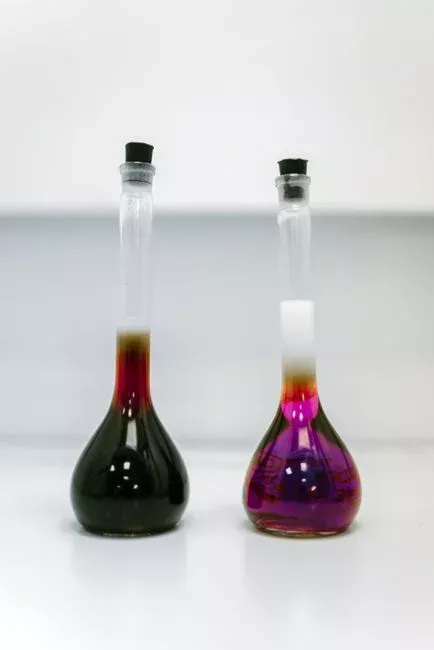
pH control is vital to any wastewater treatment system, with automatic acid or caustic dosing preferred over manual adjustment to prevent the drift that occurs during shift changes. Coagulant and flocculant selection drives the difference between mediocre and excellent DAF performance, especially on colloidal winery organics; an EPA HERO indexed study of DAF plus coagulation and flocculation on dye-contaminated wastewater reports 95–97% removal when paired dosing is used. A control panel should log flow, pH, air saturation pressure, recycle ratio, and sludge skim frequency so the operator can detect drift before discharge limits are breached, with the Kemco Monarch-class controls panel as a reference architecture. Polymer choice must be matched to the seasonal stream, because white-wash, red-crush, and bottling-line cleaning waters carry different particulate and surfactant signatures. The practical discipline is to run jar tests against each shift in the seasonal calendar and lock the dose setpoints into the control panel.
DAF vs Alternatives for Winery Effluent
DAF produces superior water quality versus sedimentation at higher flow rates and is more cost-effective than membrane filtration for high-strength, variable wastewater, according to Seven Seas Water. DAF is a pretreatment or primary-clarification technology, not a complete discharge solution; anaerobic digestion, an MBR, or a constructed-wetland polishing step will usually be required to meet sewer or surface-water BOD limits. A lamella clarifier is a credible low-cost alternative for very low TSS streams, but loses to DAF when the stream carries colloidal organics, FOG, or significant temperature swings typical of a winery's seasonal cycle. For wineries with on-site water reuse goals, DAF followed by UF or MBR delivers reuse-quality effluent at a smaller footprint than conventional biology alone, because the DAF cell takes the particulate load off the membrane and protects it from rapid fouling. DAF is the right primary clarifier for a winery stream, and the rest of the train is selected around the discharge destination.
For a regional engineering and compliance perspective on DAF micro-bubble technology, the DAF micro-bubble technology guide walks through the same envelope under a different permitting context.
2026 Decision Framework: Choosing the Right DAF Configuration
Select a unit from the 4–300 m³/h HydropureWater envelope that meets peak crush-day flow with hydraulic headroom for the worst press-cycle spike; do not size on annual average. Specify automatic pH control, coagulant and flocculant dosing, and a filter press for skim sludge as a single integrated train rather than separate purchases, so the chemistry, hydraulics, and solids handling are commissioned together. Plan the downstream train based on the discharge destination: sewer with a POTW acceptance limit, surface water, or on-site reuse. Request a jar test or on-site pilot using actual crush-season wastewater before final sizing, since winery effluent character swings with varietal, harvest date, and cleaning schedule.
| Decision | If | Then |
|---|---|---|
| Hydraulic sizing | Peak crush-day flow exceeds 80% of selected model rating | Step up one model in the 4–300 m³/h HydropureWater envelope |
| Chemistry | Influent pH below biology tolerance window | Add automatic acid/caustic dosing with in-tank pH sensor (Kemco) |
| Solids handling | DAF skim volume exceeds hauling budget | Add plate-and-frame filter press downstream of DAF |
| Discharge destination | Sewer with strict BOD/COD limit | Add biological polishing (anaerobic, MBBR, or MBR) after DAF |
| Discharge destination | On-site reuse for cleaning or irrigation | Add UF or MBR after DAF for reuse-quality effluent |
| Stream variability | Varietal and harvest date swing effluent character | Run jar tests across the seasonal calendar before locking dose setpoints |
The model-selection logic above is a condensed version of the broader walkthrough in the best DAF unit for industrial wastewater engineering guide, which covers compliance, controls, and capital trade-offs in more detail.
Frequently Asked Questions
What removal efficiency can a DAF realistically deliver on winery wastewater?
The 2024 MDPI Processes shear-enhanced flotation pilot study confirms that pressurized microbubble flotation is a technically credible route for winery effluent, with the train's actual particulate and COD removal driven by upstream coagulant and flocculant selection. On closely related colloidal matrices, the EPA HERO indexed DAF study reports 95–97% removal of reactive dyes with paired coagulant and flocculant dosing. A buyer should request a jar test on their own crush-season wastewater before accepting any vendor's removal guarantee, because varietal, harvest date, and cleaning schedule all shift the effluent character.
How do I size and budget a DAF system for a small-to-mid-size winery?
Sizing should be driven by peak daily flow and peak COD/TSS, not annual average, and HydropureWater's industrial DAF catalog covers 4–300 m³/h across 13 standard models. For capital and operating cost inputs, request a written quote that breaks out the DAF unit, an automatic chemical dosing skid, a sludge dewatering filter press, and the downstream polishing step as separate line items, as each is sized independently against the same influent data.
Which downstream polishing step should I plan for after the DAF?
DAF is a primary clarifier, not a complete discharge solution, so the post-DAF step is selected against the discharge destination