What 'Pretreatment Before Sewer Discharge' Means for a Dillon-Area Mill
A mill near Dillon, US that sends wastewater through a municipal sewer rather than straight to a river is, in the EPA's framing, an indirect discharger — "a facility that discharges pollutants to a publicly owned treatment works (municipal sewage treatment plant)" (EPA, 40 CFR Part 430 page). That single classification turns the compliance problem from a federal NPDES permit into a two-layer obligation: the categorical standards in 40 CFR Part 430, plus everything the local POTW layers on top through its Industrial Pretreatment Program (IPP). The categorical rule was first promulgated in 1974 and 1977, amended in 1982 and 1986, and then had a major 1998 amendment covering toxic pollutants (EPA). A mill that skips either layer risks sewer-use violations, surcharges, or a categorical-standard enforcement action.
For an indirect discharger, the federal categorical standards are "incorporated into… permits or other control mechanisms for indirect dischargers (see Pretreatment Program)" rather than into a stand-alone NPDES permit (EPA). Practically, that means the POTW — acting as the Control Authority — issues an Industrial User (IU) or Significant Industrial User (SIU) permit, applies site-specific local limits on top of the category, and audits the mill. The 40 CFR Part 430 subpart that applies to a given Dillon-area mill depends on the pulping process and the finished product, and EPA lists the most likely candidates: Subpart B (bleached papergrade kraft and soda), Subpart C (unbleached kraft), Subparts D–F (sulfite, including dissolving, calcium/magnesium/sodium/ammonium, and papergrade), Subpart G (semi-chemical), Subpart H (groundwood, including chemi-mechanical, thermo-mechanical, and fine/coarse paper), Subpart J (deink), and Subpart L (tissue, filter, non-woven, and paperboard from purchased pulp) (EPA). The subpart defines which pollutant list applies; the POTW's sewer-use ordinance then sets the numerical ceiling at the point of discharge.
One point that the EPA page leaves for the reader to resolve locally: the excerpt provided does not publish single numerical discharge limits. A mill engineer should request the categorical subpart text, the local sewer-use ordinance, and the POTW's headworks analysis from the Control Authority before assuming any value.
The Pollutants a Mill Must Knock Down Before the Sewer
Pulp and paper effluents are not a single pollutant but a mixture, and the conventional treatment train is built around that mixture. The BioResources review by Hubbe et al. describes P&P effluents as "a complex mixture of various classes of organic compounds, such as degradation products of carbohydrates, lignin, and extractives," with high BOD, high COD, suspended solids, and chlorinated organics collectively termed adsorbable organic halides (AOX) tied to bleaching (Hubbe et al., BioResources review). The review also flags color, toxicity, pH, and temperature as receiving-water concerns that local pretreatment ordinances almost always cite. The table below maps each pollutant class to its primary source inside the mill and the unit operation that typically attacks it; numerical discharge limits are deliberately omitted because the supplied research does not publish them.
| Pollutant class | Typical source in a P&P mill | Primary unit operation | Why it matters for the POTW |
|---|---|---|---|
| BOD / COD | Carbohydrate and lignin degradation products from pulping and papermaking (Hubbe et al.) | Activated sludge or MBR; equalization smooths load | Drives oxygen demand at the POTW headworks |
| Total suspended solids (TSS) | Fiber fines, broke, fillers, coating solids | Screening, DAF, primary clarification, lamella | Can exceed headworks TSS limits and cause settleability issues |
| AOX | Chlorine-based bleaching (Hubbe et al., citing Savant et al. 2006) | Process change, advanced oxidation, membrane | Persistent, bioaccumulative, listed under 1998 toxic-pollutant amendment (EPA) |
| Color | Lignin derivatives, dye residues from deink/dyed grades | Coagulation/flocculation, oxidation, UF | Common local-limit trigger even after BOD is met |
| pH / temperature | Batch bleaching, hot black liquor, warm process water | Equalization basin, neutralization | Frequent local-limit excursion cause |
| Toxicity | Resin acids, chlorinated organics, defoamers (Hubbe et al.) | Biological treatment, AOX/color polishing | Whole-effluent toxicity is a federal and local concern |
Two ratios drive the design. The BOD/COD ratio "represents the fraction of organic compounds in the effluent that are easy to degrade" (Hubbe et al., citing McCubbin and Folke 1993), and that ratio tells the engineer how much biological treatment alone can do. Chemical pulping has been reported to generate "more than 40% of poorly biodegradable organics within the total organic matter of the effluent" (Hubbe et al., citing Dahlman et al. 1995), which is why biological-only trains frequently need a polishing step. AOX content is "generally proportional to the chlorine consumption in bleaching," and industry-wide AOX emissions have been "reduced by over 80% since 1990," largely by process change rather than end-of-pipe treatment (Hubbe et al., citing Savant et al. 2006; Friere et al. 2003). The implication for a 2026 retrofit: any plan that relies solely on biological treatment for AOX or color will fall short of where the modern baseline sits.
A Process Flow That Maps Pollutants to Unit Operations
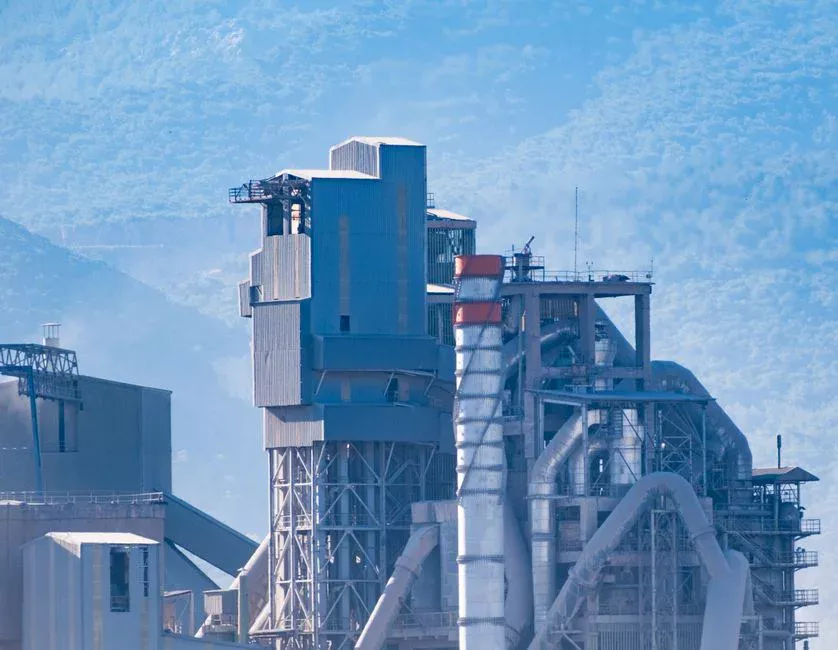
The BioResources review opens with a clear baseline: "Conventional wastewater treatment systems, often comprising primary clarification followed by activated sludge processes, have been widely implemented in the P&P industry" (Hubbe et al.). "Higher levels of pollutant removal can be achieved by supplementary treatments, which can include anaerobic biological stages, advanced oxidation processes, bioreactors, and membrane filtration technologies" (Hubbe et al.). That sentence is the backbone of a 2026 pretreatment train. The flow below runs in the order water actually moves, and each step is paired with a piece of equipment the engineer can specify.
- Headworks screening. Fibrous debris, rags, and large solids must be pulled out before pumps and biological tanks. A rotary bar screen for P&P headworks is the typical pick and matches the review's description of upstream process changes and save-alls.
- Flow and pH equalization. Batch bleaching and pulping discharges swing pH and temperature; equalization smooths the load so the biological stage runs steady. The review notes that "separation rates can be sped up by chemical treatments" and that "the use of some hybrid chemicals can promote the removal of a higher percentage of organic matter" (Hubbe et al., citing Leitz 1993; Miranda et al. 2015), which an automatic chemical dosing for coagulant, flocculant, and pH control makes repeatable.
- Primary separation. The review explicitly names DAF as a P&P option: P&P mills "can implement upstream process changes, including dissolved-air-flotation (DAF) systems, filtration save-alls, and kidney-like operations" (Hubbe et al.). A DAF system for pulp and paper primary separation is the default for fibrous streams; a lamella clarifier for high-solids P&P streams is a more compact alternative where footprint is tight. If neither fits, conventional primary clarification is the fallback.
- Biological treatment. Activated sludge is the conventional stage. The review adds that "higher levels of pollutant removal can be achieved by supplementary treatments, which can include anaerobic biological stages" (Hubbe et al.) — useful when the BOD/COD ratio is high and aeration energy is a concern. An MBR system for biological treatment of P&P wastewater combines activated sludge with submerged membranes, which is well suited to the "more than 40% of poorly biodegradable organics" reported in chemical pulping effluents (Hubbe et al., citing Dahlman et al. 1995).
- AOX, color, and toxicity polishing. The review cites Hermosilla et al. (2015) for advanced oxidation options (Fenton, ozone, etc.) and lists "advanced oxidation processes, bioreactors, and membrane filtration technologies" as supplementary removals (Hubbe et al.). A UF polishing after biological treatment reduces residual TSS, colloids, and high-molecular-weight color bodies, and can enable partial water reuse.
- Sludge handling. The review treats sludge as part of the wastewater system, noting that "biological sludge digestion could be optimized to speed up the process of handling the sludge" (Hubbe et al., citing Elliott and Mahmood 2012). A plate-and-frame filter press for P&P sludge dewaters both biological and chemical sludge so the solids side of the plant also meets handling and disposal expectations.
The exact combination depends on the 40 CFR Part 430 subpart (EPA) and the local POTW's headworks analysis, so the flow above is a template, not a one-size spec. For more on the choice between flotation and sedimentation at this step, see the DAF vs clarifier decision guide for P&P wastewater and the broader framing in primary wastewater treatment process and 2026 standards.
Local Limits, BMPs, and the Industrial User Permit
Under 40 CFR Part 430, the federal categorical standards are enforced locally through the POTW's Industrial Pretreatment Program, which uses "permits or other control mechanisms for indirect dischargers" (EPA). The historical driver of the current limits was the US "cluster rules," which "provided major incentive for reductions in discharged pollutants from P&P facilities" (Hubbe et al., citing Vice et al. 1996; Swann 1998; Vice and Carroll 1998). What a mill engineer should request from the local Control Authority before specifying equipment is a defined package: the sewer-use ordinance, the categorical standard applicable to the mill's 40 CFR Part 430 subpart, site-specific local limits (especially for heavy metals, AOX, color, pH, temperature, and flow), IU/SIU reporting forms, slug-control and Best Management Practices (BMP) requirements, and the sampling point — typically the POTW headworks or a designated monitoring manhole.
Two metrics inside that package affect equipment sizing. The BOD/COD ratio is permit-relevant because it "represents the fraction of organic compounds in the effluent that are easy to degrade" (Hubbe et al., citing McCubbin and Folke 1993) — a low ratio is a signal to plan for advanced oxidation or membrane polishing rather than a bigger aeration tank. And the mill should confirm whether it is a Significant Industrial User (SIU) under 40 CFR 403 in addition to Part 430; that classification determines the level of reporting, sampling, and on-site inspection the POTW will require. Treating the categorical standard and the local sewer-use limits as one program — not two — is the simplest way to avoid double-permit gaps in 2026.
Equipment Picks for a 2026 Dillon P&P Pretreatment Train
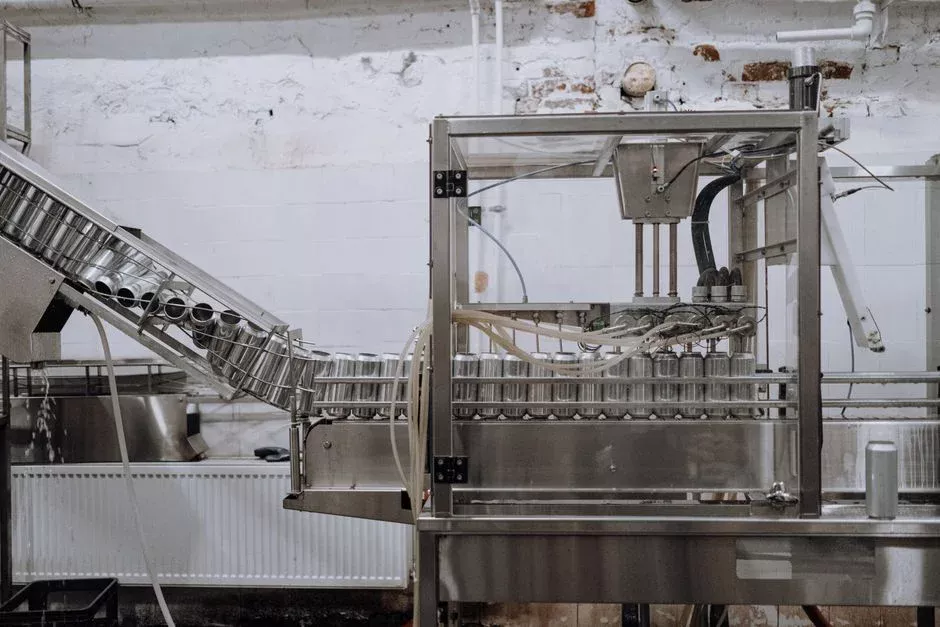
Each pick below is tied to a unit operation discussed in the process flow and to a pollutant class. The table is a starting point; final sizing must come from the influent characterization, the 40 CFR Part 430 subpart, and the local POTW's local limits — values the supplied research does not contain.
| Process step | Equipment pick | Pollutants targeted | Design note |
|---|---|---|---|
| Headworks | Rotary mechanical bar screen (GX series) | Fibrous debris, rags, large solids | Protects pumps and downstream tanks from fiber carryover |
| Equalization & chemistry | Automatic chemical dosing system | pH swings, coagulant demand, flocculant demand | Bleaching and pulping batches drive pH excursions that local limits flag |
| Primary separation | Dissolved air flotation (DAF) system or high-efficiency sedimentation tank (lamella clarifier) | TSS, fiber fines, colloids | DAF is named in the BioResources review as a P&P option; lamella is the compact alternative for higher-solids streams |
| Biological stage | MBR membrane bioreactor | BOD, COD, residual toxicity | Suited to >40% poorly biodegradable organics reported in chemical pulping (Hubbe et al., citing Dahlman et al. 1995) |
| Polishing | Ultrafiltration (UF) system | Residual TSS, high-MW color bodies, colloids | Provides consistent effluent quality and enables partial reuse |
| Sludge | Plate-and-frame filter press | Biological and chemical sludge volume | Sludge volumes scale with treatment intensity (Hubbe et al., citing Elliott and Mahmood 2012) |
The picks above are the typical building blocks of a 2026 P&P pretreatment train; they are not a turnkey spec. Final flow rates, model sizes, and the decision to add advanced oxidation or a dedicated AOX polishing step all depend on the categorical subpart and the local POTW's headworks limits.
2026 Pretreatment Compliance Checklist for a Dillon Mill
The list below is the pre-design workflow an engineer should walk through before talking to an equipment supplier.
- Identify the 40 CFR Part 430 subpart (A–L) that matches the pulping process and finished product, using the EPA subcategory list (EPA).
- Pull the local POTW's sewer-use ordinance, headworks limits, and IU/SIU permit template; confirm whether the mill is a Significant Industrial User under 40 CFR 403.
- Characterize the influent across BOD, COD, TSS, AOX, color, pH, and temperature, and compute the BOD/COD ratio because it sets the boundary between biological removal and polishing (Hubbe et al., citing McCubbin and Folke 1993).
- Check whether the existing train already has primary clarification plus activated sludge — that is the conventional baseline (Hubbe et al.) — and identify the gap between current effluent quality and local limits.
- Decide where advanced oxidation, UF polishing, or a DAF/clarifier upgrade is required for AOX, color, and the more-than-40% poorly biodegradable organics reported in chemical pulping (Hubbe et al., citing Dahlman et al. 1995).
- Plan the sludge side early. The BioResources review emphasizes that "biological sludge digestion could be optimized to speed up the process of handling the sludge," and sludge volumes scale with how much treatment is added (Hubbe et al., citing Elliott and Mahmood 2012).
- Engage an equipment supplier with documented P&P experience across DAF, MBR, UF, and filter presses — all of which the BioResources review identifies as in-use technologies for the sector (Hubbe et al.).
Frequently Asked Questions
How does a mill confirm it is regulated under 40 CFR Part 430 and which subpart applies?
If the mill sends wastewater to a POTW rather than to waters of the United States, it is an indirect discharger (EPA, 40 CFR Part 430 page). The subpart is set by pulping process and finished product — for example, Subpart B for bleached papergrade kraft and soda, Subpart C for unbleached kraft, Subparts D–F for sulfite variants, Subpart G for semi-chemical, Subpart H for groundwood, Subpart J for deink, and Subpart L for tissue, filter, non-woven, and paperboard from purchased pulp (EPA). The Control Authority can confirm the subpart against the actual process flow.
What does a conventional 2026 pretreatment train look like and when do I add polishing?
The conventional train is primary clarification followed by activated sludge (Hubbe et al.). Supplementary stages — anaerobic biological stages, advanced oxidation (Fenton, ozone, etc., as surveyed in Hermosilla et al. 2015), MBR bioreactors, and UF — are added when BOD/COD removal alone cannot meet local limits, when AOX or color must be reduced below what biology achieves, or when partial water reuse is a target (Hubbe et al.). Mills handling bleached pulp or chemical pulping typically need at least one polishing step because of the more-than-40% poorly biodegradable organics reported in those streams (Hubbe et al., citing Dahlman et al. 1995).
What does a 2026 P&P pretreatment system cost, and how do I size it?
The supplied research does not contain capital or operating cost figures for a 2026 Dillon-area P&P pretreatment system, so any number a buyer sees in a sales conversation should be tied to a written scope. The actionable check before requesting a quote is to assemble the inputs a supplier must have: the 40 CFR Part 430 subpart, the local POTW's site-specific limits, peak and average daily flow, influent BOD/COD/TSS/AOX/color/pH/temperature, target effluent quality, available footprint, and any reuse target. Without those, a quote is a guess.
How do I pick an equipment supplier and what is a realistic 2026 lead time?
The actionable check is to confirm documented P&P experience across the full train — screening, equalization, DAF or lamella, biological (ideally MBR), polishing, and sludge dewatering — and to ask for post-installation compliance support including start-up, sampling at the designated monitoring manhole, and SIU reporting. Lead time is set by equipment manufacturing slots and by the mill's own installation window, neither of which the supplied research quantifies, so the buyer should request a written schedule with engineering, fabrication, shipment, install, and commissioning milestones before signing.