How DAF and Clarifiers Actually Separate Solids
Dissolved air flotation (DAF) clarifies wastewater by dissolving air into the stream under pressure and subsequently releasing it at atmospheric pressure, creating microbubbles that adhere to suspended matter and lift it to the surface for skimming (Kemco Systems, S2). According to SigmaDAF USA, these microbubbles typically measure 30–50 microns, a size range optimized for attaching to oil droplets, fine suspended solids, and low-density metal-hydroxide floc (S5). In contrast, gravity-based separation relies on the density differential between the solids and the water; a high-efficiency lamella clarifier utilizes inclined plates to increase the effective settling area within a compact footprint, allowing for higher surface loading rates than conventional basins.
Both technologies require careful integration with upstream systems to function effectively. Both a dissolved air flotation (DAF) system and a gravity clarifier must be integrated with upstream automatic chemical dosing system components to ensure proper pH control and the application of coagulants or flocculants. These chemicals are essential to convert dissolved metals and colloidal particles into settleable or floatable flocs before they enter the separation unit (Kemco, S2).
Why Mining/Metals Wastewater Is a Special Case
Mining and metals wastewater streams present a complex matrix of high specific-gravity solids, such as ore fines and sands, alongside dissolved heavy metals including lead, copper, zinc, and iron, which are strictly regulated under 40 CFR Part 437 for ore mining and dressing operations. While heavy mineral fines may settle rapidly in a clarifier, streams containing mill lubricants, flotation reagents, or metal-finishing rinse water often carry oils, greases, and surfactants that impede traditional gravity settling and necessitate the use of DAF (Kemco, S2).
Heavy metal solubility is highly dependent on pH; therefore, precise pH adjustment is a mandatory prerequisite for any separation technology in this sector to ensure metals precipitate as hydroxide solids. Mining effluents often contain significant quantities of debris such as scale, sand, and lint. Standard industrial practice involves passing the raw influent through a rotary mechanical bar screen or hydrocyclone to remove these coarse objects, protecting the downstream separation equipment from premature wear or clogging (Kemco, S2).
DAF vs Clarifier for Mining/Metals: Head-to-Head
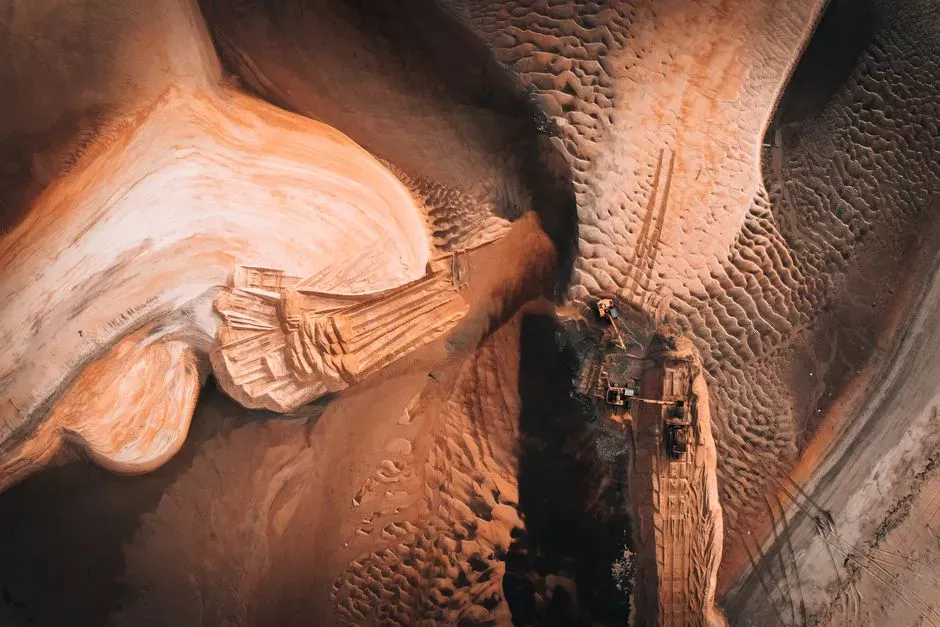
Selecting the correct technology requires mapping the specific contaminant profile of the ore processing effluent against the operational capabilities of the equipment. While DAF is highly effective for suspended solids, oils, greases, and metal hydroxides (Kemco, S2), clarifiers remain the preferred choice for high-load, high-density mineral fines.
| Feature | DAF System | Lamella Clarifier |
|---|---|---|
| Separation Principle | Air-assisted flotation (microbubbles) | Gravity settling (inclined plates) |
| Primary Targets | Oils, FOG, fine/low-density solids | Heavy mineral fines, coarse particles |
| Footprint | Compact (modular skid options) | Highly compact (vertical plate area) |
| Chemistry Demand | Coagulant + Flocculant | Coagulant + Flocculant |
| Sludge Handling | Skimmed float (requires dewatering) | Underflow slurry (requires dewatering) |
System performance depends heavily on chemical preparation and sludge handling protocols. For chemical demand, research on DAF optimization at the Logan, Utah wastewater treatment plant established an optimum dose of 30 mg/L of aluminum sulfate for effective flotation performance (Utah State University, Elder, 2011, S1). Similar coagulation and flocculation chemistry is required for clarifiers, though the dose must be tuned to maximize particle density rather than buoyancy. Regarding sludge management, the sludge produced by either system should be processed through a plate and frame filter press to reduce moisture content and disposal hauling costs (Kemco, S2). SigmaDAF USA notes that their DAF units are available in pre-assembled single-skid configurations for flows up to 66 GPM, with modular two-skid systems utilized for higher flow volumes (S5).
Matching the Technology to Your Richmond, US Operation
Physical properties of the suspended solids determine whether a DAF or a clarifier is the optimal choice for a Richmond facility. Utilize DAF when the stream is characterized by low-density colloids, oily rinse waters, or metal-hydroxide flocs that resist gravity settling. Conversely, deploy a lamella clarifier if the primary concern is the removal of heavy, fast-settling tailings or aggregate wash water with minimal oil content.
Many complex mining operations benefit from a hybrid approach where a primary clarifier removes the bulk of high-density mineral solids, followed by a DAF unit to polish the overflow by capturing remaining FOG and fine metals. For sites with fluctuating flow rates, the dissolved air flotation (DAF) system offers a flexible, automated solution that can be sized to meet specific influent requirements (SigmaDAF, S5). Always ensure that the selected unit—whether a clarifier or a DAF—is capable of handling the peak hydraulic load of your facility.
2026 Regulatory Frame for Mining/Metals Discharges in the US
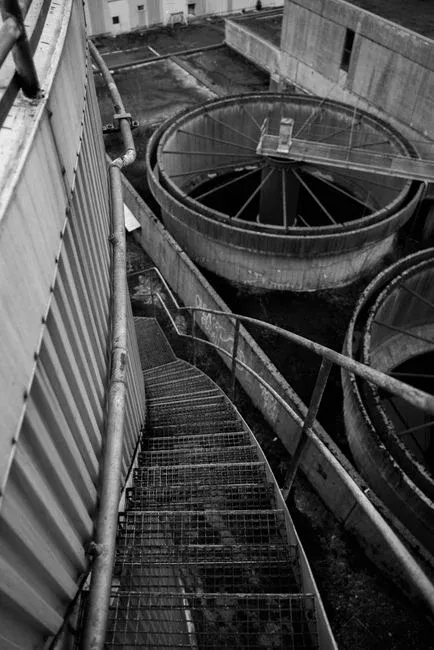
Mining and ore-processing facilities in the United States must align their discharge quality with 40 CFR Part 437, which defines specific effluent limitations for TSS and dissolved metals based on the subcategory of the ore being processed. Operations discharging to a local POTW must also satisfy pretreatment programs, which often impose stricter caps on pH, oil and grease, and heavy metals than those required for direct discharge to surface water.
Effective treatment requires strict adherence to these federal and local mandates. Compliance hinges on the integration of automatic chemical dosing system technology with your chosen separator. Because chemical precipitation is the only reliable way to convert dissolved metals into a filterable form, the equipment must be configured for the specific pH window required for your local permit limits. For further guidance on navigating these requirements, refer to the 2026 mining pretreatment compliance guide or the 2026 mining/metals sewer discharge guide.
2026 Buyer's Checklist for Richmond, US Mining/Metals Plants
- Stream Characterization: Define peak/average flow, TSS concentrations, oil/grease levels, and dissolved metal species to determine hydraulic loading requirements.
- Chemical Conditioning: Identify the necessary dosing requirements (e.g., aluminum sulfate at approximately 30 mg/L as a baseline reference) and ensure the separator includes or integrates with the required mixing tanks (S1, S5).
- Materials of Construction: Specify 304SS, 316SS, or polypropylene based on the corrosivity of your mining water (SigmaDAF, S5).
- Sludge Management: Size a plate and frame filter press based on the dry-solids mass expected from the separator to minimize hauling expenses (Kemco, S2).
Frequently Asked Questions
What is the physical difference between DAF and a clarifier in mining applications?
A DAF unit uses pressurized air to create 30–50 micron microbubbles that float solids to the surface for skimming, while a clarifier uses gravity to settle solids to the bottom for underflow removal (SigmaDAF, S5; Kemco, S2).
How does 40 CFR Part 437 impact my equipment choice?
This regulation sets specific limits for dissolved metals and TSS, requiring that any selected separator be preceded by precise chemical precipitation and pH adjustment to ensure all regulated parameters are below permit thresholds.
What information should I provide to a supplier to get an accurate budget and sizing quote?
Provide your average and peak flow rates (GPM), a detailed chemical analysis of the influent (including dissolved metals and oils), and your local discharge permit limits; for DAF units, note that single-skid systems are typically capped at 66 GPM (SigmaDAF, S5).
How do I select the right supplier for a mining/metals wastewater project?
Look for suppliers who provide integrated packages including the separator, chemical dosing, and a plate and frame filter press, and request case studies or pilot data that demonstrate performance on streams with similar metal and oil concentrations to your own (Kemco, S2).