Why the DAF-vs-Clarifier Question Is Different for Monetta Mining Plants
Monetta-area mining and primary-metals operations in 2026 are bound by 40 CFR Part 437 (Ore Mining and Dressing) subcategory effluent limits for TSS, settleable solids, and a defined list of metals, with NPDES permit review administered by SC DHEC. The primary clarifier upstream of metals precipitation and filtration must therefore produce an effluent that downstream pH adjustment, lime or soda-ash precipitation, and media filtration can polish into compliance — not an effluent that satisfies an internal TSS target in isolation.
The same belt produces variable solids: high-TSS slugs from concentrate handling and equipment wash, low-buoyancy silica and clay from kaolin-type operations, metal-hydroxide flocs once lime is dosed, and FOG from lubricant and diesel contact. A single technology applied uniformly across those profiles tends to either over-treat the easy streams or under-treat the hard ones. Equipment selection should be driven by which loading profile actually dominates a given Monetta plant's mass balance, and by the chemistry that follows it, not by which vendor's brochure is newest. This logic is reinforced in the parallel mining pretreatment guide for the Perdue Hill corridor, which flags primary clarification as the unit operation that sets the ceiling for everything downstream.
How DAF and Gravity Clarifiers Actually Work
DAF clarification uses a saturated recycle stream pressurized in an air-saturation vessel to release microscopic air bubbles that attach to chemically flocculated solids. Clearwater Industries, marketing SigmaDAF USA systems, specifies bubble sizes of 30–50 microns, and the resulting floc–bubble agglomerates are lifted to the surface, where a paddle skimmer removes them, while heavier settleable solids drop to a bottom auger (clearwaterind.com, 2026-04-27). After coagulation and flocculation, the conditioned flow enters the DAF clarifier, contacts the microbubble cloud, and separates in a single compact tank.
A gravity clarifier, including a lamella plate settler, passes coagulated and flocculated water upward through a stack of inclined plates or tubes. Settleable solids slide down the plate surfaces into a sludge hopper, and clarified water exits through a top launder. The dominant separation force is gravity acting on the inclined plate area rather than buoyancy on attached air bubbles. HydropureWater publishes a surface loading rate of 20–40 m/h for its lamella units and states that lamella designs consume up to 30% less flocculant than conventional basins (HydropureWater product spec). Both technologies depend on upstream chemical conditioning; the key difference is whether the particle reaches the surface by riding a bubble or by sliding down an inclined plate under its own weight.
Mining-Specific Loading Profiles: TSS, FOG, Silica, Metal Flocs
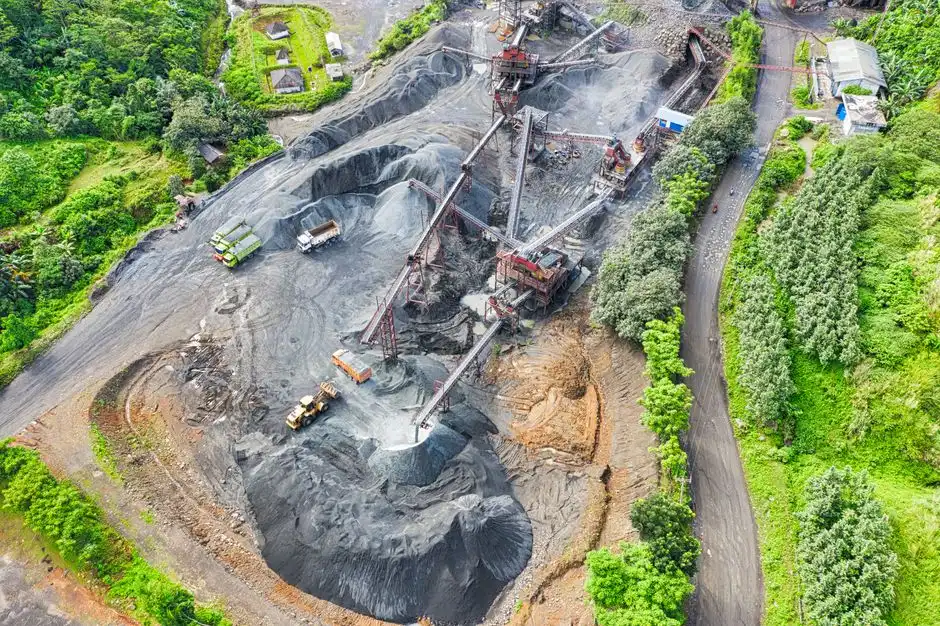
The right unit matches the dominant particle in your flow. SigmaDAF's FPAC DAF is a low-profile cross-flow clarifier designed for small-to-medium flow rates with high solids loads (TSS, FOG) — a profile typical of vehicle wash, concentrate handling, and lubricant-contaminated runoff (clearwaterind.com, 2026-04-27). When FOG or free oil is present, bubble attachment is the most reliable way to lift those particles, since oil has near-neutral buoyancy and resists plain settling.
For low-to-medium TSS streams dominated by low-buoyancy particles such as fine silica and clay — common in kaolin and sand wash circuits in the Carolina sedimentary belt that includes Monetta — SigmaDAF offers the FPBC, which integrates lamella pack technology to reduce water flow velocity and obtain maximum separation efficiency (clearwaterind.com, 2026-04-27). This is effectively a flotation unit whose internal plate pack improves capture of particles that would otherwise pass a conventional DAF. Once lime or soda-ash precipitation is online and the suspended load is dominated by settleable metal-hydroxide flocs at moderate, steady TSS, a stand-alone lamella clarifier at 20–40 m/h is typically the lower-OPEX match for the precipitation train, while still leaving headroom for swing conditions.
DAF vs Lamella Clarifier: Side-by-Side Comparison
The matrix below places the two unit operations against the parameters a Monetta engineer will evaluate. Values are limited to what the supplied research supports; cells that depend on site-specific data are marked as such rather than padded with assumed ranges.
| Parameter | DAF (SigmaDAF / ClearStream) | Lamella / Inclined-Plate Clarifier |
|---|---|---|
| Dominant separation force | Buoyancy of attached 30–50 µm air bubbles (S1) | Gravity on inclined plates |
| Internal geometry | Open tank; optional lamella pack in FPBC, combined cross-flow / countercurrent flow in FPHF (S1) | Stacked inclined plates or tubes |
| Surface loading / hydraulic rate | Site-specific; not published as a single number in the supplied sources | 20–40 m/h (HydropureWater spec) |
| Standard materials | 304SS standard; 316SS or polypropylene optional (S1) | Site-specific; not specified in supplied research |
| Flow-rate scalability | ≤66 GPM single skid; >66 GPM modular two-skid (COMPACT DAF, S1) | Site-specific; not specified in supplied research |
| Chemical demand | Polymer and coagulant required for floc–bubble attachment | Up to 30% lower flocculant use vs conventional basins (HydropureWater spec) |
| Sludge handling | Surface skimmer for floated layer; bottom auger for settleables; develops high solids concentration in compact units (S4) | Sludge hopper under plates; lower solids concentration in the underflow |
| Best-fit influent | High TSS swings, FOG, oil, low-density particles; startup/shutdown slugs (S1) | Steady, moderate TSS dominated by settleable flocs (metal hydroxides, fine silica post-coagulation) |
| Footprint driver | Solids flux and bubble contact time; rectangular units typically ship fully shop-assembled (S4) | High surface loading per footprint via inclined plates (HydropureWater spec) |
| Companion equipment | Recycle pump, saturation vessel, air compressor, PLC-controlled chemical dosing | Coagulation/flocculation mix train; no recycle pump or air compressor |
From a purchasing standpoint, the two practical anchors are: lamella units avoid the recycle pump and air compressor entirely, and publish up to 30% lower flocculant use (HydropureWater spec); DAF units from the HydropureWater DAF system line offer rapid response to TSS peaks, FOG, and free oil, and act as a thickener for the floated sludge layer (ClearStream, S4). A lamella clarifier is the right call when the chemistry is already producing settleable flocs and the hydraulic profile is steady.
Matching the Unit to Your Monetta Plant: A 2026 Decision Framework
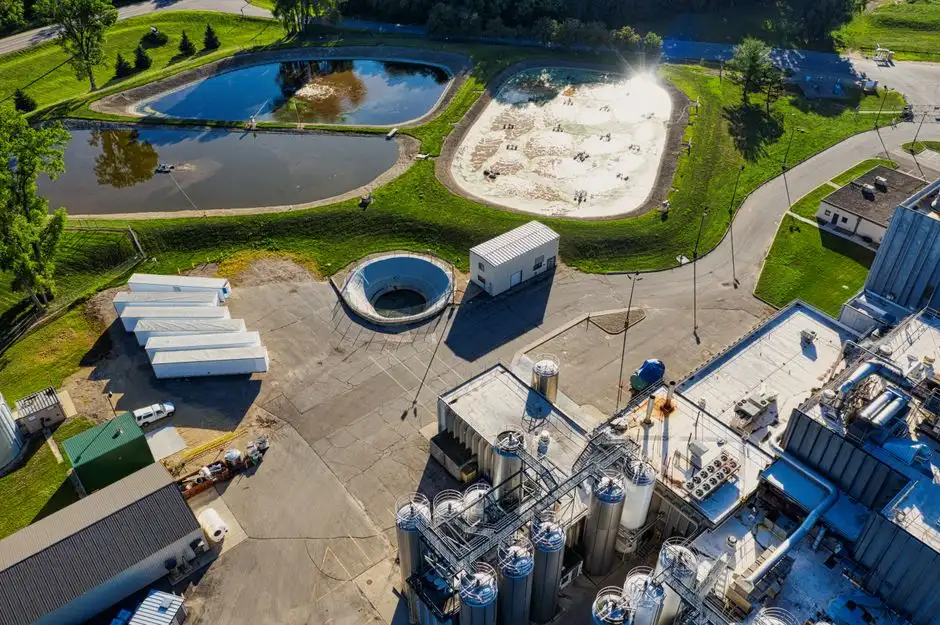
Use this three-branch decision tree to translate influent data into a defensible specification. The branches are mutually compatible, and many sites will end up at Branch 3 once a second shift or a new ore body changes the loading.
- Branch 1 — Choose DAF when: TSS peaks are sharp (e.g., wash-down slugs, concentrate spills), FOG or free oil is present in measurable quantities, or startup and shutdown transients are routine. SigmaDAF's FPAC and COMPACT DAF models are explicitly designed for this profile (clearwaterind.com, 2026-04-27), and the COMPACT skid integrates chemical conditioning, sensors, and PLC controls for fast deployment.
- Branch 2 — Choose a stand-alone lamella clarifier when: TSS is moderate and steady, the dominant particles are settleable flocs (metal hydroxides after lime or soda-ash precipitation, fine silica after coagulation), and chemical reduction is a board-level priority. The HydropureWater lamella unit publishes 20–40 m/h surface loading and up to 30% lower flocculant use, which directly lowers polymer OPEX.
- Branch 3 — Choose DAF primary + lamella (or MBBR) polisher when: both light floatables and very fine residual flocs must be removed to meet 40 CFR Part 437 limits or to protect downstream RO or multimedia filtration. The combined train is also justified when acid mine drainage overlap forces the same basin to handle both high-FOG and high-density sludge streams — see the high-density sludge neutralization for acid mine drainage case for the upstream chemistry side, and a DAF silica removal case study for the flotation side. Pair the DAF with a PLC-controlled chemical dosing skid sized to the combined train.
2026 Cost, Footprint and Compliance Considerations
CAPEX for both technologies is dominated by tankage, material of construction, and the degree of skid integration. SigmaDAF's COMPACT DAF integrates chemical conditioning, sensors, instruments, and a control panel into a single plug-and-play package, with a single-skid design at ≤66 GPM and a modular two-skid configuration above 66 GPM (clearwaterind.com, 2026-04-27). Material upgrades matter: 304SS is the DAF standard, with 316SS or polypropylene available for chloride-bearing mining water. Request a material-of-construction premium line item for any site with brackish or acidic recycle.
OPEX differences are quantifiable. A lamella clarifier eliminates the recycle pump, saturation vessel, and air compressor that every DAF carries, and publishes up to 30% lower flocculant use versus conventional basins (HydropureWater spec). Quantify both line items against the polymer dose and aeration energy your influent will actually demand; the gap typically narrows quickly once FOG or fine silica enters the mix. On the compliance side, an undersized primary clarifier pushes more solids and metals into downstream precipitation and filtration, raising reagent doses and excursion risk under 40 CFR Part 437. The right sizing anchor is peak, not mean, TSS — match the unit to the worst hour, not the average day.
Frequently Asked Questions
Does DAF or a lamella clarifier handle heavy-metal removal more effectively?
Neither unit removes dissolved metals on its own; both depend on upstream lime or soda-ash precipitation to convert dissolved metals to settleable hydroxides. The choice is about how reliably the resulting floc is captured. A DAF lifts fine hydroxide floc and any co-precipitated FOG to the surface, while a lamella clarifier settles the floc down inclined plates. For high-FOG streams or sharp TSS swings typical of Monetta mining flows, DAF is the more robust primary; for steady post-precipitation streams, the lamella unit's lower flocculant use makes it the lower-OPEX choice. Confirm with jar tests on your actual feed before committing.
How much budget should a Monetta plant plan for a primary clarifier in 2026?
The supplied research does not contain a price or installed-cost figure, so request a line-itemized quote. Ask for: tankage and material (304SS vs 316SS for DAF), recycle pump and air compressor sizing, skid integration, PLC scope, freight to a Monetta-area site, and a polymer-consumption estimate in lb/dry ton of solids treated. Compare those line items against each other rather than against headline turnkey numbers.
What supplier-selection checks reduce delivery and compliance risk?
Request three references in mining or metals primary clarification commissioned within the last 24 months, and confirm that the proposed DAF or lamella unit is manufactured — not just distributed — in North America (SigmaDAF USA / Clearstreameng notes in-house manufacturing and shop-assembled rectangular units, S1 and S4). For Monetta delivery, ask for a