Why EV and Auto Wastewater in Nashville Is a Special Case for Clarification
A Nashville EV gigafactory or a tier-one automotive stamping plant is not a single-process site, and its headworks reflects that. Body-shop stamping lines push water-soluble and neat lubricants, tramp oils, and grinding swarf; the paint shop adds e-coat overspray, phosphate conversion-coating rinse, and parts-washer solvents; and battery cell manufacturing contributes deionised rinse water with trace lithium-bearing and copper-bearing residuals, plus cooling-tower and anode-coating blowdown. All of those streams typically converge at a single equalisation tank before primary clarification, so the clarifier has to handle oil, grease, paint, and metal-bearing fines in the same vessel.
The dominant contaminants in this mix are free oils, fats, greases (FOG), and low-specific-gravity suspended solids — material that floats rather than settles, and that conventional gravity clarifiers remove only inefficiently. The receiving Nashville-area POTW and Tennessee NPDES pretreatment programme enforce oil and grease, TSS, and metals limits upstream of any biological or membrane polishing step, so the choice of primary clarifier is the decision that controls compliance for the whole plant. The exact stream characterisation and the site-specific discharge limits are not generic and must be confirmed by the plant's own jar testing and its individual POTW or Tennessee NPDES permit documentation before any equipment is selected.
How a DAF Clarifier Actually Works
A dissolved air flotation (DAF) clarifier separates suspended matter by buoyancy rather than by gravity. The process begins with a clean-water fill: DAF start-up requires the unit to be filled with clean water, because the system pressurises that water, dissolves air into it under pressure, and then releases the pressure inside the clarification tank to generate 30–50 micron micro-bubbles. If the tank is filled with raw wastewater instead, the recirculation pump and air saturation system can be damaged, and the unit will discharge unclarified water for an extended period (Clearwater Industries, 2026-04).
Once in normal operation, a side-stream of clarified water is pulled by a recirculation pump, pressurised, and saturated with air. When that pressurised water re-enters the main tank, the pressure drops and the dissolved air comes out of solution as a cloud of 30–50 micron micro-bubbles (Clearwater Industries, 2026-04; SigmaDAF USA / Clearwater Industries, 2026-04). Those micro-bubbles attach to flocculated particles and lift them to the surface, where a skimmer scrapes the floating sludge blanket into a collection trough. Clarified water is recovered from a supernatant outlet below the floating sludge, and most DAF vessels also include a bottom sediment compartment with its own sludge extraction so heavier settleable solids are removed in the same tank.
DAF performance depends on chemical conditioning. Coagulants, pH adjusters, and polymer flocculants are dosed upstream either through 15–45 second serpentine flocculation tubes or through impeller-driven chemical mix tanks (Clearwater Industries, 2026-04). When the chemistry is well-tuned, the resulting sludge is thicker and more readily dewatered, often needing little further conditioning before a downstream plate-and-frame press. A purpose-built industrial DAF system is the configuration most commonly specified for oily auto/EV streams.
How a Conventional Clarifier Works in an Industrial Setting
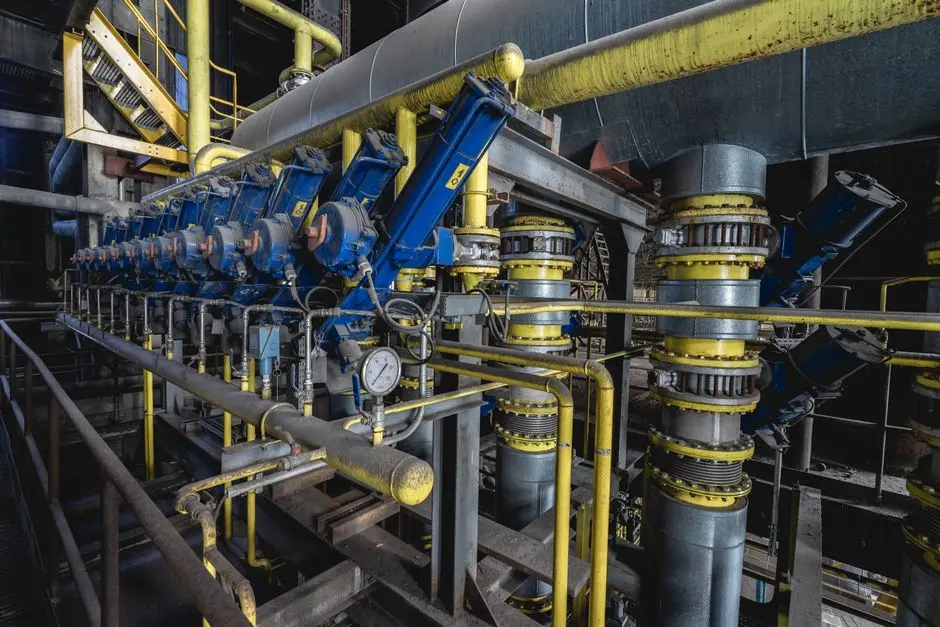
A conventional (gravity) clarifier relies on Stokes-law settling: heavier suspended solids sink to a conical or hopper bottom and are raked to a sludge draw-off, while clarified water overflows a peripheral launder weir. The equipment is mechanically simple, has a low energy demand, and tolerates high flow spikes because the basin itself provides large equalisation volume.
Gravity clarifiers perform well on high-specific-gravity inorganic solids — grinding swarf, sand, metal fines, and precipitated metal hydroxides — which is why they remain standard primary equipment in metal finishing and heavy industrial service. A lamella-plate sedimentation tank shortens the settling column by using inclined plates, but the separation mechanism is still gravity-driven. The structural limitation is that conventional clarifiers do not actively remove free oil, FOG, or low-density paint and latex particles; those contaminants tend to stay in suspension, form an emulsified surface layer, or escape over the weir.
The research sources do not supply a single published removal-efficiency figure for conventional industrial clarifiers in EV/auto service. Removal performance in this sector is highly site-specific and should be confirmed by jar testing and pilot data on the actual plant stream before any clarifier-only design is committed to.
Head-to-Head: DAF vs Clarifier for Nashville EV/Auto Plants
The trade-offs that actually matter to a Nashville EV/auto plant are oil and FOG removal, footprint, chemical demand, sludge character, and how each unit fits a mixed stream profile. The table below summarises the comparison before the discussion that follows.
| Parameter | DAF Clarifier | Conventional Gravity Clarifier |
|---|---|---|
| Primary separation mechanism | Buoyancy from 30–50 micron micro-bubbles attaching to flocs (Clearwater, 2026-04) | Stokes-law settling of heavy suspended solids |
| Free oil and FOG removal | ~90% oil removal in industrial service (Hahn, 2010) | Limited; floating oils tend to remain in suspension or escape over the weir |
| Best-fit contaminant class | Low-specific-gravity oils, greases, paint, lubricants, light TSS | High-specific-gravity inorganic TSS, metal fines, precipitated metal hydroxides |
| Footprint relative to flow | Small — separation is driven by buoyancy, not long settling columns | Large — needs equalisation volume and settling depth |
| Chemical input | Coagulant + pH adjuster + polymer flocculant dosed upstream (Clearwater, 2026-04) | Typically minimal; pH adjustment only |
| Start-up requirement | Clean-water fill before raw wastewater is introduced (Clearwater, 2026-04) | No special fill required |
| Sludge character | Thicker float; often dewaterable with little further conditioning (Clearwater, 2026-04) | Conventional settled sludge; typically needs further dewatering |
| Model families for flow matching | FPAC (small/medium flow, high load), FPBC (lamella plates, low/medium load), FPHF (large flow, combined cross/countercurrent), Compact DAF skid (≤66 GPM single skid, >66 GPM two-skid) (Clearwater, 2026-04) | Circular or rectangular basin; lamella-plate variants shorten footprint |
| Typical 2026 EV/auto role | Primary clarifier on oily/paint/lubricant streams | Polishing stage after DAF, or primary stage on heavy metal-hydroxide streams |
| Regulatory familiarity in Nashville | Documented in the EPA record for the Nashville Central WPCF (EPA, 1990) | Commonplace, but not specifically tied to oily EV/auto streams |
The structural case for DAF on this sector is the ~90% industrial oil-removal benchmark reported for DAF systems (Hahn, 2010), which aligns with the free-oil and FOG load that dominates stamping, machining, and e-coat lines. Conventional clarifiers do not have a comparable cited oil-removal figure in the supplied research, and the sources do not pair specific flow rates to the four Clearwater model families for the EV/auto sector, so the sizing discussion below focuses on the input data a buyer must compile. Local precedent also matters: the EPA documents dissolved air flotation thickening as part of the solids processing train at the Nashville Central WPCF, so DAF is a regulator-accepted technology in the Nashville permitting environment (EPA, 1990). A purpose-built automatic chemical dosing system is normally specified alongside the DAF to deliver the floc tubes or mix tanks the process requires.
Sizing a DAF or Clarifier for an Auto/EV Plant in 2026
Correct sizing starts with a complete influent characterisation, not a textbook default. The buyer should compile peak and average flow in GPM or m³/h, influent TSS, FOG, free oil, and any metals of concern, plus pH and temperature, and hand that package to the DAF or clarifier supplier alongside the receiving POTW's or Tennessee NPDES permit's discharge limits. The research does not supply a generic auto/EV flow or load figure, so those numbers must come from the plant's own mass balance and jar testing.
For smaller Nashville parts-stamping or tier-2 supplier plants, the 66 GPM single-skid threshold on the Compact DAF is a useful breakpoint: flows at or below 66 GPM can be handled by a single skid, while flows above 66 GPM move to the modular two-skid configuration (Clearwater Industries, 2026-04). Larger EV gigafactory headworks will sit in the FPAC or FPHF large-flow range, but the research sources do not pair those model families to specific auto/EV flow rates, so the supplier must match them to the project's actual flow and load profile. Equalisation upstream is consistently recommended in flotation literature as a way to stabilise variable auto-line flows, and the Clearwater process description explicitly notes that jar testing is the method for determining the right coagulant, pH adjustment, flocculant, and contact time for a specific wastewater (Clearwater Industries, 2026-04).
2026 Decision Framework: Which Should a Nashville Auto/EV Factory Choose?
For most Nashville EV/auto plants in 2026, the choice collapses to three configurations. If the dominant contaminant load is free oil, FOG, e-coat paint, lubricants, or low-specific-gravity suspended solids — which describes most stamping, machining, and paint-shop streams — a DAF is the appropriate primary clarifier, leveraging the ~90% industrial oil-removal benchmark reported for DAF (Hahn, 2010). If the dominant load is heavy inorganic TSS, metal hydroxides, or grinding swarf with negligible free oil, typical of a standalone metal-finishing rinse line, a conventional gravity clarifier (or a lamella clarifier) is a defensible primary choice.
For mixed EV/auto plants — a battery cell rinse line feeding the same headworks as a body-shop stamping line, for example — the practical 2026 configuration is a DAF primary followed by a lamella or conventional clarifier as a polishing and solids stage. That train pairs DAF's 90%-class oil removal with the gravity clarifier's strength on settleable fines, and it matches the way automotive plants have already used DAF-then-clarifier trains in industrial service (Clearwater Industries, 2026-04). In every case the final choice should be validated by jar testing and confirmed against the receiving POTW's or Tennessee NPDES permit's oil, grease, TSS, and metals limits, which the research does not supply and which must be obtained from the site's own permit documentation. A related comparison framework for chemicals plants is laid out in DAF vs clarifier for chemicals wastewater, and the petroleum-sector application is covered in DAF vs clarifier for petroleum bulk wastewater.
What to Ask a Nashville DAF or Clarifier Supplier in 2026
A 2026 RFQ should be grounded in the equipment specifics the research supports. First, ask which Clearwater model family the supplier is proposing — FPAC, FPBC, FPHF, or Compact DAF — and have them justify the choice against the plant's flow and load profile (Clearwater Industries, 2026-04). Second, confirm whether the system includes integrated chemical conditioning (floc tubes or mix tanks) or whether the buyer must provide the dosing skid separately, and confirm the PLC automation scope for skimmer speed, sludge discharge, and chemical dosing pumps. Third, lock down materials of construction: standard 304 stainless steel is the default, with 316 stainless steel and polypropylene available on request, and material selection matters for chloride-bearing battery rinse streams and high-temperature e-coat streams (SigmaDAF USA / Clearwater Industries, 2026-04). Fourth, ask for guaranteed oil and grease removal performance under the plant's specific jar-tested conditions, and for reference installations in Tennessee or the U.S. Southeast, since the Compact DAF's stated capability is "high removal performance of organic load, solids, oils and fats, and other wastewater pollutants" (Clearwater Industries, 2026-04). Finally, confirm start-up and commissioning scope, including the initial clean-water fill requirement, because the DAF process description in the Clearwater reference explicitly notes that filling with raw wastewater will damage the recirculation pump and air saturation system. Buyers who want a primer on the flow-matching logic can review sizing a DAF for industrial streams, and they should plan downstream sludge dewatering around a plate and frame filter press matched to the DAF sludge character.
Frequently Asked Questions
What oil and grease removal can a DAF realistically deliver on a Nashville auto/EV stream?
The benchmark figure in the supplied research is the ~90% industrial oil removal reported for DAF systems in the flotation literature (Hahn, 2010). The Compact DAF is described by the manufacturer as offering "high removal performance of organic load, solids, oils and fats, and other wastewater pollutants" (Clearwater Industries, 2026-04), but no specific Tennessee or EV/auto percent-removal guarantee is provided in the research. The actual removal at any given plant depends on its jar-tested chemistry and flow profile, so the buyer should request a vendor guarantee tied to the plant's own influent characterisation rather than rely on a generic figure.
Can a conventional clarifier coexist with a DAF, or is the choice either/or?
They can coexist, and in a mixed EV/auto plant they often should. The DAF takes the free-oil, FOG, paint, and lubricant load as the primary unit, and a downstream lamella or conventional clarifier polishes settleable fines and handles any heavy inorganic TSS that slips through. The Clearwater process description notes that DAF systems already include a sediment compartment for settleable solids, and the Hahn (2010) reference treats flotation and gravity clarification as complementary unit operations rather than mutually exclusive ones.
How does the 66 GPM skid breakpoint affect a 2026 DAF RFQ for a smaller Nashville parts plant?
On the Compact DAF, flows of 66 GPM or less are managed with a single-skid design, while flows above 66 GPM move to a modular two-skid system (Clearwater Industries, 2026-04). For a tier-2 stamping or parts-coating plant in the Nashville area that sits at or below that flow, the single-skid Compact DAF is the natural RFQ baseline, with chemical conditioning, PLC controls, and skimmer/discharge instrumentation bundled in. Above 66 GPM, the buyer should expect the supplier to propose a two-skid modular layout and should ask explicitly how the skids will be tied together and what redundancy is provided.
Is DAF a regulator-accepted technology in the Nashville permitting environment?
Yes. The EPA's 1990 record on fuel-efficient sewage sludge incineration documents dissolved air flotation thickening as part of the solids processing train at the Nashville Central WPCF, alongside other DAF-equipped plants such as the Metropolitan WPCF in Minnesota (EPA, 1990). That local precedent means DAF is a familiar technology to Nashville-area pretreatment staff, which simplifies NPDES and POTW permit discussions, but the specific oil, grease, TSS, and metals limits applicable to any individual plant are not stated in the research and must be obtained from the site's own permit documentation before final equipment selection.