How Food & Beverage Wastewater Forces the DAF-vs-Clarifier Decision
Food and beverage streams differ from municipal wastewater in one decisive way: a large share of the pollutant load is floatable, not settleable. Dairy, meat and brew lines discharge emulsified fats, oils and grease (FOG) along with light protein and starch flocs that resist gravity thickening. Vegetable wash water behaves the opposite way — mostly settleable soil, trimmings and dense pulp. Ready-meal and frozen-food lines sit between the two, with floatable oils from sauces and settleable solids from vegetables in the same effluent. World Water Works case records confirm that the dominant food and beverage DAF installations in the US are dairy, meat processing, brewing, frozen vegetable and egg processing, with each subsegment presenting a different mix of floatable and settleable fractions (S4).
The floatable-versus-settleable split is the engineering decision driver. Floatable and emulsified fractions are lifted to the surface by 30–50 micron microbubbles in a dissolved air flotation clarifier and removed by skimming; heavy settleable solids drop to the bottom of a conventional or lamella clarifier and are augered out (S1, S4). A facility that misreads its own matrix — for example, sizing a clarifier for a dairy stream with high emulsified butterfat — will see FOG pass through to the biological stage, generate surcharges and trigger permit excursions.
For Emporia, Kansas specifically, the matrix matters because the city wastewater treatment plant has been retrofitted with an integrated fixed-film activated sludge (IFAS) system to handle growth and tighter effluent permits, according to World Water Works (S4). The Emporia WWTP is now less forgiving of shock loads, FOG slugs and inconsistent primary effluent, which compresses the design window for the upstream primary separator.
How a DAF Clarifier Actually Works (and Why That Matters for FOG)
A dissolved air flotation (DAF) clarifier separates suspended solids, oils and greases by attaching 30–50 micron microbubbles to chemically conditioned flocs so the combined particle becomes buoyant and rises to the surface, where a chain-and-flight or paddle skimmer removes the floated layer; heavier solids that do not attach settle to a collection zone and are augered from the bottom (S1, S4). The four functional zones that an Emporia plant engineer should be able to describe to a vendor are: the influent header with multiple whitewater injection points, the flocculation contact zone, the flotation zone where bubbles lift solids and FOG, and the dual-removal skimmer-plus-auger for float and settled solids (S1, S4).
Chemical conditioning is a prerequisite, not an option. SigmaDAF and Clearwater Industries both require coagulation and flocculation upstream so floc size grows large enough for the microbubbles to contact; the chemical step can be implemented with serpentine flocculator mix tubes or chemical mix tanks, both of which SigmaDAF USA supplies (S1). For sanitary food and beverage duty, the standard construction is 304 stainless steel, with 316 stainless steel or polypropylene available on request, and the system ships fully automated with PLC control of chemical dosing pumps, skimmer speed and sludge discharge (S1).
The SigmaDAF model family maps cleanly onto typical food and beverage flow and load ranges. The FPAC is a low-profile cross-flow separator built for small-to-medium flows with very high TSS and FOG. The FPBC adds lamella pack internals and is positioned for low-to-medium solids loads, including low-buoyancy particles. The FPHF handles high flows with low-to-large solids loads by combining cross-flow and countercurrent flow. The COMPACT DAF is a pre-assembled, turnkey skid with chemical conditioning, sensors, instruments and a PLC control panel, and it splits at 66 GPM: single skid below 66 GPM, modular two-skid above (S1). SigmaDAF Clarifiers has been in operation since 1994 with more than 800 projects in over 25 countries; SigmaDAF USA is the joint venture with Clearwater Industries that manufactures the equipment in Brown Deer, Wisconsin (S1).
How a Lamella or Conventional Clarifier Handles Food & Bev Loads

Conventional rectangular or circular clarifiers and lamella (inclined-plate) clarifiers are gravity separators. They are still specified in 2026 for food and beverage streams where the pollutant is mostly heavy, settleable total suspended solids (TSS) at moderate flow, and where emulsified FOG is not the controlling load. The lamella format increases the effective settling area inside a smaller footprint by stacking inclined plates, which lets the unit operate at higher surface loading than a conventional clarifier of the same footprint. A current US option for this format is the HydropureWater lamella clarifier, which pairs sludge-recirculation flocculation with inclined-plate separation for high-rate settling in a compact skid.
The clearest published evidence that clarifiers remain standard equipment for predominantly settleable streams is the World Water Works Specialty Kraft Paper Mill case in New Hampshire, where a Frofta clarifier with a recirculation pump and pressure vessel is used to polish TSS from an alkaline re-pulping process before discharge to the city sewer (S4). The case is documented as a clarifier, not a DAF, which is significant: even when DAF is available, an engineer will still pick a clarifier when the matrix says settleable TSS dominates and FOG is low.
The inherent limit of clarifiers on emulsified FOG is what protects DAF's position in food and beverage primary treatment. Emulsified and low-density oils do not settle reliably under gravity and will pass through to the downstream biological stage, where they increase loading, cost the plant sewer surcharges, and risk an FOG excursion at the city WWTP. World Water Works case studies of dairy, meat and brewing plants describe DAF — not clarifiers — as the equipment installed to bring those streams into compliance (S4).
DAF vs Clarifier: Head-to-Head Comparison for Food & Bev Plants
The table below compares the two technologies on the parameters that actually drive a 2026 food and beverage spec. Every row is anchored to a specific fact from the supplied research: bubble size and material of construction from SigmaDAF/Clearwater (S1); the COMPACT skid breakpoint at 66 GPM (S1); the SigmaDAF model family names (S1); the food and beverage case-study matrix and the Frofta clarifier case from World Water Works (S4). Numbers not present in the research are intentionally left as qualitative inputs the buyer must obtain from the vendor.
| Parameter | DAF Clarifier | Lamella / Conventional Clarifier |
|---|---|---|
| Dominant target pollutant | Floatable FOG, emulsified oils, light suspended solids (S1, S4) | Heavy settleable TSS, low-FOG streams (S4) |
| Microbubble / separation mechanism | 30–50 micron air bubbles attach to flocs and lift them; surface skimmer plus bottom auger (S1, S4) | Gravity settling; inclined plates (lamella) or sludge bed (conventional) (S4) |
| Flow-rate breakpoints | COMPACT DAF: single skid ≤ 66 GPM, modular two-skid > 66 GPM (S1) | Driven by surface-loading rate; vendor-specific, request from supplier |
| Chemical conditioning | Required upstream — coagulant and flocculant with serpentine mix tubes or mix tanks (S1) | More chemical-light; sludge bed control is the main operator task |
| Automation | Fully automated, PLC control of chemical dosing, skimmer speed, sludge discharge (S1) | Typically simpler controls; sludge bed management is manual or semi-automated |
| Materials of construction (standard / optional) | 304SS standard; 316SS and polypropylene on request (S1) | Commonly 304SS or carbon steel with coating; confirm with vendor |
| SigmaDAF model fit (food & bev) | FPAC (small-to-medium flow, very high FOG/TSS), FPBC (low-to-medium solids, low-buoyancy particles), FPHF (high flow, low-to-large solids), COMPACT (turnkey skid) (S1) | Lamella-pack internals integrated in FPBC for separation efficiency (S1); stand-alone clarifier for low-FOG TSS duty (S4) |
| Documented food & bev applications | Dairy, meat processing, brewing, frozen vegetable, egg processing (S4) | Predominantly settleable streams such as paper-mill TSS polishing (S4) |
| Documented outcome benchmarks | Dairy DAF retrofit cut sewer surcharge by over $20,000/month (S4); legacy CAF OPEX approaching $14/1,000 gallons treated (S4) | No equivalent food & bev OPEX benchmark supplied; obtain from vendor reference plants |
The FOG row is the single biggest differentiator: DAF lifts emulsified FOG reliably when chemical conditioning is tuned, while a clarifier passes emulsified FOG to the biological stage and onto the city WWTP. The chemical and operator row is the second differentiator: DAF requires coagulant and flocculant dosing plus PLC tuning of skimmer speed and sludge discharge, while a lamella clarifier is more chemical-light but still needs consistent sludge bed control to avoid solids washout. For an Emporia plant that needs a turnkey packaged unit, the HydropureWater DAF system is sized to the same skid architecture described in (S1), and chemical dosing can be paired with a HydropureWater chemical dosing skid sized to the DAF flow rate.
Which Food & Bev Subsegments Should Choose DAF vs Clarifier in 2026
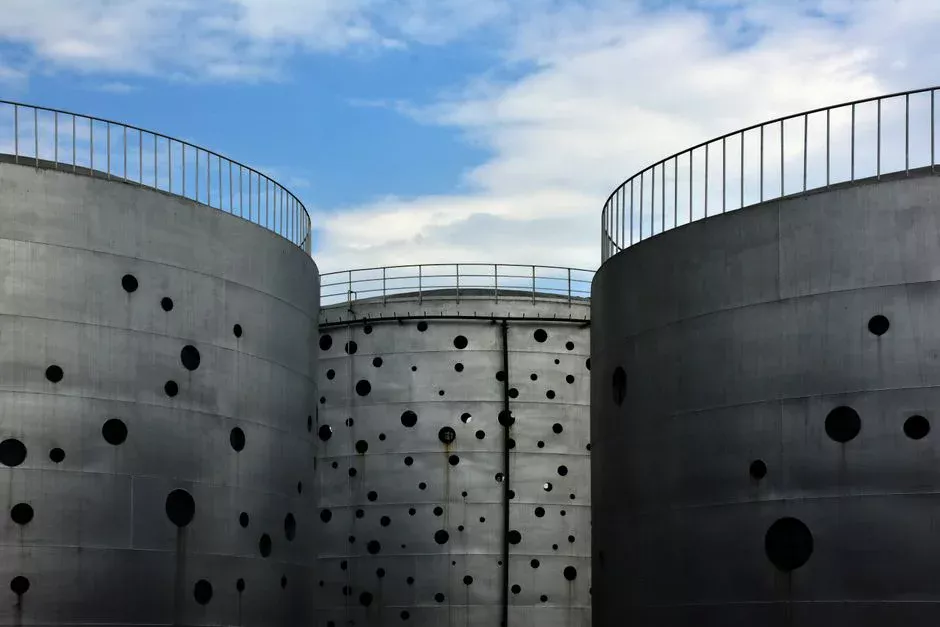
The subsegment matrix below maps the dominant food and beverage lines in or near Emporia, Kansas to a recommended primary separator. Each recommendation is anchored to a named case study or process description in the World Water Works record (S4); an Emporia plant engineer should be able to find a documented precedent for their own subsegment before issuing a purchase order.
| Food & bev subsegment | Recommended 2026 primary separator | Documented precedent |
|---|---|---|
| Dairy — fluid milk, cheese, ice cream, yogurt, mixes | DAF | Rumiano Cheese; southwest dairy mix plant; ice-cream/fluid-milk plant with sewer surcharge over $30,000/month reduced by over $20,000/month after DAF retrofit (S4) |
| Meat processing — bacon, turkey, beef, pork | DAF | Midwestern bacon plant (2005 turnkey system); Plainville Farms turkey; unnamed meatpacking with surcharges approaching $40,000/month (S4) |
| Brewing — craft and large brewery | DAF | Alchemist Brewery (Heady Topper) turnkey system for high-strength, intermittent brewery discharge (S4) |
| Egg processing | DAF | Connecticut egg processor DAF installed under a 2016 consent order to treat BOD, TKN and TSS (S4) |
| Frozen vegetable / produce | DAF where floatable solids and starch dominate; clarifier acceptable for low-FOG wash water with mostly settleable soil and trimmings | Frozen vegetable company case (S4); lamella clarifier description (S1) |
| Industrial ancillary streams (laundries, food-grade chemicals) | DAF is the standard pre-treatment device in published cases | Pennsylvania industrial laundry; chemical cases (S4) — should not override the food & bev matrix above |
Two clarifications are useful when reading this matrix. First, the frozen-vegetable row is conditional, not absolute: a line that generates starch-bound floatable solids will need DAF, while a wash-water line that is mostly settleable soil may be a lamella candidate. Second, the Kansas Dairy case in (S4) is a cautionary precedent: a Kansas dairy processor was originally supplied an improperly designed system with inefficient equipment and design concepts, which is the kind of failure mode that a subsegment-specific spec helps prevent.
The 2026 Decision Framework for Emporia Food & Bev Plants
Use this six-step framework in order. Each step converts a piece of the matrix above into a go/no-go input that you can defend in front of management and the city pretreatment coordinator.
Step 1 — Characterize the stream. Pull at least one week of composite sampling on FOG, TSS, BOD, settleable solids, floatable solids and peak-to-average flow ratio. Note whether the plant runs CIP chemicals that emulsify oils, because emulsified FOG pushes the answer toward DAF regardless of the other parameters.
Step 2 — Check the discharge envelope. Identify whether the plant discharges to the Emporia city WWTP, which has been retrofitted to IFAS due to population growth and more stringent effluent permits (S4), or to a private system. IFAS-equipped POTWs tolerate more variability than old activated-sludge plants but still penalize FOG slugs through surcharges, so confirm the current local oil-and-grease limit in writing before locking the spec.
Step 3 — Run the footprint and automation screen. For DAF, the COMPACT skid splits at 66 GPM: single skid below 66 GPM, modular two-skid above (S1). For a lamella clarifier, footprint is the dominant variable when the load is settleable and the building is tight. DAF is the better fit when flow variability is high because skimmer speed and sludge discharge are PLC-controlled (S1).
Step 4 — Run the chemical and operator screen. DAF requires coagulant and flocculant dosing with PLC tuning of skimmer speed and sludge discharge (S1); a lamella clarifier is more chemical-light but still needs consistent sludge bed control. For plants without a dedicated wastewater operator, this row alone can decide the spec.
Step 5 — Run the commercial screen. Compare vendor proposals on documented food and beverage references, in-house US manufacturing, materials of construction (304SS standard, 316SS optional per S1), and PLC/automation scope. A lower headline capex from a vendor without a documented food and beverage reference is a known failure mode — the Kansas Dairy case (S4) is the published example.
Step 6 — Build the payback case. Anchor the financial case to documented outcomes: a dairy DAF retrofit cut one plant's sewer surcharge by over $20,000 per month, and the previous CAF system at another dairy was approaching $14 per 1,000 gallons treated (S4). Use those numbers as the upper-bound savings assumption; actual results depend on local sewer rates and load, which you must request from the city and the vendor.
Emporia-Specific 2026 Implementation Notes
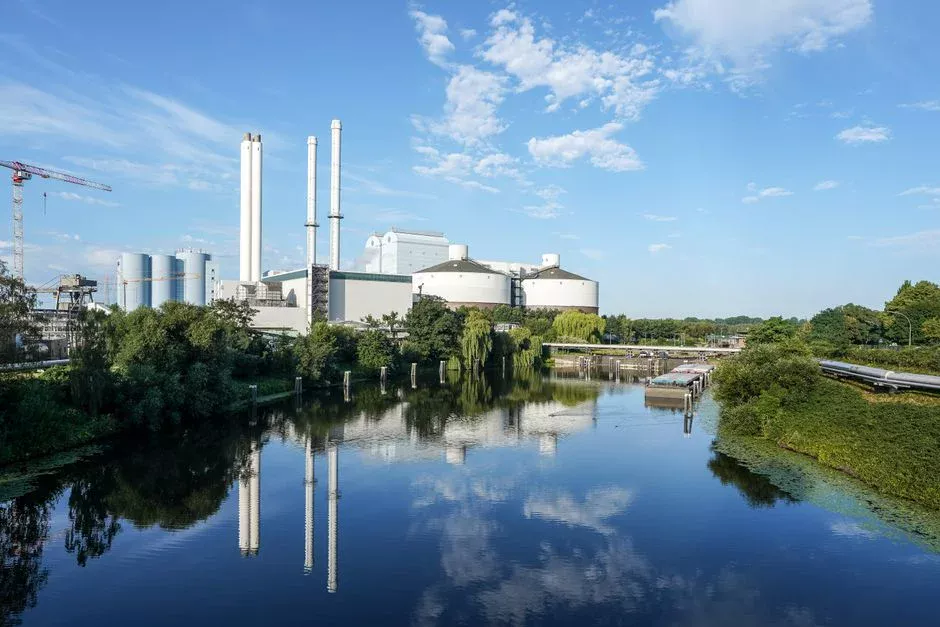
The Emporia, Kansas WWTP itself has been retrofitted with an integrated fixed-film activated sludge (IFAS) system in response to population growth and more stringent effluent permit regulations; engineers chose IFAS specifically because it is retrofittable within space and budget restrictions at the existing site (S4). The implication for any Emporia food and beverage plant in 2026 is direct: the receiving plant is now less forgiving of shock loads, FOG slugs and inconsistent primary effluent, so the primary separator must deliver a stable, low-FOG, low-TSS stream into the city IFAS. This favors DAF for dairy, meat and brewing lines and pushes the clarifier option toward lower-strength ancillary streams where floatable FOG is not the controlling load.
Regional load patterns also matter. Kansas and surrounding states carry significant dairy, beef, ethanol, grain-processing and brewing activity, which means seasonal CIP and clean-in-place peaks should be built into the peak-to-average flow ratio used for sizing. SigmaDAF's FPBC and FPHF model families are explicitly positioned for low-to-large solids variability (S1), which is the kind of envelope an Emporia plant should expect if it runs seasonal co-manufacturing or shares a line between product families.
Logistics favors domestic DAF supply. SigmaDAF USA, the joint venture between Sigmadaf Clarifiers and Clearwater Industries, is headquartered in Brown Deer, Wisconsin, and manufactures in-house, supporting clients throughout the USA and Canada (S1). For an Emporia buyer, this is a relevant service-coverage and lead-time data point when comparing DAF vendors against clarifier-only vendors that may be importing skids.
Permitting coordination is the final step. Because the Emporia WWTP is now operating IFAS, the local pretreatment program is likely to enforce tighter oil/grease and TSS limits, and the city may require redundancy on skimming and sludge handling. The spec should include room for a redundant skimmer, a bottom auger, and PLC monitoring from day one rather than as a future upgrade. For ancillary streams and lower-strength wash water, a HydropureWater lamella clarifier can be paired with a HydropureWater chemical dosing skid to keep the chemistry and the separation in one control envelope. For the broader pretreatment envelope, see how a comparable plant tackled 2026 compliance in the food and beverage pretreatment piece on food & bev pretreatment compliance in 2026, and the related DAF-vs-clarifier piece for chemical plants at DAF vs clarifier for chemical-plant wastewater. Mechanical screening upstream of either separator is covered in the engineering guide on mechanical screening upstream of a DAF or clarifier.
Frequently Asked Questions
Is a DAF or clarifier better for dairy wastewater?
DAF. The World Water Works record documents DAF retrofits at fluid-milk, dairy-mix, ice-cream and cheese plants specifically to replace skim tanks, CAF systems and undersized ponds; one dairy reduced sewer surcharges of over $30,000/month by more than $20,000/month after a DAF install, and another dairy's legacy CAF system was approaching $14 per 1,000 gallons treated (S4). A clarifier is the wrong tool because emulsified butterfat does not settle reliably under gravity.
How much does a food-grade DAF system cost in 2026?
The supplied research does not publish a 2026 sticker price for a food-grade DAF. Buyers should request a written quote that breaks out the DAF skid, the chemical conditioning package, PLC scope, and installation against a documented food and beverage reference plant, then compare proposals on lifecycle cost using the documented dairy benchmark of a CAF system approaching $14 per 1,000 gallons treated (S4) as the upper-bound legacy OPEX anchor.
What flow rate triggers a two-skid DAF?
For the SigmaDAF COMPACT DAF, the breakpoint is 66 GPM: a single skid handles flows of 66 GPM or less, and a modular two-skid system is used for flows larger than 66 GPM (S1). Buyers with peak flows near the breakpoint should ask the vendor for a documented reference plant within ±20% of the design flow.
How do I size a DAF for a meat processing plant?
Size on the floatable FOG and TSS peaks from at least one week of composite sampling, not on average flow, because meat processing lines generate slug loads during CIP and start-up. The SigmaDAF FPAC is positioned for small-to-medium flow with very high TSS and FOG, and the FPHF for high flow with low-to-large solids variability (S1). The Midwestern bacon plant and Plainville Farms turkey cases (S4) are the documented food and beverage references to request when validating a meat-line DAF proposal.
Does Emporia, KS require FOG removal before sewer discharge?
Federal categorical pretreatment under 40 CFR Part 403 governs significant industrial users, and the Emporia WWTP has been retrofitted to IFAS because of population growth and more stringent effluent permits (S4), which signals the local pretreatment program is tightening. The exact local oil-and-grease limit must be confirmed in writing with the city pretreatment coordinator before the spec is locked, because limits, surcharge formulas and sampling protocols vary by municipality and are not published in the supplied research.