Industrial wastewater treatment in Bhopal involves purifying effluent generated by local industries to meet environmental discharge standards. Solutions range from physical-chemical processes and biological treatments to advanced membrane technologies, addressing specific pollutants from sectors like manufacturing and pharmaceuticals. With capacities up to 30 KLD and flow rates of 300 m³/hour, effective treatment is crucial for environmental compliance and water resource management in the region.
The Imperative of Industrial Wastewater Treatment in Bhopal
Bhopal’s industrial landscape, anchored by major hubs like Mandideep, Govindpura, and the Bairagarh industrial areas, produces a diverse array of chemical, organic, and heavy metal effluents. According to the Madhya Pradesh Pollution Control Board (MPPCB), industrial units are strictly required to treat wastewater to prevent the degradation of local water bodies, including the Upper Lake and the Kaliasot River. The Bhopal water crisis, characterized by depleting groundwater levels and historical contamination concerns, has transformed water from a basic utility into a critical strategic resource for local manufacturers.
The necessity of treatment extends beyond simple legal compliance. In a region where seasonal water scarcity can halt production, water recycling through advanced effluent treatment plants (ETP) offers a reliable secondary water source. For industries in the pharmaceutical, food processing, and textile sectors, implementing robust treatment protocols is essential to remove Total Suspended Solids (TSS), Biological Oxygen Demand (BOD), and Chemical Oxygen Demand (COD) before discharge. Untreated discharge not only invites heavy penalties and "closure notices" from regulatory bodies but also poses significant long-term risks to public health and the local ecosystem by leaching toxins into the soil and groundwater tables.
The Central Pollution Control Board (CPCB) has intensified its monitoring of Zero Liquid Discharge (ZLD) norms for highly polluting industries in Madhya Pradesh. This regulatory pressure, combined with the rising cost of fresh water procurement, makes the investment in high-efficiency treatment systems a prerequisite for operational continuity. By adopting modern strategies, Bhopal-based facilities can mitigate environmental risks while improving their overall water footprint through comprehensive guide to industrial wastewater treatment engineering, costs, and compliance.
Understanding Industrial Wastewater Treatment Technologies for Bhopal Industries
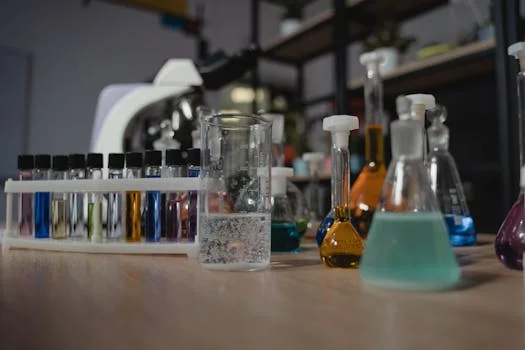
Industrial wastewater treatment is categorized into three distinct stages: primary, secondary, and tertiary, each designed to target specific contaminant profiles found in Bhopal’s industrial effluent. Primary treatment focuses on the physical and chemical removal of large solids and oils. This typically involves a Rotary Mechanical Bar Screen to catch debris, followed by a High-Efficiency Sedimentation Tank. For industries dealing with high concentrations of fats, oils, and grease (FOG), such as food processing or automotive components, high-efficiency DAF systems for industrial effluent are utilized to float and skim off surface contaminants effectively.
Secondary treatment addresses dissolved organic matter through biological processes. In Bhopal’s manufacturing sector, aerobic treatments are common for BOD reduction. The advanced MBR wastewater treatment for industrial reuse combines conventional activated sludge treatment with membrane filtration. This technology is particularly effective for facilities with limited space, as it eliminates the need for secondary clarifiers while producing an effluent quality superior to traditional methods. Anaerobic processes may also be deployed for high-strength organic waste, converting carbon-based pollutants into biogas.
Tertiary treatment provides the final polishing required for environmental discharge or industrial reuse. This stage often involves selecting the best multi-media filter for industrial applications to remove residual suspended particles. For high-purity requirements, such as boiler feed water or process water, an Industrial Reverse Osmosis System is implemented to remove dissolved salts. Finally, disinfection using a Chlorine Dioxide Generator or UV systems ensures the water is free from pathogens before it is recycled or released into the municipal sewage system.
| Treatment Stage | Key Technologies | Primary Target Pollutants | Common Industry Application |
|---|---|---|---|
| Primary | DAF, Sedimentation, Screening | TSS, Oil & Grease, Heavy Solids | Automotive, Food & Beverage |
| Secondary | MBR, Activated Sludge, SBR | BOD, COD, Dissolved Organics | Pharmaceuticals, Textiles |
| Tertiary | RO, Multi-Media Filtration, UV | TDS, Pathogens, Trace Chemicals | Power Generation, Water Reuse |
Key Considerations for Selecting an Industrial Wastewater Treatment Plant in Bhopal
The selection process for an industrial wastewater treatment plant in Bhopal involves several key considerations.Design parameters for a Bhopal-based ETP must begin with a rigorous analysis of the influent wastewater characteristics. Engineers must evaluate the peak flow rate, typically measured in cubic meters per hour (e.g., 300 m³/hour), and the total daily capacity, which for many medium-scale units in Govindpura may reach up to 30 KLD. Variations in pH, temperature, and the specific chemical composition of the effluent dictate the choice of chemical dosing systems and biological cultures. Systems designed without considering these fluctuations often fail to meet MPPCB discharge standards during peak production cycles.
Space availability is a recurring challenge for established industrial units in Bhopal. When surface area is at a premium, compact underground industrial wastewater treatment systems offer a viable alternative, allowing the land above to be used for logistics or storage. The material of construction is a critical factor for longevity; Carbon Steel with specialized epoxy coatings is frequently preferred for its structural integrity and resistance to the corrosive nature of industrial chemicals commonly used in the region's manufacturing processes.
Operational expenditure (OPEX) often outweighs the initial capital investment over the system's lifecycle. A sustainable decision framework must account for energy consumption, chemical costs, and sludge disposal fees. Integrating an MBR wastewater treatment system costs, compliance, and ROI analysis allows procurement specialists to calculate the payback period through water savings. In the context of Bhopal's water scarcity, the ability to reuse 70-80% of treated effluent for cooling towers or floor washing significantly enhances the Return on Investment (ROI).
Finding the Best Industrial Wastewater Treatment Provider in Bhopal
A reliable provider should demonstrate a proven track record within your specific industrial vertical, whether it be chemical manufacturing or heavy engineering. Proximity is a major advantage; a vendor with a local service presence can provide faster response times for emergency repairs and routine maintenance, which is vital for preventing downtime and regulatory violations.
A comprehensive service offering is another hallmark of a quality partner. The provider should be capable of managing the entire project lifecycle, from initial wastewater characterization and custom engineering design to manufacturing, installation, and commissioning. Avoid vendors who offer "one-size-fits-all" solutions without performing a site-specific assessment. Red flags include a lack of transparency regarding component brands (such as pumps and membranes), an inability to provide local case studies, or a failure to guarantee compliance with MPPCB standards in the contract.
When evaluating bids, procurement specialists should look for detailed technical specifications and a clear breakdown of both CAPEX and projected OPEX. This includes the expected lifespan of membranes, the frequency of chemical replenishment, and the degree of automation provided. A partner who understands the local environmental context of Bhopal will also be able to assist with the documentation required for "Consent to Operate" (CTO) renewals, ensuring that the facility remains in good standing with state regulators while optimizing its water management costs.
Frequently Asked Questions About Industrial Wastewater Treatment in Bhopal
What is the Bhopal water crisis and how does it impact industrial wastewater treatment?
The Bhopal water crisis refers to the severe depletion of groundwater and the contamination of local aquifers. For industries, this means fresh water is increasingly expensive and scarce. Effective wastewater treatment allows industries to recycle water for non-potable uses, reducing their reliance on stressed municipal and groundwater sources.
What are the typical costs associated with setting up an industrial wastewater treatment plant in Bhopal?
Costs vary based on flow rate and pollutant load. A system with a capacity of up to 30 KLD can range significantly depending on whether it uses basic physical-chemical processes or advanced MBR/RO technologies. Total cost of ownership should include civil work, equipment, and annual maintenance contracts (AMC).
How do I ensure my industrial wastewater treatment plant complies with MPPCB regulations?
Compliance is ensured by designing the system to meet specific inlet/outlet parameters defined in your Consent to Establish (CTE). Regular laboratory testing of treated effluent and the installation of Online Continuous Effluent Monitoring Systems (OCEMS) for high-discharge units are standard requirements for maintaining compliance.
What are the benefits of water recycling and reuse for industries in Bhopal?
Key benefits include significant reduction in fresh water procurement costs, insulation against seasonal water shortages, improved corporate social responsibility (CSR) profile, and guaranteed compliance with increasingly stringent Zero Liquid Discharge (ZLD) norms.
How long does it take to design and install an industrial wastewater treatment system?
A standard project typically takes between 12 to 24 weeks. This includes the engineering design phase (4 weeks), manufacturing (8-12 weeks), and on-site installation and commissioning (4-8 weeks), depending on the complexity of the civil work and the technology used.