Why Phoenix Transportation Equipment Plants Need Pretreatment
Transportation equipment plants that discharge process wastewater to the City of Phoenix sanitary sewer fall under the City of Phoenix Industrial Pretreatment Program (IPP) and must hold a Wastewater Discharge Permit before any industrial flow enters the collection system. Phoenix maintains two wastewater treatment plants serving a 543-square-mile service area and a population of approximately 1.7 million, and any industrial discharge enters that same collection system (Source: phoenix.gov, "Our Infrastructure"). The IPP's job is to keep those plants and the sewer network from being fouled or pass-through-violated by industrial users.
A facility that meets the definition of a Significant Industrial User (SIU), including any user discharging wastewater from a federally regulated categorical process, is subject to the categorical pretreatment standards in 40 CFR, and the City of Phoenix layers its own local limits on top of those federal ceilings (Source: phoenix.gov, "Wastewater Discharge Permitting"). Transportation equipment manufacturing typically triggers categorical applicability through metal-finishing operations, parts-washing lines, and oily machining or drawing-compound streams. Meeting the pretreatment limits is a prerequisite to obtaining a Phoenix Wastewater Discharge Permit and the only way to avoid pass-through or interference violations that the IPP enforces against the discharger.
The Regulatory Stack: Federal Categoricals + Phoenix Local Limits
Pretreatment compliance for a Phoenix transportation equipment plant is a two-layer problem. The first layer is the federal categorical pretreatment standards at 40 CFR, which set technology-based and concentration-based ceilings for specific industrial categories. The second layer is the City of Phoenix's own local limits, which are tailored to the hydraulic and biological capacity of the city's two wastewater treatment plants and developed under EPA's Maximum Allowable Headworks Loading (MAHL) framework (Source: EPA, "Local Limits Development Guidance," Chapter 1; phoenix.gov, "Wastewater Discharge Permitting"). The local limit can be more restrictive than the federal categorical where the receiving POTW needs headroom, but it cannot be more lenient than the categorical floor.
The MAHL approach follows five steps that Phoenix uses in its local-limits program: (1) identify pollutants of concern, (2) collect and analyze data from the POTW, collection system, and industrial users, (3) calculate MAHLs for each pollutant, (4) designate and implement local limits, and (5) address collection-system concerns such as corrosion, explosive gases, and worker safety (Source: EPA, "Local Limits Development Guidance," Chapter 2.2). Conventional pollutants that local-limits programs typically address include BOD, TSS, ammonia, and oil and grease (Source: EPA, "Local Limits Development Guidance," Chapter 5.3). For a metal-finishing or parts-cleaning operation, heavy metals are almost always part of the pollutant list as well.
On the local side, City of Phoenix Code Chapter 28 is the ordinance that operationalizes these limits, sets permit fees, and defines the enforcement framework. The IPP plan-review contact ([email protected]) and the External Construction Plans Review Checklist are the practical entry points for any new or modified pretreatment system (Source: phoenix.gov, "Wastewater Discharge Permitting"). Submitting to Planning and Development before the IPP has signed off is a common sequencing mistake; the IPP must review the construction drawings and engineering design manuals first.
The Typical Phoenix Pretreatment Train for a Transportation Equipment Plant
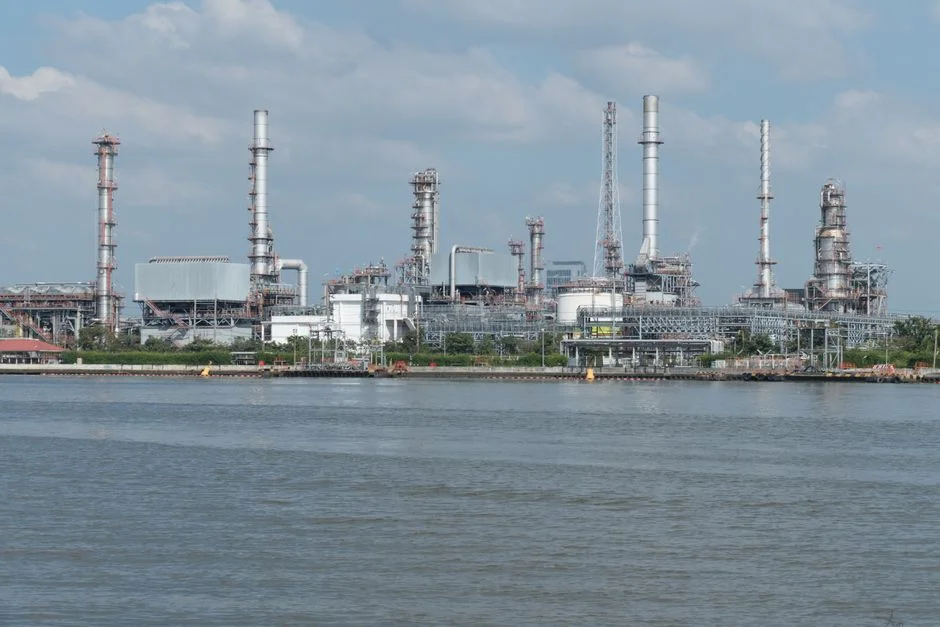
The unit-process train a Phoenix transportation equipment plant puts in front of its permitted sampling point generally runs screen, oil/water separation, dissolved air flotation, chemical precipitation, pH neutralization, and flow metering with a designated sample port. The first step is a coarse screening stage, typically a bar screen or rotary mechanical screen, to strip rags, chips, and tramp material out of the wastewater before it hits the pumps and chemical systems downstream. A rotary mechanical bar screen is the standard headworks protection for any industrial discharger and is consistent with EPA guidance on industrial sampling-location and headworks design (Source: EPA, "Local Limits Development Guidance," Chapter 4).
From screening, the flow moves to oil/water separation as the first polishing step for the oily machining, parts-washing, and drawing-compound wastewater that transportation plants generate. Free oils and settleable solids are removed here, but emulsified oils typically pass through and must be addressed downstream. The next unit operation is a dissolved air flotation (DAF) system, which uses micro-bubbles to float emulsified oils and fine suspended solids so they can be skimmed. Chemical precipitation (typically hydroxide or sulfide-based for dissolved metals) and pH neutralization sit ahead of the DAF or as a side-stream reaction, with an automatic chemical dosing system controlling coagulant, flocculant, caustic, and acid feed rates.
The train closes with a flow meter and a clearly labeled, accessible sample port so the IPP can take compliance samples at the designated location. The IPP requires that the External Construction Plans Review Checklist be satisfied before the project is routed to Planning and Development, and a missing sample port or unverified flow meter is a routine cause of plan-review rejection (Source: phoenix.gov, "Wastewater Discharge Permitting").
Oil & Grease, Metals, and pH: Choosing the Right Primary Separation Step
The right primary separation step depends on the wastewater profile: influent oil & grease concentration, total suspended solids, and whether the stream carries emulsifiers from parts-washing detergents. The IPP requires this characterization in the design submittal (Source: EPA, "Local Limits Development Guidance," Chapter 4). An oil/water separator handles free oil and gross solids economically; a DAF breaks emulsified oil and floats colloidal metal-bearing solids; a lamella clarifier gives higher solids throughput in a small footprint but does little for emulsified oil without chemistry upstream.
| Parameter | Oil/Water Separator | Dissolved Air Flotation (DAF) | Lamella Clarifier |
|---|---|---|---|
| Best influent stream | Free oil, settleable solids | Emulsified oil, colloidal metals, fine TSS | Higher TSS, lower oil |
| Primary removal target | Free oil and gross solids | Emulsified oil and floated TSS | Settleable TSS |
| Footprint | Compact for low flow | Moderate; needs recycle pump and saturator | Small for given TSS capacity |
| Chemical demand | Low | Moderate; benefits from coagulant/flocculant | Moderate; flocculant-assisted |
| Typical role in this train | Pre-polish before DAF | Workhorse for emulsified streams | Back-up or tertiary solids step |
For most transportation equipment plants, a DAF is the workhorse because the stream is routinely emulsified by parts-washing detergents and carries colloidal metal-bearing solids from machining and surface treatment. The dissolved air flotation (DAF) system is paired with chemical precipitation and pH adjustment upstream so metals are converted to settleable or floatable hydroxides and the emulsion is destabilized before it reaches the flotation cell. A lamella clarifier can sit downstream of the DAF for polishing solids, but it is not a substitute for DAF when emulsified oil is present. A rotary mechanical bar screen ahead of the DAF protects the recycle pump and air-saturation system from rags and chips, which prevents unplanned downtime in fabricated-metal and transportation plants.
Working with the Phoenix IPP: Permitting and Plan Review Workflow
The IPP's required sequencing is the single biggest schedule risk for a new pretreatment system. The correct order is: (1) confirm SIU status using the City's permitting flowchart; (2) complete the Wastewater Discharge Permit application; (3) submit construction drawings and the engineering design manual to the IPP using the External Construction Plans Review Checklist; and (4) submit to Planning and Development (Source: phoenix.gov, "Wastewater Discharge Permitting"). The IPP must approve the pretreatment design before any building permit is issued.
Permit reviews are subject to State Law time-frame limits under A.R.S. § 9-835, which caps the number of business days the City of Phoenix has to act on the project, and that cap is a useful lever when scheduling equipment delivery and construction (Source: phoenix.gov, "Wastewater Discharge Permitting"). Early engagement with [email protected] and the listed contact ([email protected]) lets the design engineer vet sizing assumptions and unit-process selections before the drawings are sealed.
Ongoing compliance is verified by IPP sampling at the permitted sampling point, which is why flow metering and an accessible, clearly labeled sample port are non-negotiable parts of the engineering design. A missing or inaccessible sample port will surface again at every compliance inspection, not just at plan review.
Frequently Asked Questions
How is Significant Industrial User status determined, and how long does IPP plan review take?
SIU status is confirmed by following the City of Phoenix permitting flowchart and the criteria on the Wastewater Discharge Permitting page; federally regulated categorical processes under 40 CFR are explicitly listed as SIU triggers (Source: phoenix.gov, "Wastewater Discharge Permitting"). Permit review timelines are capped by the State Law time-frames in A.R.S. § 9-835, so a buyer should request the City's published day-count summary at the start of the project and build the equipment-delivery and construction schedule backward from that cap (Source: phoenix.gov, "Wastewater Discharge Permitting").
What does a DAF-based pretreatment skid cost, and how is it sized for oil & grease removal?
Budget quotations for DAF skids must be tied to design flow (gpm), peak influent oil & grease (mg/L), and target effluent oil & grease (mg/L). Sizing should be driven by the characterization data the IPP requires at plan review: design flow, influent oil & grease, TSS, and the metals profile, with chemical precipitation and pH adjustment sized to the same data set (Source: EPA, "Local Limits Development Guidance," Chapter 4). A useful pre-purchase check is to ask vendors for a performance curve at the project's design oil & grease loading and to confirm that the recycle pump, air saturator, and skimmer are matched to that loading.
Does an existing unpermitted plant have to stop discharging immediately?
An unpermitted industrial discharger is out of compliance the moment industrial wastewater enters the Phoenix sanitary sewer, so a buyer must engage [email protected] and stop or contain non-conforming discharges while the Wastewater Discharge Permit application is being processed (Source: phoenix.gov, "Wastewater Discharge Permitting"). Best Management Practices such as spill containment, dedicated process-wastewater piping, and segregated domestic versus industrial streams are typically expected during the application window so the IPP can evaluate real discharge data (Source: EPA, "Local Limits Development Guidance," Chapter 6.6).
What chemical dosing package is needed upstream of the DAF?
The chemical package is dictated by the influent metals and pH, so a buyer must submit a representative wastewater characterization (metals, oil & grease, TSS, pH, alkalinity) to the dosing-system vendor before the skid is specified. In practice, the upstream package includes coagulant for emulsion breaking, flocculant for floc formation, caustic or acid for pH adjustment to the metal-precipitation optimum, and a sulfide or hydroxide source for dissolved metals, all controlled by an automatic chemical dosing system with flow-paced set points.