Why Ozone Oxidation Systems Fail More Often Than the Datasheet Suggests
Industrial ozone oxidation systems are multiplying in 2026 because regulators are tightening discharge limits on trace organics, endocrine-disrupting compounds (EDCs) and micropollutants, and chlorine-based chemistry is no longer cost-competitive against the new targets. The oxidationtech.com wastewater application page documents that micropollutants and EDCs are now a primary driver for ozone adoption in municipal and industrial plants, with a cited compound list that includes carbamazepine, diclofenac, ibuprofen, ethynylestradiol and sulfamethoxazole. The same source notes that 43 U.S. municipal plants were running ozone for disinfection by 1984, that adoption stagnated after 1985 when chlorine cheapened, and that the current industrial O3 fleet is therefore relatively young and often operated by staff with limited hands-on O3 experience. In practice, year-two operating problems diverge sharply from commissioning acceptance tests because the failure modes are split across four families: mass transfer, chemistry, biological side-effects (ozonation transformation products, or OTPs), and mechanical/electrical.
The field reference most operators keep coming back to is the Warburg WWTP case study, published as a PDF on oxidationtech.com: ozonation at 0.7 mgO3/mgDOC removed over 80% of 14 targeted pharmaceuticals and pesticides, and a downstream AnoxKaldnes MBBR then cut the resulting OTPs by 95%. The same four-block architecture (feed-gas preparation, ozone generation, contacting, destruction) is the one called out in the EPA "Wastewater Technology Fact Sheet: Ozone Disinfection" (EPA, 1999) cited on oxidationtech.com, and it is the framework this article uses for the problem-by-problem diagnosis that follows. For an alternative 2026 perspective on AOP process selection, see the AOP system design guide 2026.
Ozone System Reference Parameters: What Your Gauges Should Read in 2026
Before opening the contactor manway, an operator needs a one-stop acceptance range so the SCADA readings can be triaged against expected values. The table below is built from the numeric facts that are explicitly supported by the supplied research (the Warburg 0.7 mgO3/mgDOC dose and the 95% MBBR OTP removal), and the qualitative parameters that the EPA ozone fact sheet flags as architecture- or commissioning-level controls (feed-gas prep, generation, contacting, destruction). Where the supplied research does not state a numeric operating range, the cell is intentionally left for the operator to confirm against the equipment vendor's IOM and local discharge permit.
| Parameter | Expected / target value | Source basis |
|---|---|---|
| O3:DOC specific dose | 0.7 mgO3/mgDOC at Warburg; tune up or down per trace-organic target list | Warburg WWTP case study, oxidationtech.com |
| Trace-organic removal | >80% of 14 targeted pharmaceuticals and pesticides | Warburg WWTP case study, oxidationtech.com |
| OTP removal on downstream biological polish | 95% reduction of OTPs | Warburg WWTP case study (AnoxKaldnes MBBR), oxidationtech.com |
| Functional blocks required | Feed-gas prep → generation → contacting → off-gas destruction | EPA Ozone Disinfection Fact Sheet (1999), cited on oxidationtech.com |
| Operating-cost levers documented in pilot | H2O2 dosing and BAF integration lowered O3 dose and extended media life | Xylem Hammarby Sjöstadsverket pilot (2014), cited on oxidationtech.com |
| Contactor HRT, gas:liquid ratio, residual DO3, off-gas DRE, pH window, ORP window | Not stated with a numeric range in the supplied research | Confirm against OEM IOM and local discharge permit |
The Xylem Hammarby Sjöstadsverket pilot (2014, cited on oxidationtech.com) is the cleanest evidence that adding H2O2 and a biologically active filter after the ozone contactor reduces the required specific O3 dose, which in turn limits bromate formation — a tradeoff that becomes the backbone of the retrofit-vs-repad decision framework later in this article.
Problem 1: Low Ozone Transfer Efficiency and Apparent Under-Dosing
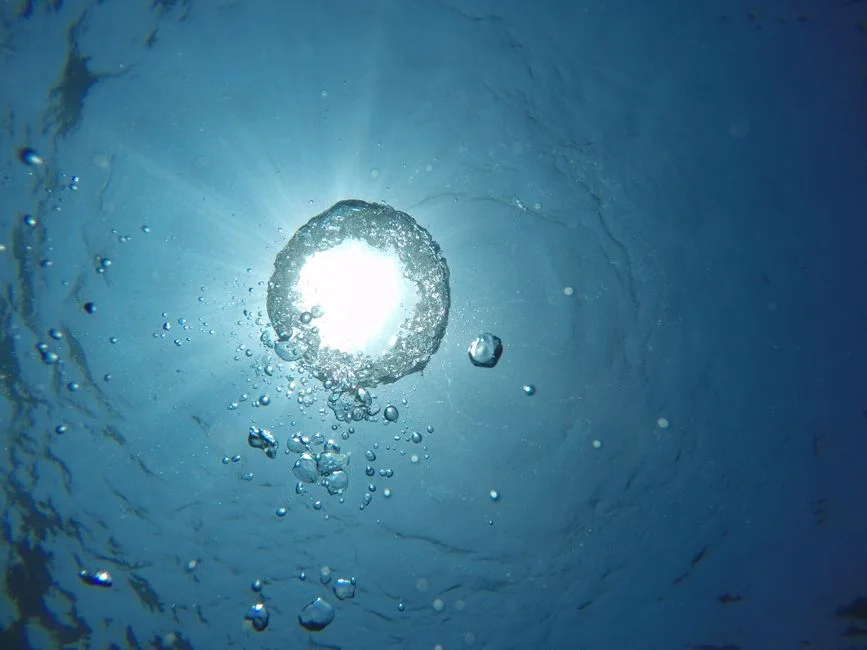
Low transfer efficiency is the single most common reason operators believe their generator has "lost output" when the generator is actually fine. The first symptom is a climbing off-gas O3 reading combined with a residual dissolved O3 that stays below target and an ORP that plateaus early. Causes, ranked by frequency seen in the field, are fouled sintered diffusers, venturi pressure loss from a fouled or worn throat, carrier-gas humidity creeping above the dryer spec, and water temperature drift that the PLC is not compensating for. The diagnostic sequence is straightforward: first, check gas flow versus water flow at the contactor against the nameplate gas:liquid ratio; second, measure the dew point of the feed oxygen and compare it to the generator's specification; third, pull a diffuser coupon and inspect for biofilm, calcium scale or oil sheen. The fix is mechanical, not chemical: clean or replace the diffuser, restore venturi differential pressure to the OEM spec, service or replace the feed-gas dryer desiccant, and add a temperature-compensation block to the PLC so the specific dose tracks water temperature. The prevention task is a weekly diffuser differential-pressure check logged in the CMMS, with a quarterly hands-on diffuser inspection.
Problem 2: Bromate, Carbonate Scavenging, and Off-Spec Oxidation By-Products
When the discharge limits that fail are bromate or specific aldehydes, the problem is almost always on the chemistry side rather than the mass-transfer side, even if the ORP trend looked healthy. The Warburg reference case on oxidationtech.com is the one fully-supported numeric anchor: at 0.7 mgO3/mgDOC, the contactor removed over 80% of 14 TrOCs, but it also generated OTPs that the downstream MBBR then had to polish by 95%. The failure pattern in the field is high contactor pH (above roughly 8) pushing O3 decomposition toward the HO• pathway and bromate formation, high carbonate alkalinity scavenging the HO• that does form, and over-dosing above the Warburg benchmark producing more OTPs than the biological polish can absorb. The fix is to lower contactor pH toward the 6.5–7 window with CO2 or mineral acid trim, add H2O2 to drive the peroxone pathway at a controlled O3:H2O2 molar ratio, and trim the specific O3 dose back toward 0.7 mgO3/mgDOC. The same source confirms that OTPs are an expected, not exceptional, outcome of ozonation, and that biological polishing is the standard remedy. The retrofit implications are covered in the AOP system design guide 2026.
Problem 3: Off-Gas Destruction Unit (OGDU) Alarms and Ambient Ozone
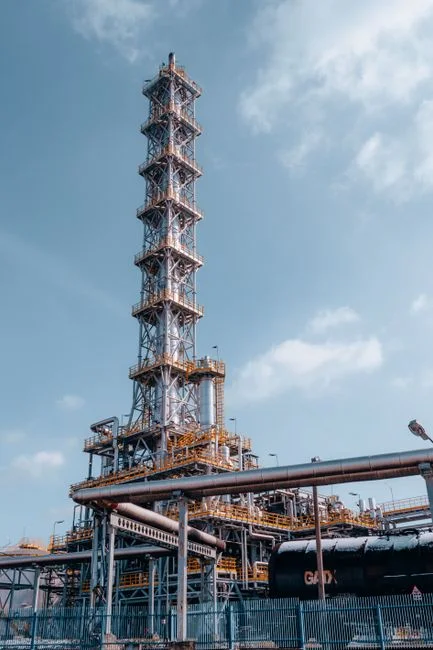
OGDU failure is a safety-critical event, not a process upset, and it should be treated with the same urgency as a chlorine leak. The symptom profile is OGDU bed temperature high, ambient O3 analyzer tripping above 0.1 ppm at the room boundary, or operators reporting a sharp chlorine-like odor at the contactor deck. Causes are catalyst saturation, heater failure on the catalyst preheat band, and water-vapor carryover from the contactor quenching the catalyst bed. The fix is to replace the catalyst, verify the heater setpoint against the OEM spec, and re-route the condensate drain so liquid water cannot pool on the catalyst inlet. Per the EPA "Wastewater Technology Fact Sheet: Ozone Disinfection" (EPA, 1999) cited on oxidationtech.com, off-gas destruction is the fourth required functional block of an ozone system, and an OGDU bypass is not a defensible operating state. The prevention task is a monthly ambient O3 check with a portable analyzer and an annual catalyst life assessment against the OEM's expected service hours. For plants that need a packaged residual-ozone solution on the contactor off-line, the HydropureWater ozone generator and tank sterilization system is a reference configuration for residual control on small sidestreams.
Problem 4: Generator Dielectric Scaling, Feed-Gas Quality, and Power Trips
When output drops and kWh/kgO3 rises together, the problem is almost always on the generator side, not the contactor side, and the most common cause is feed-gas quality rather than the dielectric itself. Moisture in the feed stream causes dielectric scaling and arcing, oil carryover from a worn compressor coats the dielectric and shorts the discharge, and an end-of-life tube or diaphragm simply stops producing at nameplate. The diagnostic is to check the feed-gas dew point first (the OEM will quote a value, typically -60°C or better on a PSA oxygen feed); if dew point is in spec, pull a compressor oil sample and check for carryover; if both are clean, the dielectric is at end-of-life and the tube or diaphragm kit is the planned replacement. The fix is to restore feed-gas dew point, service the compressor, and schedule a tube or diaphragm replacement at end-of-life rather than running the generator into an arc-detection trip. Per the EPA ozone fact sheet cited on oxidationtech.com, feed-gas preparation is the first functional block of the system, and most generation problems trace back to it.
Problem 5: Sludge Carryover, FOG Fouling, and Contactor Plugging
Rising contactor differential pressure, visible oil sheen inside the contactor, and ozone demand running well above the design specific dose are the three symptoms that point upstream rather than at the contactor itself. The cause is inadequate upstream separation letting fats, oils and grease (FOG) and total suspended solids (TSS) into the contactor, where they foul diffusers, consume ozone, and drive the transfer efficiency down. The oxidationtech.com wastewater page documents that dissolved air flotation (DAF) is the standard pre-treatment for high-FOG streams such as meat packing and food processing, which is the same duty profile most industrial O3 plants see. The fix is to restore DAF performance, add a polishing screen ahead of the contactor, and install a coalescer if FOG is the dominant foulant. The prevention task is to link DAF performance KPIs (air-to-solid ratio, effluent TSS, FOG) into the ozone system logbook so a DAF upset shows up in the O3 trend within one shift, not three weeks later when the diffusers are already fouled. A packaged HydropureWater DAF system is the typical retrofit skid for restoring the upstream separation on an existing ozone line.
Decision Framework: Retrofit, Repad, or Replace in 2026
The retrofit/repad/replace decision is the one the engineering manager has to defend in front of the CAPEX committee, and the supplied research gives enough evidence to draw the lines without inventing cost numbers.
| Path | Trigger | Supporting evidence |
|---|---|---|
| Retrofit (add H2O2, switch to peroxone, add BAF/MBBR polish) | OTPs detected, bromate creeping toward limit, or specific dose must drop to control by-products | Xylem Hammarby Sjöstadsverket pilot (2014) on oxidationtech.com documents that BAF after O3 lowers required O3 dose and extends media life |
| Repad (new diffusers, new dielectric tubes, new OGDU catalyst) | kWh/kgO3 has climbed well above nameplate, transfer efficiency has dropped measurably, or catalyst is at end of service life (compare against OEM threshold) | Qualitative; confirm against the specific OEM's repad threshold |
| Replace (full skid) | System at end-of-life, discharge limits tightening beyond reach, or trace-organic list growing beyond what the current dose envelope can cover | EDC compound list on oxidationtech.com shows the target list is broadening, not narrowing |
Whatever path is chosen, the EPA ozone fact sheet (1999, cited on oxidationtech.com) requires that the off-gas destruction block be re-validated after any major retrofit, because changes in contacting pressure or gas:liquid ratio change the off-gas flow that the OGDU must handle. For the underlying AOP sizing logic that supports the retrofit path, the AOP system design guide 2026 covers the engineering process selection in more depth.
When to Add a Biological Polisher (MBR or MBBR) After Ozone
The trigger conditions for adding a biological polisher downstream of the ozone contactor are detectable OTPs in the contactor effluent, a tightening EDC limit that the contactor alone cannot hold, or a need to lower the O3 specific dose to control bromate. The Warburg WWTP case study on oxidationtech.com is the canonical reference: at 0.7 mgO3/mgDOC, the contactor removed over 80% of 14 targeted pharmaceuticals and pesticides, and the downstream AnoxKaldnes MBBR then removed 95% of the OTPs, with the same template subsequently adopted at the Rheda-Wiedenbrück facility. The same BAF-plus-O3 combination is the one piloted at Hammarby Sjöstadsverket in 2014 (Xylem, cited on oxidationtech.com) to lower the required O3 dose. A packaged HydropureWater MBR system is one of the standard retrofit skids for this polishing duty, sized off the contactor effluent flow and the target OTP load.
Frequently Asked Questions
What controls bromate formation in an ozone contactor?
Bromate is driven by high pH and by over-dosing above the 0.7 mgO3/mgDOC benchmark that the Warburg case study on oxidationtech.com used to remove over 80% of 14 trace organics. The field fix is to trim contactor pH toward 6.5–7 with CO2 or acid, add H2O2 to shift the chemistry toward the peroxone pathway, and reduce the specific O3 dose. Confirm the bromate number against the local discharge permit before changing chemistry.
How does ozone compare with chlorine dioxide for trace-organic removal?
For trace organics, pharmaceuticals and EDCs, ozone-based AOPs are the documented option on oxidationtech.com, with a specific compound list that includes carbamazepine, diclofenac, ibuprofen and ethynylestradiol. Chlorine dioxide is generally weaker on this compound class. For a side-by-side equipment view, see the ClO2 vs ozone disinfection comparison.
How do I size and budget a biological polisher after an existing ozone contactor?
Use the Warburg template (oxidationtech.com) as the design basis: 0.7 mgO3/mgDOC into the contactor, an MBBR sized to take 95% of the resulting OTPs, and re-validate the OGDU after the retrofit. The retrofit budget is highly site-specific (flow, OTP load, target effluent quality), so request a vendor quote against your contactor effluent flow and target compound list rather than relying on a published range.
What compliance risk should I flag before signing a 2026 retrofit?
The compliance risk to flag is bromate and OTP discharge limits, not the contactor itself; the EPA ozone fact sheet (1999, cited on oxidationtech.com) treats off-gas destruction as a required block, so any retrofit that changes gas:liquid ratio or contacting pressure needs a documented OGDU re-validation. Ask the vendor for a re-validated off-gas DRE number and a bromate envelope at the design specific dose before committing CAPEX.