Why CASS Plants Fail: The Real Operating Picture in 2026
The foam is back, the effluent is cloudy, and the cycle is off — that is the daily reality on a CASS (Cyclic Activated Sludge System) or SBR (Sequencing Batch Reactor) plant, and the diagnostic lever no one talks about is the cycle phase. Failures in CASS reactors are almost always failures in a specific phase: a fault that appears during fill, react, settle, or decant points to a different root cause and demands a different fix. Municipal wastewater operations consume roughly 30 TWh of electricity per year in the U.S., and energy can reach 40% of a plant's annual operating budget (U.S. DOE figures cited by JWC Environmental, 2023) — so every minute the DO setpoint runs high, or the react phase overruns, is a minute of wasted power and, often, an off-spec effluent event that the EPA's 70,000 impaired U.S. water bodies list (cited by JWC, 2023) makes regulators unwilling to tolerate.
The normal operating envelope that anchors every diagnostic in this article is: MLSS 2,500–5,000 mg/L, SVI 80–150 mL/g, DO 1.5–2.5 mg/L in the react phase, F:M 0.05–0.15 kg BOD/kg MLSS·d, and a total cycle of 4–6 hours with a 30–60 minute settle. If any one of those numbers is outside its range when a fault appears, the operator has both the diagnosis and the corrective action before the senior engineer arrives.
Symptom-to-Solution Map: The 7 Most Common CASS Problems
Map the symptom to the cycle phase first; the cause follows. The table below is the diagnostic core of this guide — print it, pin it to the control panel, and use it before re-tuning the PLC.
| Symptom | Cycle phase observed | Most likely cause | How to verify | Corrective action |
|---|---|---|---|---|
| Filamentous foaming (thick, brown, stable) | React | MLSS above 5,000 mg/L; F:M below 0.05 | SV30 + SVI calculation; microscopic exam for Nocardia/Type 1863 | Waste to bring MLSS to 4,000 mg/L; chlorinate RAS at 2–3 mg/L for 24 h |
| Sludge washout on decant | Decant | Settle phase under 30 min or decant rate above 1.5 m/h | Effluent TSS; blanket depth vs. weir height | Extend settle to 45 min; lower floating decant weir |
| Rising sludge post-settle | Settle (within 30 min) | Denitrification in the blanket (NO3-N above 20 mg/L) | Supernatant nitrate test | Shorten react by 30 min; insert 15-min anoxic idle before settle |
| Ammonia slip (NH3-N above 5 mg/L) | React | DO below 1.5 mg/L; or temperature below 12 °C | Handheld DO probe at three basin points mid-react | Raise airflow 10–20%; check air-scour diffusers for fouling |
| Nitrate kick-through (NO3-N above 20 mg/L, NH3-N below 1 mg/L) | React (end) | React phase too long for current BOD loading | Effluent NO3-N and NH3-N | Trim aeration timer to leave 1–2 mg/L NH3-N residual at end-react |
| Cloudy supernatant (normal SVI) | Decant | Pin floc from surface aerators or decanted sludge blanket | 1-L 30-min settle test | Reduce surface mixer speed; decant from top 20% only |
| Decanter carry-over (floating debris, weirs leaking) | Decant | Seal failure; fouled boot; misaligned swivel | Visual inspection of the weir during decant | Clean decanter boot; replace seal before adjusting cycle |
Problem 1: Filamentous Foaming and Bulking Sludge
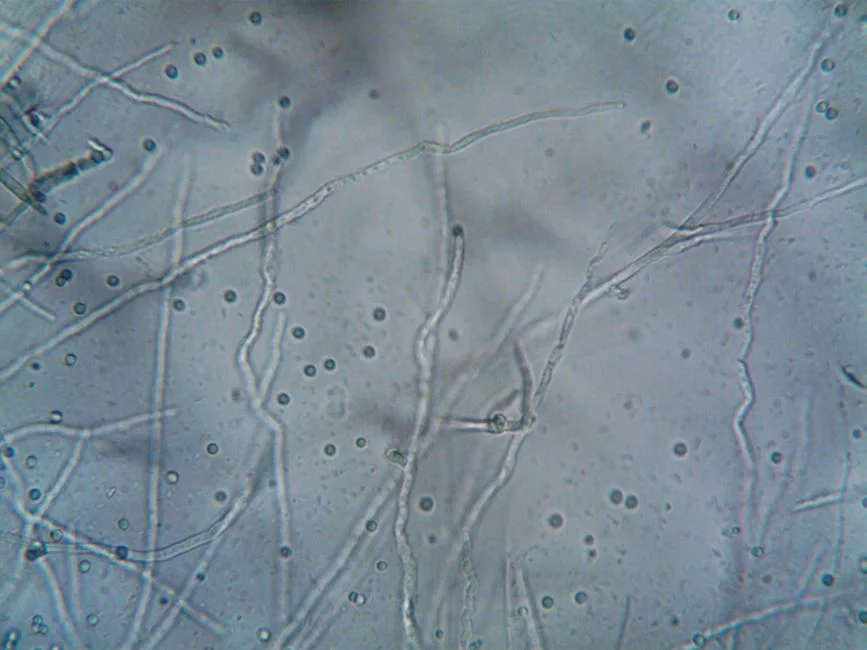
Foam that is thick, brown, and stable in the react phase is almost always a filament overgrowth — Nocardia or Type 1863 — and the cause is one of two parameter breaches: MLSS above 5,000 mg/L or F:M below 0.05 kg BOD/kg MLSS·d. Run a 1-L settle test (SV30) and calculate SVI = (SV30 × 10,000) / MLSS; an SVI above 150 mL/g confirms bulking and rules out hydraulic washout.
The targeted fix is chlorination of the RAS line at 2–3 mg/L for 24 hours, which suppresses filaments without killing floc-formers, combined with increased wasting to bring reactor MLSS back to 4,000 mg/L. If the foam is white and billowing rather than brown, the cause is usually surfactant shock or low F/M — verify influent BOD and add a 15-minute anoxic selector fill to outcompete the filaments. When coarse fibre in the influent is stabilising the foam blanket, an upstream Rotary Mechanical Bar Screen (GX Series) removes the carrier material before it reaches the basin and gives the chlorination dose a chance to work.
Problem 2: Sludge Washout and Decanter Failures
Washout has two distinct causes and the operator must separate them before touching a timer. Hydraulic washout happens when the decant rate exceeds 1.5 m/h or the floating weir is set too low — the SVI can be perfectly normal and solids still leave with the supernatant. Biological washout happens when the sludge blanket has risen to within 30 cm of the decant weir because settle time is under 30 minutes; extending settle to 45 minutes is the standard 2026 correction.
Mechanical decanter faults (failed seal, fouled boot, misaligned swivel) are diagnosed by visual inspection of the weir during decant — clean or replace before adjusting cycle time, because no amount of timer tuning will fix a leaking boot. A single washout event can drop basin MLSS by 200–400 mg/L; recalculate F:M after the event and reduce wasting for one SRT to recover the inventory before resuming normal wastage.
Problem 3: Ammonia Slip and Denitrification Failure
Ammonia slip above 5 mg/L NH3-N in the effluent means the react-phase DO has dropped below 1.5 mg/L, or the mixed-liquor temperature is below 12 °C and nitrifier activity has roughly halved. Verify with a handheld DO meter at three points in the basin mid-react; if the average is below 1.5 mg/L, raise airflow 10–20% and check the air-scour diffuser for fouling — a fouled diffuser can lose 30–50% of its transfer efficiency before any pressure drop is visible on the manifold.
Nitrate kick-through is the mirror-image problem: effluent NO3-N above 20 mg/L with NH3-N already below 1 mg/L means the react phase is too long for the current BOD loading. Trim the aeration timer so a residual NH3-N of 1–2 mg/L remains at end-react — that residual confirms the nitrifiers are still working and the denitrification phase has substrate left to consume. When DO and temperature are both normal yet ammonia still slips, screen the influent for the emerging contaminants flagged by USGS and the CDC — PFAS, antibiotics, steroid hormones, and surfactants — which suppress nitrifier populations even at low concentrations (per USGS and CDC data cited in JWC, 2023). For a permanent polishing step in cases of chronic ammonia breakthrough, retrofitting to an MBR Membrane Bioreactor Wastewater Treatment System reduces effluent NH3-N variability and gives operators a second barrier; a full MBR retrofit is also worth weighing against the conventional CASS upgrade path, as detailed in this side-by-side comparison of MBR vs conventional activated sludge for high-strength food and beverage influent.
Problem 4: Rising Sludge and Cloudy Supernatant
Rising sludge that appears within 30 minutes of the settle phase ending is denitrification in the blanket: NO3-N is converting to N2 gas and lifting the floc off the floor. The fix is to shorten the react phase by 30 minutes or insert a 15-minute anoxic idle before settle, so the nitrate is consumed before the sludge has a chance to blanket. Cloudy supernatant with a normal SVI and no rising sludge points the other direction — pin floc from over-aeration or a surfactant slug in the influent. Reduce surface mixer speed, decant from the top 20% only, and confirm the influent surfactant load. A 30-minute settle test in a 1-L graduated cylinder reproduces the field issue in roughly 90% of cases; run it before changing any cycle timer, because a cycle change made on the wrong diagnosis costs an entire SRT to undo.
CASS Operating Parameter Reference Table
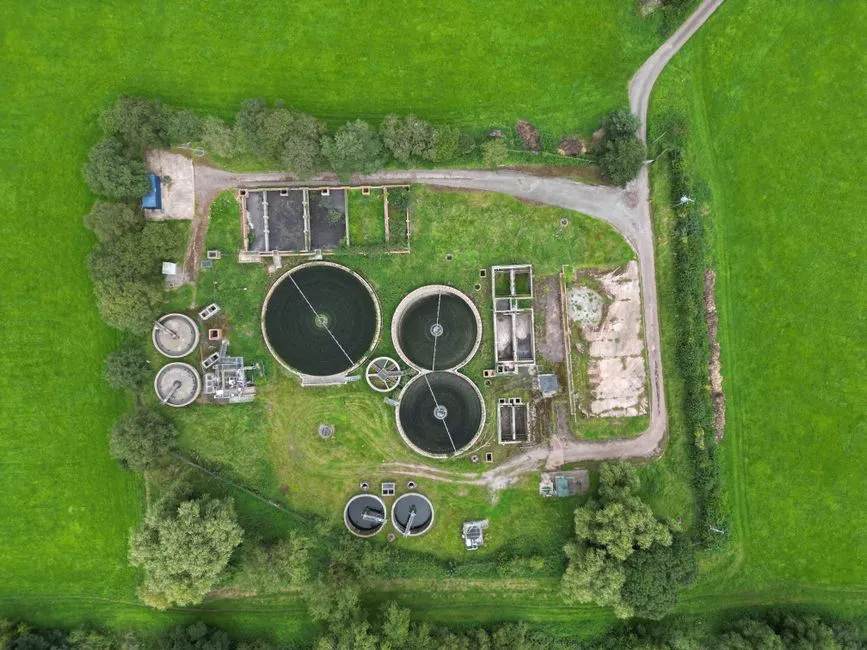
Pin this to the control panel. Every alarm below ties directly to a symptom in the troubleshooting table above.
| Parameter | Normal range | Alarm low | Alarm high | Symptom when breached |
|---|---|---|---|---|
| MLSS (mg/L) | 2,500–5,000 | <2,500 (washout risk) | >5,000 (foaming, O2 transfer loss) | Foaming, poor settle |
| SVI (mL/g) | 80–150 | <80 (pin floc) | >150 (bulking) | Bulking, washout |
| DO in react (mg/L) | 1.5–2.5 | <1.5 (ammonia slip) | >2.5 (energy waste, pin floc) | Ammonia slip / rising sludge |
| F:M (kg BOD/kg MLSS·d) | 0.05–0.15 | <0.05 (filaments) | >0.15 (poor nitrification) | Foaming / ammonia slip |
| Settle time (min) | 30–60 | <30 (washout) | >60 (lost react time) | Washout |
| Decant rate (m/h) | <1.5 | — | >1.5 (hydraulic washout) | Washout |
| Cycle length (h) | 4–6 | <4 (no nitrification) | >6 (energy waste) | Ammonia slip or kick-through |
| SRT (days) | 10–25 | <10 (nitrifier washout) | >25 (old sludge, foaming) | Foaming / ammonia slip |
Reminder of the economic case: with energy at up to 40% of a municipal plant's annual OpEx (JWC, 2023), a DO setpoint of 3.0 mg/L instead of 2.0 mg/L is not "safer" — it is roughly 50% more blower power for no measurable effluent improvement, and a guaranteed rise in pin-floc complaints within one SRT.
Preventive Monitoring Checklist for 2026
This is the 5-minute daily routine that prevents the seven faults above from ever reaching the effluent. Daily (5 min total): DO mid-react at three points and average; SV30 in a 1-L graduated cylinder; effluent NH3-N on a handheld photometer. Weekly: calculate SVI trend from the week's SV30 data; visual decanter inspection during one full cycle; MLSS probe calibration against a laboratory TSS. Monthly: full cycle-time audit against influent flow; air-scour diffuser pressure check against the clean-baseline ΔP; SRT calculation against observed yield. If any single alarm trips twice in a 72-hour window, default to the symptom-to-solution map rather than re-tuning the PLC — two trips is a trend, and the cause is almost certainly in the table above, not in the controller logic. When the trend is a rising solids load or a chronic surfactant issue that no cycle change will fix, dose control with a HydropureWater automatic chemical dosing system stabilises nutrient removal and protects downstream Plate and Frame Filter Press performance by tightening the sludge feed; for plants rebuilding their water-reuse line, the same control philosophy extends to RO system design parameters and to sludge dryer installation and commissioning downstream of dewatering.
Frequently Asked Questions
What causes filamentous foaming in a CASS reactor?
Filamentous foaming in a CASS reactor is caused by Nocardia or Type 1863 overgrowth when MLSS rises above 5,000 mg/L or F:M drops below 0.05 kg BOD/kg MLSS·d. Confirm with an SVI above 150 mL/g and a microscopic exam, then chlorinate the RAS at 2–3 mg/L for 24 hours and waste down to 4,000 mg/L MLSS.
How do I stop sludge washout during decant?
Sludge washout during decant is stopped by extending the settle phase to 45 minutes and lowering the floating weir so the decant rate stays under 1.5 m/h. If washout continues with a normal SVI, inspect the decanter boot and seal for mechanical failure before changing any cycle timer.
Why is ammonia slipping in the effluent when DO looks normal?
Ammonia slips with a normal DO setpoint when mixed-liquor temperature drops below 12 °C (nitrifier activity halves), when the air-scour diffuser is fouled and actual transfer efficiency is low, or when influent contains nitrification-suppressing contaminants such as PFAS, antibiotics, or steroid hormones. Verify transfer efficiency with a clean-water DO probe test and screen the influent for emerging contaminants.
What cycle time should a CASS reactor run?
A CASS reactor should run a 4–6 hour total cycle with a 30–60 minute settle phase, a 1.5–2.5 mg/L DO setpoint in the react phase, and a 10–25 day SRT. Shorter cycles lose nitrification; longer cycles waste energy without improving effluent.
How do I tell rising sludge from cloudy supernatant?
Rising sludge lifts the blanket within 30 minutes of settle ending and is caused by denitrification (NO3-N above 20 mg/L converts to N2 gas); cloudy supernatant with a normal SVI is pin floc from over-aeration or surfactant shock. A 1-L 30-minute settle test reproduces the field issue and confirms which one is present before any timer is changed.