Why a Cheap Wastewater Treatment System Still Loses to H2S
A corroded headworks slab and a neighbor's odor complaint are the same problem: dissolved hydrogen sulfide, generated the moment a sewer or pump station goes anaerobic. Per EPA 625/1-85/018, sulfate-reducing bacteria convert SO₄²⁻ plus organic matter to S²⁻ whenever dissolved oxygen drops below the 0.1–1.0 mg/L critical band; the sulfide then picks up protons to form H₂S. The odor threshold for H₂S is 0.00047 ppm (EPA Table 2-1), which is why a single mg/L of dissolved sulfide can drive dozens of complaints a day during a warm summer week.
The corrosion mechanism is biological and slow until it is fast. H₂S escapes the water into the headspace above the waterline, lands on moist concrete, and is oxidized by Acidithiobacillus-type bacteria into H₂SO₄, dropping the surface pH below 2 (per EPA 625/1-85/018 §2.4). At that pH, ordinary concrete dissolves at roughly 1–2 mm/year. The kicker is solubility: H₂S dissolves in wastewater at 3,000–4,000 mg/L (EPA Table 2-3), so the load sits in the liquid and only becomes an "air problem" when turbulence, drops, or weirs release it. That is why a $20,000 carbon polish never fixes a $200,000 headworks rebuild — the source is in the water, not in the vent.
The Four Numbers That Decide Whether Odor Control Is Cheap or Expensive
Plant managers need four SCADA-readable values to determine the most affordable wastewater treatment systems odor corrosion reduction strategy. These parameters, referenced by the EPA manual and USP Technologies, determine whether a project lands under $50,000 or over $1 million.
| Parameter | Critical threshold | Control target | What it drives |
|---|---|---|---|
| Dissolved oxygen (DO) | 0.1–1.0 mg/L — sulfate reduction begins (EPA 625/1-85/018 §2.3.2.3) | > 1.0 mg/L sustained | Whether biology generates sulfide at all |
| pH | < 7.0 — H₂S dominates over HS⁻ (EPA Figure 2-3) | 7.5–8.0 in liquid phase | Fraction of sulfide that escapes as gas |
| Temperature | Arrhenius coefficient in Pomeroy–Parkhurst equation; 10 °C rise roughly doubles flux | Cooler = less release; warmer = more | Seasonal dose sizing and material selection |
| Dissolved sulfide (mg/L) | > 0.1 mg/L — odor risk; > 5 mg/L — corrosion risk | < 0.1 mg/L at headworks | H₂O₂ dose at 1.2–1.5 parts per part sulfide (USP Technologies) |
| Detention time in force main | > 2–3 hours — elevated H₂O₂ demand (USP Technologies) | < 2 hr where possible | Reactor sizing and booster-station placement |
If DO is above 1.0 mg/L and dissolved sulfide is below 0.1 mg/L, the problem is mechanical (turbulence, drops) rather than chemical, rendering a scrubber unnecessary. If dissolved sulfide exceeds 2–5 mg/L with more than three hours of upstream detention, chemistry alone will struggle, and the conversation must shift toward material upgrades. The following decision tree relies on these parameters.
Option 1 — Chemical Dosing: H2O2, Iron Salts, and Nitrate
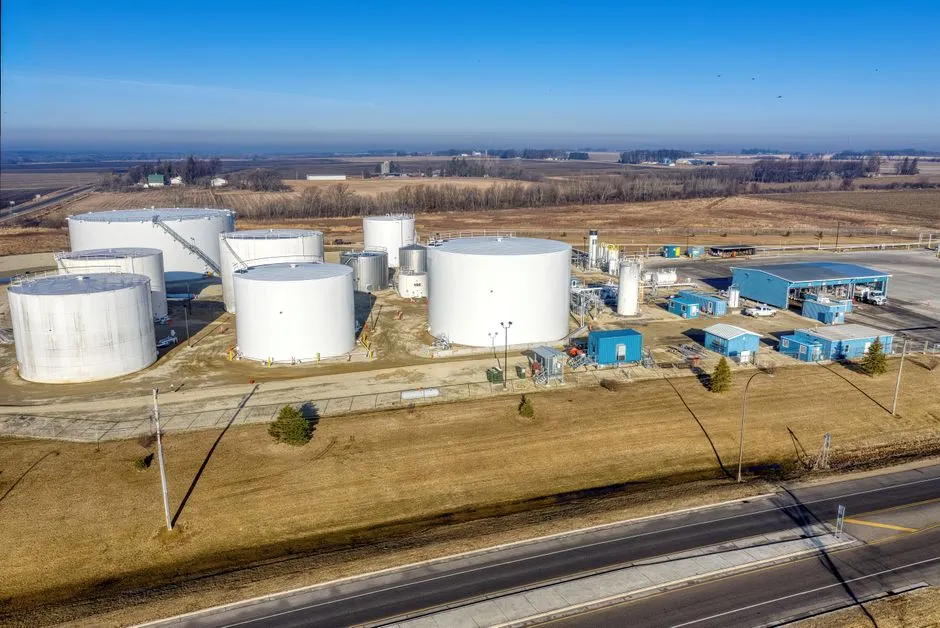
Chemical intervention is the lowest-capex route for most small-to-mid WWTPs. Per USP Technologies, hydrogen peroxide applied 5–30 minutes upstream of the odor release point oxidizes dissolved sulfide directly, with an effective dose of 1.2–1.5 parts H₂O₂ per part dissolved sulfide under normal conditions. This ratio requires confirmation via a bench-scale beaker test on actual plant water before procurement. Iron already present in the wastewater acts as a catalyst: above 2–3 mg/L Fe, 60–70% of the reaction completes in two minutes, allowing operators to dose closer to the headworks than the standard 5-minute contact time suggests.
For primary clarifier control, a booster dose of 1–2 mg/L H₂O₂ on the clarifier influent suppresses the rising-sludge blanket and prevents anaerobic generation (USP Technologies). The dose escalates when hydraulic retention time exceeds 2–3 hours, the solids blanket is deeper than 1–2 feet, soluble BOD runs above 200–300 mg/L, or when waste activated sludge is co-settled with primary solids — all common in plants above 10 MLD with older primary tanks.
Two variants suit capital-constrained budgets. Calcium nitrate is a low-hazard alternative for sulfide control in collection-system force mains where strong oxidizers are operationally difficult. For headworks, a combination of iron salts plus H₂O₂ (the PRI-TECH approach referenced by USP Technologies) is often more cost-effective than iron salts alone because the peroxide regenerates the ferric catalyst. A skid-mounted PLC-controlled chemical dosing skid sized for 0–30 mg/L H₂O₂ with a redundant peroxide day tank is a standard delivery for a 5–20 MLD plant; see the PLC control architecture for chemical dosing for the instrumentation side of that package.
Option 2 — Air and Scrubber Upgrades for Headworks
Engineered ventilation and gas-phase treatment are necessary when high sulfide loads or residential proximity limit the effectiveness of chemistry. Forced-draft ventilation at pump stations and headworks (the Austin, TX case documented in EPA 625/1-85/018 §5) dilutes H₂S below the odor threshold by pushing contaminated air through a defined exhaust path before it reaches the property line. Dilution is not removal; it only buys time.
Removal is the scrubber's job. Wet scrubbers achieve 95%+ H₂S removal on caustic or hypochlorite chemistries; the Santa Cruz County and Tampa, FL pilot data in EPA 625/1-85/018 §4 are the standard references. Iron oxide filters and KMnO₄-impregnated alumina beads polish low-concentration H₂S streams (< 50 ppm) where wet scrubbers would be over-specified, and activated carbon serves as a final polish for nuisance events rather than corrosion control. These technologies do not affect dissolved sulfide in the water, only the gas after it has left the liquid. Consequently, scrubbers almost always supplement, rather than replace, a chemical program. The full scrubber trade-off is laid out in the 2026 wet scrubber comparison guide.
Option 3 — Biofilm and Material Upgrades That Stop Corrosion for Good
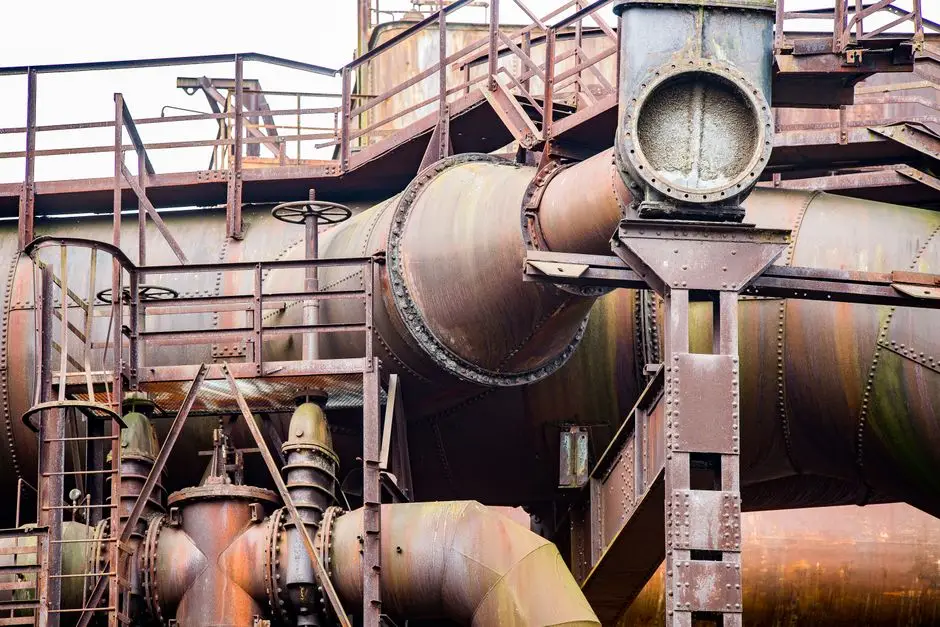
Material upgrades represent the high-capex, low-OPEX tier with a 20+-year service life. These are appropriate when dissolved sulfide is structurally embedded in the collection system (long force mains, flat grades, septage receiving) and chemistry represents a permanent line item. T-Lock PVC liners, referenced in EPA 625/1-85/018 §5 for concrete pipe, work in headworks wet wells, splitter boxes, and grit chambers where H₂S gas contact is unavoidable. For new construction, calcium aluminate and calcium nitrite concrete additives resist the sulfuric acid attack that destroys ordinary Portland cement within 5–10 years in aggressive headworks.
The replaceable-component strategy is as vital as the liner. FRP baffles, weirs, and launder covers take the brunt of corrosion and can be swapped out during scheduled shutdowns. Selecting the correct coating system for each exposure zone is straightforward if the engineer uses EPA 625/1-85/018 Table 6-3, which keys surface preparation, DFT, and chemistry to the H₂S concentration band. Plants that specify coatings without this matrix typically face re-coating within five years. For readers identifying these symptoms for the first time, the wastewater treatment root-cause diagnostic explains how to confirm sulfide is the failure mode rather than acidic industrial discharge.
2026 Cost Comparison: Which Option Pays Back Fastest
The payback period for these systems depends on dissolved sulfide concentration and detention time. The following table provides a planning-grade comparison of 2026 U.S. installed costs and recurring OPEX.
| Option | Capex (2026 USD) | Annual OPEX | Effect on dissolved sulfide | Effect on corrosion | Typical payback driver |
|---|---|---|---|---|---|
| Chemical dosing (H₂O₂ / nitrate / iron) | $5,000–$30,000 skid + tank | Tied to H₂O₂ consumption; seasonal swing 2–3× | Direct: oxidizes S²⁻ in the water | Indirect: removes the precursor | Lowest capex; wins at < 5 mg/L sulfide, < 3 hr detention |
| Air dilution + wet scrubber | $50,000–$250,000 | Low; caustic or NaOCl media | None — gas phase only | Indirect: lowers headspace H₂S | Wins where chemistry demand is > 10 mg/L H₂O₂ sustained or where neighbors are sensitive |
| Material upgrades (liners, coatings, FRP) | $100,000–$1,000,000+ | Near zero for 15–25 years | None | Direct: stops H₂SO₄ attack | Wins at > 20 mg/L sulfide, > 6 hr detention, or where a 10-year horizon applies |
The breakeven rule of thumb: at less than 5 mg/L dissolved sulfide and short detention, chemical dosing pays back within two years because the avoided scrubber capex dwarfs the chemical OPEX. Above 20 mg/L sulfide or six hours of upstream detention, the H₂O₂ bill becomes a permanent surcharge and material upgrades win on a 10-year net-present-value basis. Most 1–50 MLD plants sit between these poles and implement a combination: peroxide at the headworks, a small scrubber on the most exposed vent, and a phased liner program over five years.
A 2026 Selection Framework for Small and Mid-Size WWTPs
Plant managers can follow these four steps to reach a defensible decision.
- Measure. Pull dissolved sulfide and DO at the headworks across one full diurnal cycle (24 hours, hourly samples) and repeat at the force main discharge if applicable. Without this dataset, all projections remain speculative.
- Size chemistry. Apply the 1.2–1.5:1 H₂O₂-to-sulfide ratio from USP Technologies to the peak measured sulfide and confirm with a beaker test on site water. If peak demand is under 10 mg/L H₂O₂, chemistry is viable alone.
- Escalate if needed. If sustained H₂O₂ demand exceeds 10 mg/L or detention time exceeds six hours, install a scrubber on the headworks vent and specify liner/coating upgrades for the next capital cycle.
- Automate. Specify PLC-controlled dosing with a sulfide or ORP probe on the feed so seasonal swings do not exceed the chemical budget or leave the plant under-dosed during heat events.
Plants under 5 MLD with short collection systems usually stop at step two. Plants in the 10–50 MLD band with long force mains typically execute all four steps over an 18-month capital plan.
Frequently Asked Questions
What dissolved sulfide level triggers corrosion damage in concrete headworks?
Per EPA 625/1-85/018, sustained dissolved sulfide above 1.5–2.0 mg/L in the liquid phase, combined with H₂S release above the waterline, drives measurable concrete loss within 3–5 years. The 0.00047 ppm H₂S odor threshold is reached at much lower sulfide concentrations than the corrosion threshold.
How much hydrogen peroxide do I
Frequently Asked Questions
What is the most affordable way to control H2S odor in a wastewater treatment plant?
For most municipal and industrial facilities, chemical oxidation via liquid-phase dosing is the most cost-effective method for controlling hydrogen sulfide (H2S). Utilizing calcium nitrate or hydrogen peroxide to prevent the formation of sulfide in the collection system typically yields a lower total cost of ownership compared to capital-intensive gas-phase scrubbing or biofiltration systems.
When sulfide levels are moderate, implementing a preventative chemical dosing program can reduce long-term infrastructure repair costs by preventing biogenic sulfuric acid corrosion, which often exceeds the annual expense of the chemical reagents themselves.
How much hydrogen peroxide do I need per mg/L of dissolved sulfide?
The stoichiometric ratio for the oxidation of hydrogen sulfide by hydrogen peroxide is approximately 2.12 parts of H2O2 (by weight) to 1 part of H2S. However, due to side reactions with other organic matter and dissolved oxygen demand in wastewater, field dosing rates typically range between 2.5 and 4.0 mg/L of H2O2 per 1 mg/L of dissolved sulfide.
Operators should conduct site-specific bench testing to account for the total oxidant demand of the influent, as higher concentrations of organic compounds will increase the required peroxide dosage beyond the theoretical stoichiometric limit.
At what dissolved oxygen level does sulfate reduction start in sewers?
Sulfate-reducing bacteria (SRB) typically thrive in anaerobic conditions where dissolved oxygen (DO) levels drop below 0.1 to 0.5 mg/L. Once the environment becomes anaerobic, sulfate is used as an electron acceptor, leading to the production of H2S gas.
Maintaining a residual DO level above 1.0 mg/L is generally sufficient to inhibit the metabolic activity of sulfate-reducing bacteria and prevent the onset of anaerobic sulfide generation within the sewer network.
Can a wet scrubber stop concrete corrosion or only treat the air?
A wet scrubber is designed exclusively to treat air and cannot prevent concrete corrosion within the collection system or the wet well itself. Scrubbers remove H2S from the gaseous phase after it has already off-gassed from the wastewater, meaning the acid-producing bacteria may have already colonized the moist concrete surfaces above the water line.
To stop concrete corrosion, the hydrogen sulfide must be neutralized in the liquid phase before it volatilizes, or the concrete must be protected with corrosion-resistant liners, coatings, or sacrificial anodes.
When is it worth replacing headworks concrete instead of dosing chemicals?
Replacing headworks concrete becomes more cost-effective than chemical dosing when the structural integrity of the asset has reached a critical failure point, typically defined by a loss of cross-sectional area exceeding 20% or when rebar exposure is widespread. If the annual cost of chemical dosing and monitoring exceeds the amortized annual cost of structural rehabilitation over a 20-year period, replacement or lining is the preferred financial decision.
Additionally, if the H2S concentrations are consistently high enough that chemical dosing fails to maintain ambient air levels below OSHA permissible exposure limits (10 ppm TWA), structural replacement with high-density polyethylene (HDPE) liners or epoxy-coated concrete is necessary to ensure long-term safety and operational compliance.