The Regulatory Stack Sterling Heights Plants Discharge Into
Every gallon of process wastewater leaving an EV/auto property in Sterling Heights, Michigan crosses four legal layers before it reaches a tributary of the Rouge River or the Detroit River watershed, and the layer most engineers underestimate is the second one — the Great Lakes Water Authority Industrial Pretreatment Program. The first layer is local: City of Sterling Heights Code Chapter 56, Division 3, Section 56-3-59.1 prohibits any discharge that causes pass-through or interference, language that mirrors 40 CFR 403.5(a) verbatim. The second layer is the GLWA Industrial Pretreatment Program itself, with the entry point being the GLWA Commercial/Industrial Survey Form mailed to Section 303 South Livernois, Detroit, MI 48209, ATTN: Industrial Pretreatment Engineer, and a direct inbox at [email protected] or (313) 297-5888 (per GLWA Industrial Pretreatment Program Survey, 2026).
The third layer is federal: 40 CFR Part 403 (General Pretreatment Regulations) sets the floor for every nondomestic Industrial User, and 40 CFR Part 433 (Metal Finishing) is the binding subpart for e-coat, electrodeposition, phosphate conversion coating, and body-in-white rinsewater. The fourth layer is site-specific: GLWA local limits developed under 40 CFR 403.5(c) using EPA's MAHL (Maximum Allowable Headworks Loading) approach, which are frequently more stringent than the federal categorical floor because Great Lakes watershed sensitivity, CSO/SSO constraints, and treatment-plant hydraulic capacity all push the same envelope tighter (per EPA Local Limits Development Guidance, 2021-06).
Two definitions from 40 CFR 403.3 drive most enforcement actions: pass-through at 40 CFR 403.3(p) and interference at 40 CFR 403.3(k). Both are independently enforceable — the regulator does not have to demonstrate a numeric exceedance to cite a violation. A nickel-bearing electrolyte slug that disrupts POTW biomass is a pass-through/interference violation even at low ppm, which is why the equalization-plus-monitoring infrastructure on a Sterling Heights train exists independent of any specific numeric limit. For a comparable compliance stack applied in a neighboring small-municipality jurisdiction, the EV/auto plant pretreatment guide for a small-municipality region covers the same 40 CFR 403/433 chain.
When a Sterling Heights EV/Auto Plant Becomes a Significant Industrial User
Whether a plant is a Significant Industrial User is the question that triggers the entire 40 CFR 403.12 monitoring and reporting burden, and the decision is faster than most engineers expect. Under 40 CFR 403.3(j), an Industrial User is any nondomestic source discharging process wastewater to a POTW. Under 40 CFR 403.3(v), a Significant Industrial User is any IU that meets one of three independent triggers: (1) is subject to categorical pretreatment standards; (2) discharges ≥25,000 gpd of process wastewater; or (3) contributes a process waste stream making up ≥5% of the POTW's average dry-weather hydraulic or organic capacity. Any one trigger is enough.
Trigger (1) is the one that catches nearly every Sterling Heights paint shop, phosphate line, and battery assembly line. Once a categorical standard applies — and 40 CFR Part 433 applies to e-coat, electrodeposition, phosphate conversion coating, and body-in-white rinsewater — the plant is an SIU regardless of flow (per EPA, 2026). SIU status pulls the facility into 40 CFR 403.12 reporting, baseline monitoring reports at startup, 90-day compliance reports, and the obligation to hold a written control mechanism from GLWA. For a mining/metals plant in a different small-municipality context, the mining/metals plant pretreatment guide for a US small-municipality region walks through the same trigger logic for a different subpart.
| Trigger | Regulatory citation | Threshold | Typical Sterling Heights scenario |
|---|---|---|---|
| Categorical standard | 40 CFR 403.3(v)(1); 40 CFR Part 433 | Any process flow subject to a categorical subpart | Paint shop, phosphate line, e-coat, battery assembly — all become SIU at any flow |
| Process flow volume | 40 CFR 403.3(v)(2) | ≥25,000 gpd process wastewater | Body-in-white + paint combined flows typically exceed this |
| Process stream contribution | 40 CFR 403.3(v)(3) | ≥5% of POTW hydraulic or organic capacity | Rare for an auto plant on the GLWA system, but triggers for any single large line |
| GLWA control mechanism | 40 CFR 403.8(f); 403.12 | Holds written control mechanism + slug plan | Issued by GLWA after survey form and category review |
The Source Streams Driving the Sterling Heights Wastewater Envelope
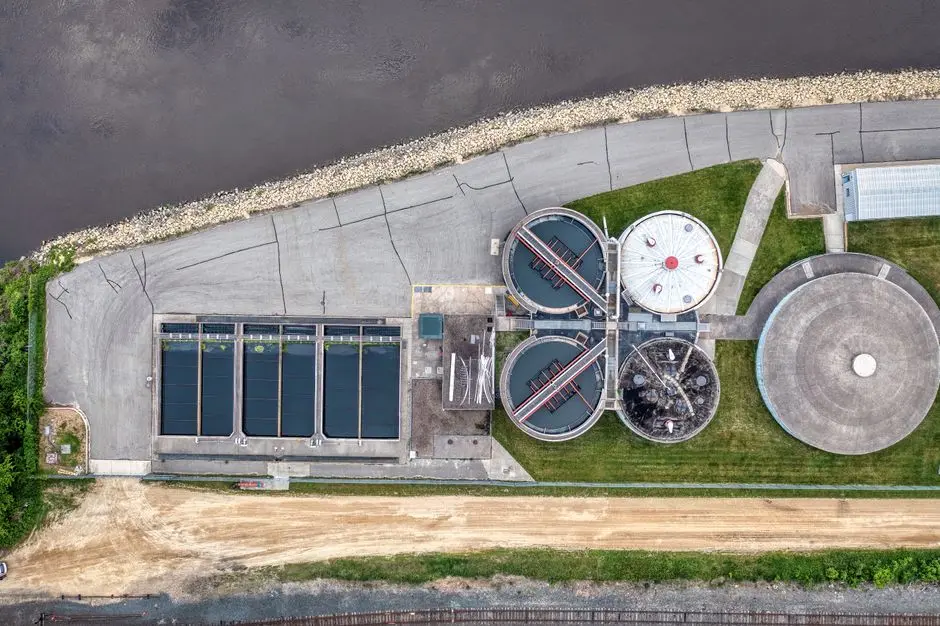
Mapping each shop-floor process to its own pollutant signature is the only way to scope the right unit operation for each stream instead of over-treating the entire plant to the worst-case parameter. Five source streams dominate the wastewater envelope at a Sterling Heights EV/auto facility, and each points to a different controlling unit operation. E-coat and electrodeposition rinsewater carry dissolved Ni and Zn at 5–50 mg/L each, TDS 1,000–5,000 mg/L, plus anionic paint solids — this stream is governed by 40 CFR Part 433 and the local metals limit and is the reason dissolved-metals precipitation is rarely optional on a paint-shop line (per HydropureWater field data, 2026).
Phosphate conversion coating rinsewater runs total P at 20–80 mg/L with Fe and Zn at 10–100 mg/L; this stream is the primary driver for the chemical precipitation stage. Stamping and machining lubricant streams run O&G at 500–5,000 mg/L and TSS at 500–3,000 mg/L — the reason a DAF system for auto plant FOG and TSS removal sits at the front of nearly every auto-plant train. Battery cell and pack assembly effluent introduces LiPF₆-bearing electrolyte traces, Ni/Co precursor washwater, and DI blowdown, which push the design toward dedicated stainless collection and a separate precipitation stage because fluoride and lithium both create downstream problems at the receiving POTW. Coolant blowdown and parts-washer effluent carry high COD with low metals and are usually routed to biological polishing or offsite recycling rather than discharged to sewer. Floor wash and general plant runoff swing pH from 4 to 11 with TSS 200–1,500 mg/L — the reason equalization and PLC-controlled neutralization are non-negotiable first stages.
| Source stream | Key parameters | Concentration range | Controlling unit operation |
|---|---|---|---|
| E-coat / electrodeposition rinsewater | Dissolved Ni, Zn; TDS; paint solids | Ni/Zn 5–50 mg/L; TDS 1,000–5,000 mg/L | Chemical precipitation + clarifier |
| Phosphate conversion rinsewater | Total P, Fe, Zn | P 20–80 mg/L; metals 10–100 mg/L | Chemical precipitation |
| Stamping / machining lubricants | Emulsified O&G, TSS | O&G 500–5,000 mg/L; TSS 500–3,000 mg/L | DAF system for auto plant FOG and TSS removal |
| Battery cell / pack assembly effluent | LiPF₆ traces, Ni/Co precursors, fluoride | Trace to tens of mg/L depending on line | Dedicated stainless collection + precipitation |
| Coolant blowdown / parts washer | High COD, low metals | COD 1,000–10,000 mg/L | Biological polishing or offsite recycling |
| Floor wash / general plant runoff | pH swings, TSS | pH 4–11; TSS 200–1,500 mg/L | Equalization + neutralization |
The GLWA Local-Limit Envelope Plants Have to Hit
The numeric targets a Sterling Heights equipment train is engineered against are the GLWA local limits, and they are tighter than the federal categorical floor more often than engineers assume. A representative small-municipality POTW pretreatment envelope runs pH 6–9, oil and grease 50–100 mg/L, TSS 200–300 mg/L, and total metals 1–3 mg/L per parameter (per EPA, 2026) — but those numbers must be confirmed against the plant's actual GLWA control mechanism before equipment is scoped, because the local limit is the binding constraint and may tighten on a multi-year reevaluation cycle.
EPA's Local Limits Development Guidance (published 2021-06) sets out the MAHL approach in five steps: Pollutants of Concern → Data Collection → MAHL Calculation → Limit Designation/Implementation → Collection System Concerns. Allowable Headworks Loadings (AHLs) can be effluent-quality based, sludge-quality based, inhibition-based, or air-quality based, and the most restrictive one controls. GLWA must perform an annual review and periodic reevaluation under 40 CFR 403.5(c); today's compliant number can tighten on a multi-year cycle, which is why a 20–30% headroom margin in the equipment train is standard practice rather than overspend (per EPA Local Limits Development Guidance, 2021-06). A safety factor and expansion/growth allowance are baked into the Maximum Allowable Industrial Loading (MAIL) before it is allocated to controlled sources.
The Five-Stage Equipment Train That Gets You There
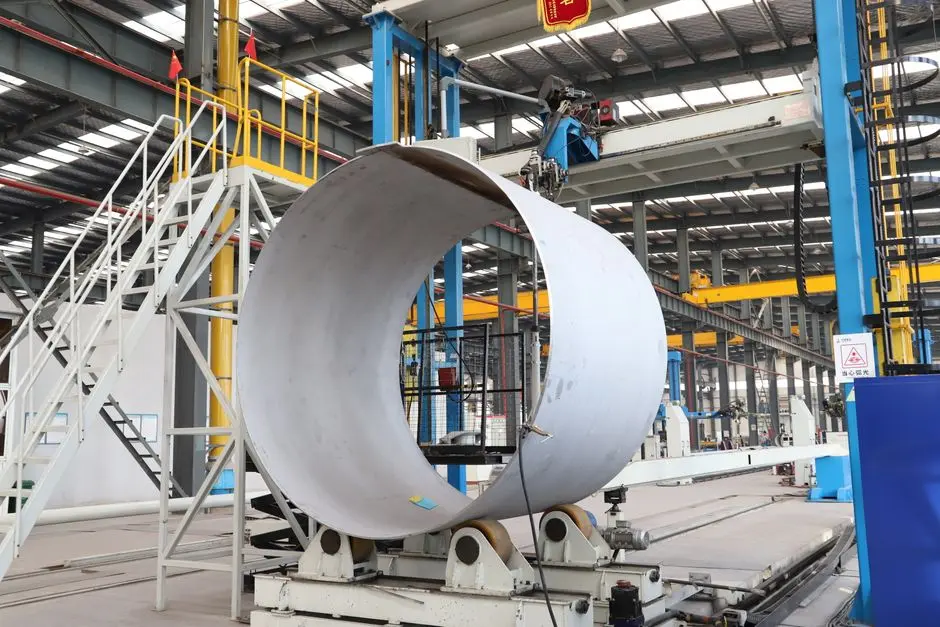
Five stages, in roughly this order, handle the vast majority of Sterling Heights EV/auto streams that discharge to a POTW. Not every plant needs all five — the right subset is a function of the controlling pollutant from the source-stream table above. The first stage is a rotary bar screen for headworks protection to keep rags and shop debris out of downstream pumps, followed by an equalization basin sized for 8–24 hours of batch retention; undersized EQ is the most common root cause of failed compliance because it cannot dampen pH, flow, or concentration swings before downstream unit operations see them (per HydropureWater field data, 2026).
Stage 2 is PLC-controlled pH adjustment and emulsion breaking, which brings strong acid/caustic batches into the 6–9 pH band required by 40 CFR 403.5(b) and conditions emulsified oils so the DAF can remove them. Stage 3 is dissolved air flotation operating at 4–300 m³/h with micro-bubble technology and automatic skimming, removing free and emulsified oil and grease plus a large fraction of TSS in a single step. Stage 4 is chemical precipitation with a lamella clarifier for metals precipitation at 20–40 m/h surface loading, which cuts dissolved metals into the 1–3 mg/L local band while reducing chemical consumption by up to 30% versus conventional clarifiers, paired with PLC-controlled chemical dosing for pH and metals. Stage 5 is an optional MBR with PVDF membranes at 0.1 μm that delivers near-reuse-quality effluent at roughly 60% smaller footprint than conventional activated sludge — justified only when GLWA caps BOD/COD aggressively or the plant is moving toward reuse. A filter press for metals-bearing auto plant sludge at the back end dewaters the cake and is the disposal liability most often overlooked in early scoping.
| Stage | Unit operation | Operating envelope | Citation / link |
|---|---|---|---|
| 0 | Rotary bar screen for headworks protection | Bar spacing per debris profile | HydropureWater field data, 2026 |
| 1 | Equalization basin | 8–24 hours hydraulic retention; pH 4–11 damped to 6–9 | 40 CFR 403.5(b) |
| 2 | PLC-controlled pH adjustment + emulsion breaking | pH 6–9 out; chemical dosing per jar testing | PLC-controlled chemical dosing for pH and metals |
| 3 | Dissolved air flotation | 4–300 m³/h; micro-bubble; auto-skim | DAF system for auto plant FOG and TSS removal |
| 4 | Lamella clarifier + chemical precipitation | 20–40 m/h surface loading; metals to 1–3 mg/L; ~30% chemical savings | Lamella clarifier for metals precipitation |
| 5 | MBR (optional) | 0.1 μm PVDF; ~60% smaller footprint vs CAS | Justified only on BOD/COD cap or reuse |
| Sludge | Plate and frame filter press | Cake to disposal; RCRA/CWA §405 review | Filter press for metals-bearing auto plant sludge |
The Documentation That Survives a GLWA Inspection
The paperwork is where the inspection actually fails, not the chemistry. Four obligations cover most of the SIU compliance surface, and the document most often missing during enforcement actions is the slug load control plan. The Baseline Monitoring Report (BMR) is required at categorical standard promulgation or at new-discharge startup; it establishes the pollutant envelope that every later compliance report measures against. The 90-day compliance reports and the GLWA-issued control mechanism define the reportable numbers — and the equipment spec and the permit text must be reviewed together because the numbers inside the control mechanism are what the train is engineered to hit.
The slug load control plan under 40 CFR 403.8(f) combines equalization capacity, flow and pH monitoring, and written batch-release procedures. A slug of nickel-bearing electrolyte or LiPF₆-bearing washwater that reaches the collection system without a written control plan is a standalone violation, independent of any numeric exceedance. Annual review and periodic reevaluation of GLWA's local limits under 40 CFR 403.5(c) means the control mechanism's numeric envelope can tighten, which is exactly why a 20–30% headroom margin in the train is standard practice.
Choosing Between DAF, Lamella, and MBR for the Binding Pollutant
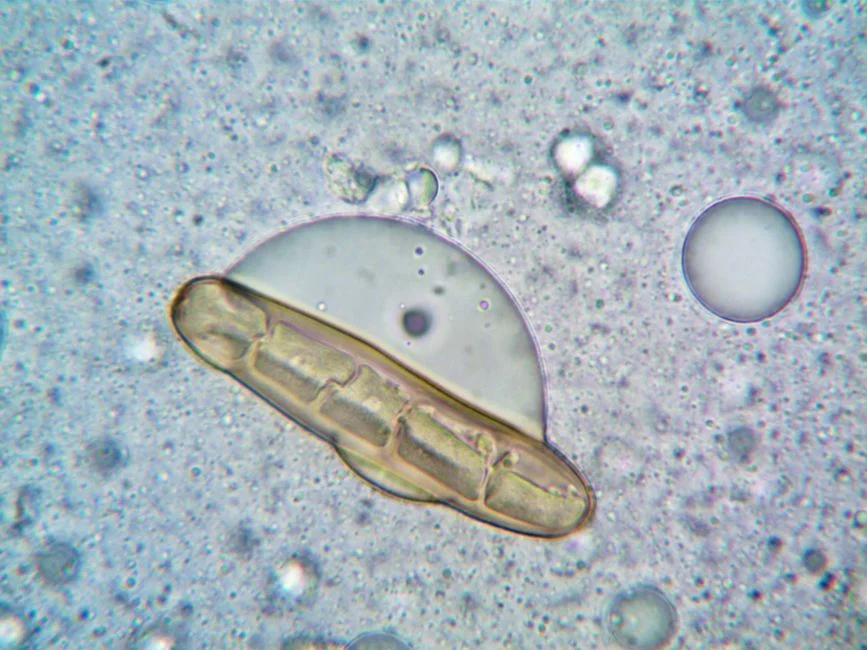
The honest framing is "how much headroom do you need, and for how many years" rather than "which unit operation is better." Three equipment choices cover the decision space for most Sterling Heights plants, and the right answer is a function of the controlling pollutant and the local POTW envelope. A DAF system for auto plant FOG and TSS removal is the right first physical separation when FOG exceeds 200 mg/L or TSS is above 300 mg/L, which covers most stamping, machining, and parts-washer streams. A lamella clarifier for metals precipitation is the right second stage when the binding constraint is dissolved metals or residual TSS post-precipitation; the 20–40 m/h surface loading and up to 30% chemical savings versus conventional clarifiers is the economic case.
An MBR for biological polishing of EV/auto wastewater is justified only when GLWA caps BOD/COD aggressively or the plant is moving toward water reuse; otherwise the activated-sludge step adds capex and opex without buying compliance headroom. A DAF-plus-lamella train is the lower-capex baseline for FOG, TSS, and dissolved metals; MBR is the lower-footprint, higher-cost option for BOD polishing and reuse.
| Unit operation | Trigger condition | Strengths | Caveats |
|---|---|---|---|
| DAF | FOG >200 mg/L or TSS >300 mg/L | O&G and bulk TSS removal in a single step | Does not address dissolved metals |
| Lamella clarifier + precipitation | Dissolved metals or post-precipitation TSS | Compact (~30% smaller than conventional); metals to 1–3 mg/L | Requires upstream chemical dosing and pH control |
| MBR | Tight BOD/COD cap or reuse target | Reuse-quality effluent; small footprint | Higher capex and membrane OoR; not justified for FOG/metals only |
Frequently Asked Questions
What is the GLWA entry point for a Sterling Heights plant?
Complete the GLWA Commercial/Industrial Survey Form and return it within 14 days to Section 303 South Livernois, Detroit, MI 48209, ATTN: Industrial Pretreatment Engineer, or email [email protected] / call (313) 297-5888. Discharge prohibitions sit in City Code Section 56-3-59.1 (per GLWA Industrial Pretreatment Program Survey, 2026).
Which of the three SIU triggers catches a Sterling Heights paint shop?
Trigger (1) at 40 CFR 403.3(v) — categorical standard applicability. A paint shop subject to 40 CFR Part 433 (metal finishing) is an SIU regardless of flow, which pulls the facility into 40 CFR 403.12 reporting and the control-mechanism requirement (per EPA, 2026).
What does the typical five-stage train look like for an EV/auto plant near Sterling Heights?
Equalization (8–24 h retention) → PLC-controlled pH adjustment and emulsion breaking → dissolved air flotation (4–300 m³/h) → lamella clarifier with chemical precipitation (20–40 m/h surface loading) → optional MBR (0.1 μm PVDF), with a plate and frame filter press on the sludge line. Operating envelopes are per HydropureWater field data, 2026.
Is a slug load control plan independently enforceable under 40 CFR 403.8(f)?
Yes. A nickel-bearing electrolyte or LiPF₆ washwater slug that reaches the collection system without a written control plan is a standalone violation, independent of any numeric exceedance. The plan combines equalization capacity, flow and pH monitoring, and written batch-release procedures (per EPA, 2026).
Why design to 20–30% headroom against the GLWA local limits?
GLWA performs an annual review and periodic reevaluation of local limits under 40 CFR 403.5(c) using EPA's MAHL approach (per EPA Local Limits Development Guidance, 2021-06). The numeric envelope can tighten on a multi-year cycle, so the train is over-engineered by 20–30% headroom to absorb the next reevaluation without a retrofit.