

Why Hotel STP Selection in Kuwait City Is a Different Problem
Picking a packaged MBR sewage treatment plant for a hotel in Kuwait City requires three primary design decisions: calculating design flow per guest-night, determining the discharge or reuse endpoint under Kuwait EPA and PAEW regulations, and establishing a climate margin for summer operations exceeding 45°C. Generic 0.20 m³/person·day rules developed for temperate climate hotels under-size Gulf properties because food & beverage, laundry, spa, and cooling-tower bleed flows all converge on the same biological stage.
Anchor the scale to a documented Gulf reference: the Imemflo HF MBR installation at a 200-bed 5-star hotel processes 250 m³/day, with the treated permeate "meeting the requirements of the wastewater reuse standard" (source: Imemflo, 2026). That single data point allows an MEP consultant to size a 5-star property with confidence.
Kuwait's operating environment invalidates imported selection criteria. Ambient wet-bulb temperatures exceed 40°C from May through September, dust loading during shamal winds spikes influent TSS by 30–50% over published design values, and brackish groundwater infiltration into basements and lift-pump sumps routinely raises feed TDS to 2,000–4,000 mg/L. Each of these represents a first-order design driver. The performance envelope requires 90–95% removal of BOD, COD, TSS, and pathogens from raw hotel sewage of 250–400 mg/L BOD (source: Imemflo, 2026).
Kuwait EPA and PAEW Compliance: What the Effluent Must Hit
Kuwait EPA Decision 210/2001 mandates that any packaged MBR achieve an effluent quality of BOD ≤25 mg/L, TSS ≤30 mg/L, COD ≤150 mg/L, and fecal coliform ≤200 CFU/100 mL for treated wastewater intended for reuse. These limits are non-negotiable; a 95% removal from a 300 mg/L BOD feed results in 15 mg/L, which falls under the cap, provided MLSS, DO, and SRT are controlled within the design window.
PAEW's wastewater reuse criteria split into two pathways. Restricted reuse—toilet flushing, landscape irrigation of non-edible crops, and road washing—accepts the standard coliform target mentioned above. Unrestricted reuse—cooling-tower makeup, vehicle wash, and irrigation of public-access turf—tightens fecal coliform to non-detect in 100 mL and adds a turbidity ceiling of ≤2 NTU on the permeate (per PAEW reuse guidelines). MBR's nominal 0.1 µm PVDF membrane delivers <1 NTU permeate, making the disinfection step the critical engineering task.
Two practical implications follow these requirements. First, MBR's 90–95% contaminant removal serves as the baseline requirement when feed BOD runs 250–400 mg/L (source: Imemflo, 2026). Second, the disinfection barrier must match the reuse class; UV at 40 mJ/cm² is the standard choice for unrestricted reuse because it imposes no chemical residual on the cooling tower. The Imemflo Gulf reference plant demonstrates that an HF MBR permeate can be routed directly to a reuse standard when the disinfection stage is sized to the end use (source: Imemflo, 2026).
Sizing the Plant: Flow, Load, and the Kuwait Climate Margin
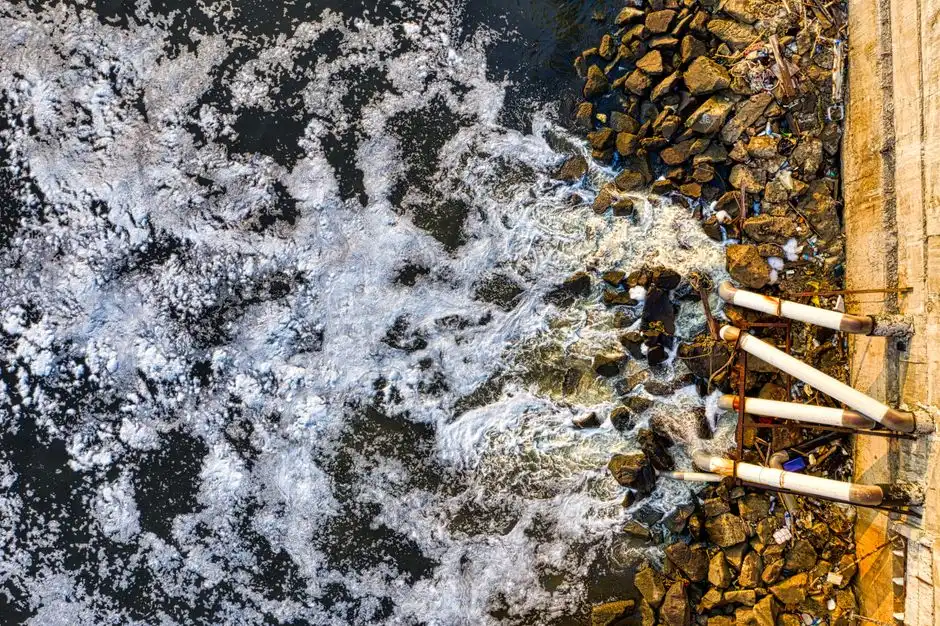
Sizing begins at a 0.20–0.30 m³ per guest-night benchmark for full-service hotels, increasing to 0.35 m³/day for properties with a spa, on-site laundry, and multiple food & beverage outlets. The hotel's occupancy multiplier is the second variable: 5-star properties routinely run 1.8–2.5 simultaneous guests per available room during peak season, compared to 1.0–1.2 for limited-service hotels.
Add two Kuwait-specific margins to these calculations. First, include a 10–15% design buffer for peak occupancy during exhibition seasons so the MBR's hydraulic retention time remains above 6 hours at peak flow. Second, include a 10% buffer for cooling-tower blowdown if reuse is planned, as this warm (35–40°C) stream adds to the organic load on the biological stage.
A worked example tied to the Gulf benchmark: 200 rooms × 0.25 m³/guest-night base flow × 2.5 occupancy = 125 m³/day average, adjusted to 250 m³/day with the 100% peak and reuse margin—matching the documented Imemflo 5-star installation (source: Imemflo, 2026). This arithmetic serves as the essential check for consultants before reviewing vendor datasheets.
High-TDS groundwater infiltration represents a common failure mode in Kuwait. Specify a separate duty/standby sump and a dedicated flow meter on the basement drainage feed to subtract infiltration from the biological loading calculation; otherwise, the MBR's MLVSS will drift outside the 8,000–12,000 mg/L operating window, leading to frequent false fouling alarms.
Hollow-Fiber vs Flat-Sheet MBR: Choosing the Right Membrane
Both submerged hollow-fiber and flat-sheet MBR modules are field-proven at hotel scale, though they perform differently within Kuwait's operating conditions. The Gulf benchmark reference uses hollow fiber at 250 m³/day (source: Imemflo, 2026), with documented membrane brands including Suez, Dow, DuPont, and Mitsubishi for hollow fiber, and Toray for flat sheet (source: Imemflo, 2026).
| Parameter | Hollow-Fiber (HF) MBR | Flat-Sheet (FS) MBR |
|---|---|---|
| Pore size | 0.03–0.1 µm PVDF | 0.1 µm PVDF (DF series reference) |
| Typical flux | 15–25 LMH | 10–20 LMH |
| Module area / footprint | 25–40 m² per module, high packing density | 80–225 m² per module (DF reference), 0.6–1.5 m² footprint per cassette |
| Air-scour energy | Baseline 0.3–0.5 Nm³/m²·h | 10–20× lower than external cross-flow; comparable coarse-bubble demand to HF |
| Chlorine tolerance (CIP) | 500–1,000 mg/L NaOCl | 500–1,000 mg/L NaOCl; FS tolerates higher intermittent doses |
| Sludge handling | Fibers can clog with hair/rags; needs fine screening | Open channel flow; more tolerant of debris |
| Proven hotel capacity | 250 m³/day, 200-bed 5-star (Imemflo, 2026) | Documented at 32–135 m³/day per DF module |
| Best fit for Kuwait | Higher packing density; proven 5-star reference | High-TDS, intermittent operation, limited operator skill |
Specify a packaged MBR system with submerged PVDF membranes at 0.1 µm pore size as the baseline. For Kuwait hotels with high feed TDS from groundwater infiltration, intermittent operation, or thin O&M staffing, flat-sheet configurations—for example a DF-series PVDF flat-sheet membrane module integrated into a HydropureWater packaged MBR system—typically recover faster from upset conditions and tolerate backwash pulses better. For higher packing density and a documented 5-star reference, hollow fiber remains the conservative choice. Both configurations deliver the 90–95% removal required to meet KEPA Decision 210/2001 limits (source: Imemflo, 2026).
Pretreatment and Reuse Equipment Around the MBR Skid
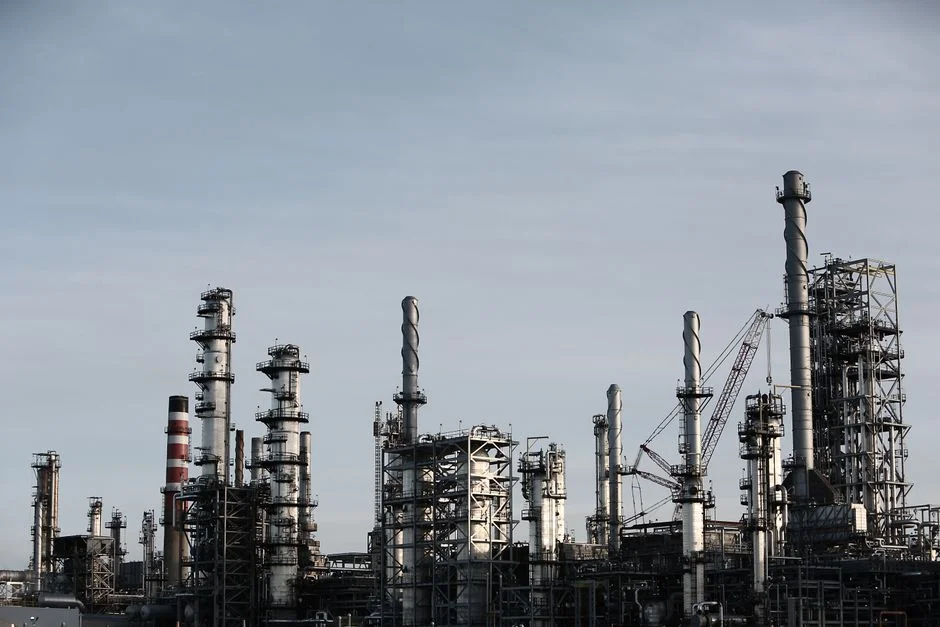
A packaged MBR skid requires integrated headworks, FOG removal, and terminal disinfection to maintain the MBR's MLVSS in the 8,000–12,000 mg/L operating window and ensure the permeate meets PAEW coliform targets.
At the headworks, specify a rotary mechanical bar screen with 3–5 mm aperture to strip rags, plastics, and food waste before they reach the membrane cassettes. A rotary mechanical bar screen in the GX series is the typical Gulf selection because it handles debris from hotel food-service areas without manual cleaning.
When kitchen and food & beverage flows join the STP stream, FOG spikes above 100 mg/L will coat membrane surfaces and double cleaning frequency. A dissolved air flotation unit ahead of the bioreactor—for example a DAF machine rated 4–300 m³/h—is the standard solution; the DAF reduces inlet FOG to under 30 mg/L. Many Gulf hoteliers run a separate greywater treatment plant for laundry waste to keep the MBR's organic loading stable (source: Imemflo, 2026).
Specify a pipeline UV sterilizer for reuse water sized to a 40 mJ/cm² dose on the MBR permeate. UV avoids the chlorine residual that corrodes cooling-tower fill and satisfies PAEW requirements for unrestricted reuse. Match the UV unit's flow rating to the peak hour reuse demand rather than the average.
CAPEX, OPEX, and the Supplier Scorecard for Kuwait
For a 2026 packaged hotel MBR plant in the 50–300 m³/day capacity band, skid-delivered CAPEX in the Gulf ranges from USD 25,000–45,000 per m³/day; OPEX runs USD 0.18–0.35 per m³ treated, primarily driven by aeration energy (0.4–0.6 kWh/m³) and membrane replacement amortized over 7–10 years. The compact GCC packaging benchmark is the 12 m³/day Almasa MBR skid in Umm Al Quwain, UAE (source: Almasa Environmental, 2025-06), while the 5-star scale benchmark is the Imemflo 250 m³/day, 200-bed installation (source: Imemflo, 2026).
Score each shortlisted vendor against a Kuwait-specific 7-point checklist:
- Documented KEPA or PAEW reference project in Kuwait or a comparable GCC regulator
- Hot-climate operating data above 40°C with biofilm stability evidence
- Local service partner with stocked spares and 24-hour response
- Membrane brand transparency (Suez, Toray, Mitsubishi, or equivalent)
- 24-month mechanical warranty covering membranes, blowers, and PLC
- PLC telemetry with remote alarm forwarding to a hotel BMS
- Documented CIP procedure with chemical-free recovery option for shutdown seasons
Shortlist three vendors. For any plant above 100 m³/day, demand a 14-day on-site pilot fed from the actual hotel lift station before signing, and verify the hydraulic peak factor against the MBR's rated flow. The lowest-cost skid rarely provides the lowest total cost of ownership once membrane life, energy, and service visits are accounted for.
Frequently Asked Questions
What size MBR STP do I need for a 200-room 5-star hotel in Kuwait City?
Size at 250 m³/day for a 200-bed 5-star property with full F&B and laundry, matching the documented Imemflo Gulf reference (source: Imemflo, 2026). Use 0.25 m³ per guest-night × 2.5 occupancy × 200 rooms, plus a 10–15% peak margin.
Which membrane configuration is better for Kuwait's hot climate?
Flat-sheet PVDF tolerates high-TDS feed, intermittent operation, and thin operator staffing better; hollow fiber offers higher packing density and the documented 5-star reference. Both meet KEPA Decision 210/2001's BOD ≤25 mg/L and TSS ≤30 mg/L limits when properly
Frequently Asked Questions
What size MBR STP do I need for a 200-room hotel in Kuwait City?
For a standard 200-room hotel in Kuwait, a design capacity of 250 to 300 liters per guest per day is recommended to account for peak occupancy and laundry services. This results in a required daily capacity of approximately 50 to 60 cubic meters per day (m³/day) for a standard luxury operation.
What are the Kuwait EPA discharge limits for hotel wastewater reuse?
According to Kuwait Environment Public Authority (KEPA) standards for treated sewage effluent (TSE) reuse, the Biochemical Oxygen Demand (BOD5) must be less than 10 mg/L, Total Suspended Solids (TSS) less than 5 mg/L, and Turbidity less than 2 NTU. Additionally, the system must ensure a Fecal Coliform count of zero per 100 ml to meet irrigation or industrial reuse safety requirements.
Is hollow-fiber or flat-sheet MBR better for Kuwait's hot climate?
Flat-sheet membranes are generally preferred for hotels in Kuwait due to their higher tolerance for high-temperature influent and increased resilience against the fouling common in high-salinity or high-temperature environments. While hollow-fiber systems offer higher packing density, flat-sheet modules are easier to clean in-situ and exhibit better mechanical durability under the extreme thermal fluctuations experienced in the region.
How much does a packaged MBR STP cost for a hotel in Kuwait?
The capital expenditure for a packaged MBR system typically ranges from $1,200 to $2,000 per cubic meter of daily capacity, depending on the level of automation and the quality of stainless steel construction required for corrosion resistance. For a 60 m³/day plant, total installation and equipment costs generally fall between $75,000 and $120,000, excluding civil works and site-specific piping.
Can MBR-treated hotel water be reused for cooling towers in Kuwait?
Yes, MBR-treated effluent is highly suitable for cooling tower makeup water provided the system includes an additional reverse osmosis (RO) or demineralization polishing step. While MBR removes suspended solids and pathogens, the high evaporation rates in Kuwait's climate necessitate the removal of dissolved salts to prevent scaling and corrosion within the cooling tower infrastructure.