
Why Merck's wastewater history makes Mexico diligence unforgiving
Merck's documented wastewater record is the single most important reason a Mexico deal team cannot treat environmental diligence as a side workstream. In 2006, a toxic-chemical release at Merck's West Point, Pennsylvania facility triggered a $20 million total settlement: roughly $9 million was spent on West Point containment upgrades, and $800,000 funded an automated dissolved-oxygen system at Upper Gwynedd's sewage treatment plant to keep the microorganisms that metabolize pharmaceutical residues alive (WHYY, 2006). The Upper Gwynedd township also negotiated a half-million-gallons-per-day diversion to Lansdale Borough's treatment plant, with Merck paying a connection fee for the additional treatment load. That same posture — regulator-known operator, public file, named infrastructure — is the posture a Mexican site will assume the day the deed changes hands.
On 2026-02-25, Merck announced a $23 billion US investment program, which confirms an active global capex posture that pulls any foreign site into the same audit envelope. In Mexico, that envelope is unusually unforgiving: SEMARNAT inspectors arrive without 24-hour notice — unlike every other Mexican agency — and impose immediate fines for every non-conformity found, with no remediation window (Tecma, McBride). There is no statute of limitations on environmental enforcement, and under the LGPGIR the new operator is automatically liable for legacy contamination no matter how old (Tecma, McBride). What follows is a 24-month Gantt and a 2026 capex/escrow band that hold up to a Merck deal committee.
The 2026 Mexican permit stack a Merck acquisition activates
When a Merck subsidiary takes the deed on a Mexican manufacturing site, four wastewater instruments activate in parallel: a CONAGUA permiso de descarga and título de concesión under the Ley de Aguas Nacionales (reformed 2024–2025), a SEMARNAT Licencia Ambiental Única (LAU), NOM-001-SEMARNAT-2021 discharge compliance, and a municipal SAPA or saneamiento pretreatment permit if the site discharges to sewer. CONAGUA and SEMARNAT clocks each run 6–12 months from a complete filing, so a 24-month Gantt is the defensible structure.
CONAGUA administers the two property-like authorisations: the permiso de descarga (wastewater) and the título de concesión (raw water rights). Both are transferred on change of control, not reissued, and a rejected transfer blocks closing (HydropureWater 2026). SEMARNAT issues the LAU and the impact manifest; PROFEPA is its enforcement arm and pulls a 5-year NOV (procedimiento administrativo) lookback. The 2024–2025 Ley de Aguas Nacionales reform adds a discrete reuse-stream registration with CONAGUA and monthly groundwater extraction reporting against a registered cap, which is the change most often missed in a US/EU-trained diligence file. The municipal SAPA or saneamiento authority runs a parallel 3–6 month pretreatment clock that can be more restrictive than NOM-001. A cross-jurisdiction reference for the same permit stack applied to a Swiss sponsor sits in the Novartis Mexico 2026 compliance guide.
| Instrument | Issuing agency | Trigger | Clock (complete filing) |
|---|---|---|---|
| Permiso de descarga (wastewater) | CONAGUA | Change of control; production-mix change | 6–12 months; transferred, not reissued |
| Título de concesión (raw water) | CONAGUA | Change of control; wellfield permit | 6–12 months; parallel notice track |
| Licencia Ambiental Única (LAU) | SEMARNAT | Operations under federal environmental regime | 6–12 months; condition precedent |
| Reuse-stream registration (2024–2025 reform) | CONAGUA | RO reject or recycle to DAF inlet | Filed with permiso; monthly reporting |
| Pretreatment permit | Municipal SAPA / saneamiento | Discharge to municipal sewer | 3–6 months; can be more restrictive than NOM-001 |
| Plan de manejo (hazardous waste) | SEMARNAT under LGPGIR | Any hazardous-waste-generating activity, incl. lagoons >10 yr | Condition precedent; no statute of limitations |
NOM-001-SEMARNAT-2021 limits vs typical Merck API wastewater
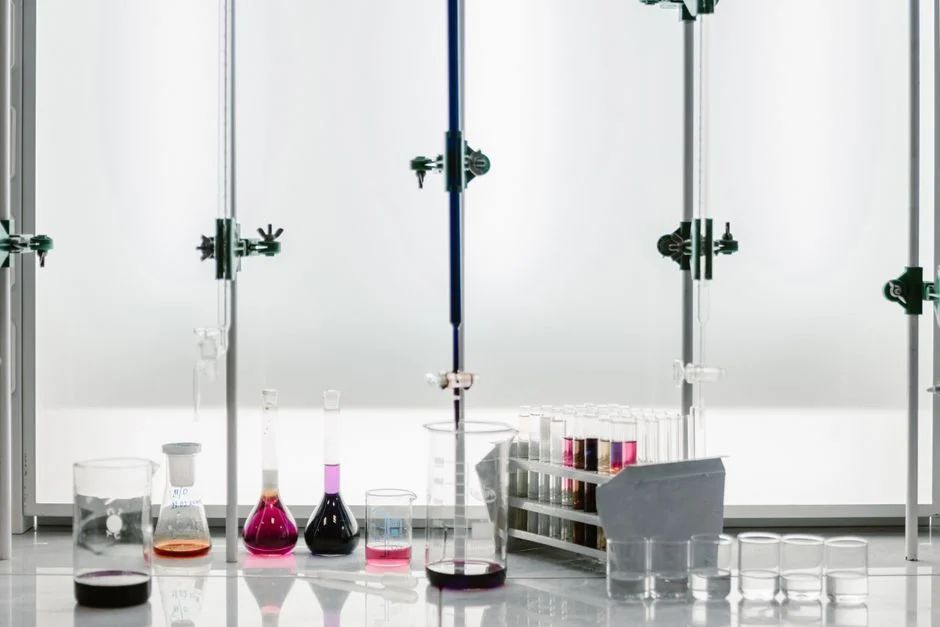
Fermentation-based API manufacturing generates wastewater with COD of 5,000–15,000 mg/L and BOD of 2,000–6,000 mg/L (HydropureWater 2026 process data). Against NOM-001-SEMARNAT-2021 monthly averages of COD 60 mg/L and BOD 30 mg/L for surface-water discharges, the required removal is roughly 99.5% for COD and 99% for BOD — biological-only systems cannot close that gap, which is why MBR and tertiary polishing are non-negotiable on a Merck-style pharma envelope.
Receptor classification drives the nutrient envelope. Type A cuerpos receptores (embalses and protected waters) carry the tightest nutrient caps: 0.2 mg/L total phosphorus and 15 mg/L total nitrogen (HydropureWater 2026). That envelope forces biological nutrient removal plus tertiary chemical precipitation. CONAGUA sets the receptor class at permiso issuance and does not renegotiate it at transfer; any production-mix change that pushes effluent character requires a permit modification, not just an internal ETP retune. Instantaneous maxima are typically 1.5× the monthly average, so equalization must absorb clean-in-place (CIP) peaks. The 2021 standard already tightened the 1996 version on nutrients, so a 2010-vintage design is presumptively non-compliant.
| Parameter | Typical API influent (mg/L) | NOM-001 monthly average (mg/L) | Required removal (%) |
|---|---|---|---|
| BOD | 2,000–6,000 | 30 | ~99% |
| COD | 5,000–15,000 | 60 | ~99.5% |
| TSS | 500–2,000 | 40 | 92–98% |
| FOG | 100–500 | 15 | 85–97% |
| Total N (Type A) | 50–200 | 15 | 70–92% |
| Total P (Type A) | 5–30 | 0.2 | 96–99% |
How the permiso de descarga and título de concesión actually transfer
CONAGUA requires at least 30 days' prior notice of a change of ownership of a permiso de descarga, accompanied by a technical file that includes a memoria descriptiva of the ETP, current operating data, the proposed transfer date, and the buyer's legal standing (HydropureWater 2026). The título de concesión (raw water rights) follows a parallel but distinct notice track; conflating the two is the single most common reason transfers get rejected.
CONAGUA may require a new site inspection before issuing the transferred permiso, which adds 60–120 calendar days to closing conditions and must be reflected in the SPA's outside date. Federal law is layered with state SEMARNAT delegaciones and municipal sistemas de saneamiento; precedence is federal > state > municipal, but municipal descarga al alcantarillado permits can be more restrictive than NOM-001 and must be checked in parallel. A brownfield site rides the seller's CONAGUA title for a 30–90 day transition window; a true greenfield files from zero on day 0. The same transfer-mechanic logic against a comparable UK sponsor stack is mapped in the AstraZeneca Mexico 2026 compliance guide.
LGPGIR hazardous-waste and PROFEPA enforcement exposure
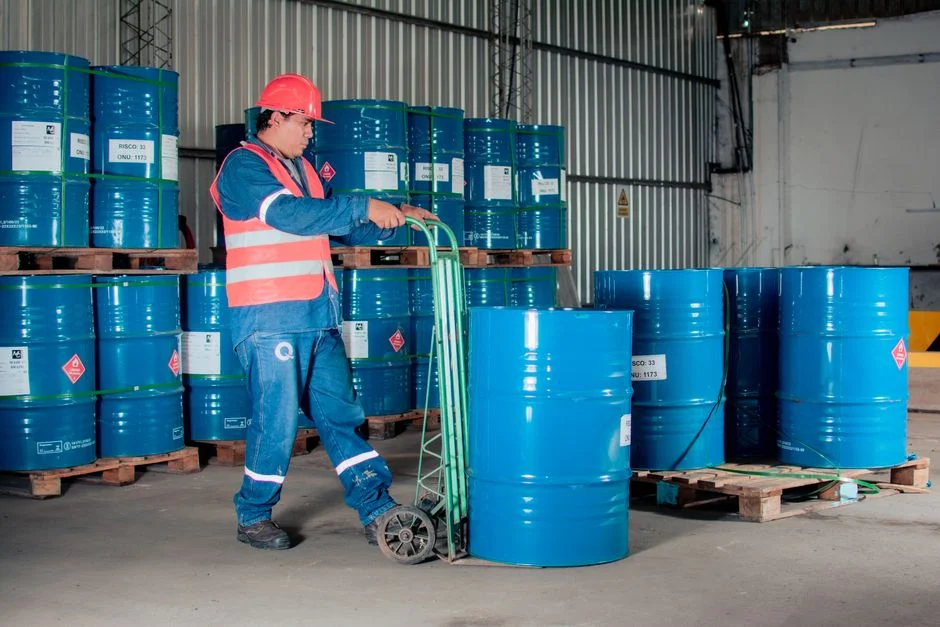
Under the LGPGIR, any hazardous-waste-generating activity — including the legacy sludge lagoons on most acquired pharma sites — requires a current plan de manejo registered with SEMARNAT (HydropureWater 2026). Lagoons older than 10 years automatically trigger LGPGIR obligations and are scored as an automatic Fail in the due-diligence scorecard.
PROFEPA calculates fines under LGEEPA Article 171 at 30 to 50,000 times the UMA, with 2026 UMA values near MX$117 daily (per DOF 2026-01). There is no statute of limitations on environmental enforcement; if Mexican officials find 20-year-old contamination on an acquired site, the new operator is the party liable for cleanup (Tecma, McBride). SEMARNAT inspections are unannounced — unlike every other Mexican agency, no 24-hour notice is required — and inspectors impose immediate fines for every non-conformity rather than offering a remediation window. For a Merck deal committee, that combination is the single dollar-driver behind the 10–15% enterprise-value escrow recommended later in this article.
Defensible ETP train for a 1,200 m³/day Merck pharma site
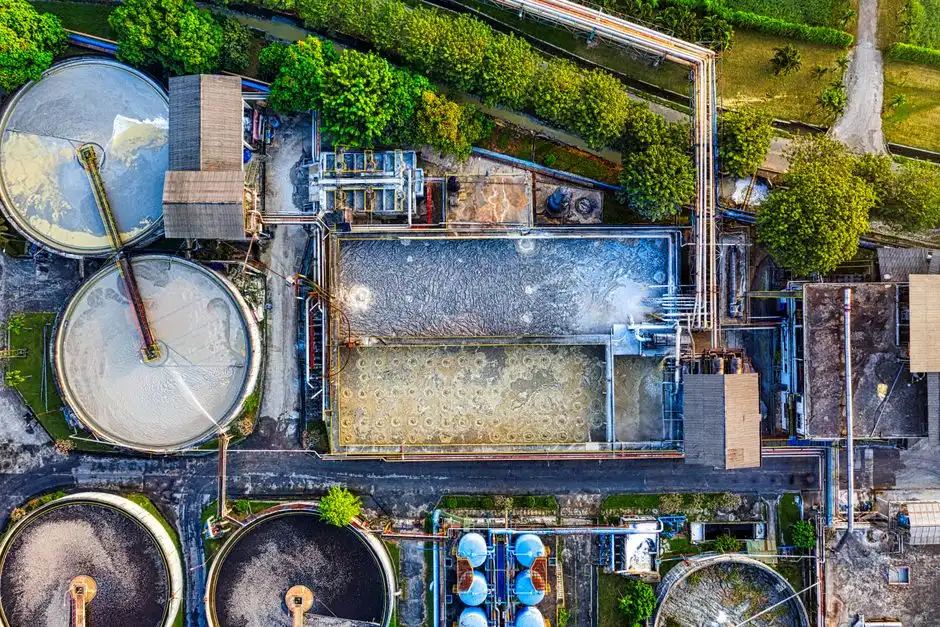
The reference treatment train for a 1,200 m³/day acquired pharma site starts with equalization sized at 1.5–2.0× average diurnal flow to buffer CIP chemistry peaks. An anaerobic reactor (UASB or CSTR) at HRT 20–30 days drives 60–80% COD reduction and captures biogas at 0.35–0.45 m³ per kg COD destroyed, offsetting 15–25% of boiler fuel demand (HydropureWater 2026 field data). Aerobic polishing with HRT 4–8 hours follows, and an integrated MBR membrane bioreactor system with submerged 0.1 µm PVDF flat-sheet modules at MLSS 8,000–12,000 mg/L delivers the final solids/biological barrier. MBR cassette replacement CAPEX for a 1,200 m³/day plant runs $420,000–$1,800,000 depending on cassette vintage.
Sludge dewatering is handled with a plate and frame filter press rated for 60–80% dry solids cake; CAPEX is $150,000–$450,000 and the unit can cut annual hazardous-sludge disposal cost up to 60% (HydropureWater 2026 field data). A dissolved air flotation system upstream of the MBR handles FOG and surfactant peaks from CIP, and disinfection is chlorine dioxide under NOM-001 compliance, or open-channel UV where the cuerpo receptor classification allows.
| Unit operation | Design parameter | CAPEX band (1,200 m³/day) | Operating duty |
|---|---|---|---|
| Equalization basin | 1.5–2.0× diurnal flow | Site-specific | Buffer CIP chemistry peaks |
| DAF | HRT 20–30 min; A/S 0.02–0.05 | Variable | FOG, TSS, surfactant removal |
| Anaerobic (UASB / CSTR) | HRT 20–30 days | Variable retrofit | 60–80% COD; biogas 0.35–0.45 m³/kg COD |
| Aerobic polishing | HRT 4–8 h | Variable | BOD/COD residual |
| MBR cassette replacement | 0.1 µm PVDF; MLSS 8,000–12,000 mg/L | $420,000–$1,800,000 | TSS ≤40, BOD ≤30, COD ≤60 mg/L |
| Plate and frame filter press | 60–80% dry solids cake | $150,000–$450,000 | Sludge volume reduction; −60% disposal |
| Disinfection (ClO₂ or UV) | Per NOM-001 receptor class | Variable | Pathogen / indicator reduction |
24-month Gantt: from deed transfer to operational milestone
A defensible 24-month Gantt treats the deed transfer as month 0 and runs the federal clocks in parallel. In months 0–3, the deal team runs an environmental Phase I/II ESA with PFAS and hexavalent chromium sampling, pulls the PROFEPA NOV 5-year log, commissions 7-day composite influent/effluent sampling against NOM-001, and receives the seller's COA history (HydropureWater 2026). In months 3–9, the buyer's counsel files the CONAGUA permiso de descarga transfer and título de concesión notice, the SEMARNAT LAU and impact manifest, and the SAPA pretreatment application — each clock running 6–12 months from a complete filing.
Months 9–18 cover detailed design and ETP procurement, including MBR cassette and filter-press fabrication lead time. Months 18–21 are construction, installation, commissioning, and operator training. Months 21–24 run a 90-day performance trial demonstrating NOM-001 compliance on the COA submitted annually to CONAGUA. The performance trial is the cleanest exit gate; a successful trial clears the operational milestone without holding the ETP as the deal's critical path.
2026 capex bands and SPA / escrow language for a Merck deal
The three CAPEX lines that dominate a Merck deal committee's discussion are MBR cassette replacement ($420,000–$1,800,000), filter-press dewatering ($150,000–$450,000), and anaerobic retrofit (variable). Equalization, DAF, and disinfection are site-specific adders. The 3-scenario CAPEX/OPEX model should present these as price chips at closing, special indemnity escrows with 5-year survival, and 50/50 cost-sharing covenants for any regulatory tightening of NOM-001 limits during the survival window (HydropureWater 2026).
Standard environmental representations and warranties in mid-market chemical mergers typically carry a 12–18 month survival period, which is insufficient for slow-migrating groundwater contaminants and NOM-001 compliance drift. ETP and groundwater liability must be carved out of the general warranty cap, with survival extended to at least 5 years. A dedicated environmental indemnity cap of 10–15% of total enterprise value should be held in escrow, sized to the LGPGIR no-statute-of-limitations successor-liability risk. The seller must covenant to maintain a current LGPGIR plan de manejo and current COA filings through the transfer date, with breach expressed as a condition precedent to closing. Release of escrow should be tied to a 12-month post-close water-stewardship commitment verified by an independent engineering audit. The cross-jurisdiction survival/escrow mechanic under US NPDES is laid out in the Roche factory acquisition ETP due-diligence checklist.
| Risk line | Mechanic | Cap / quantum | Survival |
|---|---|---|---|
| ETP operational retrofit | Price chip at closing | $420K–$1.8M MBR + $150K–$450K filter press | Through commissioning + 90-day trial |
| Environmental indemnity (general) | Escrow | 10–15% of enterprise value | 5 years |
| LGPGIR / legacy contamination | Dedicated escrow line | Site-specific; lagoon age >10 yr = automatic Fail | 5 years; no statute of limitations |
| Regulatory change (NOM-001 tightening) | 50/50 cost-sharing covenant | Variable; 2021 already tightened 1996 | 5 years |
| COA / plan de manejo currency | Condition precedent | Through transfer date | Closing |
Frequently Asked Questions
How long does a CONAGUA permiso de descarga transfer actually take in 2026?
CONAGUA requires at least 30 days' prior notice of a change of ownership, supported by a memoria descriptiva of the ETP, current operating data, the proposed transfer date, and the buyer's legal standing. CONAGUA may also require a new site inspection, which adds 60–120 calendar days. Plan 6–12 months from a complete filing, and reflect the inspection contingency in the SPA's outside date (per Ley de Aguas Nacionales, reformed 2024–2025).
What numeric limits does NOM-001-SEMARNAT-2021 actually impose?
For surface-water (cuerpo receptor) discharges, monthly averages are BOD 30 mg/L, COD 60 mg/L, TSS 40 mg/L, FOG 15 mg/L. Type A receptor classification tightens nutrients to 0.2 mg/L total phosphorus and 15 mg/L total nitrogen, forcing biological nutrient removal plus tertiary chemical precipitation. Instantaneous maxima are typically 1.5× the monthly average, so equalization must absorb CIP peaks (per NOM-001-SEMARNAT-2021).
What is the LGPGIR successor-liability risk on an acquired site?
Under the LGPGIR, any hazardous-waste-generating activity — including legacy sludge lagoons — requires a current plan de manejo registered with SEMARNAT. There is no statute of limitations on environmental enforcement, and the new operator is automatically liable for legacy contamination no matter how old. Lagoons older than 10 years score as an automatic Fail and demand a dedicated indemnity escrow line, independent of the ETP operating budget.
What changed in the 2024–2025 Ley de Aguas Nacionales reform?
Three changes matter for a pharma ETP: reuse streams (including RO reject routed back to a DAF inlet) must now be registered with CONAGUA as a discrete water-right, not buried in a discharge permit; industrial groundwater extraction reporting is expanded to monthly volumes against a registered cap; and volume caps for industrial users were tightened, with new baselines set against demonstrated historical use rather than requested capacity.
What is the defensible 2026 capex envelope for a 1,200 m³/day Merck pharma site?
MBR cassette replacement runs $420,000–$1,800,000, plate and frame filter press dewatering runs $150,000–$450,000, and anaerobic retrofit is variable. The environmental indemnity cap should be set at 10–15% of total enterprise value, held in escrow with 5-year survival, with a 50/50 cost-sharing covenant covering any NOM-001 tightening during the survival window (HydropureWater 2026 field data).