
Why an Acquisition Changes the Mexican Wastewater Equation
Wastewater compliance at a Mexican plant activates on the day of closing under a no-statute-of-limitations inheritor-liability rule. Under Mexican environmental law, specifically the McBride formulation, if a company leases, purchases, or acquires a property, it immediately becomes responsible for any prior contamination, regardless of when it occurred (S4). Roche assumes responsibility for any historical contamination from the moment of acquisition, a critical point for due diligence. The Secretaría de Medio Ambiente y Recursos Naturales (SEMARNAT) enforcement posture since 2012 has treated compliance as a revenue source, increasing fines for environmental infractions by 2-3x (S4). This "zero-tolerance" regime (S4) means that latent non-compliance from a prior operator immediately transfers to the new owner. Macro-risk data indicates that over 1,255 of Mexico's 3,960 wastewater treatment plants fail to meet NOM-001 minimum requirements, and more than 1,330 plants are non-operational due to insufficient resources (S2). This widespread non-compliance means a significant portion of acquired sites carry latent liabilities that become Roche’s problem. For a pharmaceutical asset, the due-diligence window before signing is the only period where environmental risk can be accurately priced and mitigated; closing the acquisition transfers this risk and liability directly to Roche.Step-by-Step: The Compliance Stack Roche Must Activate on Closing
Roche must address a sequence of wastewater-related regulatory actions, typically within the first 30 to 180 days, to establish compliance under new ownership.- Step 1 — CONAGUA Concession Transfer: If the acquired site sources its water from a well, the existing CONAGUA (Comisión Nacional del Agua) water concession title must be formally transferred to the new operating entity (S4). Water sourced from wells falls under federal jurisdiction, requiring this federal concession.
- Step 2 — Discharge Permit Novation: The SEMARNAT discharge permit, which governs effluent discharge (NOM-001-SEMARNAT-2021 for ground/surface water discharges or NOM-002 for municipal sewer discharges), must be reissued in Roche's name (S4). These permits typically require annual renewal (S4).
- Step 3 — Baseline Characterization: A Phase II-equivalent environmental site assessment is essential, covering soil, groundwater, and the existing wastewater treatment plant's operational data. This comprehensive assessment establishes a legal baseline against which any future SEMARNAT findings will be measured, critical given the inheritor liability rule.
- Step 4 — Accredited-Lab Sampling Program: Roche must engage an accredited and authorized Mexican testing laboratory to perform the annual testing cycle mandated by the applicable NOM (S4). Many permits require more frequent monitoring than the annual minimum.
- Step 5 — Audit-Readiness Documentation: All discharge logs, monitoring records, current permits, and prior test results must be meticulously assembled and maintained on-site (S4). SEMARNAT inspectors frequently arrive without prior notice and demand immediate access to these documents (S4).
- Step 6 — Internal Compliance Staffing: Facilities operating in Mexico require trained Mexican environmental compliance personnel (S4). The reporting cadence for environmental compliance, including wastewater, is often daily, monthly, and annually (S4).
The following table summarizes these immediate post-acquisition compliance actions:
| Compliance Action | Governing Authority | Key Requirement | Typical Timeline (Post-Acquisition) |
|---|---|---|---|
| CONAGUA Concession Transfer | CONAGUA (Federal) | Transfer well water rights to new entity | 30-90 days |
| Discharge Permit Novation | SEMARNAT (Federal/State) | Reissue NOM-001/NOM-002 permit in new name | 60-120 days |
| Baseline Characterization | Internal/Accredited Consultant | Phase II ESA (soil, groundwater, WWTP data) | 90-180 days |
| Accredited-Lab Sampling | Accredited Mexican Lab | Annual testing per applicable NOM | Ongoing, starts within 30 days of permit novation |
| Audit Documentation Setup | Internal EHS Team | Centralized record keeping (permits, logs, tests) | Immediate on closing |
| Internal Compliance Staffing | Internal HR/EHS | Trained Mexican environmental personnel | Immediate on closing |
NOM-001-SEMARNAT-2021 vs. NOM-002: Which Standard Applies and Why It Matters for a Pharma Plant
The following table outlines the jurisdictional and standard applicability:
| Water Source | Discharge Destination | Jurisdiction | Applicable NOM |
|---|---|---|---|
| Well Water (Federal) | Ground or Surface Water Body | Federal | NOM-001-SEMARNAT-2021 |
| Municipal Supply (State) | Municipal Sewer System | State | NOM-002-SEMARNAT-1996 |
Pharma-Specific Effluent Challenges: What Roche's Wastewater Stream Looks Like
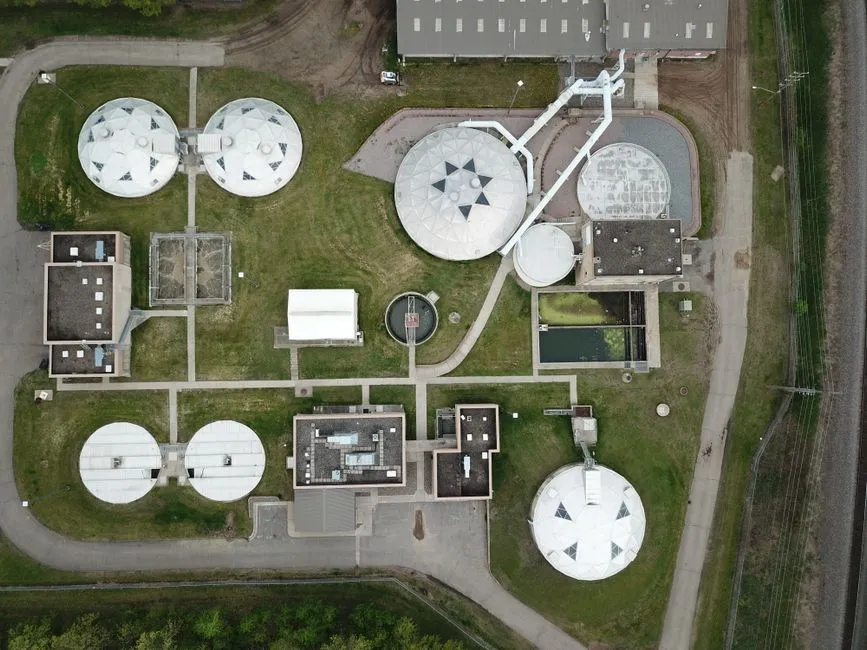
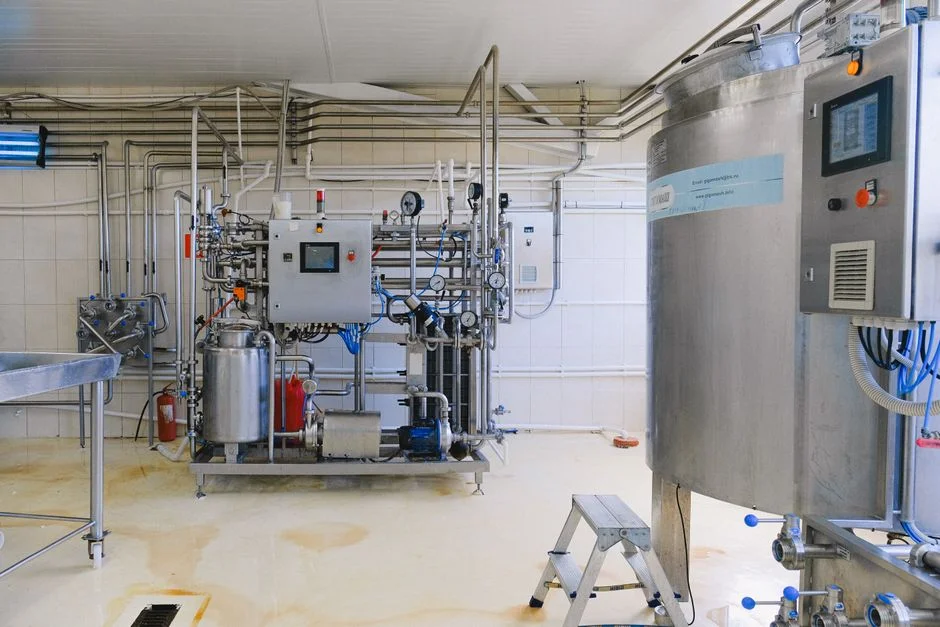
Pharmaceutical manufacturing effluent presents unique challenges that differentiate it from generic industrial wastewater, requiring specialized treatment technology. A typical pharma manufacturing effluent profile is characterized by high variability in Chemical Oxygen Demand (COD) and Biological Oxygen Demand (BOD) batch-to-batch, often exceeding 5,000 mg/L COD in concentrated streams (HydropureWater field data, 2026). These streams frequently contain active pharmaceutical ingredients (APIs), varying solvent fractions, and high-salinity cleaning-in-place (CIP) streams, which can impact biological treatment efficacy. Municipal Publicly Owned Treatment Works (POTWs) and SEMARNAT regulators are increasingly scrutinizing pharmaceutical discharges because APIs, antibiotic residues, and other complex organic compounds are not fully removed by conventional activated sludge processes. Consequently, pharmaceutical plants acquiring legacy sites with conventional biological treatment often must add advanced treatment stages to meet revised NOM-001-SEMARNAT-2021 or NOM-002 limits. This retrofit is central to achieving ongoing compliance. Water reuse and recycling have become both a regulatory mandate and a significant ESG driver, particularly in water-stressed Mexican states (S3). Industries in Mexico consume 5% of the concessioned water, while agriculture, livestock, and aquaculture consume over 76% (S2), highlighting the pressure on industrial users to conserve water. Implementing advanced treatment, such as an MBR membrane bioreactor for high-COD pharmaceutical streams, allows for higher quality effluent suitable for reuse.Building the Compliance-Ready Treatment Train
SEMARNAT Audit Readiness and the Cost of Getting It Wrong
SEMARNAT audits represent a significant compliance risk because inspectors can arrive at a facility without notice and demand immediate access to documentation, permits, and test results (S4). This mandates constant audit readiness. Fines for environmental violations have increased dramatically. Following the February 13, 2026, health and safety regulation, fines for many environmental and health and safety violations increased by 200-300% (S4). SEMARNAT treats non-compliance as a revenue stream (S4), enforcing a "zero-tolerance" regime (S4) where companies are fined immediately upon discovery of a violation. Framing the decision as CAPEX versus ongoing fines is crucial for leadership. A retrofit of the wastewater treatment train to bring a legacy pharmaceutical site into compliance with NOM-001-SEMARNAT-2021 or NOM-002 is a finite capital investment. In contrast, multiple SEMARNAT findings during an unannounced audit can quickly accumulate fines that exceed the cost of the necessary CAPEX. Mexico's low investment in water infrastructure has resulted in over 1,255 treatment plants failing to meet NOM-001 minimums, and 1,330 plants being non-operational (S2). This context underscores the risk of inheriting non-compliant assets. The baseline characterization performed during M&A due diligence becomes the foundation for ongoing compliance reporting and audit defense, bridging the gap between acquisition and operations.| Compliance Scenario | Risk Profile | Financial Implication |
|---|---|---|
| Proactive CAPEX Investment (Retrofit) | Controlled, Finite Risk | Scoped, predictable investment; avoids future fines |
| Unannounced SEMARNAT Audit (Non-Compliance) | High, Unpredictable Risk | Immediate, compounded fines (2-3x higher since 2012); potential operational disruption |
| Historical Contamination (Inheritor Liability) | Extreme, No Statute of Limitations | Full responsibility for remediation costs, regardless of origin (S4) |
Frequently Asked Questions
What is the inheritor-liability rule in Mexican environmental law?
Under Mexican environmental law, there is no statute of limitations for environmental contamination. If you lease, purchase, or acquire a property, you immediately become responsible for any prior contamination found on that property, regardless of when it occurred (S4).
Which wastewater discharge standard applies, NOM-001 or NOM-002?
The applicable standard depends on the water source and discharge destination. NOM-001
Frequently Asked Questions
What wastewater permits are required to acquire a pharmaceutical plant in Mexico?
To operate a pharmaceutical plant, you must possess a Concession Title for the use of national water bodies issued by the National Water Commission (CONAGUA) if extracting groundwater. Additionally, a Discharge Permit (Permiso de Descarga) is mandatory, which specifies the maximum allowable concentrations for pollutants discharged into federal bodies or sewer systems. You must also maintain a current Registry of Pollutant Emissions and Transfers (COA) with SEMARNAT.
Does the buyer inherit environmental liability when purchasing a Mexican factory?
Yes, under Mexican environmental law (LGEEPA), the principle of "polluter pays" often shifts to the current owner or operator of the facility. Upon acquisition, the buyer assumes legal responsibility for any pre-existing soil contamination, improper hazardous waste disposal, or non-compliant wastewater discharges, regardless of whether the violations occurred under previous management. Conducting a Phase I and Phase II Environmental Site Assessment (ESA) prior to closing is critical to identifying these liabilities.
What is the difference between NOM-001 and NOM-002 in Mexico?
NOM-001-SEMARNAT-2021 establishes the maximum permissible limits for pollutants in wastewater discharges into national water bodies and federal zones, focusing on protecting receiving ecosystems. In contrast, NOM-002-SEMARNAT-1996 regulates the maximum permissible limits for pollutants in wastewater discharges to urban or municipal sewage systems. Compliance with NOM-002 is required to prevent damage to public infrastructure and municipal treatment plants, whereas NOM-001 is focused on broader environmental impact.
How does SEMARNAT audit a manufacturing plant and what are the penalties?
SEMARNAT and PROFEPA conduct inspections by verifying documentation, monitoring physical discharge points, and taking independent water samples to compare against reported COA data. Penalties for non-compliance are severe and can include administrative fines ranging from 20 to 50,000 times the daily minimum wage, temporary or permanent closure of the plant, and in cases of significant ecological damage, criminal prosecution of legal representatives.
How is pharmaceutical wastewater regulated in Mexico?
Pharmaceutical wastewater is strictly regulated due to the potential for active pharmaceutical ingredients (APIs) to enter the water supply. Facilities must comply with the general limits set by NOM-001 or NOM-002, but are also subject to the Law for the Prevention and Management of Waste (LGPGIR) if wastewater contains hazardous residues. Plants are often required to implement specific pre-treatment technologies, such as advanced oxidation processes or membrane filtration, to ensure that chemical oxygen demand (COD), total suspended solids (TSS), and specific toxic substance concentrations remain within permit-mandated ranges.