Why a Coca-Cola Plant Acquisition in Hungary Is a Wastewater Compliance Event
When a Chinese equipment manufacturer or M&A advisor scopes a Coca-Cola bottling plant in Hungary, the headline risk is not beverage effluent toxicity — it is a four-layer compliance stack that re-validates on every ownership change. Hungarian environmental permits issued under Government Decree 28/2004 (XI. 18.) and the integrated permitting regime in 314/2005 (XII. 25.) are operator-linked, not facility-linked: the acquiring entity must file for permit transfer within 60 days of closing, and the authority may impose new monitoring or limit values during the review (Hungarian transposition of the EU Industrial Emissions Directive 2010/75/EU). The deal team also inherits Coca-Cola HBC's internal KORE bottler standard, the Group's 2035 water-reduction commitment, and the post-2026 EU green-claim substantiation regime under Directive (EU) 2024/825. Treat the technical due-diligence file like a permit re-application, not a fixed-asset inspection.
Three signals make this stack unusually heavy in 2026. First, the Hungarian Competition Authority (GVH) opened a greenwashing probe in late 2024 against Coca-Cola HBC Magyarország, Coca-Cola Magyarország Szolgáltató, and The Coca-Cola Company over the "100% recyclable" claim for Naturaqua PET — a procedure that can run three months plus a four-month extension, leaving any acquirer walking into an open enforcement file (source: Just Drinks, 2024-12). Second, Hungary's Deposit Return Scheme (DRS), operated by MOHU, has pushed PET return volumes to roughly 4–5 million bottles per day through 3,000 reverse vending machines, changing the upstream wash-water and reject-stream load on the effluent treatment plant (ETP) (per Coca-Cola HBC statement to GVH, 2024). Third, ISO 46001 Water Efficiency Management certification was achieved at both Hungarian manufacturing sites — Dunaharaszti and Zalaszentgrót — in 2025, locking the new owner into a Group KPI that requires auditable flowmetered water balance from day one (source: Coca-Cola HBC Hungary, 2025-12).
The Four-Layer Wastewater Compliance Stack for Hungarian Beverage Plants
A Hungarian beverage plant sits under four binding layers, each with its own decree number, scope, and evidence trail that the acquirer must collect. Layer 1 is the EU framework: Directive 91/271/EEC on urban wastewater treatment, Directive 2010/75/EU on industrial emissions (IED), and Directive (EU) 2024/825 on green-claim substantiation, which takes full effect in 2026 and applies to any environmental marketing touching the bottling operation. Layer 2 is Hungarian national implementation: Government Decree 28/2004 sets discharge limit values for the aquatic environment, while 220/2004 (VII. 21.) governs the emission of certain hazardous substances. The integrated (IPPC) permit framework sits in 314/2005 (XII. 25.) and applies once the plant exceeds the IED capacity thresholds for food and drink processing (per Hungarian Ministry of Energy, 2024 transposition guidance).
Layer 3 is the Coca-Cola HBC KORE bottler standard: 11 internal effluent parameters monitored in 100% of sites, 100% calibrated flowmeter coverage on every discharge point, and FSSC 22000 food-safety certification covering 99.5% of bottler volume with annual third-party audits (per Coca-Cola HBC CDP Water Security response 2021, reporting year 2020). Layer 4 is ISO 46001 water-efficiency management, achieved at both Dunaharaszti and Zalaszentgrót in 2025, which under the Group's Mission Refresh requires a 5% water-use reduction by 2035 measured against a 2025 baseline (source: Coca-Cola HBC Hungary, 2025-12). The combined stack is summarised below.
| Layer | Instrument | Scope relevant to bottler | Acquisition action |
|---|---|---|---|
| 1. EU framework | Directive 91/271/EEC; Directive 2010/75/EU; Directive (EU) 2024/825 | Urban wastewater collection/treatment; BAT for food & drink; substantiation of green claims (2026+) | Confirm BAT-AEL alignment; audit marketing claims for PET, "100% recyclable" |
| 2. Hungarian national | Government Decree 28/2004; 220/2004; 314/2005 | Discharge limit values (COD, BOD, TSS, TN, TP, pH); integrated environmental permit transfer | File permit transfer within 60 days of closing; pre-engage the county environmental authority |
| 3. Coca-Cola HBC KORE | Internal bottler standard + FSSC 22000 | 11 effluent parameters, 100% flowmetered discharges, FSSC covering 99.5% of volume | Preserve FSSC audit trail; verify continuous monitoring data export |
| 4. ISO 46001 | Water Efficiency Management System (WEMS) | Both Hungarian sites certified 2025; Group 5% reduction KPI by 2035 vs. 2025 | Lock baseline; integrate site into Group reporting from day one |
Typical Effluent Profile and Hungarian Discharge Limits for a Soft-Drink Bottling Plant
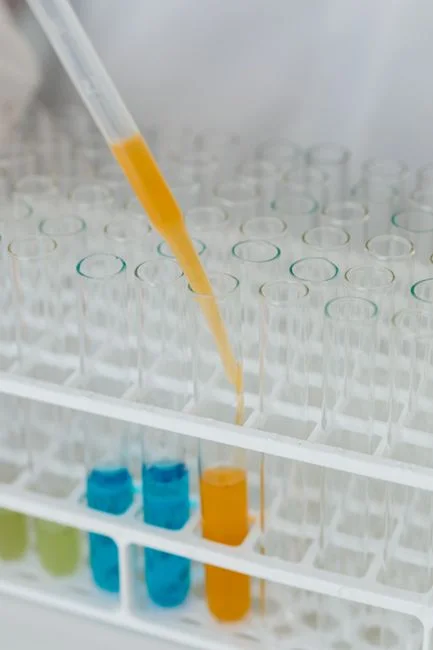
A syrup-bottling plant with onsite CIP (cleaning-in-place) generates a high-COD, high-sugar, low-nitrogen stream — the opposite profile to municipal sewage. In practice, a soft-drink line will show COD in the 2,000–6,000 mg/L range on CIP days, BOD₅ typically 50–70% of COD, suspended solids of 200–800 mg/L dominated by label and glass fragments, total nitrogen of 20–60 mg/L (cleaning chemicals, not product), and total phosphorus of 5–30 mg/L from phosphate-based detergents (typical ranges for beverage ETP influent, per industry engineering reference). pH swings from 2 (acid CIP) to 12 (caustic CIP) are the most common permit excursion cause unless neutralisation is online. Without a DRS PET wash stream upstream, a Hungarian plant in 2026 also needs to plan for reject-water loads from the MOHU reverse-vending material recovery, which arrive in slug batches and carry sugar residues.
Hungarian Decree 28/2004 sets the binding discharge envelope for direct discharges to surface water. The values below are the typical range applied to food and beverage installations under the integrated permit; site-specific values can be tighter if the receiving water body is sensitive or if the permit was issued under 314/2005 with BAT-AEL adders.
| Parameter | Typical Decree 28/2004 limit (direct discharge) | Typical soft-drink ETP influent | Design margin note |
|---|---|---|---|
| pH | 6.0–9.0 | 2–12 (CIP swings) | Equalisation + neutralisation mandatory |
| COD (mg/L) | 125–150 | 2,000–6,000 | Biological stage sized for >95% removal |
| BOD₅ (mg/L) | 25–30 | 1,000–4,200 | MBR or SBR with high MLSS |
| TSS (mg/L) | 35–50 | 200–800 | DAF pre-thickening; membrane solids retention |
| Total nitrogen (mg/L) | 15–25 | 20–60 | Nitrification/denitrification usually not limiting |
| Total phosphorus (mg/L) | 2–5 | 5–30 | Biological P or chemical precipitation |
| Oil & grease (mg/L) | 10–20 | 50–200 | DAF skimming, belt press on scum |
Reference Treatment Train: How the 2020 Coca-Cola HBC Discharge Mix Was Achieved
Coca-Cola HBC's 2020 group discharge mix — 5,262.88 ML/yr through full aerobic treatment, 1,581.35 ML/yr through combined aerobic/anaerobic, 744.44 ML/yr through neutralisation only, and 1,676.22 ML/yr with no on-site biological treatment — is the operating envelope the new owner must defend in the permit-transfer submission (per Coca-Cola HBC CDP Water Security response, reporting year 2020). A Hungarian bottler inheriting the KORE monitoring regime typically needs screening, DAF, biological oxidation, and disinfection in series. The flowsheet below maps each unit process to a compliance deliverable, with equipment anchors drawn from rotary mechanical bar screen and DAF system pre-treatment, an MBR membrane bioreactor system for the biological stage, and a ClO2 disinfection generator for the polish step.
| Stage | Unit process | Removes / controls | Compliance evidence generated |
|---|---|---|---|
| 1. Screening | Rotary mechanical bar screen (GX) | Bottles, labels, glass, macro-solids | Screening log, mass balance to landfill |
| 2. Flow & pH equalisation | Balancing tank + pH correction | CIP pH swing (2–12 → 6.5–8.5) | Continuous pH trend to SCADA |
| 3. DAF | Dissolved air flotation | Suspended solids, oil/grease, emulsified sugars | Float mass, TSS inlet/outlet |
| 4. Biological | MBR (membrane bioreactor) | COD, BOD₅, nitrification | MLSS, SRT, permeate COD |
| 5. Disinfection | ClO₂ generation | Faecal coliforms, total coliforms | Microbial plate counts, residual ClO₂ |
| 6. Sludge handling | Belt press / centrifuge on DAF float + WAS | Sludge volume to disposal | Cake dryness %, mass off-site |
The MBR is the critical compliance asset: it consolidates biological BOD removal and TSS polishing in one tank, producing a permeate that consistently clears the 25–30 mg/L BOD₅ and 35–50 mg/L TSS limits in Decree 28/2004 even under CIP shock loading (typical design range). Where the receiving water body is sensitive, a tertiary denitrification or chemical phosphorus polishing stage is added downstream of the MBR.
Water Stewardship and the ISO 46001 Compliance Path Post-Acquisition
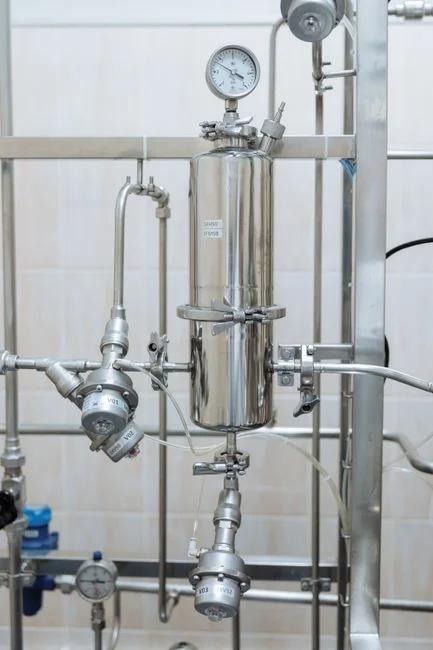
ISO 46001 certification is the lever that converts a permit-transfer exercise into a Group reporting asset. Both Hungarian sites — Dunaharaszti and Zalaszentgrót — are supplied by local deep wells, so every litre reused on site or returned to the aquifer counts directly against the 5%-by-2035 Mission Refresh water-reduction KPI (source: Coca-Cola HBC Hungary, 2025-12). The 2020 group water-reuse metric — 100% of sites with calibrated flowmeters and continuous measurement — already exceeds EU baseline expectations; the new owner must protect that data lineage, because any data gap created during the ownership transition becomes a KPI reset in the next CDP submission.
For a Chinese acquirer not previously subject to ISO 46001, the practical first-90-days path is: (1) freeze the current calibrated flowmeter map and SCADA historian; (2) run a WEMS gap analysis against the 2025 baseline; (3) integrate the site into Group CDP reporting from the first post-close quarter. The same flowmetered data also supports the EU Corporate Sustainability Reporting Directive (CSRD) ESRS E3 water disclosures that any EU-domiciled parent will inherit on closing.
2026 Acquisition Due-Diligence Checklist for Wastewater and Permits
Run this checklist against the target's EHS file room in the 30 days before signing. Each item maps to a permit-transfer or post-close deliverable.
- Permit transferability. Pull the current integrated environmental permit (314/2005) and the Decree 28/2004/220/2004 compliance records for the last 36 months. File a permit transfer request to the county environmental authority within 60 days of closing; pre-engage the inspector before signing.
- Compliance history. Any non-compliance in the last five years transfers with the permit. Cross-check GVH records (the open Naturaqua green-claim probe is the obvious live item) and EU emissions reporting under IED.
- Influent characterisation. 12-month composite sampling covering CIP and non-CIP days. Confirm the design envelope in the table above or get a budgetary upgrade scope.
- Effluent monitoring data. The 11 KORE parameters and 100% flowmeter coverage must be continuous and audit-trailed; gaps here become a Group KPI reset.
- Sludge and waste manifests. DAF float and waste-activated sludge disposal routes, weights, and EWC codes. Cross-reference to BAT conclusions for food and drink.
- ISO 46001 and FSSC 22000 certificates. Verify scope covers both sites; pull the most recent audit findings and corrective actions.
- DRS / MOHU interface. Reject-water volumes, timing, and downstream load on the ETP. Plan a slug-load buffer.
- Green-claim marketing file. Audit all "100% recyclable", "carbon neutral", and similar claims against Directive (EU) 2024/825 substantiation requirements; flag anything without a methodology file.
Use this as a peer benchmark: a semiconductor-style ETP audit and a beverage-plant audit share most regulatory steps, and the ETP due diligence framework for industrial acquisitions developed for UMC applies almost line-for-line once you swap the process chemicals. A cross-jurisdictional comparator (the cross-jurisdictional plant acquisition compliance guide for a US fab) is useful only for the permit-transfer mechanics, not the discharge limits.
Frequently Asked Questions
How long does a Hungarian environmental permit transfer take after a Coca-Cola plant acquisition closes?
Under the integrated permitting regime in Government Decree 314/2005, the acquiring entity must file a permit-transfer application within 60 days of closing. The county environmental authority then re-issues the permit with the new operator named; in practice, the review takes 3–6 months and may include revised monitoring or limit values, particularly if the ETP design envelope has not been re-validated under new ownership.
What discharge limits does a Hungarian soft-drink bottler typically need to meet?
Direct discharges to surface water generally follow Government Decree 28/2004: COD 125–150 mg/L, BOD₅ 25–30 mg/L, TSS 35–50 mg/L, total nitrogen 15–25 mg/L, total phosphorus 2–5 mg/L, pH 6.0–9.0, with site-specific tightening possible under an integrated permit issued per 314/2005.
Does Coca-Cola HBC's KORE bottler standard apply after a plant changes ownership?
Only if the new owner remains a Coca-Cola HBC bottling partner under a renewed licensing or supply agreement. The 11-parameter internal effluent standard, 100% flowmeter monitoring, and FSSC 22000 coverage (99.5% of group volume) are contractual rather than statutory, but the EU green-claim substantiation rules under Directive (EU) 2024/825 now apply to whoever owns the operation in 2026.
What is the impact of Hungary's 2024 Deposit Return Scheme on plant wastewater loads?
The DRS, operated by MOHU, currently processes around 4–5 million returned PET bottles per day through 3,000 reverse vending machines (per Coca-Cola HBC statement, 2024). At a plant receiving DRS reject material, the ETP must buffer slug loads of sugar-laden rinse water — a flow-conditioning problem rather than a chemistry problem, but one that often requires additional equalisation volume.