What CASS Commissioning Actually Means in 2026
CASS process installation and commissioning is the sequenced handover of a Cyclic Activated Sludge System — an SBR variant that runs fill, react, settle, decant, and idle phases in a single tank — from construction to stable, compliant operation. The procedure covers site readiness, mechanical and electrical installation, dry (clean-water) commissioning, live-sewage commissioning, performance verification, operator training, and the final commissioning report and Certificate of Commissioning required by regulators such as India's CPCB and SPCB/PCC under the Water Act, 1974. The 2026 baseline is stricter than a conventional activated-sludge plant because the decant step is batch-time-controlled: any PLC logic error, level-switch miscalibration, or decanter misalignment directly breaks the cycle rather than degrading it gradually. Three commissioning phases are universally applied: pre-commissioning inspections, functional/clean-water testing, and live-sewage commissioning. The deliverable that closes the contract is the commissioning report and the Certificate of Commissioning, which the SPCB/PCC requires before issuing Consent to Operate under India's Water (Prevention & Control of Pollution) Act, 1974 (per CPCB guidance). For projects outside India, the equivalent discharge-permit documentation runs under EU UWWTD 91/271/EEC for urban waste water and the US NPDES permit framework — the engineering checks are the same, only the paperwork is different.
Site Readiness and Pre-Installation Checks
Site readiness prevents the most common cause of commissioning delays: a civil contractor finishing a basin while the mechanical team mounts diffusers. Confirm the site assessment, feasibility study, and design review are signed off before any equipment reaches the site. Verify tank dimensions, slope, and water-tightness of the CASS basin against approved drawings using a 24-hour water-fill leak test, with measured drop recorded against the design allowable. Confirm power, earthing, and cable-tray routing match the electrical drawings and document the electrical inspection record before any equipment is energised. Where required, file the Consent to Establish and Consent to Operate applications with the SPCB/PCC under the Water Act, 1974 framework; without these on file, the regulator's final inspection cannot proceed. Safety prerequisites — barricading, confined-space entry permits, lock-out/tag-out — must be in place before mechanical installation begins, since aeration basins and decanter wells are confined spaces the moment access hatches are cut.
Mechanical Installation of the CASS Reactor
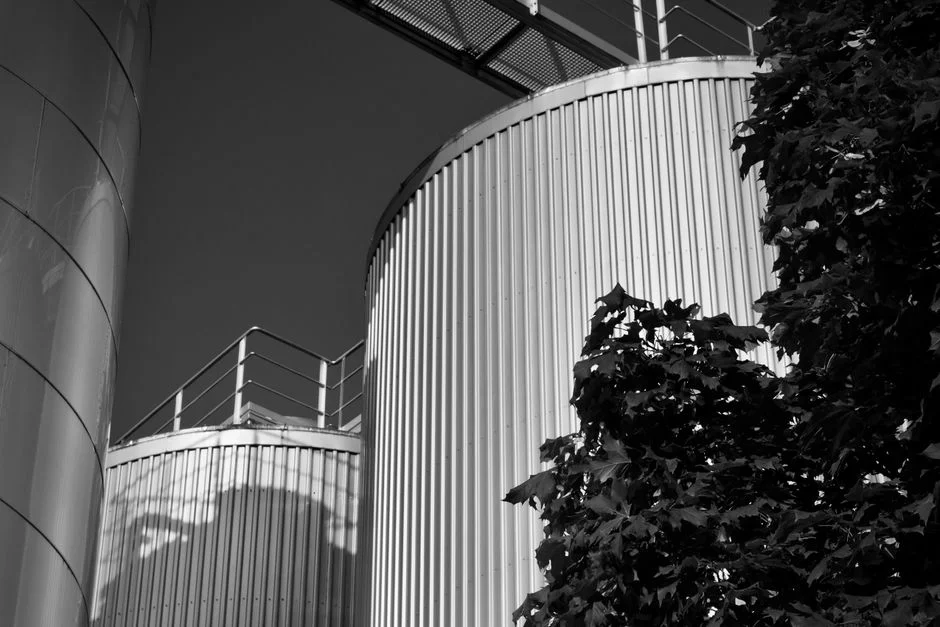
Mechanical installation follows a defined sequence: basin → aeration grid → decanter → pumps and actuated valves → sludge transfer. Install the aeration grid (membrane diffusers or coarse-bubble discs) and confirm air-distribution uniformity by walking the basin and verifying a consistent bubble pattern at every diffuser with the blower running at design airflow — a non-uniform pattern indicates a header or lateral imbalance. Install and level the decanter: for floating decanters, perform a free-movement check across the full travel and tension the stop cables so the weir rides level; for fixed-weir decanters, run a level survey across every weir to a ±2 mm tolerance so the entire weir crest sits in one horizontal plane. Install the sludge return and waste activated sludge (WAS) pumps along with their actuated valves; confirm rotation direction and stroke on every actuated valve against the I/O list before any control wiring is terminated. The WAS line should be traced and tested for continuity to the sludge handling system — for plants integrating an MBR downstream of the CASS basin, the HydropureWater integrated MBR membrane bioreactor system receives the CASS effluent directly, so the interconnecting hydraulic profile must match. Issue a mechanical completion certificate before any pre-commissioning work begins to separate construction from commissioning liability.
Electrical, Instrumentation, and PLC Commissioning
Electrical pre-commissioning determines whether a CASS plant runs on day one. Start with an insulation resistance (megger) test on every motor feeder, phase-rotation verification, earth-continuity check, and VFD parameter loading against the motor nameplate. Instrument validation then proceeds probe by probe: air-calibrate the DO probe and confirm saturation in clean water, verify the MLSS probe reads close to zero in clean water and a credible value in mixed liquor, exercise the level switches or ultrasonic level sensor at the decant trigger setpoint, and confirm the influent flow meter against a known volume. The PLC logic is walked through in manual mode for each phase: fill-cycle (influent valve open, aerator on demand), react-cycle (timer-driven DO control), settle-cycle (aerator off, decanter mechanically locked), decant-cycle (decant valve opens to level setpoint), and idle-cycle (all outputs at rest). Confirm the safety interlocks before any automatic cycle is run: the decant valve must not open if the aerator is running, and the aerator must not restart until the decanter is parked and the idle time has elapsed. Document every I/O on a loop-check sheet signed by both the commissioning engineer and the client's instrument technician. For nutrient removal stages, a packaged chemical-dosing skid — see the automatic chemical dosing system for a typical CASS-compatible configuration — should be loop-checked into the same PLC so the dosing interlocks ride on the same react-phase timer.
| Item | Test / Method | Acceptance Evidence |
|---|---|---|
| Motor insulation resistance | Megger at 500 V DC between phases and to earth | Reading recorded on loop sheet; compare to motor OEM minimum |
| Phase rotation / direction | Phase-sequence meter; bump start | Rotation matches pump/blower arrow |
| VFD parameters | Load motor nameplate values; ramp test | No overcurrent trip at design Hz |
| DO probe | Air-calibration in saturated clean water | Reads near saturation at ambient temperature |
| MLSS probe | Clean-water zero, then in mixed liquor | Stable reading consistent with lab TSS |
| Decant level trigger | Raise/lower test at setpoint | Switch / ultrasonic output toggles at design level |
| PLC interlocks | Force outputs in manual mode | Decant blocked when aerator on; aerator blocked when decanter not parked |
Dry Commissioning (Clean-Water Testing)
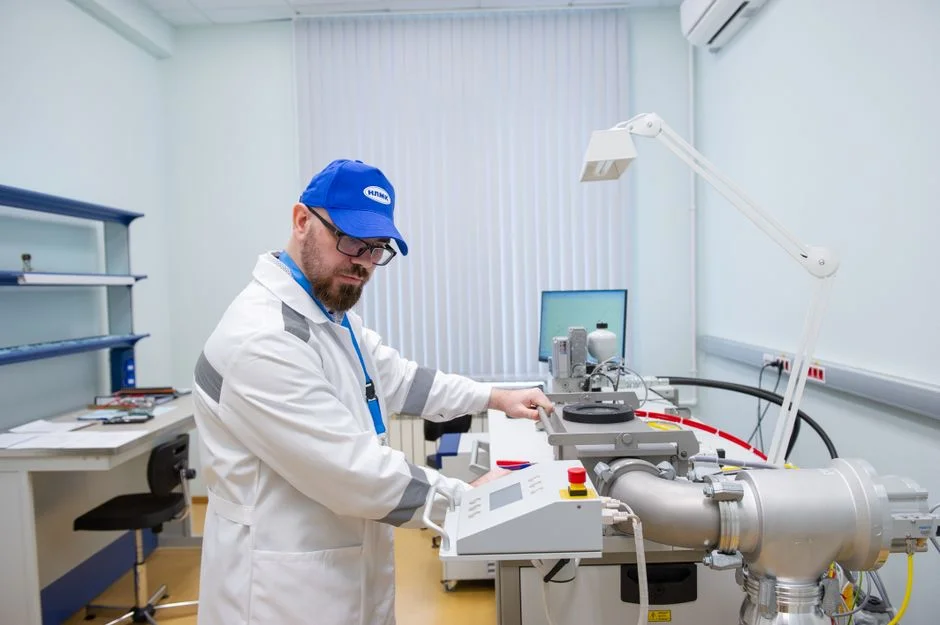
Dry commissioning — also called clean-water testing or pre-commissioning inspection — is the first acceptance run with the basin full of clean water and no biological load. Fill the CASS basin and run 2–3 full SBR cycles (fill, react, settle, decant, idle) to prove hydraulic continuity and cycle timing without sewage. Verify that the decant volume per cycle equals the design volume, record the time-to-decant, and confirm there is no measurable resuspension of any settled material during the decant phase — a clean-water cycle that pulls visible material off the floor is a hydraulic-design red flag. Measure and record the DO ramp in the react phase: with the aerator on demand, the DO trace should rise from near zero toward saturation over a curve that matches the design oxygen-transfer assumption; record the curve and file it with the commissioning report. Confirm that the MLSS probe reads close to zero in clean water and that the level switches or ultrasonic sensor trigger the decanter at the correct setpoint on every cycle. Any leak, vibration, or instrumentation fault found here is corrected and re-tested before live sewage is introduced.
Wet Commissioning with Live Sewage and Performance Verification
Wet commissioning involves introducing live sewage to the CASS basin, establishing the biological population, and measuring effluent quality against design and regulatory standards. Seed the basin with return activated sludge from a compatible plant or a commercial seeding product, then ramp influent flow gradually to design load over multiple cycles rather than shock-loading the biomass. Run the plant at the design SRT and HRT and hold MLSS in the design operating window — the typical CASS operating window for municipal sewage is in the mid-thousands of mg/L, but the exact target is set by the process designer for the specific load. Monitor SVI daily; a healthy SVI band sits in the well-settled range, and a rising SVI is the first warning of bulking that will destroy settle-phase clarity and bleed into the decant. Sample influent and effluent across at least one full cycle and record COD, BOD, TSS, NH₃-N, and pH on the same day so a cycle-by-cycle mass balance can be reconstructed. Compare results against the design effluent targets and the regulatory discharge standard — CPCB norms in India, EU UWWTD 91/271/EEC for urban waste water, US NPDES limits — and file the verified results as the core of the commissioning report. Foam events during start-up are common in cyclic plants; the foam control in wastewater treatment 2026 guide covers antifoam dosing and surface-scraper options that fit a CASS basin.
| Parameter | Influent (typical municipal) | Effluent Target | Regulatory Reference |
|---|---|---|---|
| COD | 250–500 mg/L | < design value, per discharge consent | CPCB / SPCB; EU UWWTD; US NPDES |
| BOD | 150–300 mg/L | < design value, per discharge consent | CPCB / SPCB; EU UWWTD; US NPDES |
| TSS | 200–400 mg/L | < design value, per discharge consent | CPCB / SPCB; EU UWWTD; US NPDES |
| NH₃-N | 20–50 mg/L | < design value, per discharge consent | CPCB / SPCB; EU UWWTD; US NPDES |
| pH | 6.5–8.0 | 6.5–8.5 typical | CPCB / SPCB; EU UWWTD; US NPDES |
| MLSS (in basin) | — | Within designer's specified operating window | Process design basis |
| SVI | — | Within healthy settled-sludge band | Process design basis |
Operator Training and Handover

The most common CASS failure mode is an untrained operator who overrides the cycle, runs the aerator during settle, or wastes sludge at the wrong phase. Run hands-on training for the client's operators in parallel with wet commissioning, so trainees are signed off on the live plant they will actually run. Training scope covers cycle timing and override philosophy, decanter operation and park-position checks, MLSS and SVI sampling, DO setpoint adjustment, sludge wasting at the correct phase, and emergency procedures including power failure and aerator trip. Hand over the complete document pack: as-built drawings, O&M manual, commissioning report, performance test results, instrument calibration certificates, and the Certificate of Commissioning. Issue the punch list of open items with target closure dates before the regulator's Consent to Operate inspection. Tie warranty and AMC start dates to the Certificate of Commissioning, not to mechanical completion, to resolve potential contractual disputes.
Frequently Asked Questions
What does commissioning a CASS sewage treatment plant actually include?
It includes site readiness verification, mechanical and electrical installation, dry (clean-water) commissioning, wet commissioning with live sewage, performance verification against the design effluent and the regulatory discharge standard, operator training, and a signed commissioning report plus Certificate of Commissioning used to obtain Consent to Operate from the SPCB/PCC.
How long does CASS plant commissioning take from first site visit to handover?
For a typical 50–5,000 m³/day CASS plant, plan on roughly 1–2 weeks of dry commissioning after mechanical completion, followed by 4–8 weeks of wet commissioning and biology establishment before performance testing can produce defensible effluent numbers; total elapsed time depends on influent strength and seeding strategy.
What documents are required for CASS plant handover and regulatory sign-off?
The handover pack includes as-built drawings, O&M manual, commissioning report with performance test results, instrument calibration certificates, mechanical and electrical completion certificates, and the Certificate of Commissioning; the regulator also requires the Consent to Establish and Consent to Operate applications filed under the Water Act, 1974 (or the EU UWWTD / US NPDES equivalent outside India).
What are the most common things that go wrong during CASS commissioning?
The recurring failures are: decanter weir not level (causes poor effluent clarity), PLC interlocks not tested (causes aerator restart during decant and washes out settled sludge), MLSS operated outside the design window, SVI rising into bulking territory because wasting is timed wrong, and operators signed off without live-plant training. For a deeper fault list on a related technology, the MBR common problems and solutions 2026 troubleshooting guide covers membrane-