ZLD Is Now a Legal Floor, Not a Sustainability Choice
Zero Liquid Discharge is mandatory in 2026 for textile dyeing units located in India's notified industrial clusters — Tiruppur, Erode, Karur, Ichalkaranji, and parts of Surat — under CPCB and state PCB orders issued between 2015 and 2017, and for Chinese dyeing/washing plants operating in GB 4287-2012 Class I watersheds. In practice, the trigger is no longer just the law: EU REACH, ZDHC MRSL 3.1, and major brand codes of conduct now require ZLD-equivalent water reuse for any mill exporting into the EU or to signatory brands, regardless of geography.
The adoption data confirms the regulatory pull. Nearly three-quarters of Indian textile producers had installed or commissioned ZLD systems by FY2025, up from under 40% in FY2022 (per industry press, FY2025). In Gujarat, a single 04/04/2017 GPCB notification forced more than 200 Surat-area units to retrofit within 18 months — a cluster-level shock that catalysed local engineering capacity and drove the 30% energy-reduction designs now standard in Indian hybrid ZLD skids.
Two Indian instruments are the load-bearing pieces. First, the CPCB directions issued under the Water (Prevention and Control of Pollution) Act 1974, which set industry-specific effluent standards and require state PCBs to translate them into consent conditions. Second, the 04/04/2017 GPCB notification that made ZLD a precondition for consent-to-operate renewal at dyeing units in Surat, Jetpur, and Palsana estates. On the Chinese side, GB 4287-2012 and GB 30486-2013 set COD, salinity, and TDS caps that are physically unmeetable without closed-loop evaporation and crystallization in Class I–II watersheds. For the full cross-jurisdictional picture on related effluent parameters, see our guide to oil and grease discharge limits in 2026 across US EPA, EU, China, and India.
The Indian Trigger Chain: CPCB, GPCB, TNPCB, and Cluster Orders
The Indian regulatory cascade is hierarchical and traceable: the Water Act 1974 delegates standard-setting to CPCB, which publishes industry-specific effluent norms; state PCBs (GPCB, TNPCB, MPCB, PPCB) operationalize those norms through cluster-level notifications and individual consent-to-operate conditions. A textile mill's legal exposure runs through the consent document, not the national standard — so the cluster notification is what actually triggers a CAPEX decision.
The two cluster orders that bind the largest installed base are dated and named. The 2017 Tamil Nadu Director of Town and Country Planning (DTCP) order, executed jointly with TNPCB, made ZLD a consent precondition for bleaching and dyeing ETPs across the Tiruppur–Erode–Karur dyeing hub — the order covers both new and existing units and has been enforced through consent renewals since 2018. The GPCB notification dated 04/04/2017 applied the same logic to Surat, Jetpur, and Palsana industrial estates, requiring ZLD for new and existing textile dyeing units; more than 200 plants completed retrofit by mid-2019. Above these cluster orders sits the 2015 MoEFCC Office Memorandum that directed all state PCBs to phase in ZLD for high-TDS, high-water-consumption industries including textiles — the political cover every state notification now cites.
The 2024–2026 trajectory is tightening, not loosening. The MoEFCC ZLD review committee has issued working papers recommending TDS discharge caps below 100 mg/L and recoverable-salt targets of 60–80% for new textile ETPs. CPCB's 2025 draft norms for the textile sector mirror these targets and are expected to be notified as binding standards in 2026–2027. UN University's 2026 finding that roughly 4 billion people face severe water scarcity at least one month per year is the political backdrop: domestic water-stress framing is accelerating, not delaying, these orders. The table below maps the binding instruments a mill owner should have on file before any consent renewal hearing.
| Instrument | Date | Scope | Enforcing Body |
|---|---|---|---|
| MoEFCC OM on ZLD phasing | 2015 | High-TDS, high-water industries incl. textiles — all states | State PCBs (via CPCB) |
| TN DTCP / TNPCB cluster order | 2017 | Tiruppur, Erode, Karur dyeing hub | TNPCB consent renewal |
| GPCB notification | 04/04/2017 | Surat, Jetpur, Palsana estates — new & existing dyeing units | GPCB consent renewal |
| CPCB draft textile effluent norms | 2025 (draft, 2026-2027 binding) | TDS <100 mg/L, 60-80% salt recovery | CPCB / state PCBs |
The Chinese Trigger Chain: GB Standards, Discharge Permits, and Dyeing Park Policy

China's textile compliance regime runs through two national standards and one provincial licensing system. GB 4287-2012 sets COD (≤100 mg/L direct discharge, ≤200 mg/L to municipal sewer), BOD₅, color, pH, and TDS limits for textile wastewater; in Class I and Class II surface-water protection zones — which cover most of the Yangtze and Pearl river basins — the salinity and TDS caps are unmeetable without closed-loop evaporation or crystallization. GB 30486-2013, issued in 2014, addresses salt content in textile effluents directly and pushes mills toward recovery rather than dilution.
The Discharge Permit System (排污许可证) operationalizes these standards. Post-2017 permits issued to dyeing and washing plants include reuse-rate conditions that have escalated from 30% to 50%+ on permit renewal cycles — a glide path that approaches ZLD for plants in water-stressed provinces. The provincial dyeing-park consolidation policy (印染园区) takes this further: in Zhejiang (Keqiao, Xiaoshao), Jiangsu (Changshu, Wujiang), and Xinjiang (Aksu), new entrants are issued permits only with ZLD-class reuse, and incumbents face incremental reuse targets at each permit renewal. The 2025–2026 policy layer adds MEE/MVR crystallizer capex subsidies in several provinces and counts treated-effluent reuse as a scored KPI in the carbon-water dual-control assessments (碳水双控) that govern provincial industrial growth quotas.
| Instrument | Year | Scope | Effective Trigger |
|---|---|---|---|
| GB 4287-2012 | 2012 (current) | COD, BOD, color, pH, TDS for textile WW | Class I–II watershed = ZLD effectively required |
| GB 30486-2013 | 2013 (issued 2014) | Salt content in textile effluents | High recovery unattainable without evaporation/crystallization |
| Discharge Permit System | Post-2017 | Reuse-rate conditions on renewal | Escalating from 30% → 50%+ reuse |
| Dyeing park licensing (Zhejiang, Jiangsu, Xinjiang) | 2018–2026 | New entrants + renewal tightening | ZLD-class reuse as permit precondition |
The Export-Market Trigger: EU, ZDHC, and Brand-Level Pressure
For an exporter, the binding question is rarely domestic. EU REACH now flags azo dye breakdown products, alkylphenol and alkylphenol ethoxylates (AP/APEO), and PFAS compounds on its SVHC list; mills that cannot demonstrate closed-loop reuse risk Restricted Substance List hits when buyers audit wastewater and sludge. ZDHC MRSL 3.1, released in 2024 and now in force, requires signatory brands to demand ZDHC InCheck reports demonstrating wastewater and sludge conformance — a ZLD-class system is the cleanest path to conformance, and ZDHC signatory brands number over 100 globally as of early 2026.
Brand-side pressure is now quantified. The Higg FEM v3 water module scores mills on freshwater withdrawal per kg of fabric; major buyers including H&M, Inditex, and PVH now expect sub-50 L/kg on new production lines per their 2025 supplier standards. The EU CBAM transition, with 2026 as the first reporting year, introduces water-intensity disclosure on covered textile imports and indirectly rewards ZLD adopters with lower reported embedded-water values. Typical cotton dyeing sits at 100–150 L/kg; reaching sub-50 L/kg is functionally near-ZLD, and 50–100 L/kg is partial reuse that is acceptable only with explicit brand sign-off.
| Driver | Current Status (2026) | Mill Implication |
|---|---|---|
| EU REACH SVHC | AP/APEO, azo breakdown products, PFAS listed | Closed-loop reuse reduces RSL audit risk |
| ZDHC MRSL 3.1 | In force since 2024; 100+ signatory brands | ZLD-class system supports InCheck conformance |
| Higg FEM v3 water | Sub-50 L/kg expected on new lines (H&M, Inditex, PVH 2025) | 100-150 L/kg typical → retrofit required |
| EU CBAM water disclosure | 2026 reporting year begins | ZLD adopters report lower embedded-water |
Cluster-by-Cluster ZLD Status Table (2026)
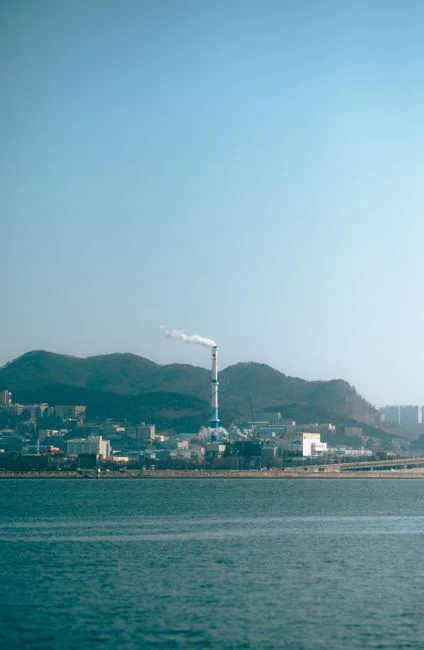
If your cluster is in the Mandatory column and you do not yet have ZLD, your consent-to-operate renewal is at risk in 2026. Use the table to identify the exact instrument, the enforcing authority, and whether the order binds already-operating plants (retrospective) or only new and expansion cases (prospective).
| Cluster | Country | Mandate Status | Binding Instrument | Enforcing Authority | Retrospective? | Next Review |
|---|---|---|---|---|---|---|
| Tiruppur, Erode, Karur | India | Mandatory | TN DTCP / TNPCB order 2017 | TNPCB | Yes (existing + new) | 2026 consent cycle |
| Surat, Jetpur, Palsana | India | Mandatory | GPCB notification 04/04/2017 | GPCB | Yes (200+ units retrofitted 2017-2019) | 2026 consent cycle |
| Ludhiana | India | Partial (knitwear focus) | PPCB cluster directions 2018-2020 | PPCB | Partial | 2027 |
| Ichalkaranji, Bhiwandi | India | Pending / under CPCB draft 2025 | CPCB draft textile norms 2025 | MPCB | Prospective (expected) | 2026-2027 |
| Coimbatore | India | Mandatory by site consent | TNPCB individual consents | TNPCB | Yes | 2026 |
| Keqiao, Xiaoshao | China | Mandatory (new); recommended (incumbents) | Zhejiang dyeing-park rules | Zhejiang provincial ecology dept. | Prospective + incremental | Permit renewal cycle |
| Changshu, Wujiang | China | Mandatory (new); recommended (incumbents) | Jiangsu dyeing-park rules | Jiangsu provincial ecology dept. | Prospective + incremental | Permit renewal cycle |
| Aksu (Xinjiang) | China | Mandatory (new entrants only) | Xinjiang dyeing-park licensing | Xinjiang AR ecology dept. | Prospective | Annual permit review |
| Narayanganj, Savar | Bangladesh | Recommended; mandatory for EPZ exporters | DoE 2023 guideline | Department of Environment | EPZ only | 2027 |
Export-Market Decision Matrix: When Your Buyer Forces ZLD
The matrix below translates the legal question into a procurement question: given a buyer profile, is ZLD required, expected, or optional? Note that the same matrix governs Chinese mills selling into ZDHC signatory brands — buyer geography, not mill geography, decides the urgency.
| Buyer Type | Required ZLD Level | Trigger Logic |
|---|---|---|
| EU mass-market (cotton) | ZLD by 2027 | ZDHC MRSL 3.1 + Higg FEM v3 sub-50 L/kg target |
| EU luxury / premium | ZLD now | Buyer codes of conduct (2025 revisions) reference 90%+ reuse |
| US specialty (nylon, technical) | ZLD expected by 2028 | ZDHC signatory + brand-level water targets |
| Domestic brand (India / China) | No mandate yet — but local PCB order may apply | Cluster status table governs |
| Commodity export (undyed / grey fabric) | Not required | Unless buyer signs ZDHC |
The wider market data confirms the direction of travel. The ZLD market is projected to grow from USD 8.4 Bn in 2026 to USD 13.8 Bn by 2033 at a 7.7% CAGR (per Coherent Market Insights, 2026-06), with the hybrid membrane-plus-thermal segment dominant because it cuts energy use by ~30% versus legacy forced-circulation designs. When in doubt, plan for ZLD — payback periods on hybrid systems are now under 4 years for mills above 5,000 m³/day, and salt recovery can offset 15-20% of OPEX. For a closer look at the RO pre-concentration step that gates the whole train, see our industrial RO for concentrate pre-concentration before crystallization.
What a 2026 ZLD Retrofit Actually Looks Like
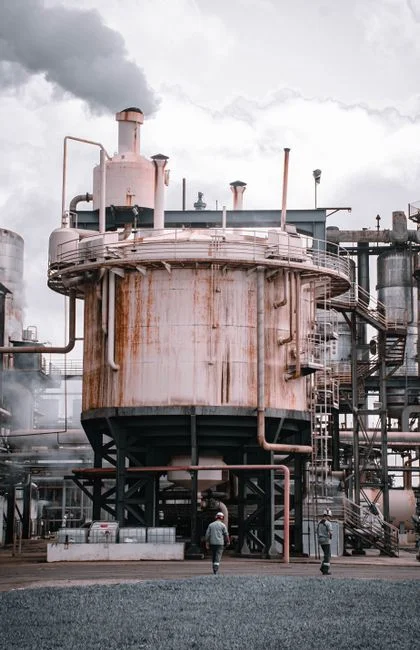
A modern hybrid ZLD train for a textile dyeing plant typically runs: equalization → primary clarification (DAF or lamella clarifier for high-rate primary settling in textile ETP) → biological treatment (MBR or SBR) → RO pre-concentration → thermal evaporation and crystallization (MEE or MVR). The role of each unit operation is specific: a DAF unit for color and suspended solids removal in textile effluent cuts color and SS upstream of biology; an MBR system for biological COD polishing in textile ZLD pretreatment drives effluent COD low enough for RO membrane protection; RO recovers 70-80% of the flow as reusable permeate; the remaining 20-30% brine goes to MEE/MVR for salt crystallization.
The 2026 cost band is USD 800-1,800 per m³/day installed for a hybrid membrane-plus-thermal ZLD, with OPEX of USD 0.40-0.80 per m³ treated (industry benchmark, 2026). Salt recovery is the OPEX offset: 60-80% of Glauber salt and NaCl can be crystallized and resold, recovering an estimated 15-20% of operating cost in documented Indian cases. Energy consumption for hybrid systems runs ~30% below legacy forced-circulation designs, per industry reporting on VA Tech Wabag and Ion Exchange offerings in 2026. Realistic project timeline is 12-18 months from purchase order to commissioning — meaning any plant that waits until 2027 risks missing both the Indian consent renewal cycles and the 2027 EU mass-market ZLD target.
Frequently Asked Questions
Is ZLD mandatory for textile units in Tiruppur in 2026?
Yes. The 2017 TN DTCP / TNPCB cluster order makes ZLD a consent-to-operate precondition for bleaching and dyeing ETPs across the Tiruppur, Erode, and Karur dyeing hub. The order is retrospective — it binds both existing and new units — and TNPCB enforces it at consent renewal. See the cluster table above for the instrument and enforcing authority.
Which Chinese clusters require ZLD for textile dyeing in 2026?
Keqiao and Xiaoshao (Zhejiang), Changshu and Wujiang (Jiangsu), and Aksu (Xinjiang) require ZLD-class reuse for new entrants under provincial dyeing-park licensing. Incumbents face escalating reuse targets on permit renewal, currently at 50%+ and rising. GB 4287-2012 Class I–II watershed limits make ZLD effectively mandatory wherever salinity and TDS caps cannot otherwise be met.
Do EU buyers require ZLD from Indian or Chinese textile suppliers?
Not always as a named ZLD requirement, but the ZDHC MRSL 3.1 InCheck expectation and Higg FEM v3 sub-50 L/kg water target from H&M, Inditex, and PVH (2025 supplier standards) make closed-loop reuse the practical compliance path. EU luxury and premium buyers increasingly name 90%+ reuse in their 2025 supplier codes. The decision matrix above maps buyer type to required ZLD level.
What is the realistic 2026-2027 timeline for a ZLD retrofit?
12-18 months from purchase order to commissioning for a hybrid membrane-plus-thermal system at 2,000-5,000 m³/day. Plants that begin procurement in H1 2026 can complete commissioning by H1 2027; plants that delay to 2027 risk missing both the 2026-2027 Indian consent renewals and the 2027 EU mass-market ZLD target. The cost band is USD 800-1,800 per m³/day installed (2026 benchmark).
Are there Indian ZLD clusters beyond Tiruppur and Surat?
Yes. Erode and Karur fall under the same 2017 TN DTCP / TNPCB order. Ludhiana is under a partial PPCB mandate. Ichalkaranji and Bhiwandi are not yet mandatory but sit under MPCB enforcement of the CPCB 2025 draft norms, which are expected to bind in 2026-2027. Coimbatore is mandatory by individual site consent.
Where can I find the CPCB chromium discharge limit that often applies alongside ZLD?
CPCB chromium discharge limits and treatment options for Indian textile units are covered in our 2026 CPCB standards and treatment guide. Chromium and ZLD are typically co-managed because the chrome recovery step is often embedded in the same brine evaporation train.