Why Kigali Hotels Need Their Own Wastewater Treatment System
Kigali's 1.2 million residents and its hotel corridor operate almost entirely on decentralized on-site wastewater systems because the city has no central sewerage network — a reality confirmed in the MDPI sustainability assessment of Kigali's on-site sanitation (2022–2024). For a developer building a 120-room hillside resort with no municipal sewer access, this means every kilogram of BOD, every litre of kitchen grease, and every cubic metre of laundry discharge must be treated and either reused on-site or removed by tanker under a permit. Rwanda Standard RS EAS 184:2019 and the REMA General Effluent Guidelines define the legal ceiling for that discharge.
Hotel wastewater in Kigali typically runs 150–250 L per guest-night, with kitchen FOG (fats, oils, and grease) at 50–200 mg/L and laundry surges hitting 2–3× average flow during morning and evening peaks. The influent is stronger than domestic sewage because of restaurant grease, high-surfactant laundry, and pool backwash spikes. Kigali's topography compounds the problem: hilly sites, clay soils with low permeability, and a high seasonal water table rule out conventional soak-pit disposal for any resort above 30 rooms. A packaged biological plant — sized to REMA's 50 mg/L BOD and TSS ceilings — is the only practical path for compliance.
Rwanda's 2026 Wastewater Compliance Framework for Hotels
Hotels in Kigali must design to two binding instruments in 2026: the REMA General Effluent Guidelines (2024 revision, still in force) and Rwanda Standard RS EAS 184:2019 for septic and packaged plants. REMA sets the discharge ceiling — BOD ≤50 mg/L, COD ≤150 mg/L, TSS ≤50 mg/L, pH 6–9, fecal coliforms ≤200 CFU/100 mL, oil and grease ≤10 mg/L — and any plant that cannot consistently hit these numbers will fail the Environmental Impact Assessment (EIA) review at the Rwanda Development Board (RDB).
RS EAS 184:2019 specifies the structural envelope for septic and packaged systems: minimum 100 mm reinforced concrete cover, hydraulic retention time ≥24 hours for domestic-strength sewage, access manways at every chamber, and watertight joints tested to 50 kPa. Hotel projects above 30 rooms or 50 m³/day flow trigger a full EIA through RDB; below that threshold, a Project Brief is sufficient, but the same effluent limits still apply. For full process guidance, the WHO 2006 Guidelines for the Safe Use of Wastewater, Excreta and Greywater remains the reference document cited by Rwandan consultants for sizing and reuse criteria.
Discharge options on a Kigali hillside site are limited. Soak pits work only where soil percolation exceeds 12 mm/hr and the water table sits below 1.5 m — rare in the clay-rich Nyarugenge and Gasabo districts. Irrigation of landscaped grounds is the preferred route for resorts with 0.5+ hectares of open land, and it converts a compliance problem into an OPEX credit. Tankered removal to a licensed facility is the fallback for tight sites, at typical 2026 rates of USD 15–25 per 5 m³ load.
| Parameter | REMA limit (2026) | Design target for packaged plant | Notes |
|---|---|---|---|
| BOD₅ | ≤50 mg/L | ≤30 mg/L | Buffer for peak-load excursions |
| COD | ≤150 mg/L | ≤100 mg/L | Ratio to BOD ~2:1 for hotel sewage |
| TSS | ≤50 mg/L | ≤20 mg/L | MBR can deliver <5 mg/L |
| pH | 6–9 | 6.5–8.5 | No chemical correction typically needed |
| Fecal coliforms | ≤200 CFU/100 mL | ≤100 CFU/100 mL | Post-disinfection sample |
| Oil & grease | ≤10 mg/L | ≤5 mg/L | DAF pre-treatment required |
How to Characterize Hotel & Resort Wastewater in Kigali
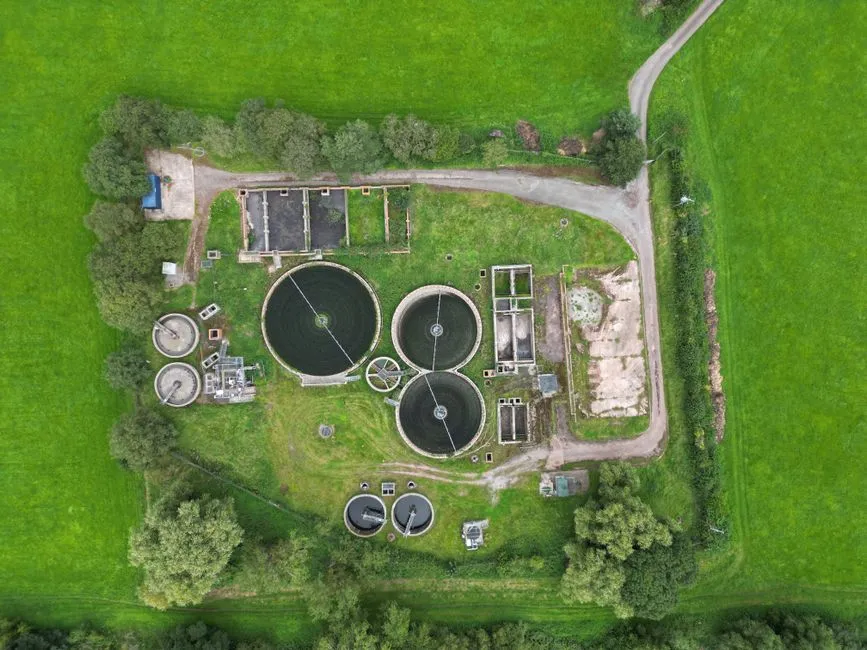
Sizing a packaged plant correctly starts with honest flow and load numbers, not the optimistic figures some suppliers quote. The working rule for Kigali hotels is 200 L per guest-night plus 50 L per staff shift, multiplied by a peak factor of 2.5× to capture the morning shower block (06:00–09:00) and the evening laundry and dinner surge (18:00–22:00). For a 100-room resort at 70% occupancy with 40 staff, that works out to roughly 16,000 L/day average and a 40,000 L/day peak — and the biological stage must be sized to the peak, not the average.
Influent characterization for a typical Kigali resort falls in these bands: BOD 250–600 mg/L, COD 500–1,200 mg/L, TSS 200–500 mg/L, and FOG 80–250 mg/L from kitchens, plus a surfactant load from laundry that can push COD upward during linen cycles. Kigali's ambient temperature runs 18–24°C year-round, which is comfortably inside the mesophilic range (15–35°C) — no winterization, no heating coils, and biological kinetics are favourable compared to high-altitude sites in Ethiopia or Kenya.
Wastewater segregation is a design lever most packaged suppliers ignore. Splitting greywater (showers, basins, laundry) from blackwater (toilets) lets the larger greywater stream — typically 60–70% of total volume and weaker in BOD — be routed to a simpler biological stage or a subsurface irrigation system, while the blackwater gets the full MBBR or MBR treatment train. For a 100-room resort, greywater separation can cut the load on the main biological stage by 40% and reduce tankage costs meaningfully.
Technology Comparison: Septic, MBBR, SBR, and MBR for Kigali Resorts
Four technology families realistically compete for a Kigali hotel plant: septic tanks (with or without a soak-away), Moving Bed Biofilm Reactors (MBBR), Sequencing Batch Reactors (SBR), and Membrane Bioreactors (MBR). Each has a different cost-effort-footprint profile, and the wrong choice either blows the CAPEX budget or fails the REMA effluent test on day one.
Septic alone is the cheapest at USD 8,000–25,000 installed for a small guesthouse, but effluent BOD routinely runs 100–200 mg/L — well above the REMA 50 mg/L ceiling. It is acceptable only for properties below the 30-room EIA threshold on sites with proven soil percolation. For anything larger, biological treatment is non-negotiable.
MBBR uses free-floating plastic biofilm carriers (typically 500–700 m²/m³ specific surface area) in an aerated tank, with no sludge recirculation loop. It tolerates the 2.5× peak factor that Kigali hotels generate, delivers effluent BOD of 20–40 mg/L, and occupies roughly 40% less footprint than conventional activated sludge (per SSI Aeration, 2024). The MBBR pathway is well-suited to mid-size resorts where a balance of CAPEX, robustness, and operator simplicity matters.
SBR (Sequencing Batch Reactor) runs fill–react–settle–draw cycles in a single tank. Effluent quality is strong when tuned, but the system depends on reliable automated valves, level sensors, and decanter mechanisms — a maintenance liability outside Kigali where spare parts and PLC technicians are scarce. MBR combines a suspended-growth biological stage with 0.1 µm PVDF ultrafiltration membranes. Per the integrated MBR membrane bioreactor system specifications, MBR delivers effluent BOD below 10 mg/L and TSS below 5 mg/L — well inside REMA limits and reusable for landscape irrigation. Footprint is roughly 60% smaller than an equivalent conventional activated sludge plant, but power draw is higher due to membrane air-scour (typically 0.3–0.5 kWh/m³) and periodic chemical cleaning every 6–12 months.
| Technology | CAPEX (USD, 50 m³/day) | OPEX (USD/m³) | Footprint (m²) | Effluent BOD (mg/L) | Operator skill | Reuse suitable |
|---|---|---|---|---|---|---|
| Septic tank + soak pit | 8,000–25,000 | 0.05–0.10 | 40–80 | 100–200 | Low | No |
| MBBR | 60,000–120,000 | 0.30–0.50 | 25–40 | 20–40 | Medium | Limited |
| SBR | 70,000–140,000 | 0.35–0.55 | 30–50 | 15–30 | High | Limited |
| MBR (PVDF) | 120,000–250,000 | 0.40–0.65 | 15–25 | <10 | Medium-high | Yes |
For most Kigali resorts in the 50–200 m³/day range, MBBR hits the cost-performance sweet spot. MBR is the right answer when irrigation reuse is part of the resort's water strategy or when the site is footprint-constrained. Septic-only is reserved for boutique lodges below 30 rooms; the WSZ underground integrated sewage treatment plant is a common packaged option in that class, combining a septic chamber with a buried biological stage that keeps the resort aesthetic intact.
Recommended Process Train for a 100-Room Kigali Resort
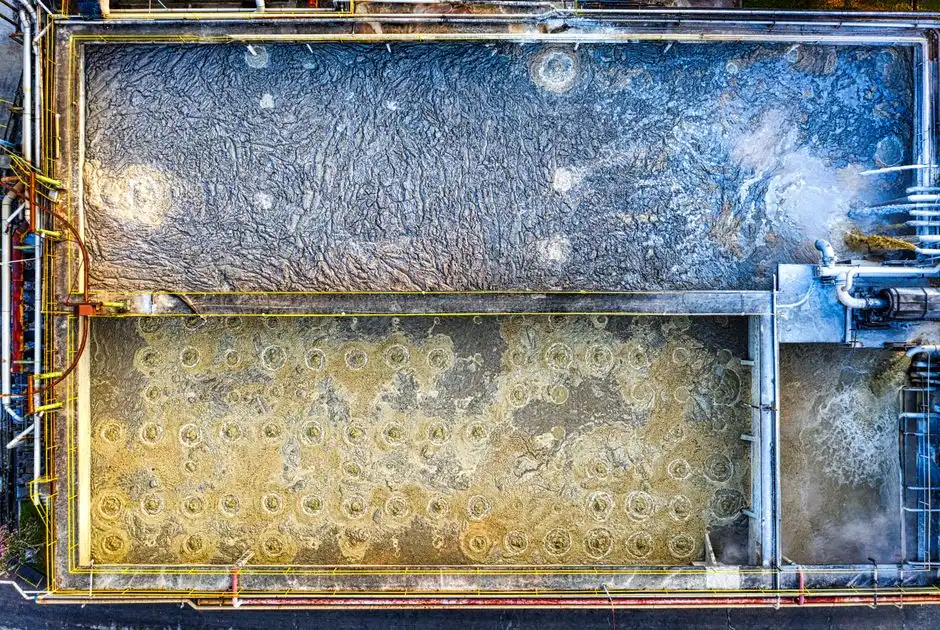
For a 100-room resort at 70% occupancy (≈16 m³/day average, 40 m³/day peak), the proven process train runs through six stages — bar screening, FOG removal, equalization, biological treatment, disinfection, and sludge handling. Specifying each stage correctly is the difference between a plant that passes the RDB inspection and one that ends up in a REMA non-compliance notice.
- Pre-screening. A GX series rotary mechanical bar screen with 5 mm aperture removes rags, plastics, and kitchen debris before they damage downstream pumps and membranes. For a 100-room plant, a 0.5–1.0 m³/h screen capacity is sufficient.
- FOG and floatable removal. A dissolved air flotation system on the kitchen waste line achieves >90% oil and grease removal, dropping influent FOG from 150–250 mg/L to below 25 mg/L and protecting the biological stage from shock loads.
- Equalization. A 30–40 m³ equalization tank buffers the 2.5× peak factor and provides pH and temperature dampening before the biological stage.
- Biological treatment. For MBBR, the working volume is sized at 6–8 hours HRT at peak flow; for MBR, the same HRT applies upstream of the membrane cassette. DF series flat-sheet modules (0.1 µm PVDF, per HydropureWater field data 2026) handle 32–135 m³/day per unit and tolerate the surfactant load from on-site laundry.
- Disinfection. A chlorine dioxide generator (50 g/h to 20,000 g/h capacity) provides reliable microbial control to meet the REMA ≤200 CFU/100 mL fecal coliform limit, with the advantage of lower trihalomethane formation compared to chlorine at Kigali's ambient temperatures.
- Sludge dewatering. A plate and frame filter press reduces waste-activated sludge to 30–35% dry solids for off-site disposal, cutting tanker volume by 75% compared to liquid sludge removal.
Cost Model: CAPEX and OPEX for a Kigali Hotel in 2026
Budget numbers for a Kigali hotel in 2026 fall into three size brackets, with MBBR dominating the mid-range and MBR the premium end. All figures include equipment, civil works, installation, and commissioning; they exclude land cost and grid connection fees, which vary by district.
| Property size | Design flow | Recommended system | CAPEX (USD) | OPEX (USD/m³) | Notes |
|---|---|---|---|---|---|
| Small lodge (10–30 rooms) | 5–20 m³/day | WSZ underground packaged | 25,000–55,000 | 0.40–0.65 | Buried installation, low visibility |
| Mid-size resort (50–150 rooms) | 30–80 m³/day | MBBR or MBR | 80,000–180,000 | 0.35–0.55 | Containerized or skid options |
| Large resort (200+ rooms) | 120–200 m³/day | MBR + reuse loop | 220,000–500,000 | 0.30–0.50 | 40–60% irrigation reuse offsets OPEX |
The water-reuse offset is the most under-appreciated number in this model. MBR effluent can supply 40–60% of landscape irrigation demand, saving 15–25 m³/day of potable water at Kigali's 2026 tariff of roughly USD 1.20/m³ — an annual saving of USD 6,500–11,000 per 100-room resort. Over a 10-year operating horizon, that offsets a meaningful slice of the MBR CAPEX premium. For buyers benchmarking against other East-African markets, the Wastewater Treatment Plant Cost in Nigeria 2026 breakdown offers a useful regional comparison point.
Decision Framework: Choosing the Right System for Your Kigali Property
Five questions settle the technology choice for most Kigali hotel projects. Run them in order and the answer usually falls out cleanly.
- Is the site under 500 m² and below 30 rooms? Specify a WSZ underground packaged plant — lowest CAPEX, buried installation, and fast RDB approval under the Project Brief track.
- Is landscape irrigation reuse planned and rooms 50–150? Specify MBR with DF series PVDF flat sheet membrane modules for near-potable effluent and the reuse offset described above.
- Is the kitchen a major operation (more than 200 covers/day)? Add DAF pre-treatment ahead of the biological stage; FOG shock loads will otherwise collapse nitrification and trigger REMA non-compliance within months.
- Is the site remote with unreliable grid power? Favor MBBR with low-energy coarse-bubble aeration over MBR; MBR's continuous membrane air-scour cannot tolerate the 4–6 hour outages common in rural Rwanda.
- Will skilled operators be on-site daily? If not, specify PLC automation with remote monitoring — see the engineering guide on remote monitoring for sewage treatment for the architecture typical of Rwandan resort plants.
Frequently Asked Questions
What size wastewater treatment plant does a 100-room hotel in Kigali need?
A 100-room resort at typical 70% occupancy needs a plant rated for 30–50 m³/day average flow with a 2.5× peak factor, putting the design capacity at 75–125 m³/day. An MBBR or MBR skid in that range is the standard specification.
What are Rwanda's 2026 discharge limits for hotel wastewater?
REMA General Effluent Guidelines (2024 revision, in force 2026) require BOD ≤50 mg/L, COD ≤150 mg/L, TSS ≤50 mg/L, pH 6–9, fecal coliforms ≤200 CFU/100 mL, and oil and grease ≤10 mg/L for any discharge to land or watercourse.
Can hotel wastewater be reused for irrigation in Rwanda?
Yes, provided it meets REMA's fecal coliform limit (≤200 CFU/100 mL) and WHO 2006 guidelines for restricted irrigation. MBR effluent typically satisfies both and is widely reused for landscape irrigation at Kigali resorts.
How much does a packaged wastewater treatment plant cost in Rwanda in 2026?
A small lodge (10–30 rooms) runs USD 25,000–55,000 installed; a mid-size resort (50–150 rooms) USD 80,000–180,000; a large resort (200+ rooms) with MBR and reuse USD 220,000–500,000. OPEX sits in the USD 0.30–0.65/m³ range depending on technology.
Does a small lodge (under 30 rooms) need an EIA for wastewater in Kigali?
Below 30 rooms or 50 m³/day, a Project Brief through RDB is sufficient rather than a full EIA, but REMA effluent limits and RS EAS 184:2019 structural requirements still apply to the packaged plant.