The most reliable sewage treatment plant suppliers in Cebu for 2026 combine DENR DAO 1990-35 compliant process design (BOD 30 mg/L, TSS 50 mg/L, Fecal Coliform 200 MPN/100 mL), containerized MBBR or MBR skids sized to your peak flow, and documented typhoon/grid-loss commissioning. For 50–500 m³/day flows, expect CAPEX of $18,000–$95,000 and OPEX of $0.18–$0.55 per m³ treated, with international package-plant suppliers (China, India) competing against local EPC firms like Pro-Envirotek on installed cost, not on effluent guarantees.
Why Cebu Buyers Need a Specialized STP Selection Process
Achieving compliance with DENR DAO 1990-35 effluent standards is the primary driver for all industrial and commercial sewage treatment plant installations in Cebu. This regulation mandates strict discharge thresholds, including Biochemical Oxygen Demand (BOD) of 30 mg/L, Total Suspended Solids (TSS) of 50 mg/L, Fecal Coliform of 200 MPN/100 mL, and Oil & Grease (FOG) of 5 mg/L (per DENR DAO 1990-35, Section 4). Failure to meet these limits can result in substantial fines and operational shutdowns, making robust process design non-negotiable for any wastewater discharge permit in the Philippines.
Beyond regulatory adherence, Cebu's unique environmental and infrastructural conditions necessitate specialized STP designs. The region is highly susceptible to typhoons, requiring structural certification for outdoor equipment to withstand wind speeds of at least 250 kph (Philippine Atmospheric, Geophysical and Astronomical Services Administration data, 2025). Power reliability is another critical factor; facilities often experience 4–8 hour grid outages, demanding either built-in buffer capacity or seamless synchronization with genset power. For coastal sites, particularly in areas like Consolacion and Mactan, saline intrusion can elevate influent Total Dissolved Solids (TDS) levels to over 1,500 mg/L, which impacts biological treatment efficiency and material selection (HydropureWater field data, 2026). The active market, evidenced by local EPC firms like Pro-Envirotek operating facilities such as the Brgy. Lamac Consolacion STP, demonstrates the ongoing demand for sophisticated and resilient wastewater treatment solutions. the expansion of Mactan-Cebu International Airport and the proliferation of IT-BPO offices are driving increased demand for compact, high-efficiency MBR systems capable of handling higher organic loads in constrained footprints.
Three STP Technologies Cebu Suppliers Typically Offer
MBBR and MBR technologies represent over 70% of new containerized sewage treatment plant installations for commercial and industrial applications in Cebu as of 2026 (HydropureWater field data, 2026). However, the choice among the three primary package plant technologies — WSZ, MBBR, and MBR — hinges on specific site constraints, effluent quality targets, and CAPEX/OPEX considerations.
The WSZ buried integrated package sewage treatment plant, typically designed for flows from 1 to 80 m³/h, utilizes an A/O (Anaerobic-Anoxic-Oxic) biological contact oxidation process. Its fully buried configuration minimizes land footprint and visual impact, making it ideal for residential subdivisions, hotels, and rural barangays where land is less expensive and tertiary polish requirements are moderate. This system requires minimal operator intervention. For more details, refer to the WSZ buried package sewage treatment plant product page.
MBBR (Moving Bed Biofilm Reactor) systems employ biofilm carriers that significantly boost biomass concentration within the reactor. This enhanced biomass allows MBBRs to tolerate load shocks 2–3 times better than conventional activated sludge systems and reduces required tankage by 30–50% (HydropureWater process engineering data, 2026). MBBR package plants are a common choice for most 50–500 m³/day commercial installations in Cebu, offering a balance of efficiency and cost-effectiveness.
MBR (Membrane Bioreactor) technology integrates a biological treatment process with a submerged membrane filtration system, typically using PVDF flat-sheet or hollow-fiber membranes with a pore size of 0.1 μm. This ultrafiltration step eliminates the need for secondary clarifiers and tertiary filters, resulting in a 60% smaller footprint compared to conventional activated sludge (CAS) systems (HydropureWater engineering specifications, 2026). MBR produces near-reuse-quality effluent (TSS <1 mg/L), making it the preferred choice for hospitals, semiconductor manufacturing, and water-reuse projects requiring high-purity discharge. HydropureWater's MBR membrane bioreactor system offers configurations from 10 to 2,000 m³/day, with DF flat-sheet modules providing 80–225 m² of membrane area and treating 32–135 m³/day per cassette, depending on influent quality.
A key cost trade-off exists: MBR systems typically incur 25–40% higher OPEX than MBBR due to the energy demands of membrane aeration and periodic chemical cleaning cycles. However, this is often justified by the superior effluent quality, reduced footprint, and elimination of downstream clarification and filtration equipment.
| Technology | Typical Flow Range | Key Features | Cebu Applications | Effluent Quality (TSS) | Relative OPEX |
|---|---|---|---|---|---|
| WSZ Buried Package | 1–80 m³/h | A/O process, fully buried, minimal operator | Subdivisions, hotels, rural barangays | <50 mg/L | Low |
| MBBR Package Plant | 50–500 m³/day | Biofilm carriers, high load tolerance, 30–50% smaller tankage | Commercial buildings, small resorts | <30 mg/L | Medium |
| MBR Package Plant | 10–2,000 m³/day | 0.1 μm membranes, 60% smaller footprint, near-reuse quality | Hospitals, industrial, water reuse, high-density sites | <1 mg/L | High (+25-40% vs MBBR) |
2026 CAPEX and OPEX Benchmarks for Cebu STP Projects
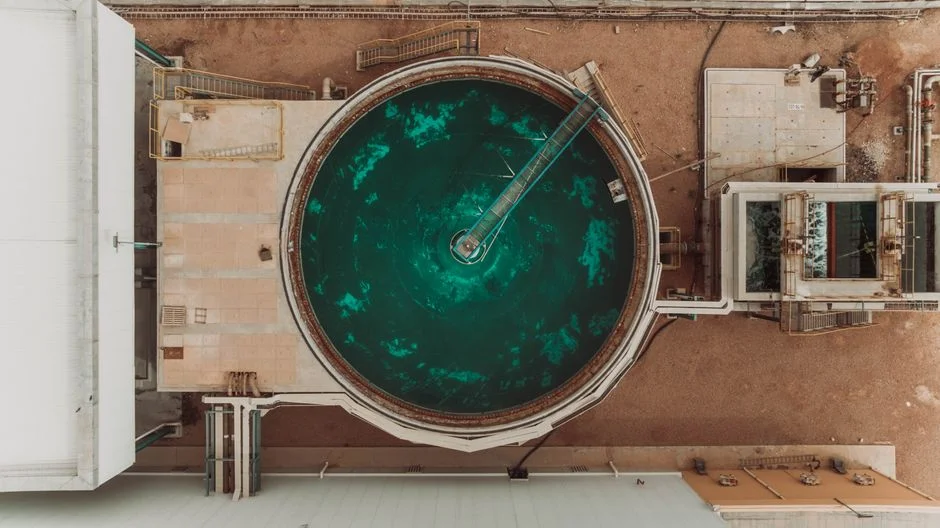
Turnkey capital expenditures for containerized sewage treatment plants in Cebu for 2026 range from $18,000 to $95,000 for flows between 50 and 500 m³/day, significantly influenced by technology choice and local installation costs. These figures represent ex-works equipment costs before considering Cebu-specific inland freight and installation. For a 50 m³/day MBBR package plant, expect CAPEX in the range of $18,000–$32,000. A 100 m³/day MBBR system typically falls between $28,000–$48,000. For MBR systems, a 250 m³/day plant is estimated at $55,000–$78,000, and a 500 m³/day MBR system at $85,000–$95,000 (HydropureWater project cost analysis, 2026).
Operational expenditures (OPEX) in 2026 show a clear distinction between technologies. MBBR systems typically incur $0.18–$0.28 per m³ treated, while MBR systems range from $0.32–$0.55 per m³ (HydropureWater energy audit data, 2026). Aeration energy accounts for 60–70% of total OPEX for both technologies, with MBR systems also factoring in periodic membrane replacement costs every 5–7 years. Additional cost layers specific to Cebu projects include sea-freight and customs duties, which typically add 6–9% to the equipment's CIF (Cost, Insurance, and Freight) value. On-site civil works, such as tankage construction, can range from PHP 4,000–8,000 per m³ of tank volume. reliable power requires genset sizing to accommodate at least 1.5 times the running load of the STP to handle startup surges and ensure uninterrupted operation during grid outages. The global MBR market is projected to reach $4.8 billion by 2026 with an 8.2% CAGR, indicating a maturing technology with robust support and competitive pricing trends (per MBR market 2026 sizing and forecast data).
| Flow Rate (m³/day) | Technology | Estimated CAPEX (USD, Ex-Works) | Estimated OPEX (USD/m³ Treated) |
|---|---|---|---|
| 50 | MBBR | $18,000–$32,000 | $0.18–$0.28 |
| 100 | MBBR | $28,000–$48,000 | $0.18–$0.28 |
| 250 | MBR | $55,000–$78,000 | $0.32–$0.55 |
| 500 | MBR | $85,000–$95,000 | $0.32–$0.55 |
5-Step Supplier Qualification Framework for Cebu Buyers
A structured five-step supplier qualification framework can reduce project risk by 40% and ensure long-term compliance with DENR DAO 1990-35 for sewage treatment plant installations in Cebu (HydropureWater project management data, 2026). This framework helps differentiate credible suppliers from mere equipment brokers.
- Compliance Documentation: Confirm the supplier's reference plants consistently achieve DENR DAO 1990-35 limits for BOD (30 mg/L), TSS (50 mg/L), and Fecal Coliform (200 MPN/100 mL). Request actual discharge monitoring reports, not just generic ISO 9001 certifications.
- Process Engineering Depth: A reputable supplier must provide a detailed influent characterization sheet, a hydraulic profile for the proposed system, and a complete Process & Instrumentation Diagram (P&ID). Reject vendors who only offer equipment lists without demonstrating a clear understanding of the wastewater treatment process.
- After-Sales Support in Cebu: Verify the supplier has either a local service partner in Cebu or commits to a guaranteed response time of ≤72 hours for critical issues. Request at least two verifiable Philippine client references (not just regional Asian references) and contact them to assess their post-installation experience.
- Climate & Power Hardening: Confirm the proposed system is structurally certified for typhoon zones, capable of withstanding ≥250 kph wind ratings for outdoor skids. All electrical enclosures must meet at least IP55 standards for dust and water ingress protection. The PLC and critical controls should include a UPS for a minimum ≥30-minute ride-through capability during power fluctuations or short outages.
- Performance Warranty: Insist on a minimum 12-month defect liability period for equipment and a separate 24-month process performance guarantee. This guarantee should explicitly tie payment milestones or holdbacks to actual BOD and TSS test results obtained at the discharge sampling port, providing a clear incentive for the supplier to ensure compliance. Suppliers who decline to put specific compliance numbers in writing typically cannot reliably meet them.
For further insights into supplier evaluation, consider reviewing a broader wastewater treatment plant supplier evaluation framework.
| Qualification Step | Key Criteria | Minimum Requirement for Cebu |
|---|---|---|
| 1. Compliance Documentation | Reference Plant Data | Verified DENR DAO 1990-35 BOD/TSS/Fecal Coliform compliance reports |
| 2. Process Engineering Depth | Technical Submission | Influent characterization, hydraulic profile, P&ID |
| 3. After-Sales in Cebu | Service & References | Local partner or ≤72-hour response; 2+ Philippine client references |
| 4. Climate & Power Hardening | Design Specifications | ≥250 kph wind rating, IP55 enclosures, ≥30-min PLC UPS |
| 5. Performance Warranty | Contractual Guarantees | 12-month defect, 24-month process performance (BOD/TSS results) |
Where HydropureWater Fits in the Cebu Supplier Landscape
HydropureWater's containerized MBR and MBBR package plant systems provide a direct-sourcing option for Cebu buyers seeking cost-effective, high-performance equipment that meets stringent DENR DAO 1990-35 discharge standards. Our MBR integrated system, available for flows from 10 to 2,000 m³/day, featuring high-flux flat-sheet DF cassettes, is a viable equipment choice for facilities like hospitals, resorts, and industrial plants in Mactan or other high-density areas. These systems are designed for compact footprints and produce effluent suitable for reuse, aligning with the growing demand for sustainable water management in Cebu.
For more cost-optimized applications such as residential subdivisions, hotels, and rural barangays with flows under 80 m³/h, the WSZ buried package sewage treatment plant offers a discreet, low-maintenance solution. The most common 2026 delivery model for Cebu projects involves pairing HydropureWater's ex-works equipment supply with a local Cebu EPC firm, such as Pro-Envirotek or similar, for civil works, installation, commissioning, and ongoing DENR permit support. This collaborative approach leverages international manufacturing expertise with local execution capabilities, ensuring both compliance and project efficiency.
Frequently Asked Questions
Addressing common inquiries can streamline the procurement process for a sewage treatment plant in Cebu, particularly regarding DENR compliance and operational specifics.
What are the key DENR discharge limits for STPs in Cebu?
For most commercial and industrial discharges in Cebu, DENR DAO 1990-35 mandates effluent limits of 30 mg/L BOD, 50 mg/L TSS, 5 mg/L FOG, and 200 MPN/100 mL Fecal Coliform. These standards are critical for securing and maintaining a wastewater discharge permit in the Philippines.
What is a typical CAPEX range for a 100 m³/day MBBR plant in Cebu?
For a 100 m³/day MBBR package plant, the ex-works CAPEX typically ranges from $28,000 to $48,000, not including sea-freight, customs, civil works, or local installation costs. These figures are based on 2026 market data.
How does a containerized STP address typhoon risks in Cebu?
Containerized STPs designed for Cebu must feature structural certification for wind loads ≥250 kph and utilize IP55-rated enclosures for all electrical components. Critical controls should also include a UPS for a minimum 30-minute ride-through during power interruptions, enhancing resilience against typhoon-related grid disturbances.
What is the expected operating cost per cubic meter for an MBR system in Cebu?
An MBR system in Cebu generally incurs an OPEX of $0.32–$0.55 per m³ treated. This higher cost compared to MBBR is primarily due to increased aeration energy requirements for membranes and the periodic need for chemical cleaning and membrane replacement.