Why Enzyme Manufacturing Wastewater Challenges a Standard Filter Press
A filter press for enzyme manufacturing wastewater design must account for biosolids that behave nothing like mineral or metal-hydroxide sludges: the upstream stream is hot (30–60 °C post-fermentation), moderately acidic (pH 4–7 across enzyme classes), and carries 1–6% w/w suspended solids dominated by filamentous mycelium and residual protein from cell lysis. Typical raw broth BOD sits at 5,000–25,000 mg/L and COD at 8,000–40,000 mg/L — a design range the engineer should anchor to before selecting plate area or polymer dose (HydropureWater field data, 2026). At these concentrations a generic press sized for dye wastewater or metal finishing will underperform on cycle time and cake dryness.
Mycelial biomass is the first problem. Filamentous hyphae — whether from Aspergillus, Trichoderma, or Bacillus variants — form a compressible cake: under filtration pressure the hyphal mat collapses, blinding the filter cloth and driving specific cake resistance upward as the cycle progresses. A second problem is soluble foulant. Extracellular enzymes (proteases, amylases, lipases) and polysaccharides that pass through the cloth re-foul downstream RO membranes, so conditioning must address both the particulate capture and the soluble COD load. A press treating this stream without a proper conditioning train will deliver a wet cake (often below 25% DS) and a centrate that is unusable for direct reuse.
Slurry Conditioning Chemistry Before the Filter Press
Conditioning is not optional for enzyme biosolids — it is the step that turns an unfilterable broth into a pressable slurry. The train starts with pH correction to 6.5–7.5 because both CPAM and chitosan lose charge density and floc-building power outside the near-neutral band. From there, dose selection depends on whether the target foulant is mycelial biomass, soluble protein, or colloidal substrate carryover.
CPAM (cationic polyacrylamide, 8–12 mole % charge, 10–18 million MW) is the workhorse for mycelial capture at 0.5–3 kg per tonne of dry solids. Chitosan (medium MW, 70–85% deacetylation) at 5–15 mg/L is the right tool for capturing soluble protein and dropping centrate COD by 30–50%. APAM (anionic polyacrylamide) at 1–2 kg/t DS acts as a floc build-aid when CPAM alone produces pinpoint flocs that blind the cloth. Polyaluminum chloride (PAC) at 50–150 mg/L is preferred for starch-rich broths (amylase, glucoamylase) where colloidal substrate carryover is high. A HydropureWater automatic chemical dosing system should meter these in sequence with a static mixer or in-line flocculator ahead of the press feed tank.
| Reagent | Typical Dose | Target Stream / Foulant | Expected Centrate SS Reduction |
|---|---|---|---|
| CPAM (cationic polyacrylamide) | 0.5–3 kg/t DS | Mycelial biomass capture | 70–90% |
| Chitosan (medium MW, 70–85% DDA) | 5–15 mg/L | Soluble protein, residual enzyme | 30–50% COD drop |
| APAM (anionic polyacrylamide) | 1–2 kg/t DS | Floc build-aid when CPAM flocs are weak | 10–20% incremental over CPAM |
| Polyaluminum chloride (PAC) | 50–150 mg/L | Colloidal substrate in starch-based broths | 40–60% turbidity drop |
Selecting the Right Plate Type: Recessed vs Membrane vs Plate-and-Frame
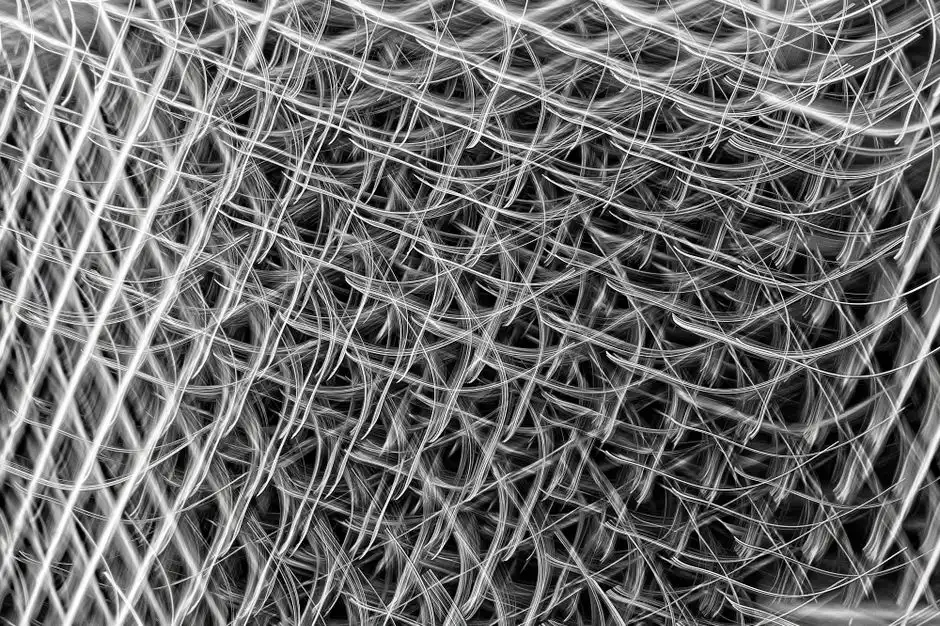
Plate choice for enzyme biosolids is a tradeoff between CAPEX, cycle time, and achievable cake dryness — and the right answer is not the same as for mineral slurries. A recessed-chamber press running at 6–15 bar delivers 25–35% DS on conditioned enzyme sludge and has the lowest capital cost, but its cycle stretches on compressible mycelium because there is no secondary squeeze phase. A membrane (diaphragm) press operating at 15–30 bar squeeze pressure reaches 32–42% DS and runs 20–35% shorter cycles because the membrane mechanically de-waters the cake after the fill phase — this is the configuration that fits protein-rich enzyme sludge. A traditional plate-and-frame unit at 4–8 bar is only sensible for pilot plants or sub-20 m³/day producers, where capital simplicity outweighs throughput.
Plate material matters as much as plate geometry. Polypropylene (PP) handles pH 2–12 and is the default for most enzyme streams; for broths above 50 °C, glass-filled polypropylene or polyester is required to prevent creep. Filter cloth should be monofilament polyester (cleanable, low blinding) at 5–25 µm absolute rating, with a double-layer laminate when fine protein capture is required. Stainless-steel head plates and hydraulic rams are standard across all three configurations. The HydropureWater plate and frame filter press for sludge dewatering line covers the recessed and membrane variants in 5–80 m² filtration areas.
| Plate Type | Operating Pressure | Enzyme-Biosolids Cake DS | Relative CAPEX | Best Fit |
|---|---|---|---|---|
| Recessed-chamber | 6–15 bar | 25–35% | Baseline (1.0×) | Mid-size plants, budget-constrained retrofits |
| Membrane (diaphragm) | 15–30 bar | 32–42% | 1.25–1.40× | Protein-rich, compressible mycelial sludge (recommended for most enzyme plants) |
| Plate-and-frame (open discharge) | 4–8 bar | 22–30% | 0.6–0.8× | Pilot, <20 m³/day, intermittent batches |
Sizing the Filter Press for an Enzyme Plant: A Worked Example
A 200 m³/day enzyme broth at 3% w/w dry solids produces 6,000 kg DS/day — a representative load for a mid-scale industrial enzyme facility (protease, amylase, or cellulase). For this stream a 50 m² automatic membrane press with 8–12 chambers and 1.5–2.0 m chamber depth gives a per-cycle slurry volume of 0.75–1.0 m³. With fill at 35–55 min, diaphragm squeeze at 10–20 min, and open/discharge at 5–10 min, the total cycle lands at 60–90 min, which yields 14–20 cycles per day on a 24-hour operating envelope. Cake output is 12–18 t/day at 35% DS, and centrate flow of 180–188 m³/day moves forward to MBR and RO polishing.
Two design details make or break the installation. First, the buffer/feed tank should hold 1.5× one full press cycle (roughly 1.3–1.5 m³ for a 50 m² unit) and be mixed with a slow-speed agitator at tip speeds below 1.5 m/s to avoid floc shear — once CPAM has built the floc, high-shear pumping destroys it and the press will not recover the lost permeability. Second, the feed pump should be a progressive-cavity or diaphragm pump, not a centrifugal; the latter shears flocs and resets specific cake resistance to the unconditioned baseline. For more on integrating the press into a broader treatment train, see the BOD removal engineering guide for industrial wastewater.
Integration with Downstream Treatment and Reuse
The filter press is one node in a bioreactor-to-RO train, and how its centrate is handled determines whether the plant meets its reuse target. Press centrate from conditioned enzyme biosolids typically carries 1,500–6,000 mg/L COD, 200–800 mg/L BOD, and residual soluble protein. Routing this stream to a submerged HydropureWater MBR membrane bioreactor system (PVDF hollow fiber, 0.1–0.4 µm) drops COD below 200 mg/L and SS below 5 mg/L, after which RO polishes to reuse quality. A well-integrated train achieves 60–75% plant water recovery at 2026 energy benchmarks, and reduces RO membrane cleaning frequency by 50–70% compared with sending raw centrate to RO.
The cake side is more straightforward. At 32–38% DS the cake is handleable — it can go to composting, to anaerobic digestion (methane yield 0.25–0.40 m³ CH₄/kg VS added for mixed enzyme biomass), or to co-incineration in a biomass-fired boiler if the plant has one. Backwash and cloth-cleaning water should be routed back to the equalization tank, not to sewer, to keep the hydraulic balance on the reuse loop. For enzyme plants that also produce by-product lipids (e.g. some lipase processes), a HydropureWater dissolved air flotation system upstream of the press removes free oil/grease and protects the cloth from blinding.
2026 CAPEX, OPEX and Payback for an Enzyme-Plant Filter Press
Capital cost for a complete filter-press package in 2026 runs USD 95,000–180,000 for a 50 m² fully automatic membrane press (skid, feed pump, hydraulics, PLC, cloth) and USD 45,000–85,000 for a 20 m² semi-automatic recessed unit. OPEX is dominated by polymer consumption (1–4 kg/t DS combined across CPAM, APAM, and chitosan), filter-cloth replacement every 6–12 months at roughly USD 800–1,500 per set, and power at 15–25 kWh per cycle. Hydraulic oil is changed annually. The offsetting credits are real: cake disposal cost reduction of USD 30–80 per wet tonne avoided (most enzyme plants pay a third-party hauler), water reuse credit of USD 0.5–1.5/m³ against fresh-water purchase, and reduced RO membrane cleaning frequency (typically 1–2 fewer cleanings per year, worth USD 2,000–4,000 each in chemicals and downtime). At these numbers, a 200 m³/day enzyme broth stream achieves payback in 12–18 months at 2026 polymer and energy prices (HydropureWater field data, 2026). For cross-industry cost context, see the filter press pricing guide for fruit juice wastewater and the food processing wastewater OPEX breakdown 2026.
| Cost Line | 2026 Range | Basis |
|---|---|---|
| CAPEX, 50 m² auto membrane press | USD 95,000–180,000 | Skid, pump, hydraulics, PLC, cloth |
| CAPEX, 20 m² semi-auto recessed | USD 45,000–85,000 | Manual or semi-auto, skid-mounted |
| Polymer OPEX | 1–4 kg/t DS | CPAM + APAM + chitosan combined |
| Cloth replacement | USD 800–1,500 / 6–12 months | Monofilament polyester, double-layer |
| Power | 15–25 kWh / cycle | Hydraulic + feed pump |
| Cake disposal credit | USD 30–80 / wet tonne avoided | Hauler cost reduction |
| Water reuse credit | USD 0.5–1.5 / m³ | Fresh water offset |
| Payback | 12–18 months | 200 m³/day enzyme broth, 2026 prices |
Frequently Asked Questions
What plate type is best for enzyme fermentation biosolids? Membrane (diaphragm) plates at 15–30 bar are the correct choice for protein-rich, compressible mycelial sludge — they deliver 32–42% DS versus 25–35% for recessed plates on the same feed.
Which polymer should be used as the primary conditioner for mycelial capture? CPAM (cationic polyacrylamide, 8–12 mole % charge, 10–18 million MW) at 0.5–3 kg per tonne of dry solids is the standard primary conditioner.
What cake dryness can a 50 m² membrane press realistically reach on a 3% DS enzyme broth? 32–38% DS is the typical operating range, with 42% achievable on well-conditioned, low-protein streams.
Does the press centrate need an MBR before RO? Yes — centrate COD of 1,500–6,000 mg/L will foul RO membranes within weeks; a submerged MBR drops COD below 200 mg/L and protects the RO train.
What is the typical payback for a 200 m³/day enzyme broth installation in 2026? 12–18 months, driven primarily by avoided cake disposal cost and fresh-water reuse credit.