Why Sulfide Control Matters in Industrial Wastewater (2026 Context)
Sulfide control sits at the intersection of safety, asset integrity, and regulatory exposure for any plant handling anaerobic streams, sour water, or sulfidic condensates. Hydrogen sulfide at 10 ppm in air irritates eyes and respiratory tract, and concentrations above 100 ppm cross the US OSHA/NIOSH IDLH threshold, meaning exposure can disable or kill a worker without warning. Industry estimates place sulfide-induced pitting corrosion losses at US refineries and petrochemical plants in the $4–8 billion per year range, driven by chloride-sulfide synergism in overhead systems, tank bottoms, and wastewater piping. The 2026 regulatory environment continues to tighten reporting under the US EPA effluent guidelines framework for oil & gas, iron & steel, and pulp & paper point sources, with several states moving toward <0.1–0.5 mg/L total sulfide in surface-water discharges. Underneath every method choice sits the same speciation rule: at 25 °C, pKa1 for H2S ≈ 7.0 and pKa2 ≈ 12–14, so a wastewater stream at pH 7.0 holds roughly 50% as H2S(aq) and 50% as HS⁻, while a stream at pH 9 holds about 99% as HS⁻. Only the H2S(aq) fraction is volatile, strippable, or bioavailable to sulfide-oxidizing bacteria in their neutrophilic range; everything else requires a chemical or biological conversion step. This pH-driven split is why pH is checked before influent concentration in any method selection.
The Six Industrial Sulfide Removal Methods at a Glance
Six treatment families cover almost every full-scale sulfide removal train operating in 2026. Chemical precipitation uses ferrous or ferric chloride to drive Fe²⁺ + S²⁻ → FeS(s) and is the workhorse for high-strength streams. Biological sulfide oxidation relies on chemolithotrophs such as Thiobacillus, Sulfolobus, and Beggiatoa, which oxidize HS⁻ to S⁰ or SO₄²⁻ using dissolved oxygen or nitrate as the electron acceptor. Air and steam stripping converts HS⁻ to gaseous H2S by dropping pH below 6.0 and desorbs it in a packed tower. Adsorption uses activated carbon or impregnated iron-oxide/zinc-oxide media to capture residual sulfide as a polishing step. Chemical oxidation with Cl₂, H₂O₂, ClO₂, or KMnO₄ converts S²⁻ directly to S⁰, S₂O₃²⁻, or SO₄²⁻. MBR-integrated biological sulfide oxidation couples a sulfide-oxidizing biofilm with a submerged PVDF membrane, retaining slow-growing biomass at high MLSS. Trains are routinely combined: precipitation followed by biological polishing, or stripping followed by a caustic scrubber, is the norm in refineries and tanneries. One point of confusion to clear up: Desulfovibrio alorkensis 6SR and related sulfate-reducing bacteria (SRB) generate sulfide in anaerobic streams; they are a sulfide source, not a removal tool. The biological methods in this comparison target sulfide-oxidizing organisms, not SRB.
Method 1 — Chemical Precipitation (Ferrous / Ferric Chloride)
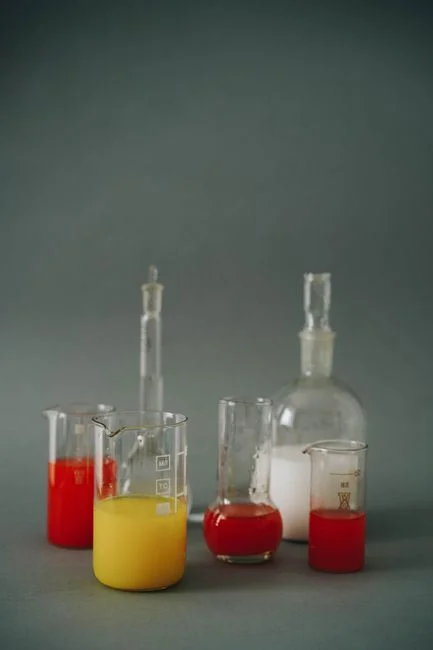
Chemical precipitation is the default option when influent S²⁻ exceeds 200–500 mg/L and the plant has a sludge-handling train already in place. The governing half-reaction is Fe²⁺ + S²⁻ → FeS(s), with Fe³⁺ adding a parallel path to S⁰ under oxidizing conditions: 2 Fe³⁺ + 3 S²⁻ → 2 FeS + S⁰. Field data from municipal and refinery installations shows >95% sulfide removal at a Fe:S molar ratio of 1.5–2.0:1 (HydropureWater field data, 2026), with the upper end of the dosing band needed when ORP drifts positive and ferric iron dominates. The operating window is forgiving: pH 6–9, total dissolved solids up to 30–50 g/L, and tolerance for 100–500 mg/L oil & grease without efficiency loss. Temperature sensitivity between 10–40 °C is small compared to biological methods. Byproduct handling is the decision driver: FeS sludge settles in 30–60 minutes, dewaters to 25–35% dry solids on a belt press, and passes TCLP for non-hazardous landfill disposal at Fe:S ≥1.5:1 — a key cost advantage over biological sludge when the site has no existing digester. CAPEX sits at $0.3–$0.8 per m³ of daily treatment capacity, mostly for an automatic chemical dosing system and two reaction tanks. OPEX is dominated by FeCl₂ or FeCl₃ consumption at $0.04–$0.10 per m³ treated. The main weakness is effluent quality: every kilogram of FeCl₃ adds roughly 0.66 kg of Cl⁻ to the water, which complicates RO recovery and ZLD brine balances. Plants targeting >80% water recovery downstream should run precipitation upstream of a biological or adsorption polishing step rather than as the final stage.
Method 2 — Biological Sulfide Oxidation (Thiobacillus, Biofilm, MBR)
Biological sulfide oxidation is the lowest-OPEX option for the 10–500 mg/L S²⁻ band and is the reason most municipal and food-processing plants that handle anaerobic digester supernatant or sulfidic process water default to this train. Chemolithotrophic organisms in the Thiobacillus and Sulfolobus genera oxidize HS⁻ stepwise — first to S⁰ (which deposits intracellularly or on the biofilm), then to S₂O₃²⁻, and finally to SO₄²⁻ — using O₂ or NO₃⁻ as the terminal electron acceptor. Full-scale biofilm and activated-sludge systems achieve 80–98% removal at hydraulic retention times of 4–12 hours, with ORP controlled in the +50 to +150 mV window to favor S⁰ over SO₄²⁻ when partial oxidation is desired (HydropureWater field data, 2026). The MBR membrane bioreactor system is the configuration that has shifted the economics: submerged 0.1–0.4 µm PVDF membranes retain slow-growing sulfide-oxidizing biomass, allowing MLSS of 8,000–15,000 mg/L and a 50–60% footprint reduction versus conventional activated sludge. OPEX sits at $0.05–$0.12 per m³, almost entirely aeration energy, which is the lowest in the comparison set. Two failure modes need to be screened at design: kinetics slow sharply below 10 °C, and free cyanide above 0.5–1.0 mg/L inhibits Thiobacillus — both are dealbreakers, not fine-tuning items. Biological units also produce elemental sulfur sludge that is harder to dewater than FeS and tends to blind belt-press belts, so the sludge-handling train must be specified accordingly. For deeper context on how biological trains are now being tuned with model-predictive control, the AI Process Control for Sewage Treatment: 2026 Engineering Guide covers the control-loop architecture in detail.
Method 3 — Air and Steam Stripping of H2S
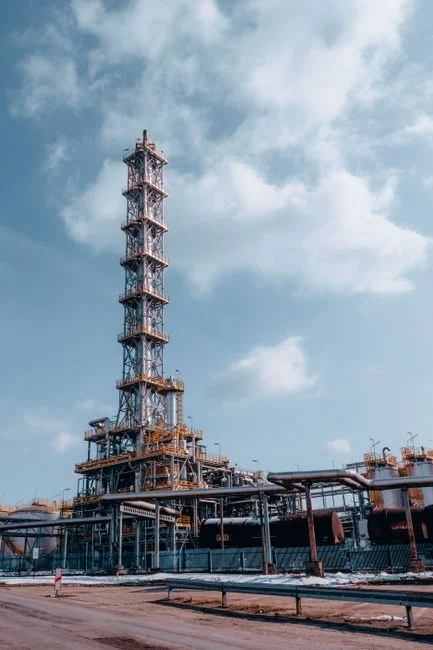
Air and steam stripping is the only mass-transfer method in the comparison, and it is also the most often misapplied because operators forget the pH requirement. The two-step process drops pH to 5.0–5.5 with sulfuric or hydrochloric acid to push the equilibrium H₂S(aq) ⇌ HS⁻ + H⁺ toward the molecular form, then desorbs H₂S in a 1–3 stage packed tower using air or low-pressure steam. Under those conditions, 70–95% removal is achievable on streams with influent S²⁻ of 50–500 mg/L. The off-gas must be captured in a caustic or FGD-style scrubber because vented H₂S above 10 ppm creates an immediate safety hazard, and a single-stage column rarely achieves the residual sulfide target on its own. CAPEX is the highest in this comparison at $1.5–$3.0 per m³ of daily capacity, reflecting FRP column cost, blowers, and the downstream scrubber train. OPEX is dominated by acid and steam and runs $0.15–$0.35 per m³ treated. The dominant failure mode — and the reason a third of installed strippers underperform — is operation at the native pH of 7–9, where more than 80% of sulfide remains as non-volatile HS⁻ and passes straight through the column. Stripping is the right call for high-temperature refinery sour-water condensates, geothermal brines, and certain tannery streams where low pH and heat already exist; it is the wrong call for ambient-temperature streams at neutral pH unless acid dosing and a scrubber are budgeted from day one.
Method 4 — Adsorption (Activated Carbon, Iron-Oxide, Zinc-Oxide Media)
Adsorption is a polishing technology, not a primary removal step, and the cost structure reflects that role. Sulfide adsorbs and reacts on the surface of activated carbon (typically 800–1,200 m²/g BET) or on metal-oxide media impregnated with iron or zinc oxides; the dominant mechanism is chemisorption to form FeS or ZnS on the media surface, not physisorption. Activated carbon typically pulls residual S²⁻ from 1–5 mg/L down to <0.1 mg/L, while iron-oxide media can take 20–30 mg/L loading before breakthrough, depending on bed contact time and pH. CAPEX is modest at $0.4–$0.9 per m³ of daily capacity, but OPEX is high because media must be replaced on a regular cycle: activated carbon runs $1.5–$3.0/kg and iron-oxide media $4–$8/kg, translating to $0.10–$0.40 per m³ treated for typical loadings (2026 engineering estimate). The right application is as the final step after biological or precipitation treatment to meet reuse or surface-water discharge targets of <0.1 mg/L, or as a guard bed before RO membranes to prevent biofouling triggered by residual sulfide. Spent media is a solid waste that must be sent to a hazardous or industrial landfill depending on the captured metals profile, so disposal logistics should be confirmed before specifying.
Method 5 — Chemical Oxidation (Chlorine, H2O2, ClO2, KMnO4)
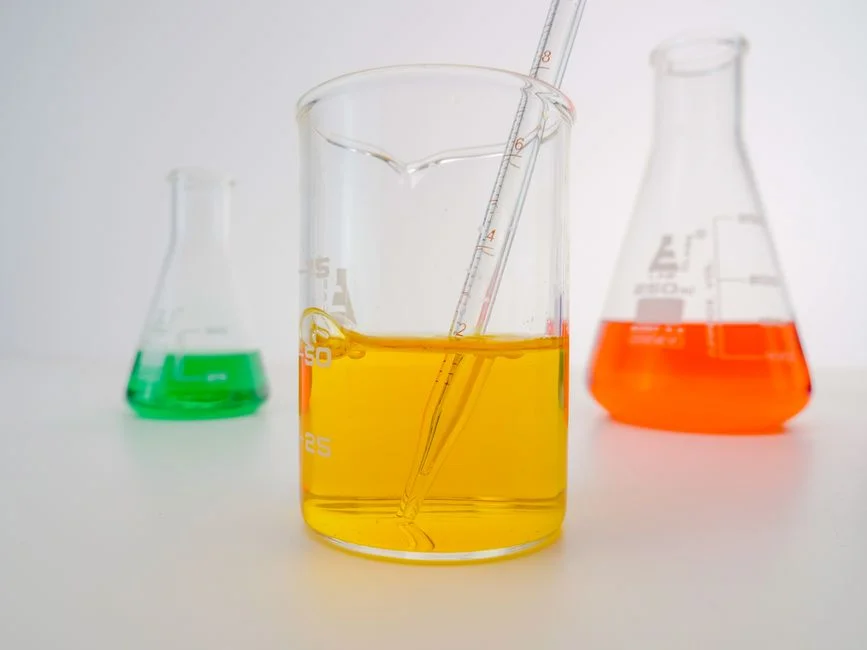
Chemical oxidation is the on-demand, fast-kinetics option for shock loads, digester-gas scrubber upsets, and emergency H₂S spikes where minutes of response time matter. The standard reduction potentials set the ranking: KMnO₄ at +1.51 V, Cl₂ at +1.36 V, ClO₂ at +0.95 V, and H₂O₂ at +0.80 V, with the practical endpoint depending on the dose — partial oxidation stops at S⁰ or S₂O₃²⁻, full oxidation runs all the way to SO₄²⁻. Chlorine at 2–3× the stoichiometric dose removes >99% S²⁻ within 5–15 minutes of contact time; H₂O₂ at 1.5–2.0× stoichiometric achieves 90–98% but requires an iron catalyst (Fenton's variant) above 100 mg/L S²⁻ to avoid peroxide decomposition; ClO₂ is the cleanest option for streams headed to a sensitive receiving water because it does not form trihalomethanes. OPEX runs $0.08–$0.25 per m³, with Cl₂ cheapest and ClO₂ most expensive. The trade-offs are well known: chlorine and permanganate both add TDS and chloride to the effluent, H₂O₂ is unstable without catalyst, and at influent S²⁻ above 100 mg/L the chemical demand becomes uneconomic compared to precipitation. The right applications are emergency dosing on digester gas scrubbers, pulp mill foul condensates, and landfill leachate equalization basins where flows are intermittent. For sites that already operate an on-site ClO₂ generator for disinfection, this method slots in at the lowest marginal cost. A related design consideration for refineries that share sulfide and oil contamination in the same train is covered in the How to Treat Oily Wastewater: 2026 Engineering Guide to Process Selection.
Head-to-Head Comparison Table: Which Method Wins at Each Loading
The matrix below ranks the six families by influent S²⁻ range, removal efficiency, and 2026 CAPEX/OPEX bands (all cost figures expressed as 2026 engineering estimates per m³ of treated water). Chemical precipitation dominates above 500 mg/L S²⁻, biological and MBR-integrated trains win the 50–500 mg/L band, and polishing by adsorption or chemical oxidation is most cost-effective below 50 mg/L.
| Method | Influent S²⁻ range (mg/L) | Removal (%) | CAPEX ($/m³·d) | OPEX ($/m³ treated) | Byproduct / sludge | Best fit |
|---|---|---|---|---|---|---|
| Chemical precipitation (FeCl₂/FeCl₃) | 200 – >1,000 | >95% | 0.3 – 0.8 | 0.04 – 0.10 | FeS sludge, TCLP-pass at Fe:S ≥1.5:1 | High-strength refinery, tannery, pulp streams |
| Biological oxidation (Thiobacillus) | 10 – 500 | 80 – 98% | 0.8 – 1.5 | 0.05 – 0.12 | Elemental S + sulfate | Mid-range anaerobic supernatant, food processing |
| MBR-integrated bio-oxidation | 10 – 500 | 90 – 99% | 1.2 – 2.0 | 0.07 – 0.15 | Elemental S, low yield | Variable loads, footprint-constrained sites |
| Air / steam stripping | 50 – 500 (pH <6) | 70 – 95% | 1.5 – 3.0 | 0.15 – 0.35 | Off-gas to scrubber | Hot acidic condensates, geothermal brines |
| Adsorption (carbon / Fe-oxide) | <30 (polishing) | to <0.1 mg/L | 0.4 – 0.9 | 0.10 – 0.40 | Spent media (solid waste) | Final polish before RO/reuse |
| Chemical oxidation (Cl₂/H₂O₂/ClO₂) | 0 – 100 | >99% (Cl₂) | 0.2 – 0.6 | 0.08 – 0.25 | SO₄²⁻ + added TDS | Shock loads, emergency dosing, scrubbers |
Decision Framework: Picking the Right Sulfide Removal Train in 2026
Start with pH, not concentration. If pH is below 6, air stripping becomes viable and may displace the others; if pH is above 8.5, stripping is off the table unless the plant is willing to budget for acid dosing and an off-gas scrubber. Branch 1 — Influent S²⁻ above 500 mg/L: chemical precipitation with FeCl₂ or FeCl₃ at a 1.5–2.0:1 Fe:S molar ratio, followed by a biological MBR or adsorption stage to meet polishing targets. This is the standard train in refinery sour-water stripper bottoms and in pulp mill green-liquor clarification. Branch 2 — Influent S²⁻ between 50 and 500 mg/L: biological sulfide oxidation or MBR-integrated bio-oxidation as the primary step, with ClO₂ polish only if the discharge permit requires <0.5 mg/L residual. Branch 3 — Influent S²⁻ below 50 mg/L: chemical oxidation or adsorption polishing is more cost-effective than running a biological reactor at low loading. The 2026 compliance overlay: where the site has RO or ZLD downstream, avoid adding chloride — that rules out Cl₂ and FeCl₃ as the final stage and pushes the design toward biological or adsorption polishing. Where the discharge goes to a US surface-water or to an EU IED-classed receiving body, the residual sulfide target is typically <0.1–0.5 mg/L, which almost always requires the polishing column regardless of which primary method is selected.
Frequently Asked Questions
What is the cheapest sulfide removal method in 2026? Biological sulfide oxidation at $0.05–$0.12 per m³ OPEX, but only at influent S²⁻ of 10–500 mg/L; above that band, FeCl₂ precipitation has a lower chemical cost per kilogram of S²⁻ removed.
Can air stripping work without lowering pH? No. Above pH 7, more than 80% of sulfide remains as non-volatile HS⁻, so column removal collapses to single-digit percentages regardless of air-to-water ratio.
Which method produces the least sludge? Biological oxidation and chemical oxidation produce 70–90% less solid waste by mass than precipitation; adsorption produces no sludge, but spent media counts as solid waste and is typically sent to industrial landfill.
How much FeCl₂ is needed per mg/L of sulfide? The stoichiometric Fe:S molar ratio is 1:1, but field practice at 1.5–2.0:1 is needed to achieve >95% removal and a stable FeS sludge that passes TCLP.
Is MBR worth the cost premium for sulfide removal? MBR is justified above 200 m³/day or where the discharge limit is <10 mg/L S²⁻, because it halves the footprint relative to conventional activated sludge and stabilizes the sulfide-oxidizing biomass under variable loads.