Kenya's BOD Discharge Limit: What the 2026 Law Actually Says
Kenya's BOD discharge limit is set by the Environmental Management and Co-ordination Act (EMCA) Cap. 387 of 1999 and its subsidiary legislation, Legal Notice No. 120, Schedule II. Three standard thresholds govern the NEMA Kenya discharge permit framework: 30 mg/L BOD for effluent discharged to surface water (in-stream), 50 mg/L BOD for effluent discharged to a public sewer, and 200 mg/L BOD as a ceiling for industrial effluent entering a municipal sewer (EMCA Cap. 387 / LN 120 Schedule II). The standard test is BOD5 — the 5-day biochemical oxygen demand at 20°C, run by the dilution method per APHA Standard Methods 5210B and Kenya Standard KS EAS 224. Limits are expressed in mg/L BOD5, not BOD3 or BOD7 — confusing the two is one of the most common audit errors in industrial wastewater Kenya self-monitoring reports.
Enforcement sits with the National Environment Management Authority (NEMA Kenya), which issues effluent discharge licences under Section 72 of EMCA and runs the national compliance audit programme. Water and sewerage service providers — including Nairobi City Water & Sewerage Company, Nyeri Water, and the Lake Victoria South Water Works Development Agency — operate under the Water Act 2016, with the Kenya Water and Sanitation Regulatory Authority (WASREB) issuing annual performance licences that include discharge-quality KPIs. For cross-border or regionally traded goods, the East African Community standard EAS 12:2018 (potable water) is the regional harmonisation reference, while EAS 12:2014 covers wastewater discharge — both useful when the same factory ships into Uganda, Rwanda, or Tanzania.
| Discharge point | BOD5 limit (mg/L) | Statutory reference | Enforcement authority |
|---|---|---|---|
| Surface water (river, stream, lake) | 30 | EMCA Cap. 387, LN 120 Schedule II | NEMA Kenya |
| Public sewer (municipal WWTP) | 50 | EMCA Cap. 387, LN 120 Schedule II | NEMA + Water Service Provider |
| Industrial effluent to municipal sewer (ceiling) | 200 | EMCA Cap. 387, LN 120 Schedule II | Water Service Provider / WASREB |
| On-site reuse / zero-liquid-discharge | Site-specific | NEMA project licence condition | NEMA Kenya |
| Sensitive catchment (e.g. Lake Victoria basin) | 20 (typical site condition) | NEMA EIA licence | NEMA Kenya + LVBC |
Which BOD Limit Applies to Your Discharge Point?
The first engineering decision is not which technology to buy — it is which EMCA Cap. 387 effluent threshold the treated stream has to meet at the point of discharge. Get this wrong and the rest of the design is either over-engineered (expensive) or under-engineered (non-compliant). A simple decision framework: if the final discharge goes to a river, stream, or lake, design for 30 mg/L. If it goes to a municipal sewer under a trade-effluent agreement, design for 50 mg/L. If the site reuses 100% of the treated water for garden irrigation, boiler feed, or process cleaning, the target becomes a project-specific condition in the NEMA EIA licence — typically 10–20 mg/L BOD plus turbidity and E. coli targets, not a generic 30 mg/L.
The 200 mg/L industrial-to-sewer figure is widely misunderstood. It is the maximum the receiving municipal wastewater treatment plant can accept from trade-effluent contributors without upsetting its biological stage — a hydraulic and process-loading ceiling, not the licence-to-operate number for the discharging factory. In practice, municipal WSPs (e.g. Nairobi's Dandora and Kariobangi plants) impose pre-treatment conditions of 100–150 mg/L BOD in their trade-effuent agreements, well below the 200 mg/L statutory ceiling. The distinction between an "effluent standard" (what your plant discharges) and an "in-stream water quality standard" (what the receiving river must be) is also a common confusion: the 30 mg/L number is the former, while KS EAS 12 sets the receiving-water target downstream of the mixing zone.
For sensitive catchments, NEMA routinely writes site-specific conditions tighter than Schedule II. The Lake Victoria basin (Kisumu, Homa Bay, Busia, Migori) typically sees 20 mg/L BOD limits on new licences. The Tana River basin, Athi-Galana-Sabaki, and Lake Naivasha catchments also receive tighter scrutiny where the receiving water is a Ramsar site or a public water-supply intake. Operators should always read the licence conditions, not just the schedule.
| Receiving environment | Design BOD target (mg/L) | Typical pre-treatment required by receiver | Cost band vs. baseline 30 mg/L |
|---|---|---|---|
| River / stream (general) | 30 | None beyond EMCA | Baseline (1.0×) |
| Public sewer — basic agreement | 50 | Neutralisation, FOG removal | 0.7–0.8× |
| Public sewer — strict agreement | 100–150 | Flow balancing, screening | 0.4–0.5× |
| Lake Victoria basin | 20 | Tertiary filtration or MBR | 1.3–1.6× |
| On-site reuse / ZLD | 10–20 | MBR + RO or UV | 1.8–2.5× |
Sector-Specific BOD Targets for Kenya's Key Industries
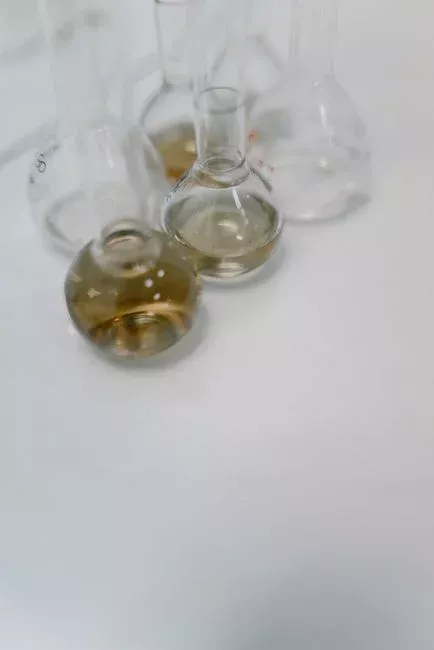
Kenya's industrial wastewater profile is dominated by agro-processing — coffee, tea, sugar, dairy, brewing — plus the leather cluster around Limuru and Eldoret, and a growing textile sector around Thika and Athi River. Each has a characteristic influent BOD range that sets the size of the upstream biological stage. Right-sizing starts with the right influent number; using a "typical food effluent" of 1,500 mg/L for a wet-process coffee plant actually running at 8,000 mg/L is how treatment plants get undersized. A food-processing wastewater treatment engineering guide covers comparable influent characterisation methodology that applies to East African operations.
Wet-process coffee factories in Nyeri, Kirinyaga, and Kiambu generate strong seasonal effluent with BOD of 2,000–10,000 mg/L, typically routed through an anaerobic UASB reactor for 60–85% removal, then aerobic polishing to reach 30 mg/L. Tea factories in Kericho, Nandi, and Murang'a are lower-strength at 800–2,500 mg/L but suffer seasonal spikes during the October–December and March–May cropping peaks. Sugar mills in Mumias, Nzoia, Chemelil, and South Nyanza run 1,500–4,000 mg/L BOD plus high-temperature condensates that strip dissolved oxygen. Breweries (EABL, Keroche) and dairy processors (Brookside, New KCC) see 1,500–6,000 mg/L with high variability — a sequencing batch reactor or MBR is the most reliable fit. Tanneries in the Limuru/Eldoret cluster are the toughest: 2,000–8,000 mg/L BOD plus 200–800 mg/L sulphide, requiring physico-chemical pre-treatment (sulphide oxidation, chromium precipitation, equalisation) before the biological stage. Textile effluent from Thika EPZ and Athi River export zones carries 300–2,500 mg/L BOD plus strong colour, so biological treatment is paired with advanced oxidation.
| Sector | Influent BOD5 (mg/L) | Key contaminants | Recommended treatment train |
|---|---|---|---|
| Coffee (wet process) | 2,000–10,000 | Acids, suspended solids | Equalisation → UASB → aerobic polishing |
| Tea | 800–2,500 | Seasonal load spikes | Equalisation → SBR / MBBR |
| Sugar mills | 1,500–4,000 | Hot condensates, BOD/COD | Cooling → UASB + activated sludge |
| Breweries / dairy | 1,500–6,000 | High variability, FOG | DAF → SBR or MBR |
| Tanneries (leather) | 2,000–8,000 | Sulphide, chromium, salt | Sulphide oxidation → phys-chem → biological |
| Textiles | 300–2,500 | Colour, salts, residual H₂O₂ | Biological + advanced oxidation |
Treatment Technology Selection: Matching Process to BOD Target
Once the BOD target is fixed, the next decision is which biological process reliably hits it at the lowest 20-year lifecycle cost. Conventional activated sludge (CAS) is the workhorse: it delivers 20–30 mg/L effluent BOD, tolerates the influent variability typical of food and beverage plants, and runs at 0.3–0.8 kWh/m³ — a useful baseline for the 30 mg/L in-stream limit. For a 100 m³/day plant, expect CAPEX of $40,000–$120,000 depending on tankage, blowers, and instrumentation. The sequencing batch reactor (SBR) compresses equalisation, reaction, and clarification into timed batches in a single tank, cutting footprint 20–40% versus CAS and giving 10–20 mg/L effluent BOD — well-suited to seasonal agro-processing loads where flows are not constant.
The moving bed biofilm reactor (MBBR) carries biofilm carriers in the aeration tank, lifting MLSS to 6,000–10,000 mg/L and giving 15–25 mg/L effluent BOD with a smaller tank volume. It is the retrofit option of choice when an existing aeration basin is overloaded. Membrane bioreactors (MBR) couple biological treatment with ultrafiltration membranes, delivering effluent BOD under 5 mg/L and TSS under 1 mg/L — comfortably below all three Kenya thresholds and the right pick for sensitive catchments or on-site reuse. An MBR system delivering effluent BOD under 5 mg/L from HydropureWater is built for 50–5,000 m³/day packaged plants and is widely used in food/beverage and pharmaceutical facilities.
For high-strength industrial effluent, the most cost-effective train is anaerobic UASB followed by aerobic polishing: 60–85% BOD removal in the UASB cuts aeration demand 5–10×, and the combined train reaches 20–50 mg/L BOD depending on the polishing stage. Upstream of any biological step, DAF pre-treatment for high-FOG industrial wastewater removes floatable solids, oil and grease, and fibrous material that would otherwise disrupt the biology — particularly useful in brewery, dairy, and slaughterhouse operations.
| Technology | Effluent BOD5 (mg/L) | Footprint | Power (kWh/m³) | Best-fit target |
|---|---|---|---|---|
| Conventional activated sludge (CAS) | 20–30 | Baseline | 0.3–0.8 | 30 mg/L in-stream |
| Sequencing batch reactor (SBR) | 10–20 | 0.6–0.8× | 0.4–0.9 | 30 mg/L, variable loads |
| MBBR (biofilm) | 15–25 | 0.7–0.9× | 0.4–0.9 | 30 mg/L, retrofits |
| Membrane bioreactor (MBR) | <5 | 0.4–0.5× | 0.6–1.2 | 30 mg/L, reuse, sensitive basins |
| UASB + aerobic polish | 20–50 | 0.8–1.0× | 0.2–0.5 | 50 mg/L sewer, high-strength influent |
| DAF (pre-treatment) | Pre-stage | Compact | 0.05–0.15 | FOG / TSS removal upstream |
2026 CAPEX and OPEX Reality for a BOD-Compliant Plant in Kenya
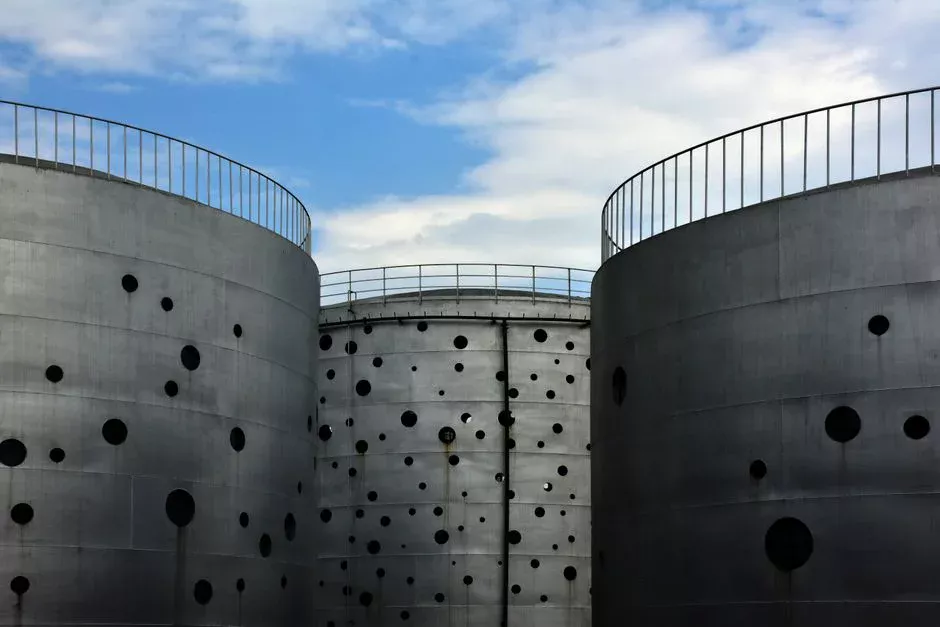
Budget numbers below are 2026 turnkey estimates including tanks, blowers, pumps, instrumentation, MCC, and installation — civil works excluded unless stated. Kenya-specific premiums apply: containerised or skid-mounted designs attract a 10–20% import duty plus KEBS pre-export verification (PVoC), so a Chinese-sourced packaged WWTP delivered to Mombasa or Nairobi typically lands 25–35% above the FOB price. Currency exposure on the USD/KES rate is the single largest budget risk on 2026 tenders — lock the rate at contract signature.
For a small plant (50 m³/day, packaged WWTP targeting 30 mg/L), expect CAPEX of $30,000–$80,000 and OPEX of $0.20–$0.45/m³. Mid-size food and beverage facilities (500 m³/day, MBR or SBR targeting 30 or 50 mg/L) run $80,000–$250,000 CAPEX and $0.15–$0.40/m³ OPEX. Large agro-industrial flows (2,000 m³/day, anaerobic + aerobic train) require $400,000–$1,200,000 CAPEX but OPEX drops to $0.08–$0.25/m³ due to UASB's low energy demand. Power is the dominant OPEX line: at Kenya's 2026 grid tariff of $0.12–$0.18/kWh, an MBR plant at 1.0 kWh/m³ spends $0.12–$0.18/m³ on electricity alone — close to 50% of total OPEX. Sludge handling typically yields 0.5–2.0 kg dry solids per m³ treated; a plate-and-frame filter press for sludge dewatering delivers cake dryness above 25% DS, the threshold above which landfill tipping fees stop escalating. Reliable automatic chemical dosing for pH and nutrient control is a small but essential line item — operators that under-size this are the ones returning failed compliance samples. For benchmark cross-checks against other Sub-Saharan projects, the Sub-Saharan wastewater plant cost benchmarks for Ibadan give a useful 2026 reference dataset, and the filter press vs screw press comparison is a practical tool for sizing the dewatering stage.
| Plant size | Flow (m³/day) | Target BOD5 (mg/L) | Typical train | CAPEX (USD) | OPEX (USD/m³) |
|---|---|---|---|---|---|
| Small — packaged | 50 | 30 | CAS or SBR | 30,000–80,000 | 0.20–0.45 |
| Mid — food/beverage | 500 | 30 or 50 | SBR or MBR | 80,000–250,000 | 0.15–0.40 |
| Large — agro-industrial | 2,000 | 30 or 50 | UASB + aerobic | 400,000–1,200,000 | 0.08–0.25 |
Frequently Asked Questions
What is the BOD discharge limit in Kenya for industrial effluent?
Under EMCA Cap. 387 and Legal Notice No. 120 Schedule II, the BOD5 limit is 30 mg/L for discharge to surface water, 50 mg/L for discharge to a public sewer, and 200 mg/L as the maximum for industrial effluent entering a municipal treatment plant. NEMA Kenya enforces these via site-specific effluent discharge licences. Site conditions in sensitive catchments like Lake Victoria can require 20 mg/L or lower.
Which test method does NEMA use for BOD compliance in Kenya?
Yes, BOD5 is the standard — 5-day biochemical oxygen demand at 20°C, run by the dilution method per APHA Standard Methods 5210B and Kenya Standard KS EAS 224. Results are reported in mg/L BOD5, not BOD3 or BOD7, and labs must hold SANAS or KENAS accreditation for NEMA-accepted data.
What is the most cost-effective treatment to hit 30 mg/L BOD in Kenya?
For high-strength industrial influent above 2,000 mg/L BOD, an anaerobic UASB reactor followed by an aerobic polishing stage (SBR, MBBR, or CAS) is the lowest lifecycle cost option, typically reaching 20–50 mg/L combined and consuming 0.2–0.5 kWh/m³. For sensitive catchments or on-site reuse, an MBR system delivering effluent BOD under 5 mg/L provides a buffer below the 30 mg/L in-stream limit.
How often must a Kenyan factory self-monitor BOD discharge?
Yes, NEMA effluent discharge licences typically require weekly composite sampling for flow and pH, monthly BOD5 and COD analysis by an accredited lab, and quarterly independent third-party audit sampling, with results submitted in the annual environmental audit report. WASREB-licensed water service providers may impose additional monitoring for trade-effluent customers discharging to the municipal sewer.