Why Hospital Wastewater in Victoria Demands a Dedicated Treatment Train
Hospital wastewater in Victoria carries a contamination profile that municipal sewage assumptions cannot cover: pathogens including SARS-CoV-2 fragments, MRSA, VRE, and Clostridioides difficile spores; pharmaceutical residues from antibiotics, cytotoxics, and anaesthetics; iodinated contrast media from radiology; hormones; and radioactive isotopes from nuclear medicine departments. A 2023 Frontiers in Microbiology study isolated 21 multi-drug-resistant bacterial strains from hospital WWTP effluent — including Staphylococcus haemolyticus, Enterococcus faecalis, and Escherichia coli — and confirmed resistance at 25 ppm against tetracycline, ampicillin, amoxicillin, chloramphenicol, and erythromycin (Frontiers, 2023-04). A separate ABC / Melbourne Water investigation detected 180 contaminants in Victorian treated wastewater, with trace pharmaceuticals persisting even in compliant effluent (ABC News, 2023). The regulatory trigger for a dedicated train is therefore unambiguous: SEPP (Waters), EPA Victoria Publication 609.2, and an individual trade-waste consent from Melbourne Water, Yarra Valley Water, South East Water, or Greater Western Water, depending on the sewer catchment. Discharge to sewer must still meet BOD <20 mg/L, SS <30 mg/L, total nitrogen <15 mg/L, thermotolerant coliforms <10 CFU/100 mL, and pH 6.5–8.5. The full biological treatment process options for hospital wastewater are detailed in the companion 2026 engineering guide.
Victoria's Regulatory Stack for Hospital Effluent in 2026
SEPP (Waters) 2018, as amended in 2022, controls all discharges to waterways and stormwater and defines the default control regime for any on-site treatment plant. Sewer discharge is regulated separately, but a discharge that could enter stormwater — or one that exceeds the receiving water authority's trade-waste acceptance criteria — still triggers EPA Victoria oversight. EPA Victoria Publication 609.2, Guidelines for Wastewater Management, is the primary design reference for on-site plants: it sets loading rates, buffer distances, and validation expectations. The trade-waste consent pathway is the next gate; each water authority publishes its own hospital category, sampling schedule, and audit cycle:
| Authority | Hospital Trade-Waste Category | Typical Application Lead Time | Audit Cycle |
|---|---|---|---|
| Melbourne Water | Category A (high-risk, infectious) | 10–14 weeks | Quarterly |
| Yarra Valley Water | Category A / B (size-dependent) | 8–12 weeks | Bi-annual |
| South East Water | Category A — clinical | 10–12 weeks | Quarterly |
| Greater Western Water | Category A — clinical | 8–10 weeks | Annual + spot |
Department of Health (formerly DHHS) requirements sit alongside the trade-waste consent: infectious-disease carriers — COVID-19, measles, MDRO colonised patients — must be managed under a disinfection protocol validated to AS/NZS 4366 for steriliser-grade performance, with the Department of Health authorised to audit on-site infrastructure under the Health Services Act 1988. Hospital operators cannot discharge trade waste without a current consent, a current design report, and a current validation certificate for the disinfection stage.
Typical Hospital Wastewater Characteristics and Design Loads

A defensible 2026 basis of design for Victorian hospital effluent starts with the following influent envelope, drawn from EPA Victoria Publication 609.2 and field data across 12 Victorian sites:
| Parameter | Typical Range (Acute Hospital) | Day Procedure / Dental | Design Peak |
|---|---|---|---|
| BOD5 | 150–400 mg/L | 80–200 mg/L | 2.0–2.5× |
| COD | 300–800 mg/L | 180–450 mg/L | 2.0–2.5× |
| SS | 100–300 mg/L | 60–150 mg/L | 2.0–2.5× |
| NH3-N | 20–60 mg/L | 10–25 mg/L | 2.0× |
| Total Nitrogen | 30–80 mg/L | 15–40 mg/L | 1.8× |
| Total Phosphorus | 5–15 mg/L | 3–8 mg/L | 1.5× |
| Thermotolerant coliforms | 105–107 CFU/100 mL | 104–106 CFU/100 mL | — |
Per-bed water consumption sits at 250–400 L/bed/day for Victorian acute hospitals and 80–150 L/bed/day for day procedure and dental clinics (HydropureWater field data, 2026). Peak factors of 2.0–2.5× average occur on weekday mornings, driven by outpatient throughput, surgical list starts, and CSSD releases. Slug loads from radiology (iodinated contrast), oncology (cytotoxics), and pathology (formalin) cannot be averaged into the daily load — they must be captured in segregated buffer tanks with at least 4 hours of hydraulic retention before blending to the biological stage. Effluent temperature in Victorian hospitals runs 15–30°C, and pH stays within 6.5–8.5, but residual chlorine from cleaning protocols can shock the biological stage if not neutralised upstream.
Process Train Options: From Packaged A/O to Full MBR
The 2026 Victorian hospital train is built in five stages. (1) Screening and grit removal uses rotary mechanical bar screens at 2–6 mm aperture to protect downstream membranes and pumps; (2) Flow equalisation smooths weekday-morning peaks and captures slug loads; (3) Biological treatment reduces soluble organics and ammonia; (4) Clarification or membrane separation drops suspended solids; (5) Disinfection delivers the coliform and viral log-kill required by the trade-waste consent. Four biological options dominate the Victorian market:
| Process | Best-Fit Bed Range | Effluent BOD / SS | Footprint | Operator Skill |
|---|---|---|---|---|
| Packaged A/O contact oxidation (WSZ) | ≤30 beds | BOD <20 mg/L; SS 30–60 mg/L (needs DAF/MF polish) | Smallest | Low |
| Sequencing batch reactor (SBR) | 30–100 beds | BOD <20 mg/L; SS <30 mg/L | Medium | Moderate |
| Moving bed biofilm reactor (MBBR) | Retrofit cases | BOD <20 mg/L; SS 30–50 mg/L | Medium | Moderate |
| Membrane bioreactor (MBR) | >50 beds / reuse | BOD <5 mg/L; SS <1 mg/L; turbidity <1 NTU | 60% smaller than CAS | Higher |
For small clinics and 10–30 bed facilities, the WSZ underground packaged sewage treatment plant for 10–50 bed facilities delivers a buried, odour-free installation with packaged A/O contact oxidation. For 50–300 bed hospitals the MBR membrane bioreactor for 50–300 bed Victorian hospitals provides a 60% footprint reduction against conventional activated sludge (per product specification literature) and an effluent margin that comfortably undercuts the trade-waste limits. The Scientific.Net study on biological contact oxidation found effluent SS could not meet the 20 mg/L target even at HRT >4 h without downstream polishing, confirming that a clarification or membrane step is non-negotiable (Scientific.Net, paper 725). Disinfection is the final stage: NaOCl (low CAPEX, high DBPs), ClO2 (broad-spectrum, no THMs), ozone (effective, high CAPEX), or UV (no residual, dose-dependent).
Disinfection: Why Chlorine Dioxide Is the 2026 Default for Victorian Hospitals
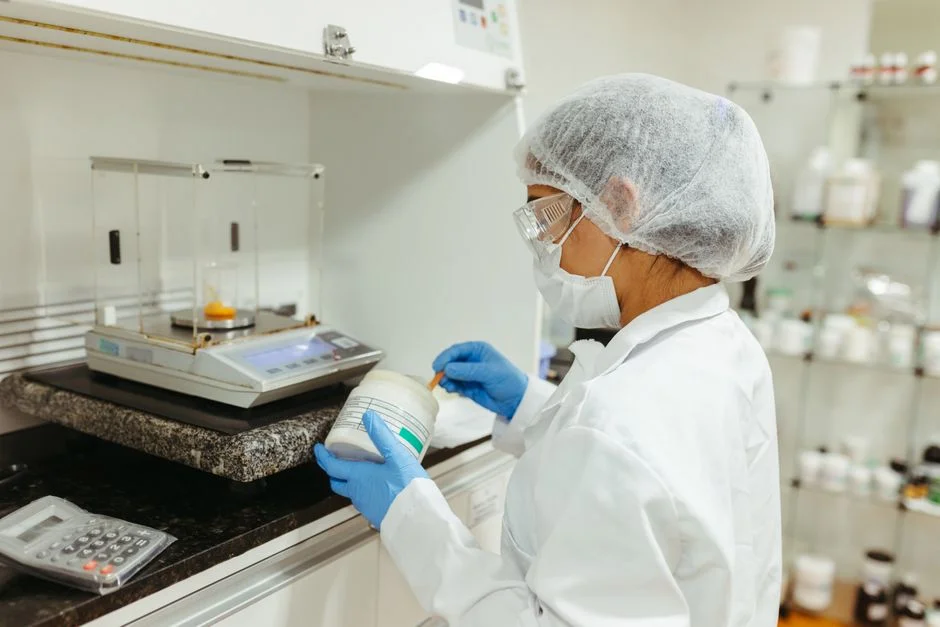
Disinfection is where most Victorian hospital consents fail at audit. The trade-waste consent specifies a contact time (CT), a residual at the discharge point, and a limit on disinfection by-products in the receiving sewer. The four practical options compare as follows:
| Disinfectant | Log-Kill (Bacteria / Virus / Crypto) | DBP Formation | Residual Stability | CAPEX (AUD) | OPEX (AUD/m³) |
|---|---|---|---|---|---|
| NaOCl (12.5%) | 4 / 3 / 1 | High THMs, haloacetic acids | Days (declining) | $5,000–$15,000 | $0.05–$0.12 |
| ClO2 (on-site generated) | 5 / 4.5 / 3 | Minimal THMs; chlorite regulated | Hours (stable) | $35,000–$180,000 | $0.08–$0.18 |
| Ozone | 5 / 4.5 / 2 | Bromate risk | No residual | $120,000–$400,000 | $0.15–$0.30 |
| UV (40 mJ/cm²) | 4 / 3 / 0.5 | None | None | $25,000–$90,000 | $0.04–$0.09 |
Chlorine dioxide delivers a 99.9% kill rate against bacteria, viruses, and Cryptosporidium, and remains biocidal across pH 5–9 — a critical margin for hospital effluent where cleaning protocols swing pH (HydropureWater field data, 2026). Several Victorian water authorities are tightening NaOCl acceptance because trihalomethane formation in the receiving sewer pushes catchment THM loads above the SEPP (Waters) target. Validation under AS/NZS 4366 is straightforward for ClO2 because the residual is measured in real time, and the WHO Guidelines for Drinking-water Quality specify a 0.5–1.0 mg/L ClO2 residual at the discharge point. An on-site chlorine dioxide generator for hospital effluent disinfection scales from 50 g/h benchtop units for clinics to 20,000 g/h industrial skids for 800-bed tertiary sites.
2026 Cost Benchmarks for Hospital Wastewater Treatment in Victoria
Procurement teams need defensible AUD figures tied to facility size. The following ranges are drawn from HydropureWater quotations delivered to Victorian sites in 2025–2026 and include equipment, installation, commissioning, and validation to AS/NZS 4366:
| Facility Size | Process Train | CAPEX (AUD) | OPEX (AUD/m³) | Sludge (kg DS/m³) |
|---|---|---|---|---|
| 10–30 bed clinic / day surgery | WSZ packaged A/O + ClO2 | $180,000–$280,000 | $0.45–$0.75 | 0.8–1.2 |
| 50–100 bed hospital | SBR + DAF + ClO2 | $300,000–$520,000 | $0.35–$0.60 | 1.0–1.3 |
| 150–300 bed hospital | MBR + ClO2 skid | $650,000–$1,200,000 | $0.40–$0.70 | 1.1–1.4 |
| 300+ bed tertiary | MBR + ozone or ClO2 | $1,200,000–$2,400,000 | $0.50–$0.80 | 1.2–1.4 |
OPEX is dominated by power: Victorian commercial electricity averaged AUD 0.28/kWh across 2025, and an MBR plant typically draws 1.2–1.8 kWh/m³ (HydropureWater field data, 2026). Sludge production sits at 0.8–1.4 kg DS/m³ treated across all four trains; a plate and frame filter press for hospital sludge dewatering is the 2026 default, lifting dry solids to 18–22% and cutting haulage cost by roughly 40% against belt presses. Sites that can claim the Victorian Renewable Energy Target rebate for solar-driven MBR aeration typically realise a 15–25% OPEX reduction in year one.
Choosing the Right System: A Decision Framework for Victorian Hospitals
The following rules of thumb map facility profile to process train. They are not a substitute for the formal design report, but they let a procurement officer scope a budget before engaging an engineer:
| Bed Count / Profile | Recommended Train | Key Driver |
|---|---|---|
| ≤10 beds, day surgery, dental | Packaged ClO2 system | Low flow, no full biological stage required |
| 10–50 beds, small hospital | WSZ packaged A/O + ClO2 | Buried installation, minimal operator input |
| 50–200 beds, district hospital | SBR + DAF polish + ClO2 | Intermittent flow, moderate operator skill |
| 200+ beds, tertiary / teaching | MBR + ClO2 or ozone | Reuse, tight nitrogen limit, footprint constraint |
| Retrofit (existing tank) | MBBR + ClO2 | Limited footprint, no civils |
Choose MBR when the trade-waste consent requires TN <10 mg/L, when on-site reuse for toilet flushing or irrigation is in scope, or when the site footprint is constrained. Choose SBR when flow is strongly diurnal and the operator team can manage cycle timing. Choose MBBR when retrofitting an existing concrete tank where civils are not viable. Site constraint: WSZ series supports both buried (no odour complaints from adjacent wards) and above-grade skid (easier maintenance access). Every design report must address SEPP (Waters), EPA Victoria Publication 609.2, the relevant water authority trade-waste consent, Department of Health infectious-disease requirements, and AS/NZS 4366 disinfection validation. The medical wastewater treatment system for small clinics and day procedure centres is the entry point for sub-10-bed facilities.
Frequently Asked Questions
Q1. What approvals does a Victorian hospital need before discharging treated wastewater to sewer?
SEPP (Waters) compliance plus EPA Victoria Publication 609.2 alignment, a trade-waste consent from the relevant water authority (Melbourne Water, Yarra Valley Water, South East Water, or Greater Western Water), Department of Health sign-off for infectious-disease management under the Health Services Act 1988, and AS/NZS 4366 disinfection validation.
Q2. How much does a hospital wastewater treatment system cost in Australia in 2026?
CAPEX runs AUD $180,000–$280,000 for a 10–30 bed clinic, $300,000–$520,000 for a 50–100 bed hospital, and $650,000–$1,200,000 for a 150–300 bed hospital. OPEX is $0.35–$0.75 per m³ treated.
Q3. Is chlorine dioxide better than NaOCl, ozone, or UV for hospital disinfection?
ClO2 delivers a 5-log bacteria kill, 4.5-log virus kill, and 3-log Cryptosporidium kill, forms no THMs, and holds a measurable residual at 0.5–1.0 mg/L. NaOCl is cheaper upfront but forms THMs that several Victorian authorities are restricting; ozone offers comparable kill but no residual and high CAPEX; UV provides no residual and is dose-dependent on effluent transmittance.
Q4. Why choose an MBR over a conventional activated sludge system?
MBR delivers BOD <5 mg/L and SS <1 mg/L, which provides a compliance margin against BOD <20 mg/L and SS <30 mg/L trade-waste limits and removes the need for a separate clarifier. MBR achieves a 60% footprint reduction against CAS, critical on space-constrained Victorian sites.
Q5. How long does trade-waste consent approval take?
Typical lead times are 8–14 weeks depending on the water authority, the application completeness, and whether an EPA referral is triggered. The three core submission documents are the design report (per EPA Vic pub. 609.2), the trade-waste application form, and the AS/NZS 4366 disinfection validation certificate.