A DAF clarifier manufacturer supplies engineered dissolved air flotation systems that remove 90–98% of suspended solids and FOG from industrial wastewater. HydropureWater’s DAF line offers 4–300 m³/h capacity with micro-bubble flotation, achieving high clarification rates in food, textile, and petrochemical applications.
What Is a DAF Clarifier and How Does It Work?
Dissolved air flotation (DAF) systems separate suspended solids, oils, greases (FOG), and colloids from wastewater by utilizing microscopic air bubbles to float contaminants to the surface. Unlike conventional sedimentation, which relies on gravity to settle denser particles, DAF systems actively lift lighter-than-water or neutrally buoyant particles, making them highly effective for specific industrial wastewater profiles. The core mechanism involves dissolving air under pressure into a portion of the treated effluent, which is then recycled and mixed with incoming raw wastewater. When this supersaturated water is released into the DAF clarifier at atmospheric pressure, billions of micro-bubbles (typically 10–100 μm in diameter) nucleate and attach to suspended particles, reducing their effective density and causing them to rapidly float. This process is optimized with typical hydraulic retention times of 15–30 minutes, an air-to-solids ratio between 0.01 and 0.03, and surface loading rates ranging from 5–20 m/h. High-performance DAF clarifiers often integrate upstream chemical coagulation and flocculation steps, which enhance particle agglomeration and improve the efficiency of bubble attachment, leading to optimal separation and clarified effluent.
Industrial Applications and Removal Efficiencies by Sector
Dissolved air flotation systems demonstrate verified high removal efficiencies across diverse industrial sectors, addressing specific wastewater challenges more effectively than alternative technologies. For instance, in food processing, HydropureWater's DAF line consistently achieves 92–97% TSS removal and 90–95% FOG reduction, crucial for meat, dairy, and beverage plants dealing with high organic loads and emulsified fats. Pulp and paper mills utilize DAF for 85–93% COD and color reduction, primarily by removing lignin, fibers, and other colloidal substances that contribute to effluent discoloration and oxygen demand. Textile wastewater, often laden with dyes and sizing agents, sees 88–94% turbidity reduction with coagulant-assisted DAF units, ensuring compliance with discharge limits. The metalworking industry benefits from DAF's ability to achieve 90–96% oil & grease removal from coolant-laden effluent, preventing environmental contamination and facilitating water reuse. Petrochemical facilities deploy DAF for 87–93% suspended solids removal in refinery wastewater, effectively separating emulsified hydrocarbons and fine solids before further treatment stages (HydropureWater field data, 2025). The ability of a high-efficiency DAF clarifier to target these specific contaminants makes it a preferred industrial wastewater clarifier for these applications.
| Industry Sector | Primary Contaminants Addressed | Typical Removal Efficiency (HydropureWater) |
|---|---|---|
| Food Processing (Meat, Dairy, Beverage) | Suspended Solids (TSS), Fats, Oils, Grease (FOG), BOD/COD | 92–97% TSS, 90–95% FOG, 40–60% BOD/COD |
| Pulp and Paper | COD, Color, Fibers, Lignin | 85–93% COD, 88–95% Color |
| Textile Wastewater | Turbidity, Dyes, Sizing Agents, Suspended Solids | 88–94% Turbidity, 80–90% Color |
| Metalworking | Oil & Grease, Suspended Solids, Heavy Metals | 90–96% Oil & Grease, 85–92% TSS |
| Petrochemical | Suspended Solids, Emulsified Hydrocarbons, Oil | 87–93% TSS, 85–90% Oil |
More details on specific models and their performance can be found on our high-efficiency DAF clarifier for industrial wastewater product page.
Key Technical Parameters of High-Performance DAF Systems
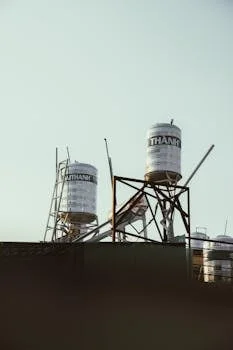
High-performance DAF systems are engineered with precise technical parameters to ensure consistent and efficient industrial wastewater treatment. HydropureWater's DAF line offers a wide flow capacity range, from 4 m³/h for smaller operations up to 300 m³/h for large industrial complexes, with scalability achieved through parallel unit deployment. Optimal hydraulic retention time (HRT) within the DAF tank, typically between 15 and 30 minutes, is crucial for maximizing bubble-particle contact and subsequent flotation. The efficiency of air dissolution is paramount; DAF units achieve 85–95% dissolution rates through multi-stage saturation tanks and robust stainless steel contact chambers, producing a dense cloud of micro-bubbles essential for effective separation. Sludge skimming rates, ranging from 0.5 to 2 cycles per minute, are precisely controlled by variable-speed drives, allowing operators to adjust for optimal sludge consistency and minimize water content in the floated sludge. The compact design of a modern wastewater flotation unit results in a significantly reduced footprint, typically 30–60% smaller than conventional sedimentation tanks designed for equivalent flow rates, offering substantial space savings in industrial facilities.
Explore the full range of specifications for our high-efficiency DAF clarifier for industrial wastewater systems.
DAF vs. Alternatives: When to Choose Flotation Over Sedimentation
Selecting the appropriate wastewater treatment technology hinges on the specific characteristics of the industrial effluent, and DAF often presents a superior solution where conventional methods fall short. Dissolved air flotation systems significantly outperform sedimentation when suspended solids are buoyant, oily, or possess low specific gravity (e.g., FOG, algal sludge, fibrous waste, or finely dispersed particles that resist gravitational settling). For instance, lamella clarifiers, while efficient for settleable solids and achieving 70–85% TSS removal, struggle considerably with oil-laden wastewater or buoyant particles; a DAF machine for factories, however, maintains greater than 90% efficiency in these challenging conditions. In processes generating high BOD/COD streams, DAF serves as an excellent primary treatment step, effectively reducing the organic loading on downstream biological systems by 40–60%, which can lead to smaller, more cost-effective biological reactors. While DAF consumes more energy at 0.3–0.6 kWh/m³ compared to 0.1–0.2 kWh/m³ for sedimentation, this higher operational cost is often justified by superior effluent quality, a significantly smaller physical footprint, and enhanced removal of difficult-to-treat contaminants. This makes DAF a strategic investment for industries prioritizing high effluent quality and compact system integration.
| Parameter | DAF (Dissolved Air Flotation) | Lamella Clarifier | Conventional Sedimentation |
|---|---|---|---|
| Primary Removal Mechanism | Buoyant Flotation (micro-bubbles) | Gravity Settling (inclined plates) | Gravity Settling (large basin) |
| Target Contaminants | FOG, Buoyant Solids, Low-Density Particles, Colloids, Emulsified Oils | Settleable Solids, Flocculated Particles | Settleable Solids, Suspended Solids |
| TSS Removal Efficiency | >90% (often 92-98%) | 70-85% | 60-80% |
| FOG Removal Efficiency | >90% | <30% (poor) | <30% (poor) |
| Footprint Requirement | Compact (30-60% smaller than sedimentation) | Moderate (smaller than sedimentation) | Large |
| Energy Consumption (kWh/m³) | 0.3-0.6 | 0.05-0.15 | 0.1-0.2 |
| Sludge Concentration | High (3-5% solids) | Low (0.5-2% solids) | Low (0.5-2% solids) |
| Suitability for Oily Wastewater | Excellent | Poor | Poor |
For a more comprehensive comparison, refer to our blog on comprehensive comparison of DAF vs. sedimentation, swirl concentrators, and MBR, or explore our high-efficiency sedimentation tank options.
Cost, Scalability, and Integration Considerations
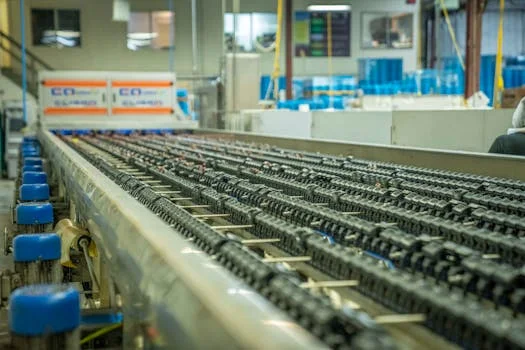
Procurement teams evaluating a dissolved air flotation system must consider not only the initial capital expenditure (CapEx) but also total cost of ownership, scalability, and seamless integration capabilities. As of 2025, the base cost for a 50 m³/h DAF system, including the skid, pumps, and controls, typically ranges from $85,000 to $120,000 in the B2B market. Integrating an automatic chemical dosing system is often essential for optimizing removal efficiencies, increasing the CapEx by approximately 15–20% but yielding a significant 25–35% improvement in contaminant reduction. HydropureWater offers containerized or skid-mounted DAF units, which dramatically reduce on-site installation time by up to 40% and facilitate rapid deployment, even in remote locations. These containerized wastewater treatment solutions are ideal for modular expansion. Advanced PLC automation is a standard feature, minimizing labor costs through automated operation and enabling remote monitoring and control via SCADA systems, which enhances operational efficiency and predictive maintenance. For optimal performance, DAF units are frequently integrated with upstream chemical dosing systems to promote flocculation, forming a complete treatment train.
Learn more about our automatic chemical dosing system for enhanced DAF performance.
Frequently Asked Questions
- What industries benefit most from DAF clarifiers? Food processing, textiles, petrochemicals, and metalworking industries benefit significantly due to their wastewater's high FOG, suspended solids, and colloidal loads, which DAF effectively removes.
- How much space does a DAF system require? A typical 100 m³/h DAF unit, especially a skid-mounted DAF system, can fit within a compact 4m x 8m footprint, which is approximately 40% smaller than an equivalent conventional sedimentation tank.
- Can DAF systems handle variable flow rates? Yes, the HydropureWater DAF line supports a 30–100% flow turndown with automatic level and air control, ensuring consistent performance despite fluctuations in industrial wastewater input.
- Is DAF better than MBR for primary treatment? DAF is generally more cost-effective as a primary treatment step for removing bulk solids and FOG, reducing the load on downstream processes. MBR (Membrane Bioreactor) excels in polishing effluent for high-quality reuse, often following DAF.
- What maintenance does a DAF clarifier need? Regular maintenance typically includes monthly inspection of air compressors, weekly nozzle cleaning to