DAF System in Kenya: 2025 Engineering Guide with Costs, Compliance & Supplier Selection
In Kenya, dissolved air flotation (DAF) systems achieve 90–97% removal of suspended solids, oils, and COD from industrial wastewater—critical for meeting NEMA’s 2025 discharge limits (e.g., <50 mg/L TSS for food processing). Local installations report 30–40% lower sludge disposal costs than conventional sedimentation, with payback periods of 2–4 years for high-load industries like textiles and slaughterhouses. This guide provides Kenya-specific technical specs, cost benchmarks, and supplier selection criteria to evaluate DAF systems for your facility.Why Kenyan Industries Are Adopting DAF Systems in 2025
Kenya’s tightening environmental regulations and increasing water scarcity are driving a significant surge in DAF system adoption across its industrial sectors. NEMA’s 2025 effluent standards, particularly for food processing (<50 mg/L TSS, <10 mg/L FOG) and textiles (<100 mg/L COD), are significantly more stringent than previous limits, as outlined in the Water Act 2016 and NEMA 2024 guidelines. For instance, a Nairobi slaughterhouse faced escalating NEMA fines before implementing a DAF system as pre-treatment for its anaerobic digester, subsequently reducing fines by 65% and improving biogas production efficiency. Beyond compliance, severe water scarcity in industrial hubs like Athi River and Mombasa is compelling industries to pursue water reuse strategies, with DAF systems enabling over 70% water recovery for non-potable uses such as cooling towers and irrigation. DAF systems offer a compelling cost advantage over traditional sedimentation for many Kenyan industries, particularly those with high FOG and TSS loads.Table 1: DAF vs. Conventional Sedimentation Cost Comparison (50 m³/h Textile Plant, Kenya)
| Parameter | DAF System | Conventional Sedimentation |
|---|---|---|
| Capital Cost (KES) | 12-18 million | 8-15 million |
| Footprint (m²) | 20-30 | 50-80 |
| TSS Removal (%) | 90-97 | 60-80 |
| Sludge Volume Reduction (%) | 30-40 (lower volume, higher solids) | N/A (higher volume, lower solids) |
| Annual Opex (KES, incl. local labor/energy) | 1.5-2.5 million | 1.0-1.8 million (higher disposal) |
| Payback Period (years) | 2-4 (with water reuse/compliance benefits) | 4-6 (less efficient compliance) |
This table highlights DAF’s superior performance and long-term cost-effectiveness when considering operational efficiency and regulatory compliance within Kenya’s economic context.
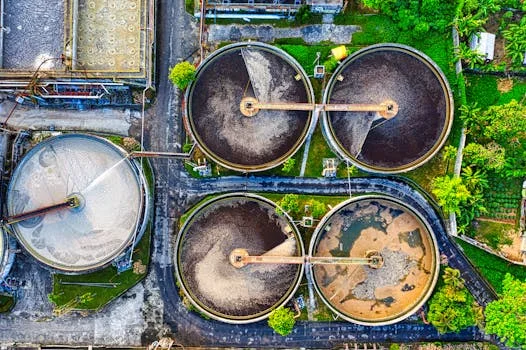
How DAF Systems Work: Engineering Principles for Kenyan Contaminants
DAF System Design Parameters for Kenyan Facilities
Optimal DAF system performance in Kenya hinges on precise design parameters tailored to local wastewater characteristics and operational conditions. Hydraulic loading rates, which dictate the volume of wastewater processed per unit area, are critical: typically 5–12 m/h for industrial wastewater and 2–5 m/h for municipal applications. These rates require adjustment based on influent quality; for example, high-altitude sites like Nairobi may require slightly different considerations due to atmospheric pressure impacting air dissolution, compared to coastal Mombasa. Retention time in the flotation tank, usually ranging from 20–60 minutes, is another key factor; shorter retention times are often sufficient for FOG-heavy influents common in Kenyan dairy plants, while more complex industrial effluents may require longer periods for complete separation. Chemical dosing, including coagulants like PAC (poly-aluminium chloride) or ferric chloride and flocculants such as polyacrylamide, is indispensable for enhancing DAF efficiency, especially for Kenyan wastewater with high colloidal content. For coffee processing wastewater, PAC dosages typically range from 50–150 mg/L to effectively destabilize organic colloids. These chemicals promote the aggregation of smaller particles into larger flocs, which are more readily floated by air bubbles. HydropureWater’s PLC-controlled chemical dosing for DAF systems in Kenya ensures precise and efficient chemical application, optimizing performance and reducing operational costs. The resulting DAF sludge typically has a solids concentration of 3–5%, significantly higher than conventional sedimentation sludge. In Kenya, common sludge disposal options include co-composting for agricultural use, landfilling (at costs ranging from KES 2,000–5,000 per tonne depending on location and type), or anaerobic digestion for biogas production, particularly viable for organic-rich sludges from slaughterhouses and food processing.Table 2: DAF Design Parameter Adjustments for Kenyan Conditions
| Parameter | General Industrial Range | Kenya-Specific Adjustment/Consideration |
|---|---|---|
| Hydraulic Loading Rate (m/h) | 5-12 | Lower end for high FOG/TSS (e.g., slaughterhouses); higher end for less loaded industrial streams. Consider altitude effects on air dissolution. |
| Retention Time (minutes) | 20-60 | Shorter for dairy/FOG; longer for textile dyes or complex chemical wastewater. |
| Coagulant Dose (mg/L PAC) | 50-300 | 50-150 mg/L for coffee processing; higher for high-turbidity influents from volcanic soil regions. |
| Flocculant Dose (mg/L) | 0.5-5 | Optimized through jar tests for specific Kenyan industrial effluents (e.g., sisal fibers, abattoir blood). |
| Sludge Solids Concentration (%) | 3-5 | Impacts local disposal costs (KES 2,000-5,000/tonne) and feasibility of co-composting or biogas. |
For detailed specifications on DAF systems, including the DAF system for Kenyan industrial wastewater, consult with our engineering team.
Cost Breakdown: DAF Systems in Kenya (2025 Benchmarks)
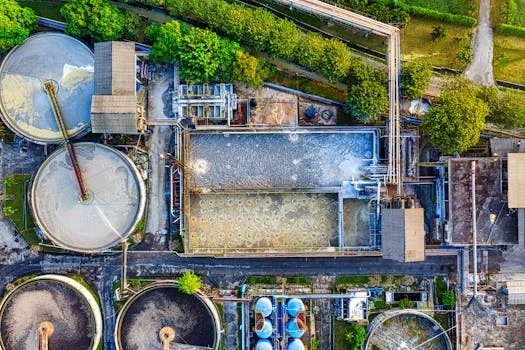
Table 3: DAF System Capex and Opex Benchmarks in Kenya (2025)
| System Capacity (m³/h) | Estimated Capex (KES Million) | Estimated Annual Opex (KES Million) | Typical Payback Period (Years) |
|---|---|---|---|
| 10-20 | 8-12 | 0.8-1.5 | 3-5 (low-medium load) |
| 20-50 | 12-18 | 1.5-2.5 | 2-4 (medium-high load) |
| 50-100 | 18-25 | 2.5-3.5 | 2-3 (high load, with water reuse) |
Top 5 DAF System Suppliers in Kenya: 2025 Comparison
Selecting the right DAF system supplier in Kenya requires a comprehensive evaluation of technical capabilities, local support, and proven compliance expertise. The market includes both established local distributors and international manufacturers, each offering distinct advantages. For example, a Mombasa textile mill significantly reduced downtime by 30% after opting for a local supplier with a robust 24/7 support contract, highlighting the value of proximity for critical operations. However, international suppliers often bring advanced features like sophisticated PLC controls and energy-efficient designs, as seen in how DAF systems perform in high-regulation markets like Australia. Buyers should be wary of suppliers lacking NEMA-certified installations or those promoting 'one-size-fits-all' solutions, as these may not adequately address Kenya's specific regulatory and environmental challenges.Table 4: DAF System Supplier Comparison for the Kenyan Market (Illustrative)
| Supplier Type/Name | System Capacity Range | Materials Offered | Lead Time (Weeks) | NEMA Compliance Support | After-Sales Service |
|---|---|---|---|---|---|
| Local Distributor (e.g., Davis & Shirtliff) | 10-100 m³/h | Carbon Steel, SS304 | 4-10 | Strong local expertise, permitting assistance | 24/7 local support, spare parts availability |
| International Manufacturer (e.g., HydropureWater) | 10-500 m³/h+ | SS304, SS316, FRP | 8-16 | Technical data for NEMA, design optimization | Remote diagnostics, local partner network |
| Specialized Local Fabricator | 5-50 m³/h | Carbon Steel, limited SS304 | 6-12 | Basic NEMA guidance | On-site repair, limited spare parts |
| European Supplier (e.g., Sigmadaf) | 20-300 m³/h | SS304, SS316 | 12-20 | International standards, detailed documentation | Regional service centers, remote support |
| Asian Manufacturer (other than HydropureWater) | 5-200 m³/h | Carbon Steel, SS304 | 6-14 | Variable, often requires local consultant | Local agent support, parts from overseas |
HydropureWater offers a range of DAF systems designed for various industrial applications, including those in food processing wastewater.
DAF System Compliance with Kenya’s NEMA and County Regulations
Frequently Asked Questions
Q: What is the efficiency of DAF in COD removal for Kenyan textile wastewater?
A: DAF systems typically achieve 85–90% COD removal for Kenyan textile wastewater with influent COD ranging from 500–2,000 mg/L, as benchmarked by NEMA 2024 guidelines when combined with appropriate chemical pre-treatment.
Q: How much does a DAF system cost in Kenya for a 50 m³/h slaughterhouse?
A: For a 50 m³/h slaughterhouse in Kenya, the capital expenditure (Capex) for a DAF system is estimated between KES 12–18 million, with annual operational expenditure (Opex) ranging from KES 1.5–2.5 million. The typical payback period for such an installation is 2–3 years, driven by reduced NEMA fines and lower sludge disposal costs.
Q: Which is the best water treatment company in Kenya for DAF systems?
A: The "best" company depends on specific project needs. Local suppliers like Davis & Shirtliff offer strong NEMA compliance support and rapid local service, while international manufacturers like HydropureWater provide advanced automation, high-capacity systems, and robust engineering. Refer to the comparison table above for a detailed evaluation.
Q: Can DAF systems handle high-turbidity wastewater from Kenyan coffee processing?
A: Yes, DAF systems can effectively handle high-turbidity wastewater from Kenyan coffee processing, achieving over 90% removal for turbidity levels below 1,000 NTU. However, for influent turbidity exceeding 3,000 NTU, upstream pre-treatment such as sedimentation may be necessary to optimize DAF performance and reduce chemical consumption.
Q: What are the NEMA fines for non-compliant wastewater discharge in Kenya?
A: Non-compliant wastewater discharge in Kenya can result in severe penalties, including fines ranging from KES 500,000–5 million or imprisonment for 1–5 years, as stipulated under Section 72 of the Water Act 2016.