Kazakhstan COD Discharge Limits in 2026: The Tier System
In Kazakhstan, the COD discharge limit is set under the Water Resources Code No. 188-V of 9 July 2003 and the SanPiN maximum permissible concentration (MPC) framework, with permit-specific limits typically ranging from 50 mg/L (fishery and drinking-water source protection zones) to 100–125 mg/L (municipal/urban drainage). The exact number on your permit depends on the receiving water body category and the regional ecology department (territorialnyi organ) approval issued under the Environmental Code that took effect in 2024–2025. Kazakhstan codifies effluent quality through three receiving-water categories: fishery (the strictest), municipal/urban drainage, and irrigation/land application. The 2023–2024 amendments re-aligned the SanPiN MPC list with the new Environmental Code, so a 2026 permit application is reviewed against the consolidated framework rather than the older 2003 standalone text.
Designers and permit reviewers work with two parallel numbers. The MPC (предельно допустимая концентрация) is the regulatory ceiling published in SanPiN. The ПДС (permissible discharge standards) is the negotiated, site-specific permit limit and is typically 10–20% stricter than MPC because the regional ecology department discounts for local receiving-water assimilation capacity, low-flow months, and downstream abstractions. RSE Kazhydromet publishes background receiving-water quality that feeds directly into the ПДС calculation. The numeric values a bidder can quote are:
| Parameter | Tier 1 — Fishery / drinking source | Tier 2 — Municipal / urban drainage | Tier 3 — Irrigation / land application |
|---|---|---|---|
| COD (chemical oxygen demand) | 30–50 mg/L | 100–125 mg/L | 150–200 mg/L |
| BOD₅ | 3–6 mg/L | 15–25 mg/L | 30–50 mg/L |
| Suspended solids (TSS) | 10–25 mg/L | 50–100 mg/L | 100–150 mg/L |
| Petroleum products | 0.05 mg/L | 0.3–0.5 mg/L | 0.5–1.0 mg/L |
| Ammonia nitrogen (NH₄-N) | 0.39–0.5 mg/L | 2.0–3.5 mg/L | 5.0–8.0 mg/L |
| Nitrates (NO₃-N) | 9.1–10 mg/L | 40–45 mg/L | 45–50 mg/L |
| Phosphates (PO₄-P) | 0.2–0.6 mg/L | 2.0–3.5 mg/L | 5.0–6.0 mg/L |
| Sulphates | 100 mg/L | 300–500 mg/L | 500–800 mg/L |
| Chlorides | 300 mg/L | 350–500 mg/L | 500–700 mg/L |
| pH | 6.5–8.5 | 6.5–8.5 | 6.0–9.0 |
Practical reading: if your client discharges to a river segment designated as fishery or a drinking-water intake protection zone, design the train for COD ≤ 50 mg/L and TSS ≤ 25 mg/L, not the looser 100 mg/L municipal number. That single design choice typically decides whether you select a conventional activated sludge plant or an MBR system.
How Kazakhstan Compares to GOST, Russian, and EU Standards
Kazakhstan's MPC framework derives from Soviet-era GOST 17.1.1.01 and the unified SanPiN norms, then harmonized with Eurasian Economic Union (EAEU) technical regulation TR EAEU 041/2017 on water quality during the 2021–2024 alignment cycle. For a CIS, Chinese, or EU supplier benchmarking a familiar reference set, the practical comparison is:
| Framework | COD (mg/L) | BOD₅ (mg/L) | TSS (mg/L) | Notes |
|---|---|---|---|---|
| Kazakhstan Tier 1 (fishery, SanPiN 2024) | 30–50 | 3–6 | 10–25 | Strictest national tier |
| Russian Federation fishery MPC (Federal Hydrometeorology) | 30 | 3 | 10–20 | Slightly tighter than Kazakhstan fishery |
| EU UWWTD 91/271/EEC (urban, >10,000 PE) | 125 | 25 | 35 (P) | Total N 15, Total P 2 — tighter than Kazakhstan on nutrients |
| EU sensitive areas (91/271/EEC Annex II) | 60–125 | 10–25 | 10–35 | Stricter on N and P than on COD |
| China GB 8978-1996 Class I | 100 | 20 | 70 | Class IA 60 mg/L COD — comparable to Kazakhstan tier 2 |
The headline takeaway: Kazakhstan's fishery tier is broadly comparable to Russian fishery MPC, stricter than the EU Urban Wastewater Treatment Directive on COD, and roughly equivalent to Chinese Class IA. If a bidder's COD removal technology comparison was sized for the EU 125 mg/L envelope, it will underperform on a Kazakhstan tier 1 site and needs to be re-tightened to the 50 mg/L number — usually by adding biological intensification or membrane polishing rather than expanding tankage.
Where High-COD Wastewater Comes From in Kazakhstan
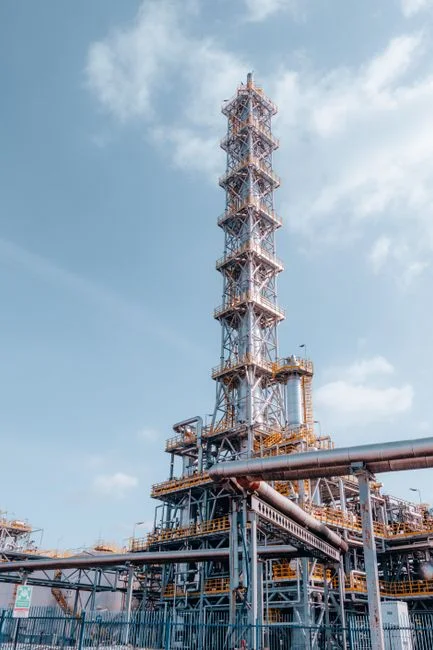
The 2026 Kazakhstan bid pipeline is concentrated in five industrial sectors, each with a distinct raw wastewater COD signature. The right pretreatment and biological sizing follow directly from the influent envelope. Typical ranges drawn from sector benchmarks and recent Central Asia project experience:
| Sector (typical Kazakhstan hubs) | Influent COD (mg/L) | BOD/COD ratio | Key contaminants | Pre-treatment priority |
|---|---|---|---|---|
| Oil & gas — produced water (Tengiz, Karachaganak, Kashagan) | 500–5,000 | 0.2–0.4 | Salinity 50–200 g/L, oil & grease 50–500 mg/L | Oil-water separator + DAF; desalination if total reuse targeted |
| Oil refinery (Atyrau, Pavlodar) | 300–1,500 | 0.4–0.6 | Petroleum products, sulphides, phenols | API separator + DAF + equalization |
| Mining & metallurgy (Pavlodar, Ust-Kamenogorsk, Zhezkazgan) | 200–2,000 | 0.2–0.4 | Heavy metals (Cu, Pb, Zn, As), low pH | pH adjustment + chemical precipitation before biological |
| Chemical & petrochemical (Atyrau, Aktau) | 500–5,000 | 0.3–0.5 | Phenols, cyanides, NH₃-N up to 200 mg/L | Cyanide destruction + phenol acclimated biomass |
| Food & beverage (Almaty, Shymkent) | 1,500–8,000 | >0.5 (biodegradable) | High SS, FOG, TKN, variable flow | Screening + DAF + flow equalization |
| Pulp & paper (Semipalatinsk legacy, Karaganda) | 2,000–6,000 | <0.3 (poorly biodegradable) | Lignin, chlorinated organics, colour | Primary clarification + advanced oxidation (Fenton/O₃) before biological |
Food and beverage streams are the most biodegradable but the most variable in flow; oil & gas and pulp & paper are the most recalcitrant and need biological intensification plus polishing. Mining and chemical streams are toxic and demand pre-treatment for metal removal or cyanide destruction before the biological stage — otherwise ammonia-oxidizing bacteria are inhibited and COD removal efficiency drops from the design 90–95% to 50–60%.
Three Process Trains That Hit 50 mg/L COD Consistently
For a 2026 Kazakhstan bid, the three trains below cover roughly 90% of municipal, food, refinery, and light-industrial cases. Each is anchored on a real operating envelope, not a textbook claim.
| Train | Treatment stages | Effluent COD | Effluent BOD₅ | Effluent TSS | Footprint vs. conventional | Best fit |
|---|---|---|---|---|---|---|
| Conventional activated sludge (A/O or A2/O) | Rotary bar screen → grit → equalization → DAF pre-treatment → A2/O → clarifier → ClO₂ disinfection system → filter press sludge | 60–80 mg/L | 5–10 mg/L | 15–30 mg/L | 1.0× (baseline) | Tier 2 municipal, ≥ 5,000 m³/day |
| Intensified biological (MBBR or SBR) | Same as conventional, swap A2/O for MBBR or SBR | 50–70 mg/L | 5–8 mg/L | 15–25 mg/L | 0.6–0.7× | Variable-flow food, mid-sized refinery |
| MBR (membrane bioreactor) | Screening → DAF → A/O with submerged PVDF UF (0.1–0.4 µm) → UV or ClO₂ → filter press | < 50 mg/L (often 30–40) | < 5 mg/L | < 5 mg/L | 0.4× | Tier 1 fishery, water reuse, tight sites |
For tier 1 fishery compliance or any reuse target, add a polishing stage — ozonation (1–3 g O₃/g residual COD), Fenton oxidation, or activated carbon — to remove the 10–30 mg/L of slowly biodegradable COD that passes through even a well-operated biological stage. Cold-climate design (winter to −30 °C in northern Kazakhstan and the Atyrau region) requires enclosed or heated bioreactors and buried process lines; MBR systems tolerate cold better than conventional activated sludge because of the higher mixed liquor suspended solids (8,000–12,000 mg/L vs. 3,000–5,000 mg/L) achievable in the membrane tank. For a deeper look at selecting between these trains, the regional water reuse analysis covers the operational trade-offs in detail. Bid teams working on similar Central Asia projects can also reference this Central Asia-adjacent engineering guide for procurement sequencing.
Engineering Specs and Cost Benchmarks for a 2026 Kazakhstan Project
The numbers below translate the three trains into a defensible CAPEX/OPEX envelope for a mid-sized project — 500 m³/day with a representative mixed industrial/food or refinery influent. Use them as a sanity check, not a final quote.
| Item | Conventional activated sludge | MBR |
|---|---|---|
| Design influent | COD 2,000 / BOD₅ 1,000 / TSS 600 mg/L | COD 2,000 / BOD₅ 1,000 / TSS 600 mg/L |
| Effluent target | COD ≤ 80 mg/L (tier 2) | COD ≤ 50 mg/L (tier 1) |
| CAPEX (USD) | $250,000–450,000 | $400,000–700,000 |
| OPEX (USD/m³) | $0.30–0.55 | $0.45–0.80 |
| Footprint | 250–400 m² | 100–160 m² |
| Power consumption | 0.4–0.8 kWh/m³ | 0.9–1.5 kWh/m³ |
| Membrane replacement | N/A | Every 5–7 years (~12–18% of OPEX) |
| Delivery schedule | 9–14 months (civil build) | 4–6 months (containerized/package) |
| Cake dryness (filter press) | 22–25% DS | 22–25% DS |
Package/containerized MBR plants are the only practical option for tight bid schedules or remote Tengiz, Karachaganak, and Kashagan-area sites. Conventional civil-built plants win on raw OPEX at flows above roughly 5,000 m³/day and where land is cheap. In northern Kazakhstan, enclose aeration tanks or accept a 20–30% derating in BOD removal kinetics below 10 °C — the MBR's higher MLSS partially compensates for this.
Permitting, Sampling, and Common Pitfalls
The 2024–2025 Environmental Code consolidated the permit pathway: applicants file an environmental permit (экологическое разрешение) through the regional ecology department, accompanied by a draft ПДС calculation that demonstrates effluent quality at the discharge point. Accredited laboratory analysis (ISO/IEC 17025-equivalent, registered in the Kazakhstan accreditation system) is mandatory, and Kazhydromet background-receiving-water data is part of the submission. Standard sampling is 24-hour composite, twice monthly, with quarterly full-parameter scans including heavy metals for mining and refinery sites.
Three pitfalls repeatedly delay 2026 bids. First, designing to the MPC ceiling rather than the negotiated ПДС — the permit limit is usually 10–20% tighter, so a 100 mg/L design becomes 80–90 mg/L in practice and misses tier 1 by 30–40 mg/L. Second, ignoring seasonal low flow in the receiving water body: summer flow in the Irtysh, Ili, and Ural basins can drop 40–60% versus the spring freshet, and the permit limit tightens accordingly. Third, single-train biological design with no redundancy — one aeration basin failure causes immediate permit exceedance and administrative fines in the 30–50 million KZT range plus potential operating suspension. Always specify at least two parallel aeration basins sized for 75% of design flow each, and keep a rental blower on standby for critical sites.
Frequently Asked Questions

What is the COD discharge limit for industrial wastewater in Kazakhstan in 2026?
50 mg/L for discharges to fishery and drinking-water source protection zones (tier 1), 100–125 mg/L for municipal/urban drainage (tier 2), and up to 150–200 mg/L for irrigation (tier 3), per SanPiN as consolidated under the 2024 Environmental Code. Your actual permit limit is the negotiated ПДС, typically 10–20% stricter than the MPC.
Which law governs COD effluent limits in Kazakhstan?
The Water Resources Code No. 188-V of 9 July 2003 (as amended through 2024) plus the Environmental Code that took effect in 2024–2025, with numeric values set by SanPiN. Permit issuance sits with the regional ecology department (territorialnyi organ) and is informed by Kazhydromet receiving-water monitoring data.
How do I design a treatment plant to hit 50 mg/L COD for a Kazakhstan tier 1 site?
Use an MBR train: rotary bar screen → grit removal → DAF → A/O or A2/O with submerged PVDF UF (0.1–0.4 µm) → UV or ClO₂ disinfection → filter press for sludge. Expect effluent COD 30–40 mg/L, BOD₅ < 5 mg/L, TSS < 5 mg/L, with footprint roughly 40% of a conventional activated sludge plant of equal capacity.
How long does an environmental permit take in Kazakhstan?
Allow 4–8 months from ПДС calculation submission to permit issuance for a standard industrial discharge, longer if a state environmental review (государственная экологическая экспертиза) is required. Submitting an incomplete ПДС or omitting the Kazhydromet background data package is the most common cause of 3–6 month delays.
What is the typical penalty for exceeding a Kazakhstan COD permit limit?
Administrative fines in the 30–50 million KZT range per exceedance event, plus potential suspension of the operating permit and mandatory retrofit. Repeat exceedances escalate to criminal liability under Article 328 of the Kazakhstan Criminal Code.