What Industrial Wastewater Treatment Requires in Punjab Pakistan
Industrial wastewater treatment in Punjab Pakistan must meet PEQS inland limits of BOD ≤ 80 mg/L, COD ≤ 150 mg/L, and TSS ≤ 100 mg/L. Typical trains use equalization, DAF or chromium reduction, biological or MBR polishing, and sludge dewatering. CAPEX for 100–1,000 m³/day plants remains PKR 50M–500M.
Only about 1% of industrial wastewater is treated today. Non-compliant units face Punjab EPA enforcement under the Punjab Environmental Protection Act 2012, including fines up to PKR 10M and possible sealing. Textile dyes often reach about 1,200 mg/L COD; tannery chromium can reach 150 mg/L. Exporters also face EU sustainability audits that can threaten GSP+ access when effluent records fail.
Why Punjab’s Industrial Wastewater Crisis Demands Immediate Action
Punjab factories face legal penalties from PKR 5M to 10M for violating the Punjab Environmental Protection Act 2012, which empowers the Punjab Environmental Protection Agency (EPA) to seal non-compliant units. The urgency is economic as well as regulatory for exporters. In 2023, a major textile plant in Faisalabad was fined PKR 8M after untreated effluent drove a localized BOD spike that exceeded PEQS limits by 400%.
European Union sustainability audits mean non-compliant Pakistani factories risk losing GSP+ status or facing import bans. Data from the Centre of Excellence in Water Resources Engineering indicates that 68% of wastewater-irrigated vegetables in Punjab’s peri-urban areas exceed WHO heavy-metal limits for lead (Pb) and cadmium (Cd). That contamination enters the local food chain and creates long-term health liabilities for workers and nearby communities.
For plant managers, inaction also raises freshwater cost. Punjab’s groundwater table drops by 0.5 to 1.0 meters annually in industrial hubs like Lahore and Sialkot, so reuse becomes an operating need. Most plants we size in those hubs already run toward the lower end of available aquifer yield during peak summer shifts.
Punjab’s Industrial Wastewater Characteristics: What Your Plant’s Effluent Really Contains
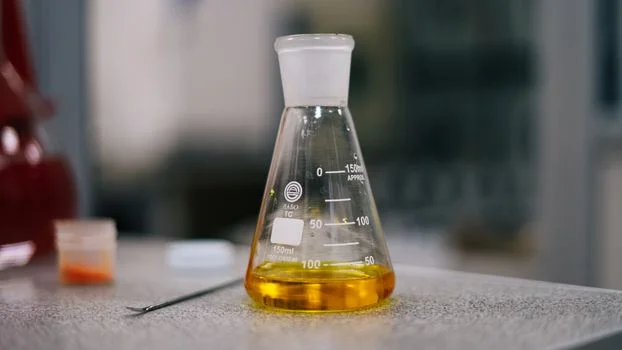
Textile and tannery effluents in Punjab exhibit chemical oxygen demand (COD) levels frequently exceeding 1,200 mg/L, which is eight times the legal inland discharge limit. Engineers must quantify influent by sector before locking the treatment train. Textile wastewater is typically alkaline (pH 9–11) with intense reactive-dye color, while tannery waste carries toxic hexavalent chromium and high total dissolved solids (TDS).
Seasonal swings change design loads across the province. During monsoon (July–September), storm-water ingress can dilute COD by 20–30%, yet raise total suspended solids (TSS) by 200–300% from silt and debris. In dry winter months, evaporation in open drains concentrates salts and can inhibit biology. Use 24-hour composite samples, not grab samples, so the plant is sized for peak loading rather than average flow.
| Parameter | Textile Industry | Tannery Industry | Food Processing | PEQS Limit (Inland) |
|---|---|---|---|---|
| COD (mg/L) | 800 – 1,200 | 2,500 – 4,500 | 1,500 – 3,000 | ≤ 150 |
| BOD (mg/L) | 300 – 500 | 800 – 1,500 | 1,000 – 2,000 | ≤ 80 |
| TSS (mg/L) | 300 – 500 | 1,500 – 2,500 | 400 – 800 | ≤ 100 |
| Chromium (mg/L) | N/A | 50 – 150 | N/A | ≤ 1.0 (Total) |
| pH | 9.0 – 11.0 | 7.5 – 9.5 | 4.5 – 6.5 | 6.0 – 9.0 |
Treatment Process Design: Step-by-Step Engineering Specs for Punjab’s Top Industries
Punjab-compliant treatment trains must balance high hydraulic retention times (HRT) with chronic power instability. For textiles, start with an equalization tank at 4–6 hours HRT to stabilize pH and temperature, then use DAF systems for high-efficiency TSS/FOG removal in Punjab’s textile and food processing plants. Keep mixed liquor suspended solids (MLSS) at 3,500–4,000 mg/L in the biological stage. Integrating MBR systems for PEQS-compliant COD/BOD removal in Punjab’s industrial wastewater helps polish stubborn dyes toward effluent color ≤ 50 ADMI.
Tannery projects shift the focus to chromium recovery and TDS management. Begin with a mechanical bar screen to remove hide scraps and hair. Reduce hexavalent chromium by lowering pH to 2.5 with sodium bisulfite, then precipitate with lime at pH 8.5–9.0 to drive chromium below 0.1 mg/L. For the resulting sludge, a plate and frame filter press for sludge dewatering remains the usual choice in Sialkot and Kasur, producing a dry cake that meets provincial solid-waste disposal practice.
Food processing plants, especially dairy and juice lines, carry high fats, oils, and grease (FOG). A Dissolved Air Flotation (DAF) unit (for example DAF-50) handles primary FOG removal, followed by an Upflow Anaerobic Sludge Blanket (UASB) reactor for high-strength BOD. An aerobic polishing stage is still required to meet the PEQS 80 mg/L BOD limit. Specify aeration equipment and MBR blowers with automatic restart within 30 seconds so biomass does not die off during generator changeover.
| Industry | Primary Treatment | Secondary Treatment | Tertiary/Sludge | Key Spec |
|---|---|---|---|---|
| Textile | DAF-100 | A/O + MBR | ClO₂ Disinfection | MLSS 4,000 mg/L |
| Tannery | Cr(VI) Reduction | Lamella Clarifier | Filter Press | pH 2.5 (Reduction) |
| Food | DAF-50 | UASB + Aerobic | UV Sterilization | F/M Ratio 0.15 |
How does sulfide precipitation remove arsenic?
Sulfide precipitation removes arsenic from wastewater by converting dissolved arsenic species into low-solubility arsenic sulfides under controlled pH and sulfide dose. Plants that blend arsenic-bearing groundwater or process streams into the same equalization tank should treat arsenic as a separate metals duty, not as a dye or FOG problem. Field trains typically adjust pH, dose a sulfide source, then clarify and dewater the sulfide solids before biological stages that cannot tolerate sulfide shock.
Vendor claims of “99.9% removal” are not a design basis until jar tests and 24-hour composites confirm residual arsenic against the plant’s discharge permit. Keep ORP and pH meters online, and isolate sulfide sludge from chromium cake when both metals appear on one site. Most plants we size for mixed metals keep a dedicated metals reactor ahead of DAF or biological tanks so biology is not poisoned during upset doses.
What design specs matter for arsenic sulfide systems?
Arsenic sulfide systems need defined pH setpoints, sulfide residual control, and solids capture before the biological train. Use the same composite sampling discipline already required for COD and chromium so peak arsenic is not missed on day-shift grabs. If arsenic and chromium co-exist, sequence reduction and precipitation steps so one metal’s chemistry does not redissolve the other.
Equipment Selection Guide: Comparing DAF, MBR, and Chemical Treatment for Punjab’s Conditions
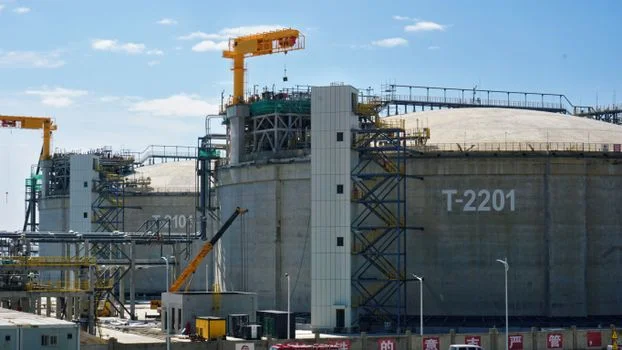
Wastewater equipment selection in Punjab trades MBR footprint against DAF chemical demand. Dissolved Air Flotation (DAF) suits plants with high TSS and grease, such as the Gujranwala food cluster. DAF CAPEX often lands around PKR 15M–40M for mid-sized plants, but coagulants and flocculants must be dosed steadily. An automatic chemical dosing system reduces operator error, a common root cause of PEQS violations on chemical-physical plants.
Membrane bioreactors (MBR) suit textile mills when reuse is the goal. OPEX is higher (PKR 150–200/m³) because of membrane scouring air, yet footprint is about 60% smaller than conventional activated sludge—critical in congested zones such as Kot Lakhpat in Lahore. For tannery heavy metals, chemical precipitation remains cost-effective when paired with high-pressure sludge dewatering. Comparing regional practice, including how Vietnam’s textile wastewater treatment compares to Punjab’s challenges, shows local plants often need stronger pre-treatment because influent TDS runs higher.
| Technology | Efficiency (COD) | Footprint | OPEX (PKR/m³) | Best Use Case |
|---|---|---|---|---|
| DAF | 70 – 85% | Medium | 80 – 120 | FOG/TSS (Food) |
| MBR (DF) | 95 – 98% | Small | 150 – 200 | Water Reuse (Textile) |
| Chem-Phys | 60 – 80% | Large | 120 – 180 | Heavy Metals (Tannery) |
Cost Breakdown: CAPEX, OPEX, and ROI for Punjab’s Industrial Wastewater Plants
Capital expenditure (CAPEX) for industrial wastewater treatment plants in Punjab typically ranges from PKR 50M to 500M depending on daily flow and contaminant complexity. A 500 m³/day textile plant generally needs PKR 150M to 300M, including civil works and filtration. Those figures align with cost benchmarks for wastewater treatment plants in neighboring regions, though logistics and import duties on membranes can swing costs by about 15%.
Operational expenditure (OPEX) is dominated by energy (40–50%) and chemicals (20–30%). ROI usually comes from fine avoidance, water reuse, and market access. Reusing MBR effluent for cooling towers or boiler feed can cut freshwater procurement by PKR 200–400/m³. The Punjab Green Fund currently offers grants covering up to 30% of CAPEX for plants that demonstrate significant recycling. Food processors that adopt sludge dewatering best practices for Punjab’s food processing plants can also shrink disposal volume by converting wet sludge into low-volume cake.
| Plant Capacity | Avg. CAPEX (PKR) | Avg. OPEX (PKR/Month) | ROI Period |
|---|---|---|---|
| 100 m³/day | 50M – 100M | 0.4M – 0.6M | 3.5 Years |
| 500 m³/day | 150M – 300M | 1.5M – 2.2M | 2.8 Years |
| 1,000 m³/day | 400M – 500M | 3.5M – 5.0M | 2.2 Years |
Compliance Checklist: How to Meet Punjab’s PEQS and EPA Standards in 2026
Punjab Environmental Quality Standards (PEQS) for 2026 mandate a maximum BOD of 80 mg/L and COD of 150 mg/L for industrial inland discharges. Consistent compliance needs automation rather than manual dosing alone. Punjab EPA expects digital flow meters and real-time pH/ORP monitoring on large dischargers. An automatic chemical dosing system helps hold pH inside 6.0–9.0 and prevents the sudden shocks that knock out biology.
Use this practical compliance checklist for industrial plants in the province:
- Weekly testing: Run internal BOD/COD and TSS checks every 7 days.
- Third-party audits: Schedule monthly sampling by an EPA-certified laboratory.
- Redundancy: Install backup blowers and pumps on critical stages; equipment failure is not accepted as an excuse for discharge violations.
- Disinfection: Treat final effluent with a chlorine dioxide generator when coliform limits apply for irrigation-fed canals.
- Log maintenance: Keep daily digital logs of energy, chemical use, and flow for EPA inspection.
- Composite sampling: Prefer 24-hour composites over grab samples during monsoon and peak production.
- Metals control: Separate chromium or arsenic precipitation residuals from biological sludge streams.
Who This Is For / Next Step
Who this is for: plant engineers, EPC contractors, and procurement managers sizing textile, tannery, or food-processing effluent trains in Lahore, Faisalabad, Sialkot, Kasur, or Gujranwala. Who should look elsewhere: domestic-only projects with no industrial COD, chromium, or FOG load, or sites seeking municipal sewer connection without onsite treatment. Next step: match your 24-hour composite data to the sector train above, then request a sized equipment list and budget band through our industrial wastewater treatment inquiry form before freezing civil drawings.
Frequently Asked Questions
What are the PEQS discharge limits for industrial wastewater in Punjab?
PEQS inland limits used in this guide are BOD ≤ 80 mg/L, COD ≤ 150 mg/L, TSS ≤ 100 mg/L, and total chromium ≤ 1.0 mg/L, with pH held between 6.0 and 9.0. Textile color near ≤ 50 ADMI is common when MBR polishing supports reuse or strict canal discharge. Confirm your outfall schedule with Punjab EPA, because irrigation canals may add coliform and monitoring conditions beyond the core BOD/COD table.
How much does an industrial wastewater treatment plant cost in Punjab?
CAPEX typically ranges from PKR 50M for about 100 m³/day plants to PKR 400M–500M for 1,000 m³/day facilities, with mid-size 500 m³/day textile trains often at PKR 150M–300M. OPEX commonly falls between PKR 80 and PKR 200 per cubic meter treated, depending on whether DAF, chem-phys, or MBR dominates energy and chemical use. Import duties on membranes and local civil rates can move totals by roughly 15% versus neighboring-region benchmarks.
What is the best wastewater treatment technology for textile factories in Punjab?
MBR systems usually fit textile plants that need stable COD/BOD compliance and reuse, with COD removal often at 95–98% and MLSS around 3,500–4,000 mg/L. Pair MBR with equalization and DAF when TSS, FOG, or dye solids would foul membranes. Congested sites such as Kot Lakhpat usually prefer the smaller MBR footprint despite higher scour-air OPEX.
Can treated wastewater be reused in Punjab’s industries?
Yes. With MBR and tertiary filtration, treated water can supply cooling towers, floor washing, and selected process stages, cutting freshwater procurement by about PKR 200–400/m³ where municipal or tanker water is costly. Plants seeking Punjab Green Fund support should document recycle fraction, because grants can cover up to 30% of CAPEX when recycling performance is demonstrated. Always separate reuse piping from potable lines and retest conductivity, hardness, and residual color before boiler or dyeing reuse.
What are the penalties for non-compliance with Punjab’s wastewater regulations?
Under the Punjab Environmental Protection Act 2012, penalties include fines up to PKR 10M, continuing daily fines, and sealing or closure of non-compliant units by Punjab EPA. The 2023 Faisalabad textile case cited earlier shows a PKR 8M fine after a BOD excursion about 400% above PEQS. Exporters also face commercial penalties when EU buyers withdraw orders or GSP+ access is threatened after failed sustainability audits tied to effluent records.