Why Wellington’s Wastewater Costs Are Spiraling: Lessons from the $511M Blowout
The $511 million cost blowout for Wellington’s sludge treatment facility stems from $120 million in engineering redesigns and $311 million in unforeseen compliance upgrades necessitated by the Moa Point infrastructure failure. For industrial facility managers, this municipal-scale crisis serves as a critical data point for risk assessment. The Moa Point failure in early 2026, which resulted in significant untreated sewage discharge, was primarily triggered by a single-point failure in primary screening systems. This event underscores a vital lesson for the private sector: the cost of redundancy is far lower than the cost of failure. Integrating dual bar screens or redundant pump sets typically adds only 5% to initial CAPEX but serves as a hedge against Wellington’s strict regulatory fines, which can exceed $100,000 per day for non-compliant discharges.
Wellington’s unique geographical and economic landscape introduces three primary cost drivers that often catch offshore investors off guard. First, seismic resilience requirements add a 10–15% premium to CAPEX for all structural tanks and heavy machinery mounts. Second, the regional labor market for specialized trades—such as wastewater-certified welders and PLC programmers—commands rates between $120 and $150 per hour. Finally, port delays in the Wellington region have extended lead times for critical imported components to 12–16 weeks, necessitating a proactive procurement strategy. To avoid the budget creep seen in municipal projects, industrial buyers should implement a 20% design contingency and pre-qualify local contractors who demonstrate specific experience with New Zealand’s seismic building codes.
To mitigate these risks, industrial projects must pivot from "lowest-bid" procurement to a total cost of ownership (TCO) model. By analyzing the $80 million spent on zero-margin commissioning at Moa Point, it becomes clear that phased commissioning and early-stage pilot testing are essential. For facilities evaluating Wellington-optimized DAF systems for high-TSS industrial wastewater, ensuring that the design margins account for peak flow surges rather than average flows is the difference between a stable operation and a multi-million dollar remediation project.
Wellington Wastewater Treatment Costs in 2026: CAPEX and OPEX by Technology
Wellington industrial wastewater CAPEX for 2026 is benchmarked at $3,500 to $5,000 per m³/day for Membrane Bioreactor (MBR) systems and $1,200 to $2,500 per m³/day for Dissolved Air Flotation (DAF) units. These figures represent the base installation costs before site-specific civil works. Conventional activated sludge (CAS) remains a middle-ground option at $2,000 to $3,500 per m³/day, though its larger footprint often makes it unviable for Wellington’s constrained industrial zones. Hybrid systems, which combine DAF for solids removal with MBR for nutrient polishing, typically range from $2,800 to $4,200 per m³/day, offering the most robust protection against fluctuating influent quality.
Operating expenditure (OPEX) in the Wellington region is heavily influenced by energy costs and sludge management fees. MBR systems, while providing superior effluent quality, require 0.8–1.2 kWh/m³ for aeration and membrane scouring. In contrast, DAF systems are more energy-efficient, consuming 0.4–0.6 kWh/m³. However, the true "hidden" cost in Wellington is sludge disposal. Current landfill tipping fees and transport costs range from $150 to $300 per ton, making dewatering efficiency a primary driver of long-term profitability. MBR users must budget $200–$400 per m² for membrane replacement every 5–7 years to maintain flux rates.
Influent characteristics significantly dictate the final price tag. For instance, if Total Suspended Solids (TSS) exceed 500 mg/L, the biological stage will require extensive pre-treatment to prevent fouling. Adding a lamella clarifier or a DAF unit in these scenarios typically increases CAPEX by 20–30% but protects the more expensive MBR systems for Wellington’s space-constrained sites and reuse applications from premature failure. When compared internationally, how Hanoi’s wastewater treatment costs compare to Wellington’s reveals that while labor is cheaper in Asia, the seismic compliance and environmental standards in New Zealand create a higher, more stable floor for investment costs.
| Technology Type | CAPEX (per m³/day) | OPEX (per m³) | Energy Use (kWh/m³) | Wellington Footprint |
|---|---|---|---|---|
| DAF (Pre-treatment) | $1,200 – $2,500 | $0.40 – $0.70 | 0.4 – 0.6 | Small |
| Conventional (CAS) | $2,000 – $3,500 | $0.80 – $1.20 | 0.5 – 0.8 | Large |
| MBR (Advanced) | $3,500 – $5,000 | $1.10 – $1.60 | 0.8 – 1.2 | Minimal |
| Hybrid (DAF+MBR) | $2,800 – $4,200 | $0.90 – $1.40 | 0.7 – 1.1 | Moderate |
How to Calculate Your Wellington Wastewater Treatment Plant Cost: A Step-by-Step Framework
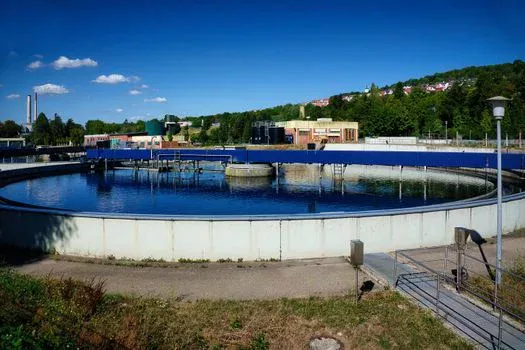
Calculating total investment for a Wellington wastewater facility requires a four-step framework that adjusts baseline equipment costs for local seismic resilience standards and specialized labor rates. This process begins with a granular analysis of influent parameters. Industrial facilities, particularly in the dairy or food processing sectors, often deal with TSS levels of 800–1,200 mg/L and Chemical Oxygen Demand (COD) between 2,000 and 4,000 mg/L. These high loads necessitate robust pre-treatment before any biological processing can occur.
Step 1: Define Influent and Flow. Determine your average and peak daily flow (m³/day). For a typical Wellington dairy processor at 200 m³/day, the high organic load dictates the need for an PLC-controlled chemical dosing for Wellington’s variable industrial effluents to stabilize the influent before it hits the primary clarifier.
Step 2: Select Technology Based on Effluent Standards. If the goal is discharge to the municipal sewer, a DAF system may suffice. However, if the facility aims for "Class A" reclaimed water for irrigation or cooling, an MBR or tertiary filtration system is mandatory. This choice alone can swing the CAPEX by over $1.5 million for a mid-sized plant.
Step 3: Apply Wellington Multipliers. Once a baseline cost is established, apply a 1.15x multiplier for seismic compliance and a 1.05x multiplier for regional labor. If the equipment is imported, factor in a 3–5% buffer for port handling and logistics. Utilizing an efficient sedimentation tank can often offset some of these civil costs by reducing the total volume of concrete required for the build.
Step 4: Contingency and Compliance. Finally, add a 20% contingency for industrial projects. This is not "extra" money; it is a necessary buffer for the 15% redundancy requirement and 10% monitoring equipment costs mandated by current Wellington Resource Management Act standards. For example, a 200 m³/day dairy plant utilizing DAF pre-treatment and MBR would result in a total CAPEX of approximately $3.2 million with an annual OPEX of $480,000.
MBR vs. DAF vs. Conventional Activated Sludge: Cost and Performance Comparison for Wellington
Membrane Bioreactor (MBR) systems in Wellington offer a 60% reduction in physical footprint compared to conventional activated sludge, justifying a 40% higher CAPEX for space-constrained industrial sites. In urban Wellington, where industrial land is at a premium, the ability to pack high-capacity treatment into a smaller area often results in lower total project costs when land acquisition and site preparation are factored in. MBR systems also deliver the highest effluent quality (COD <50 mg/L), which is essential for facilities looking to future-proof against tightening Wellington wastewater reuse standards.
Dissolved Air Flotation (DAF) serves a different strategic purpose. It is the gold standard for removing Fats, Oils, and Grease (FOG) and high concentrations of TSS. While its CAPEX is the lowest among the three ($1,200–$2,500/m³), it is primarily a pre-treatment technology. Industrial buyers often find that DAF systems have the lowest OPEX (8–12% of CAPEX annually) because they rely on physical-chemical separation rather than the energy-intensive aeration required for biological systems. For food processors in the Hutt Valley, a DAF system is often the most cost-effective way to meet trade waste bylaws without the complexity of a full biological plant.
Conventional Activated Sludge (CAS) is increasingly rare for new Wellington industrial builds due to its massive footprint and lower reliability in meeting modern nutrient limits. While its OPEX is moderate (12–18%), the requirement for secondary clarifiers and large aeration basins makes it 30% larger than a DAF system and significantly less efficient than an MBR. When comparing how Cleveland’s industrial wastewater costs compare to Wellington’s, the technical preference in Wellington leans much more heavily toward MBR due to the local emphasis on high-quality effluent and limited site availability.
| Metric | MBR System | DAF System | Conventional CAS |
|---|---|---|---|
| Effluent COD | < 50 mg/L | 300 – 500 mg/L (Pre-treated) | 80 – 120 mg/L |
| Footprint Size | Minimal (1x) | Small (1.5x) | Large (3x) |
| Annual OPEX % | 10% – 15% | 8% – 12% | 12% – 18% |
| Reuse Potential | High (Direct) | Low (Pre-treatment only) | Moderate (Needs UV/RO) |
Local vs. Imported Equipment: Cost, Lead Time, and Compliance Trade-Offs in Wellington
Imported wastewater equipment from specialized manufacturers typically reduces CAPEX by 30% compared to local or European alternatives, though buyers must account for 12-to-16-week lead times due to Wellington port congestion. For a standard DAF unit, sourcing from a high-quality Chinese manufacturer like HydropureWater can save an industrial facility hundreds of thousands of dollars in upfront costs. However, these savings must be balanced against the need for New Zealand-specific certifications. All imported tanks and pressure vessels must be verified for seismic compliance under NZS 1170.5, which can add 5–10% to the total cost if not handled by the supplier at the factory level.
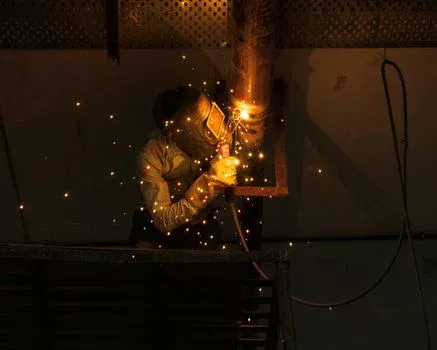
Local labor for installation remains a fixed high cost, regardless of where the equipment is manufactured. With rates at $120–$150/hr, the strategy for cost reduction lies in modularity. Modular, skid-mounted systems—such as a rotary mechanical bar screen integrated into a pre-wired container—can reduce on-site installation time by 40%. This "plug-and-play" approach minimizes the number of hours specialized NZ contractors need to spend on-site, effectively lowering the total installed cost.
To mitigate the risks associated with imported equipment, industrial buyers should negotiate fixed-price contracts that include delivery to the Wellington site. This protects the budget from fluctuating shipping rates and unexpected port surcharges. selecting a supplier with a proven track record in the New Zealand market ensures that the equipment arrives with the necessary documentation for local council sign-off, preventing the $120 million redesign scenarios seen in municipal blowouts.
How to Reduce Wellington Wastewater Treatment Costs Without Compromising Compliance
Optimizing pre-treatment stages via high-efficiency clarification can reduce secondary biological treatment CAPEX by up to 30% while ensuring compliance with the New Zealand Resource Management Act. By removing the bulk of the solids load early, the downstream biological reactors (like MBRs) can be sized much smaller. This not only reduces the initial purchase price but also lowers the energy required for aeration, which is the single largest component of OPEX. Utilizing sludge dewatering systems to cut Wellington’s $150–$300/ton disposal costs is another high-ROI strategy; increasing sludge cake dryness from 15% to 30% can halve annual disposal budgets.
Energy efficiency upgrades provide a rapid return on investment. Installing Variable Frequency Drives (VFDs) on blowers and pumps typically reduces energy consumption by 15–25%, with an ROI of less than two years at current Wellington commercial electricity rates. industrial facilities should investigate the use of an automatic chlorine dioxide generator for disinfection. This technology is often more cost-effective than bulk liquid chlorine and provides better performance against the specific pathogens monitored by the Greater Wellington Regional Council.
Finally, industrial buyers should explore phased installation and local incentives. The Greater Wellington Regional Council occasionally offers grants for water reuse projects that can cover up to 30% of CAPEX. By designing a modular system—starting with a DAF for immediate compliance and adding an MBR later for reuse—companies can spread their capital expenditure over several fiscal years. For those debating the specific hardware for sludge management, a filter press vs. screw press cost comparison for Wellington’s sludge disposal challenges can provide the necessary data to choose the technology that offers the best 5-year TCO.
Frequently Asked Questions
What is the average cost per m³ for wastewater treatment in Wellington?
For industrial systems in 2026, the average operational cost ranges from $1.50 to $3.00/m³ for DAF plus biological treatment. Advanced MBR systems range from $2.50 to $4.50/m³, depending on energy prices and chemical requirements.
How much does sludge disposal cost in Wellington?
Sludge disposal costs currently sit between $150 and $300 per ton. These costs are driven by landfill tipping fees, which the Greater Wellington Regional Council projects will rise by 5–7% annually through 2030.
What are the lead times for wastewater treatment equipment in Wellington?
Local equipment can often be delivered in 8–10 weeks. Imported systems from major manufacturing hubs typically require 12–16 weeks, largely due to regional port congestion and shipping logistics.
Can I reuse treated wastewater in Wellington?
Yes, wastewater reuse is encouraged under the Resource Management Act. However, non-potable reuse (e.g., for cooling towers or irrigation) requires MBR or tertiary treatment to meet safety standards, which typically adds 20–30% to the initial CAPEX.
What are the biggest cost drivers for wastewater treatment in Wellington?
The primary drivers are influent TSS/COD levels (20–30% impact), seismic compliance engineering (10–15%), and energy costs for aeration, which account for 15–20% of total OPEX.