Wastewater Treatment Plant Cost in Rajasthan 2026: CAPEX, OPEX & Sector-Specific Breakdown for Industrial Buyers
In 2026, wastewater treatment plant costs in Rajasthan range from ₹2.5 lakh for a 10 KLD packaged STP to ₹45 crore for a 1,000 KLD ZLD system, with sector-specific CAPEX varying by 30–50% due to effluent complexity. For example, textile plants in Pali pay ₹40–60 lakh for a 100 KLD MBR system to meet RPCB’s COD ≤250 mg/L limit, while steel plants in Bhiwadi invest ₹1.2–1.8 crore for DAF + biological treatment to handle TSS up to 1,500 mg/L. OPEX averages ₹3–12 lakh/year for 50–200 KLD plants, with energy costs (30–40% of OPEX) and sludge disposal (15–20%) as key drivers. Understanding these cost dynamics is essential for Rajasthan-based manufacturers to align with the state's aggressive water conservation mandates and the Rajasthan Pollution Control Board's (RPCB) digital enforcement mechanisms.
Why Rajasthan Factories Are Rushing to Install Wastewater Treatment in 2026
Rajasthan’s per capita water availability has plummeted to 450 m³/year, a critical deficit compared to the national average of 1,545 m³, which has triggered aggressive enforcement by the Rajasthan Pollution Control Board (RPCB). This scarcity forced the board to tighten discharge limits, mandating BOD ≤30 mg/L and COD ≤250 mg/L for all industrial units integrated into the 2025 digital compliance portal. According to the RPCB Annual Report, 127 industrial units in the Jaipur region alone were issued closure notices in 2023 for non-compliance. Fines for violations are no longer a one-time penalty; under the new digital portal, automatic alerts trigger recurring fines ranging from ₹50,000 for TSS violations to ₹2 lakh for COD exceedances, often levied quarterly until the issue is rectified.
Textile hubs like Pali and Jodhpur face particularly high pressure, where low biodegradability (BOD/COD ratios often <0.2) necessitates 20% higher CAPEX for advanced oxidation or MBR systems for textile wastewater in Rajasthan. In contrast, steel plants in Bhiwadi and Alwar are seeing a 30% increase in treatment costs to manage high oil and grease concentrations (50–200 mg/L) and heavy suspended solids. The 2025 RPCB portal now requires quarterly reporting of mandatory parameters including pH, TSS, BOD, COD, and specific heavy metals. Any unit recording three or more violations within a calendar year is automatically flagged for a physical inspection and potential operational shutdown, making the investment in reliable treatment technology a matter of business continuity rather than just regulatory box-ticking.
Wastewater Treatment Plant Cost in Rajasthan: Sector-Specific CAPEX Breakdown
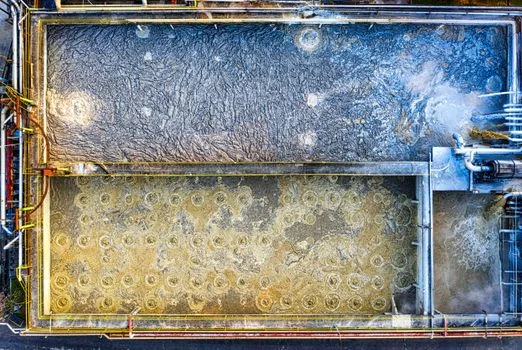
The capital expenditure (CAPEX) for an industrial effluent treatment plant (ETP) in Rajasthan is primarily dictated by the Chemical Oxygen Demand (COD) load and the biodegradability of the raw influent. While a basic 100 KLD plant might seem standardized, the price gap between a hospital STP and a chemical ETP can exceed 300% due to the complexity of the removal process. For textile manufacturers, achieving color removal and COD compliance requires specialized membranes or chemical precipitation, whereas steel plants prioritize physical separation of oils and solids.
| Sector | Capacity (KLD) | Primary Technology | Indicative Cost (₹) | Key Cost Drivers |
|---|---|---|---|---|
| Textile (Pali/Jodhpur) | 100 KLD | MBR + Color Removal | ₹40–60 Lakh | Dye removal, High COD (1,200-5,000 mg/L) |
| Steel/Metal (Bhiwadi) | 200 KLD | DAF + Biological | ₹1.2–1.8 Crore | Oil/Grease (200 mg/L), TSS (1,500 mg/L) |
| Chemical (Udaipur) | 100 KLD | ZLD (RO + MEE) | ₹80 Lakh–1.5 Crore | Heavy metals (Cr, Ni), TDS management |
| Hospital (Jaipur) | 50 KLD | Packaged STP + Ozone | ₹15–25 Lakh | Disinfection, Fecal Coliform compliance |
Textile plants often choose between DAF systems for steel plant effluent in Rajasthan (which can be adapted for textile pretreatment) and MBR. While MBR carries a higher CAPEX of ₹40–60 lakh for 100 KLD, it provides a significantly smaller footprint and superior effluent quality compared to the ₹25–35 lakh range for traditional DAF + biological setups. Chemical factories in Rajasthan are increasingly mandated to adopt ZLD systems to address chromium removal for chemical plants in Rajasthan, particularly in industrial clusters where groundwater contamination is a high risk.
Annual OPEX Costs: Energy, Chemicals, and Sludge Disposal in Rajasthan
Operating expenditure (OPEX) for wastewater treatment in Rajasthan typically accounts for 15–25% of the initial CAPEX annually, with energy consumption and sludge management representing the largest recurring costs. Energy costs dominate the OPEX profile, particularly in aerobic systems where aeration blowers run 24/7. MBR systems, while efficient in space, consume between 0.8–1.2 kWh/m³ of treated water, whereas DAF systems are more energy-conservative at 0.4–0.6 kWh/m³.
| Cost Category | % of Total OPEX | Sector-Specific Range (₹/year) | Key Variables |
|---|---|---|---|
| Energy Consumption | 35–45% | ₹1.5L – ₹4.5L | Blower efficiency, automation levels |
| Sludge Disposal | 15–20% | ₹2L – ₹5L | Landfill fees (₹3,000–5,000/ton) |
| Chemical Dosing | 15–25% | ₹1L – ₹3L | Influent pH, coagulant dosage |
| Maintenance & Spares | 10–15% | ₹0.5L – ₹1.5L | Membrane life, pump servicing |
In Rajasthan, sludge disposal has become a significant financial burden due to the strict classification of industrial sludge as hazardous waste. For a 100 KLD plant, disposal costs can range from ₹2–5 lakh per year, with landfill tipping fees at state-authorized sites currently hovering between ₹3,000 and ₹5,000 per ton. To mitigate these costs, many plants are investing in a sludge dewatering solutions for Rajasthan industries to reduce sludge volume by up to 75%. Additionally, an automatic chemical dosing system can optimize chemical consumption, which is particularly vital for textile plants that deal with high influent pH (9–12) requiring constant neutralization.
Technology Selection: MBR vs. DAF vs. ZLD for Rajasthan’s Industrial Effluent
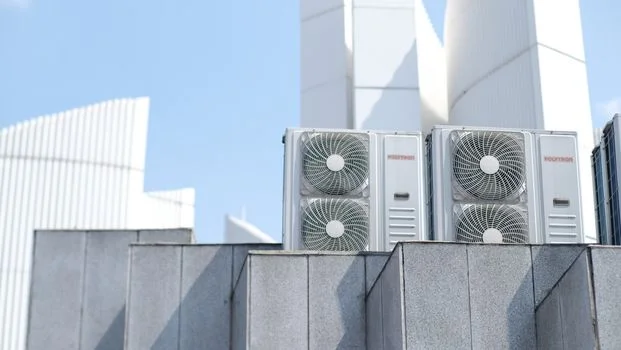
Selecting between Membrane Bioreactor (MBR), Dissolved Air Flotation (DAF), and Zero Liquid Discharge (ZLD) technologies requires a balance between RPCB discharge limits and available industrial footprint. The RPCB has shown a clear preference for MBR in textile hubs like Pali and Jodhpur because it consistently achieves color removal and reduces COD to below 50 mg/L, exceeding the standard requirement. However, for industries like food processing or steel where fats, oils, and grease (FOG) are the primary contaminants, DAF remains the more cost-effective choice.
| Technology | Best For | CAPEX (₹/KLD) | Effluent Quality (COD/TSS) | Footprint |
|---|---|---|---|---|
| MBR | Textile, Hospitals | ₹40,000–60,000 | COD <50 / TSS <10 | Very Low |
| DAF | Steel, Food Processing | ₹25,000–35,000 | TSS removal 95% | Medium |
| ZLD | Chemical, Pharma | ₹1.5L – ₹3L | Near Distilled Quality | High |
DAF systems are highly effective for DAF systems for food processing wastewater in Rajasthan, offering 15% lower OPEX than MBR due to lower energy requirements for air saturation versus membrane scouring. ZLD systems represent the high-end of the spectrum; while they require 3x the CAPEX of an MBR system, they are becoming mandatory for chemical plants handling heavy metals. ZLD's primary advantage is the total elimination of discharge, which removes the risk of RPCB fines entirely and provides a reliable source of process water in water-scarce zones.
Local vs. National Suppliers: Cost, Compliance, and Support Trade-Offs
While local Rajasthan-based fabricators often provide 10–15% lower initial quotes, national-level manufacturers offer integrated compliance documentation and higher uptime reliability required for the RPCB 2025 digital portal. Local vendors frequently provide "equipment only" quotes that exclude civil work, which can add an unexpected 20–30% to the total project cost. a significant risk exists with uncertified equipment; RPCB data indicates that 40% of the industrial closures in 2023 involved plants using non-standardized equipment that failed to meet performance benchmarks during surprise inspections.
| Supplier Type | CAPEX (₹/KLD) | Compliance Expertise | Support | Lead Time |
|---|---|---|---|---|
| Local Suppliers | ₹20,000–30,000 | Basic (BOD/TSS only) | Reactive | 4–6 Weeks |
| National/Global Players | ₹35,000–55,000 | Full RPCB/CPCB Specs | 24/7 Remote/On-site | 8–12 Weeks |
National suppliers typically provide turnkey EPC (Engineering, Procurement, and Construction) contracts. This includes the civil engineering required for tankage, which is often neglected by local fabricators. For a procurement manager, the slightly higher CAPEX of a national supplier is often offset by an 8–12% reduction in OPEX through better system design and the assurance that the plant will pass RPCB audits without requiring expensive retrofits within the first year of operation.
ROI of Water Reuse: How ZLD Systems Pay for Themselves in 3–5 Years
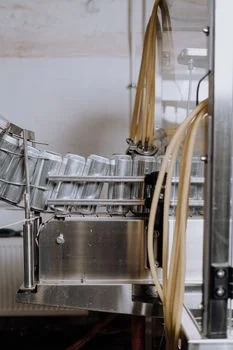
The return on investment (ROI) for a Zero Liquid Discharge (ZLD) system in water-stressed districts like Pali and Jodhpur is driven by the 90–95% reduction in freshwater procurement costs. Textile plants in these regions often pay between ₹40 and ₹60 per cubic meter for tanker water or industrial supply. A 200 KLD plant operating at 90% recovery can save over ₹1.2 crore annually in freshwater costs alone, making the high initial CAPEX of a ZLD system financially viable over a 4.5-year horizon.
| Parameter | 200 KLD Textile ETP (Conventional) | 200 KLD Textile ZLD System |
|---|---|---|
| Initial CAPEX | ₹1.5 Crore | ₹8 Crore |
| Freshwater Cost (Annual) | ₹1.3 Crore | ₹12 Lakh |
| RPCB Penalty Risk | High (₹2L–5L/year) | Zero |
| Payback Period | N/A | 4.5 Years |
Beyond direct water savings, ZLD systems utilize reverse osmosis (RO) for industrial water reuse to create a closed-loop system. This is particularly critical for chemical plants that can avoid ₹5–10 lakh per year in potential RPCB fines for heavy metal discharge. In many parts of Rajasthan, groundwater extraction is strictly limited; a ZLD system ensures that a factory can expand its production capacity without needing additional water permits, which are increasingly difficult to obtain.
RPCB Compliance Checklist: Avoid Fines and Shutdowns in 2026
The RPCB’s 2025 digital compliance portal utilizes automated triggers that flag any industrial unit failing to upload quarterly water quality reports or exceeding established BOD/COD limits. To remain compliant and avoid the ₹25,000 fine for missing reports or the ₹1 lakh fine for undocumented sludge disposal, EHS heads should follow a rigorous internal audit schedule.
- Quarterly Reporting: Ensure pH, TSS, BOD, COD, and heavy metal concentrations are uploaded to the RPCB portal by the 5th of the month following the quarter's end.
- Flow Meter Calibration: RPCB mandates electromagnetic flow meters at both inlet and outlet; these must be calibrated annually with certificates uploaded to the portal.
- Sludge Manifests: Maintain a digital log of all sludge moved to authorized Treatment, Storage, and Disposal Facilities (TSDFs).
- Disinfection Standards: For hospitals and commercial units, fecal coliform must be maintained below 1,000 MPN/100mL if water is reused for gardening or flushing.
- Automatic Alerts: Configure your ETP's SCADA system to send SMS alerts to the EHS head if any parameter exceeds 90% of the RPCB limit.
Common pitfalls include failing to document the "Chain of Custody" for hazardous waste and neglecting the maintenance of Online Continuous Effluent Monitoring Systems (OCEMS), which are required for large-scale "Red" category industries. Pre-inspection audits conducted twice a year can help identify membrane fouling or sensor drift before they result in a violation alert on the RPCB dashboard.
Frequently Asked Questions
What is the minimum cost for an ETP for a small textile unit in Rajasthan?
For a small 10–20 KLD textile unit, a basic physico-chemical treatment plant starts at ₹8–12 lakh. However, to meet RPCB’s color and COD standards consistently, a small-scale MBR system is recommended, which typically costs ₹15–20 lakh. This investment prevents recurring fines of ₹50,000 per violation under the 2025 digital portal.
Does RPCB require ZLD for all industries in Rajasthan?
No, ZLD is currently mandatory for "Red" category industries (like chemicals and dyes) and units located in "Critically Polluted Areas" as defined by the CPCB. However, many textile and steel plants are voluntarily adopting ZLD to secure their water supply against Rajasthan’s frequent droughts and rising tanker water prices.
How much does sludge disposal cost for a factory in Jaipur?
Hazardous sludge disposal in Rajasthan costs between ₹3,000 and ₹5,000 per ton at authorized TSDF sites. For a 100 KLD plant, this can total ₹2–5 lakh annually. Investing in a filter press to reduce sludge moisture content is a common strategy to cut these costs by up to 60%.
What are the RPCB fines for non-compliance in 2026?
Fines are categorized by the severity of the violation. Missing a quarterly report carries a ₹25,000 penalty. Exceeding TSS or BOD limits results in fines of ₹50,000 to ₹1 lakh per instance. Repeated violations (3+ per year) trigger an automatic inspection and a potential closure notice under the 2025 digital mandate.