Why St. Louis Facilities Are Upgrading Sewage Treatment Equipment in 2026
St. Louis’s Metropolitan Sewer District (MSD) issued 127 pretreatment violations in 2023, with fines reaching up to $25,000 per day for industrial facilities that exceed discharge limits (source: MSD 2023 Annual Report). For plant managers at food processing facilities in North St. Louis or chemical manufacturers in the Metro East, the financial risk of non-compliance has shifted from a theoretical concern to a direct threat to operational viability. Biosolids hauling costs rose 18% year-over-year between 2022 and 2023. Facilities paying $0.12–$0.18 per gallon for liquid sludge hauling are finding that on-site dewatering reduces these costs to $0.05–$0.08 per gallon, creating a compelling ROI for sludge dewatering presses to cut St. Louis hauling costs.
The urgency for equipment upgrades is further driven by St. Louis’s aging infrastructure, where the average wastewater plant age is 38 years. These legacy systems often lack the precision required to meet Missouri DNR’s 2026 phosphorus limits (<1 mg/L TP). In 2026, three primary use cases are dominating the St. Louis market. First, food and beverage processors are deploying Dissolved Air Flotation (DAF) to manage high Fats, Oils, and Grease (FOG) loads that clog MSD’s collection lines. Second, metal finishing operations are upgrading to specialized precipitation systems to avoid heavy metal surcharges. Finally, municipal satellite plants are transitioning to Membrane Bioreactor (MBR) systems to increase capacity within existing footprints, often achieving a 60% reduction in land requirements compared to conventional clarifiers.
Engineering teams must balance CAPEX against OPEX.For industrial dischargers, the goal is "compliance at the tap"—ensuring effluent meets MSD’s <200 mg/L TSS and <50 mg/L COD limits before it even enters the municipal sewer.
St. Louis Sewage Treatment Equipment: 2026 Engineering Specs by Technology
Dissolved Air Flotation (DAF) systems achieve TSS removal rates of 92–97% by utilizing micro-bubbles to float light solids and emulsified oils to the surface for mechanical skimming. According to EPA 2024 benchmarks, these systems operate at hydraulic loading rates of 4–8 m³/m²·h, making them ideal for St. Louis food processors who must meet strict MSD pretreatment limits for FOG and suspended solids. For facilities dealing with high-strength organic waste, St. Louis DAF systems for TSS/FOG removal provide a robust primary treatment stage that protects downstream biological processes or prevents costly municipal surcharges.
For municipal upgrades and high-performance industrial applications, Membrane Bioreactor (MBR) systems have become the standard for achieving superior effluent quality. The WSZ series MBR units produce effluent with TSS <10 mg/L and COD <50 mg/L, consistently outperforming conventional activated sludge systems. The primary engineering advantage of MBR systems for St. Louis municipal upgrades is the compact footprint, requiring only 0.5–0.8 m² per m³/day of treatment capacity, whereas conventional systems with secondary clarifiers require 1.2–2.0 m². This footprint efficiency allows St. Louis facilities to double their treatment capacity without acquiring additional land.
| Parameter | DAF | MBR (WSZ Series) | Conventional Activated Sludge |
|---|---|---|---|
| TSS Removal Efficiency | 92–97% | >99% | 80–85% |
| Effluent TSS (mg/L) | 30–50 | <10 | 20–30 |
| Effluent COD (mg/L) | 150–250 (primary) | <50 | 80–120 |
| Footprint (m²/m³/day) | 0.3–0.5 | 0.5–0.8 | 1.2–2.0 |
| MSD Compliance Status | Excellent for Pretreatment | Exceeds All Standards | Requires Secondary Polishing |
Sludge management remains the most significant operational bottleneck for St. Louis operators. Plate-and-frame filter presses achieve 25–30% cake solids, which is critical for minimizing the weight and volume of material sent to landfills. In contrast, older belt presses typically achieve only 18–22% cake solids (per WEF 2023 data). For a mid-scale plant, this 8% difference in cake dryness can result in over $40,000 in annual hauling savings. When selecting equipment, engineers must verify that the technology can handle the specific sludge characteristics of St. Louis influent, which often includes high grit concentrations due to the region's combined sewer overflows.
CAPEX and OPEX Breakdown: Sewage Treatment Equipment Costs in St. Louis (2026)
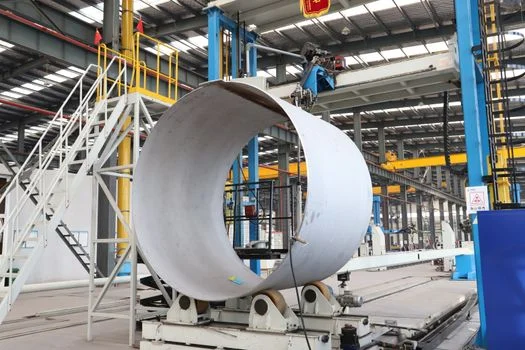
Budgeting for sewage treatment equipment in the St. Louis market requires a distinction between initial capital expenditure (CAPEX) and the ongoing operational costs (OPEX) associated with Missouri’s utility rates and chemical supply chains. For mid-scale industrial systems (50–500 m³/day), CAPEX for DAF systems typically ranges from $80,000 for small, 4 m³/h units to $350,000 for high-capacity 50 m³/h configurations. The OPEX for these units is largely driven by chemical flocculants and power, averaging $0.15–$0.30 per m³ of treated water. These CAPEX benchmarks for mid-scale systems (50–500 m³/day) serve as a baseline for St. Louis buyers evaluating domestic versus imported equipment options.
MBR systems represent a higher initial investment but offer significant long-term savings through reduced footprint and superior effluent quality. A municipal-scale MBR upgrade in the St. Louis area (500–2,000 m³/day) typically requires a CAPEX of $1.2M to $2.1M. While the OPEX is higher ($0.40–$0.60/m³) due to membrane aeration and periodic replacement every 5–8 years, the ability to meet 2026 nutrient limits without additional tertiary treatment stages often justifies the cost. The Missouri DNR provides grants and low-interest loans that can cover 30–50% of the CAPEX for projects specifically targeting phosphorus and nitrogen removal.
| Equipment Type | Capacity Range | Estimated CAPEX (2026) | Estimated OPEX (per m³) |
|---|---|---|---|
| Industrial DAF | 10–50 m³/h | $120,000 – $350,000 | $0.18 – $0.25 |
| Integrated MBR | 100–500 m³/day | $450,000 – $850,000 | $0.45 – $0.55 |
| Plate & Frame Press | 5–15 m³/h | $75,000 – $180,000 | $0.06 – $0.12 (per kg solids) |
| Municipal MBR System | 1,000+ m³/day | $1.8M – $3.5M | $0.35 – $0.45 |
To accurately estimate costs, facilities should use a localized calculator that accounts for St. Louis electricity rates (~$0.10/kWh for industrial) and the cost of local sludge disposal. A facility processing 200 m³/day with an influent TSS of 500 mg/L can expect a 2.4-year payback period on a sludge press upgrade simply by reducing the water weight in their hauled waste. Procurement managers should also factor in a 5–10% contingency for installation, as St. Louis’s specialized labor market for certified pipefitters and electricians can impact the total project cost.
How to Select a Sewage Treatment Equipment Supplier in St. Louis: Zero-Risk Framework
The first step in evaluating sewage treatment equipment suppliers is to verify their experience with similar facilities in St. Louis.Selecting a supplier in the St. Louis region requires a framework that prioritizes regulatory compliance and local serviceability over the lowest sticker price. Buyers should demand case studies specifically from the St. Louis Metropolitan Sewer District area. A supplier may claim high TSS removal, but they must demonstrate that their equipment has successfully met the <200 mg/L TSS limit for a local peer facility, such as a food processor in Soulard or an industrial plant in Valley Park.
The second pillar of a zero-risk framework is assessing local service and response times. Wastewater treatment is a continuous process; a pump failure or membrane fouling event can lead to immediate bypasses and fines. Procurement managers should prioritize suppliers that offer 24/7 emergency support within a 100-mile radius of St. Louis. For example, local service providers like PumpMan St. Louis are known for 4-hour response times, which is the industry gold standard for preventing environmental incidents. If a supplier is based out of state, verify their local subcontracting network for mechanical and electrical repairs.
Thirdly, compare warranties and request pilot testing. For MBR systems, do not accept less than a 2-year equipment warranty and a 5-year pro-rated membrane warranty. To eliminate technical risk, insist on a 4–6 week on-site pilot trial. Most reputable DAF and MBR suppliers will provide a mobile pilot unit (typically 1 m³/h capacity) for a fee of $5,000–$15,000, which is often credited toward the final purchase. This allows your engineering team to verify that the chemistry and flux rates work with your specific waste stream before committing to a million-dollar CAPEX. Finally, evaluate financing through the Missouri DNR’s State Revolving Fund (SRF), which offers low-interest loans (3–5% APR) for compliance-driven infrastructure upgrades.
Top 5 Sewage Treatment Equipment Suppliers in St. Louis (2026 Shortlist)
The St. Louis market features a mix of global manufacturers with local representation and specialized regional distributors. Choosing the right partner depends on whether the project is a minor component replacement or a full-scale system overhaul. Below is the 2026 shortlist of suppliers evaluated based on engineering specs, MSD experience, and service capabilities.
- HydropureWater: Specializes in high-efficiency DAF and integrated MBR (WSZ series) systems. They are a primary choice for industrial facilities needing to hit 92–97% TSS removal with a small footprint. Strengths: Lowest CAPEX-to-performance ratio and available pilot testing units. Weakness: Remote engineering support (requires local mechanical contractor for installation).
- RDP Technologies: A dominant force in municipal biosolids handling, particularly for MSD’s large-scale plants like Bissell Point and Lemay. Strengths: Proven moving-floor technology for winter sludge handling. Weakness: Primarily focused on municipal-scale systems, making them less agile for small industrial projects.
- PumpMan St. Louis (Flo Systems): The go-to provider for pump stations, controls, and local maintenance. Strengths: Unmatched 24/7 local service and 4-hour emergency response. Weakness: They are a service and component provider rather than a manufacturer of full biological treatment systems (DAF/MBR).
- Armor Equipment: A specialized distributor for municipal sewer equipment and maintenance vehicles