In Arusha, wastewater treatment plant costs for industrial buyers range from $45,000 to $500,000 in 2026, driven by capacity (10–500 m³/h), technology (DAF, MBR, chemical precipitation), and NEMA/TBS compliance requirements. For example, a 50 m³/h tannery system with chromium removal costs ~$180,000 CAPEX, while a 100 m³/h food processing DAF system costs ~$120,000. OPEX (energy, chemicals, labor) adds $0.30–$1.20/m³, with MBR systems at the higher end due to membrane replacement costs.
Why Arusha’s Wastewater Treatment Costs Are Higher Than Other African Cities
Arusha's unique regulatory environment and influent characteristics drive wastewater treatment plant costs 20–40% higher than regional averages in East Africa. The National Environment Management Council (NEMA) 2024 discharge limits in Tanzania are notably stricter than those in neighboring countries; for instance, NEMA mandates BOD levels below 30 mg/L and Total Suspended Solids (TSS) below 50 mg/L, whereas Kenya’s BOD limit is 50 mg/L. This increased stringency necessitates more advanced and often more costly treatment processes to achieve compliance, directly impacting wastewater treatment CAPEX in Arusha.
Influent variability across Arusha’s key industrial sectors significantly complicates treatment design and increases initial capital expenditure. Tanneries, for example, discharge wastewater with chromium (Cr³⁺) concentrations often ranging from 50–150 mg/L, requiring specialized chemical precipitation for chromium removal. Abattoirs generate effluent with exceptionally high TSS loads, typically between 1,200–3,000 mg/L, while hospitals present high Chemical Oxygen Demand (COD) from 500–1,200 mg/L. Addressing these diverse, high-strength influents often requires tailored pretreatment stages, which can increase overall CAPEX by 20–40% compared to generalized systems.
While local labor costs for system operation and maintenance are approximately 20–30% lower than in Nairobi or Dar es Salaam, the Tanzania Bureau of Standards (TBS) certification process introduces significant timeline risks and indirect costs. Achieving TBS certification for equipment can take 3–6 months, potentially delaying project completion and incurring additional overheads. local studies (NM-AIST, 2023) indicate groundwater salinity levels, such as 2,441 μS/cm in hospital wastewater, necessitate increased chemical dosing for pH adjustment and other processes, adding an estimated $0.05–$0.15/m³ to operational expenses (OPEX).
CAPEX Breakdown: How Much Does Each Treatment Technology Cost in Arusha?
Initial capital expenditure (CAPEX) for industrial wastewater treatment plants in Arusha varies significantly by technology, capacity, and specific contaminant removal requirements. For food processing industries requiring efficient FOG (Fats, Oils, and Grease) and TSS removal, DAF systems for FOG and TSS removal in Arusha’s food processing and tannery sectors typically cost $800–$1,200/m³/h of capacity. A 100 m³/h DAF system, for instance, would represent a CAPEX of $80,000–$120,000.
Tanneries needing robust chromium removal often opt for chemical precipitation systems, which range from $1,000–$1,500/m³/h of capacity. A 100 m³/h system, including pH adjustment units and dedicated sludge handling equipment, could cost $100,000–$150,000. For hospitals demanding high-level pathogen removal and stringent effluent quality, MBR systems for hospital wastewater treatment in Arusha, achieving 99% pathogen removal, are a premium option, costing $2,000–$2,500/m³/h. A 100 m³/h MBR system would thus involve a CAPEX of $200,000–$250,000, with membrane replacement adding $50,000–$80,000 every 5–7 years.
For sites with limited space, WSZ series underground package plants for space-constrained sites in Arusha offer a compact solution, costing $1,200–$1,800/m³/h. A 50 m³/h package plant would typically cost $60,000–$90,000. When comparing local vs. imported equipment for wastewater treatment CAPEX in Arusha, locally manufactured systems (like HydropureWater’s DAF) can offer a 15–25% cost saving on equipment. However, local lead times can extend to 8–12 weeks, compared to 4–6 weeks for some imported components, impacting project schedules.
| Technology Type | Primary Application | Typical Capacity Range (m³/h) | CAPEX per m³/h Capacity | Example CAPEX (100 m³/h) |
|---|---|---|---|---|
| DAF System | Food Processing (FOG, TSS) | 10 - 200 | $800 - $1,200 | $80,000 - $120,000 |
| Chemical Precipitation | Tanneries (Chromium) | 20 - 150 | $1,000 - $1,500 | $100,000 - $150,000 |
| MBR System | Hospitals (Pathogens, COD) | 10 - 100 | $2,000 - $2,500 | $200,000 - $250,000 |
| Underground Package Plant | Space-constrained sites (General) | 10 - 50 | $1,200 - $1,800 | $120,000 - $180,000 (for 100 m³/h if available) |
OPEX Uncovered: Energy, Chemicals, Labor, and Maintenance Costs per m³
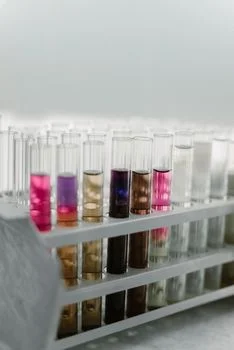
Operational expenditure (OPEX) is a critical component of the total cost of ownership for industrial wastewater treatment in Arusha, often representing a significant portion of the long-term budget. Energy consumption is a major OPEX driver, with MBR systems typically incurring higher costs at $0.40–$0.80/m³ due to intensive aeration requirements for membrane scouring and biological processes. In contrast, DAF systems, primarily reliant on air dissolved under pressure, have lower energy costs, ranging from $0.10–$0.20/m³.
Chemical costs are highly dependent on influent characteristics and the chosen treatment technology. For tanneries employing chemical precipitation for chromium removal, chemical consumption (e.g., lime, ferric chloride) can range from $0.15–$0.40/m³. Across all sectors, pH adjustment chemicals, often necessitated by fluctuating influent pH or groundwater salinity, add an estimated $0.05–$0.15/m³. Automated dosing systems, such as HydropureWater's automatic chemical dosing system, can optimize chemical usage and reduce costs.
Labor costs for industrial wastewater treatment in Arusha vary based on system automation. Manual or semi-automated systems, like some WSZ series package plants, may incur labor costs of $0.05–$0.10/m³. Fully automated systems, such as MBR units with PLC control, reduce manual intervention, bringing labor costs down to $0.02–$0.05/m³. Maintenance is another significant factor in OPEX for industrial wastewater Tanzania. MBR membrane replacement, occurring every 5–7 years, translates to an average of $0.20–$0.30/m³ over the membrane's lifespan. Sludge disposal costs, influenced by volume and dewatering efficiency (e.g., using a plate and frame filter press), typically range from $0.05–$0.15/m³. Regular sensor calibration and general equipment servicing add $0.01–$0.03/m³.
As a case example, a 100 m³/h tannery system combining chemical precipitation and DAF can expect OPEX in the range of $0.60–$0.90/m³. In comparison, a hospital MBR system, with its higher energy and membrane replacement costs, typically sees OPEX between $0.80–$1.20/m³. Understanding these distinctions is crucial for estimating total cost of ownership, similar to CAPEX and OPEX benchmarks for wastewater treatment in developing markets.
| OPEX Category | DAF System (per m³) | Chemical Precipitation (per m³) | MBR System (per m³) |
|---|---|---|---|
| Energy | $0.10 - $0.20 | $0.08 - $0.15 | $0.40 - $0.80 |
| Chemicals | $0.05 - $0.10 (pH adj.) | $0.15 - $0.40 (Cr removal) | $0.05 - $0.15 (pH adj.) |
| Labor | $0.05 - $0.08 | $0.05 - $0.10 | $0.02 - $0.05 |
| Maintenance & Spares | $0.03 - $0.06 | $0.04 - $0.08 | $0.20 - $0.30 (membrane) |
| Sludge Disposal | $0.05 - $0.10 | $0.10 - $0.15 | $0.03 - $0.07 |
| Total OPEX Range | $0.28 - $0.54 | $0.42 - $0.88 | $0.70 - $1.37 |
How to Select the Right System: A Decision Framework for Arusha’s Industries
Selecting the optimal wastewater treatment system for an industrial facility in Arusha requires a structured decision framework that aligns specific operational needs with cost-effective and compliant technologies. The initial step is to define precise influent characteristics and NEMA/TBS discharge limits. For example, a tannery wastewater treatment cost analysis must prioritize chromium (Cr³⁺) and TSS removal, while a hospital wastewater treatment Arusha facility needs to focus on COD, BOD, and pathogen reduction to meet TZS 860:2020 standards.
Step 2 involves accurately estimating the average and peak flow rates of the wastewater stream to properly size the treatment system. It is common practice to oversize by 20–30% to accommodate future production growth or unexpected surges, preventing costly retrofits later. Step 3 requires a comprehensive comparison of CAPEX and OPEX for 2–3 shortlisted technologies. This allows for a lifecycle cost analysis, ensuring that the most affordable long-term solution is chosen, not just the cheapest upfront option.
In Step 4, local factors must be assessed, including the TBS certification timeline, available space for installation (favoring underground vs. above-ground plants), and the availability of skilled labor for operating automated vs. manual systems. The final step, Step 5, involves requesting detailed quotes from 3–5 reputable suppliers, encompassing both local providers like HydropureWater and international vendors. This allows for a thorough comparison of equipment specifications, warranties, lead times, and post-installation support.
| Industry Sector | Key Pollutants | Primary Treatment Technologies | Typical Discharge Limits (NEMA 2024) |
|---|---|---|---|
| Tanneries | Cr³⁺, TSS, BOD, COD | Chemical Precipitation, DAF, Biological Treatment | Cr³⁺ < 0.5 mg/L, TSS < 50 mg/L |
| Food Processing | FOG, BOD, TSS, COD | DAF, Screens, Biological Treatment | FOG < 10 mg/L, BOD < 30 mg/L |
| Hospitals | COD, BOD, TSS, Pathogens, Pharmaceuticals | MBR, Activated Sludge, Disinfection | COD < 120 mg/L (TZS), BOD < 30 mg/L |
| Abattoirs | TSS, BOD, FOG, Nitrogen | Screens, DAF, Biological Treatment | TSS < 50 mg/L, BOD < 30 mg/L |
Case Study: How a Local Tannery Cut Costs by 30% with a Hybrid DAF-Chemical Precipitation System
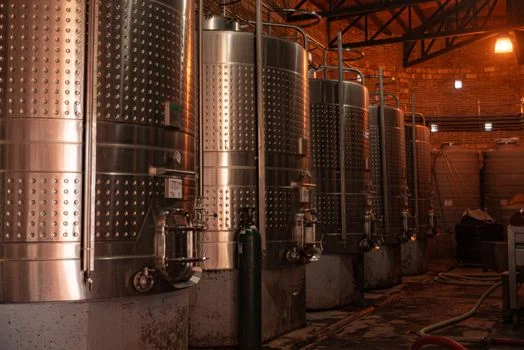
A 50 m³/h tannery located in Arusha faced persistent challenges with NEMA non-compliance, incurring fines totaling $12,000 annually due to elevated chromium (Cr³⁺) levels exceeding the 0.5 mg/L discharge limit. Their existing, outdated chemical precipitation system also suffered from high operational expenses, averaging $1.10/m³ due to inefficient chemical dosing and poor sludge dewatering.
To address these issues, the tannery implemented a hybrid wastewater treatment solution. They installed a DAF system for FOG and TSS removal in Arusha’s food processing and tannery sectors as a primary treatment stage, followed by an upgraded chemical precipitation unit featuring HydropureWater's automatic chemical dosing system. The DAF effectively removed suspended solids and some organic load, reducing the burden on the downstream chemical process and optimizing its efficiency.
Within six months of installation, the results were substantial. The hybrid system consistently reduced Cr³⁺ concentrations to below 0.3 mg/L, ensuring full NEMA compliance and eliminating the annual fines. the overall OPEX for the tannery dropped to $0.75/m³, representing a 30% reduction primarily driven by optimized chemical usage and reduced sludge volume. The total CAPEX for the new system, at $95,000, was recouped in approximately 2.5 years through avoided fines and lower operational costs. Key lessons learned included the importance of selecting pre-certified TBS equipment, which expedited approval from 6 months to 3 months, and the value of local supplier support providing 24/7 maintenance and technical assistance, ensuring continuous operation and compliance.
Frequently Asked Questions
What are the NEMA 2024 discharge limits for industrial wastewater in Arusha? NEMA mandates BOD < 30 mg/L, TSS < 50 mg/L, pH 6–9, Cr³⁺ < 0.5 mg/L (for tanneries), and FOG < 10 mg/L (for food processing). Hospitals must also meet TZS 860:2020 standards, which include a COD limit of < 120 mg/L.
How much does a 100 m³/h DAF system cost in Arusha? A 100 m³/h DAF system (e.g., HydropureWater) typically costs between $80,000–$120,000 in CAPEX, with an estimated OPEX of $0.10–$0.20/m³ primarily for energy and chemicals.
What is the TBS certification process for wastewater equipment in Tanzania? The TBS certification process takes approximately 3–6 months and requires comprehensive technical documentation, factory inspections, and adherence to specific TZS standards. Utilizing pre-certified systems, such as HydropureWater’s WSZ series underground package plants, can help to expedite the approval timeline and ensure compliance with the hospital wastewater treatment strategies for East African compliance.
Can I use an underground package plant for a hospital in Arusha? Yes, underground package plants (e.g., WSZ series) are suitable for hospitals with space constraints. However, MBR systems are generally preferred for hospital wastewater due to their superior pathogen removal capabilities (achieving over 99% kill rate). The CAPEX for underground package plants is typically $1,200–$1,800/m³/h.
What are the main cost drivers for wastewater treatment in Arusha? Key cost drivers include the strength and variability of influent (e.g., high Cr³⁺, FOG, or COD), the required flow rate, the choice of treatment technology (e.g., DAF vs. MBR), the duration and requirements of the TBS certification timeline, and the cost differential between local labor and imported equipment.