Hospital wastewater treatment in Astana requires advanced systems to remove pharmaceuticals like carbamazepine and sulfamethoxazole, which persist in municipal streams. For facilities generating up to 15.7 m³/day, compact MBR or ozone-based systems offer 99%+ pathogen removal and EU 91/271/EEC compliance, critical for urban healthcare sustainability.
Why Hospital Wastewater in Astana Needs Specialized Treatment
Carbamazepine, sulfamethoxazole, and aspirin detected in Astana’s municipal wastewater stream highlight the technical limitations of existing urban infrastructure in sequestering pharmaceutical residues (Kamal et al., 2024). Astana’s municipal plants are designed for domestic organic loads, but they are not equipped to neutralize the complex chemical and biological cocktails discharged by modern hospitals. Medical effluent contains high concentrations of antibiotics, endocrine disruptors, and contrast agents that bypass conventional sedimentation and secondary treatment processes.
The urgency for decentralized, facility-level treatment is compounded by the technical state of Kazakhstan’s broader water infrastructure. Research indicates that many existing wastewater facilities in Kazakhstan are in unsatisfactory technical condition, which significantly increases the risk of untreated or partially treated discharge entering local groundwater or the Ishim River basin (Andraka, 2015). For a hospital in Astana, relying solely on the municipal grid creates a compliance risk and a public health liability, as antibiotic-resistant bacteria (ARBs) can proliferate within the sewage network.
The specific hydraulic profile of hospitals in Astana—characterized by high-volume peaks during morning clinical hours and lower flow at night—requires systems with robust equalization capabilities. Hospital effluent carries a higher load of pathogens and disinfection byproducts (DBPs) from internal cleaning protocols. Advanced compact ozone-based hospital wastewater systems are necessary to bridge the gap between facility discharge and municipal acceptance limits, ensuring that pharmaceutical concentrations are reduced at the source before they become diluted and unrecoverable in the city’s larger sewage stream.
Key Contaminants in Medical Wastewater and Regulatory Standards
The EU Urban Waste Water Directive 91/271/EEC serves as the primary performance benchmark for Astana’s healthcare facilities, requiring effluent to meet strict limits: BOD₅ <25 mg/L, COD <125 mg/L, and Total Suspended Solids (TSS) <35 mg/L. Meeting these standards is essential for hospitals seeking to align with international sustainability certifications and local environmental inspections. The removal of specific medical contaminants is the most significant engineering challenge in the Kazakhstan context.
Pharmaceuticals such as carbamazepine (an antiepileptic), sulfamethoxazole (an antibiotic), and aspirin are frequently found in Astana’s sewage stream, indicating that these compounds are resistant to standard biological degradation. These substances require advanced oxidation or ultrafiltration to achieve safe discharge levels. Hospital effluent carries a high load of pathogens, including viruses and antibiotic-resistant bacteria, which require a >4-log reduction to prevent environmental contamination. Local regulations are increasingly scrutinizing fecal coliform counts, with a target of <2,000 CFU/100mL for urban discharge.
Understanding these requirements is the first step in selecting a system that ensures long-term hospital wastewater compliance in Gulf cities and Central Asian urban hubs alike. Kazakhstan’s national standards continue to evolve, and the adoption of EU-aligned benchmarks provides a future-proof strategy for facility managers. This is particularly relevant for new private clinics in Astana’s rapidly growing districts, where environmental impact assessments are a prerequisite for operational licensing.
Top Treatment Technologies for Hospital Wastewater in Urban Kazakhstan
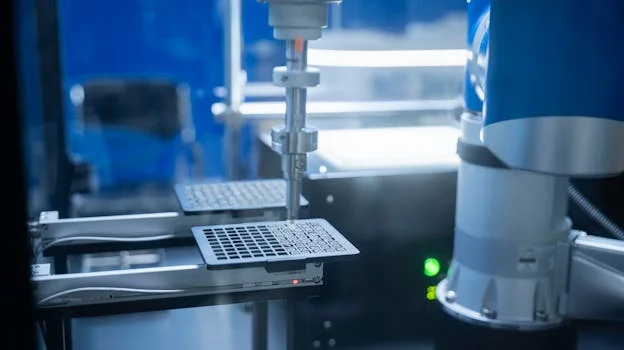
Membrane Bioreactor (MBR) technology represents the current gold standard for medical effluent by combining biological activated sludge treatment with 0.1 μm PVDF membrane filtration. This dual-action process ensures that even the smallest suspended solids and many bacteria are physically blocked from the final discharge. For hospitals in Astana where space is at a premium, a high-efficiency MBR system for hospital reuse can achieve less than 1 NTU turbidity, making the water suitable for non-potable applications like landscape irrigation or cooling tower make-up.
For facilities focusing on disinfection and chemical neutralization without the need for large biological tanks, Ozone Disinfection is a highly effective alternative. Ozone (O₃) is a powerful oxidant that breaks down the molecular structure of pharmaceuticals and achieves 99%+ microbial kill rates. Because ozone is generated on-site and reverts to oxygen, it leaves no chemical residues or secondary pollution, which is a critical advantage for hospitals located in densely populated areas of Astana. This technology is particularly adept at handling the "micro-pollutants" identified in recent Kazakhstani water studies.
Alternatively, A/O Biological Contact Oxidation (WSZ Series) offers a robust solution for larger facilities generating between 1 and 80 m³/h. These systems use anoxic and aerobic stages to maximize nitrogen and phosphorus removal. The table below outlines the performance specifications for these technologies when applied to medical effluent:
| Parameter | MBR System | A/O (WSZ Series) | Ozone |
|---|---|---|---|
| Pathogen Removal | 99.9% (Physical + Bio) | 90-95% (Requires UV/Cl) | 99.99% (Oxidative) |
| Pharmaceutical Degradation | Moderate to High | Low to Moderate | Very High |
| Effluent Turbidity | <1 NTU | <10 NTU | N/A (Disinfection Focus) |
| Footprint Requirement | Very Compact | Medium (Buried option) | Ultra-Compact (0.5 m²) |
| Compliance Standard | EU 91/271/EEC & Reuse | EU 91/271/EEC | WHO/EU Disinfection |
Performance Comparison: MBR vs A/O vs Ozone Systems
Integrated MBR systems provide a 60% smaller footprint than conventional activated sludge systems, making them the preferred choice for Astana hospitals with limited basement or outdoor space. The high concentration of mixed liquor suspended solids (MLSS) in MBR tanks allows for more efficient processing in a smaller volume. However, this technology requires careful pre-filtration to prevent membrane fouling from lint or medical waste, and a routine anti-fouling maintenance schedule is necessary to maintain flux rates.
The A/O WSZ Series is designed for "set-and-forget" operation in larger hospital campuses. These systems are often installed as underground integrated sewage treatment plants, allowing for landscaping or parking lots to be built directly above the unit. This is a significant advantage for urban Astana, where land value is high. The WSZ series is fully automated, requiring no dedicated operator, and is engineered to handle fluctuating organic loads typical of 24-hour medical facilities. While it excels at BOD and COD reduction, it is typically paired with a final disinfection stage (Ozone or UV) to meet pathogen limits.
Ozone systems are uniquely suited for clinics and specialized medical centers that generate less than 50 m³/day but have high concentrations of pathogens or chemical reagents. These units require no chemical dosing, which eliminates the logistical challenge of transporting and storing chlorine in a hospital environment. The compact medical wastewater system operates with zero noise pollution and can be installed in a footprint as small as 0.5 m². The following table compares the operational characteristics of these three leading technologies:
| Feature | MBR (Membrane) | A/O (WSZ Series) | Ozone |
|---|---|---|---|
| Automation Level | Full PLC Control | Full (No operator needed) | Full (Sensor-driven) |
| Maintenance Complexity | Moderate (Membrane CIP) | Low (Sludge removal) | Low (Generator check) |
| Chemical Consumption | Low (Cleaning only) | None | None |
| Installation Mode | Skid or Container | Buried/Underground | Cabinet/Skid |
| Recommended Use | Water Reuse / High Standards | General Hospital Effluent | Clinics / Disinfection |
Cost, Installation, and ROI for Astana Healthcare Facilities
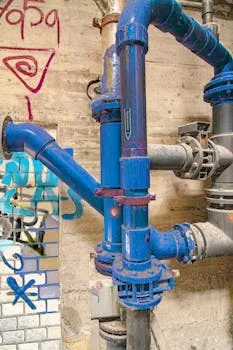
Containerized or skid-mounted wastewater systems reduce on-site installation time by approximately 40% compared to traditional concrete-pour plants. In the cold climate of Astana, the ability to deploy pre-engineered, insulated units is a major advantage, as it avoids the delays associated with winter construction. These systems are delivered pre-wired and pre-piped, requiring only final connection to the hospital’s main sewer line and power supply. This modular approach also allows for future expansion if the hospital adds new wings or increases bed capacity.
From a financial perspective, the Return on Investment (ROI) for advanced treatment is driven by labor savings and the elimination of municipal surcharges for high-strength waste. A 2025 B2B pricing guide for hospital treatment plants indicates that fully automated systems save approximately $15,000 per year in labor costs by removing the need for a full-time wastewater operator. The operational cost of an ozone-based compact system is roughly $0.35/m³, significantly lower than traditional chemical-heavy processes.
| Cost Category | MBR System | A/O (WSZ Series) | Ozone |
|---|---|---|---|
| Operational Cost (OpEx) | ~$0.65/m³ | ~$0.25/m³ | ~$0.35/m³ |
| Major Maintenance | Membrane (5-7 years) | Sludge (Annual) | O3 Cell (3-5 years) |
| Installation Time | 2-3 Weeks | 3-4 Weeks (Excavation) | 1 Week |
| Labor Savings/Year | $15,000 (Automated) | $15,000 (Automated) | $15,000 (Automated) |
Frequently Asked Questions
What is the best system for a 20-bed clinic in Astana?For a clinic generating under 10 m³/day, the ozone system is ideal. It is fully automated, requires no chemicals, and has an extremely small footprint, making it easy to integrate into existing clinic basements.
How can we meet EU standards for hospital effluent in Kazakhstan?To meet EU 91/271/EEC standards, hospitals should implement either MBR or