Why Bergen Hospitals Need Specialized Wastewater Treatment
Hospitals in Bergen must treat wastewater to Norway’s FOR-2004-06-01 limits (<10 CFU/100mL E. coli, <0.1 mg/L heavy metals) before discharge. While municipal wastewater treatment plants (WWTPs) are designed for domestic sewage, the effluent generated by healthcare facilities contains a complex cocktail of pathogens, pharmaceutical residues, and chemical reagents that require specialized on-site processing. Hybrid systems combining MBR (membrane bioreactors) and DAF (dissolved air flotation) achieve 99.9% pathogen removal and 95% COD reduction, while chlorine dioxide (ClO₂) generators ensure residual disinfection. For a 500-bed hospital, CAPEX ranges from NOK 3.2M–5.8M depending on system complexity, with OPEX of NOK 0.8–1.5M/year including energy and membrane replacement.
The regulatory pressure on Bergen’s healthcare sector has intensified following recent audits by the Norwegian Environment Agency (Miljødirektoratet). Under FOR-2004-06-01 §12, hospitals are classified as specific point-source polluters. Standard hospital effluent typically exhibits 300–1,200 mg/L Chemical Oxygen Demand (COD) and 150–600 mg/L Biological Oxygen Demand (BOD), but the presence of micro-pollutants like diclofenac—detected at levels of 10–50 µg/L in NIVA 2023 studies—presents a unique challenge. These substances often bypass conventional municipal biological stages, leading to bioaccumulation in the Byfjorden marine ecosystem.
A primary example is the Haukeland University Hospital, a 1,200-bed facility that generates between 400 and 600 m³ of wastewater daily. Discharging this volume directly into the Bergen Vann og Avløp centralized system without pretreatment risks overwhelming the municipal biological process with antibiotics and disinfectants. Non-compliance with discharge permits can lead to administrative fines of up to NOK 1M per violation (Miljøverndepartementet 2024), accompanied by mandatory enforcement orders that require system upgrades within a strict six-month window. Consequently, facility managers are increasingly moving toward compact, fully automated hospital wastewater treatment units to mitigate these financial and environmental risks.
Norway’s Hospital Wastewater Regulations: What Bergen Facilities Must Meet
Norway’s FOR-2004-06-01 (§12) establishes discharge standards that are significantly more stringent than the general EU Urban Waste Water Directive 91/271/EEC. While the EU directive focuses primarily on BOD and COD for large urban areas, the Norwegian national regulation imposes strict limits on microbiological indicators and heavy metals specifically for healthcare institutions. In Bergen, these national rules are supplemented by Bergen Vann og Avløp’s 2024 service agreement, which mandates strict control over pH, temperature, and visual contaminants to protect the integrity of the city’s sewer infrastructure.
Compliance is not a one-time event but a continuous monitoring requirement. According to FOR-2004-06-01 §15, hospitals must conduct weekly sampling for E. coli and heavy metals, while COD and BOD levels must be reported monthly. For smaller facilities with fewer than 50 beds, annual permit applications are required to maintain discharge rights, often necessitating a baseline of sedimentation and disinfection. However, for major surgical and research hospitals, the "Best Available Technology" (BAT) approach is the expected standard, often mirroring the rigor required for removing heavy metals from hospital effluent in industrial contexts.
| Parameter | FOR-2004-06-01 §12 Limit | EU Directive 91/271/EEC | Bergen Vann Requirements |
|---|---|---|---|
| E. coli | <10 CFU/100mL | No specific limit | Strict disinfection required |
| Heavy Metals (Total) | <0.1 mg/L | Varies by local authority | <0.1 mg/L |
| COD (Chemical Oxygen Demand) | <50 mg/L | <125 mg/L | <75 mg/L (pre-discharge) |
| pH Range | 6.0 – 9.0 | 6.5 – 9.5 | 6.5 – 9.0 |
| Temperature | <40°C | Not specified | <35°C |
Hybrid Treatment Systems for Hospital Wastewater: MBR vs. DAF vs. Chemical Disinfection
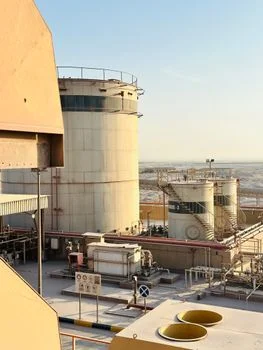
Hybrid treatment configurations utilizing Membrane Bioreactors (MBR) and Dissolved Air Flotation (DAF) provide the necessary redundancy to handle the high variability of medical effluent. MBR technology is the cornerstone of modern hospital wastewater design because it combines biological treatment with ultrafiltration. By using a 0.1 µm membrane, a compact MBR system for hospital effluent effectively physicalizes the removal of bacteria and viruses, achieving a 99.9% pathogen reduction. This is critical for meeting the Norwegian <10 CFU/100mL E. coli limit. However, MBR efficiency in Bergen is temperature-sensitive; cold weather (5–15°C) typically increases energy consumption to 0.8–1.2 kWh/m³ as air-scouring requirements rise to maintain membrane flux.
To protect the sensitive membranes in an MBR system, a high-efficiency DAF for pre-treatment of hospital wastewater is often integrated. DAF systems excel at removing Total Suspended Solids (TSS) and Fats, Oils, and Grease (FOG) which are prevalent in hospital kitchen and laundry discharge. By dosing 50–100 mg/L of Polyaluminum Chloride (PAC), the DAF unit creates micro-bubbles that float flocs to the surface for mechanical skimming. This reduces the organic load on the MBR by up to 40%, significantly extending membrane life and reducing chemical cleaning frequency.
The final stage of a hybrid system is tertiary disinfection, where an on-site ClO₂ generator for hospital effluent disinfection is the preferred solution over traditional liquid bleach or UV. Chlorine dioxide is a powerful oxidant that remains effective across a wide pH range and does not form toxic trihalomethanes (THMs). For a 500 m³/day facility, a generator capacity of 100–200 g/h ensures that the effluent meets the strict FOR-2004-06-01 §18 residual limit of <0.2 mg/L while maintaining a 99.99% kill rate for resistant pathogens like Cryptosporidium.
| Technology | Primary Removal Target | Efficiency Rate | Bergen Engineering Note |
|---|---|---|---|
| DAF (Pre-treatment) | TSS, FOG, Heavy Metals | 90-95% TSS removal | Essential for protecting MBR membranes |
| MBR (Biological) | BOD, COD, Pathogens | >99% bacteria removal | Requires tank insulation for 5°C winter water |
| ClO₂ (Disinfection) | Viruses, Bacteria, Odor | 99.99% disinfection | Performance is independent of temperature |
| Activated Carbon | Pharmaceuticals (Diclofenac) | 85-90% removal | Required for high-toxicity medical wards |
Engineering Specs for Hospital Wastewater Systems in Bergen’s Climate
Bergen’s average wastewater temperature of 5–15°C significantly impacts biological kinetics, necessitating specific engineering adjustments to aeration and residence time. In biological processes like MBR, the microbial activity rate (measured by the Q10 coefficient) drops by nearly half for every 10°C decrease. To compensate, Bergen-based systems must be designed with larger bioreactor volumes or integrated heat exchangers to maintain an optimal process temperature of 15–20°C. This often adds NOK 500K–800K to the initial CAPEX but prevents system failure during the cold winter months when discharge limits are most difficult to meet.
Flow variability is another critical engineering parameter. Hospital wastewater does not flow at a constant rate; it peaks sharply between 6:00 AM and 8:00 AM and again in the mid-afternoon. Equalization tanks are mandatory to prevent hydraulic shock to the MBR membranes. For a 500-bed hospital, an equalization tank of 250–500 m³ is required to provide a 6–12 hour buffer. Within these tanks, coarse bubble aeration is often used to prevent septicity and ensure the influent is well-mixed before entering the multi-media filter or DAF stage.
Sludge management is frequently overlooked but represents a significant portion of OPEX. Hospital sludge is considered hazardous waste if not properly treated. Utilizing a plate and frame filter press allows facilities to dewater sludge to 20–30% solids. This reduction in volume directly translates to a 70% decrease in disposal costs. for facilities struggling with high nitrogen levels, engineering teams should consult specialized guides on treating high-ammonia hospital effluent to ensure the biological stage is configured for nitrification/denitrification despite the cold climate.
CAPEX and OPEX Breakdown: On-Site vs. Centralized Treatment for Bergen Hospitals
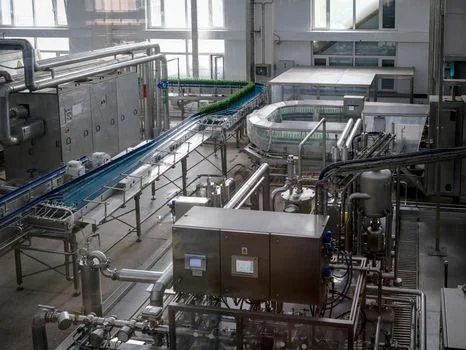
The total investment for an on-site hospital wastewater treatment system in Bergen ranges from NOK 3.2M to 5.8M for a 500-bed facility. While this initial CAPEX is substantial, it must be weighed against the escalating fees charged by Bergen Vann og Avløp. As of 2025, centralized treatment rates are approximately NOK 1.2–2.0/m³, but these rates do not include the "pollution surcharges" applied to effluent that exceeds standard municipal limits. For a large hospital, these surcharges can easily reach NOK 500K per year, making on-site treatment a financially viable long-term strategy.
Operating expenses (OPEX) for an integrated MBR+DAF system typically range from NOK 0.8M to 1.5M annually. Energy represents the largest variable cost, particularly in Bergen where aeration systems must work harder in cold water. Membrane replacement, occurring every 5–7 years, should be budgeted at NOK 200K–400K per cycle. However, the payback period for hospitals with more than 300 beds is generally 3 to 5 years when considering the avoidance of municipal fines and the reduction in water discharge fees. Smaller clinics may find centralized treatment with basic pretreatment more economical, provided they can consistently meet the 2025 service agreement standards.
| Cost Component | Estimated CAPEX (NOK) | Estimated OPEX (NOK/Year) | Notes |
|---|---|---|---|
| MBR System (Integrated) | 2.5M – 3.5M | 300K – 500K | Includes membranes & pumps |
| DAF Unit | 800K – 1.2M | 150K – 250K | Chemical & power costs |
| ClO₂ Disinfection | 500K – 700K | 100K – 150K | On-site generation |
| Civil Works & Piping | 1.0M – 1.5M | Negligible | Insulated tankage |
| Total (500-Bed Facility) | 4.8M – 6.9M | 0.8M – 1.5M | 3-5 year ROI |
Zero-Risk Supplier Selection: How to Choose Hospital Wastewater Equipment for Bergen
Selecting a wastewater equipment supplier for the Norwegian market requires verification of equipment performance at low temperatures and documented compliance with FOR-2004-06-01. Procurement teams should prioritize suppliers who can provide certified test reports demonstrating E. coli reduction to <10 CFU/100mL and heavy metal removal to <0.1 mg/L. It is not enough to rely on theoretical specs; the supplier must demonstrate that their MBR membranes and DAF pumps are validated for operation in 5°C influent. This is particularly relevant for Bergen, where winter temperatures can lead to significant membrane fouling if the system is under-engineered.
Local support is the second pillar of a zero-risk selection strategy. Hospital wastewater systems are critical infrastructure; a 24-hour system failure can lead to an immediate discharge violation and potential environmental damage to the local fjords. Target a service response time of less than 4 hours and ensure the supplier has a Bergen-based partner for spare parts and chemical refills. request a minimum 2-year warranty on all major components, including membranes and PLC controllers, with a guaranteed uptime of 95%. Comparing these requirements to how EU hospitals meet similar discharge limits can provide a benchmark for international quality standards.
Frequently Asked Questions
What are the penalties for non-compliance with FOR-2004-06-01 in Bergen?
Fines for violating Norway’s hospital discharge limits can reach NOK 1M per incident. Additionally, the Miljøverndepartementet may issue enforcement orders requiring the facility to implement a full system upgrade within six months, often at a much higher cost than a planned installation.
Can hospitals discharge untreated wastewater to Bergen Vann og Avløp’s system?
No. According to the 2025 Bergen Vann og Avløp service agreement, all healthcare facilities are required to provide at least basic pretreatment, which typically includes sedimentation and disinfection, to protect the municipal biological treatment stages from pharmaceutical interference.
How does Bergen’s climate affect wastewater treatment system design?
Cold water temperatures (5–15°C) reduce the efficiency of biological treatment by 20–30%. This requires engineering adjustments such as insulated bioreactor tanks, increased aeration capacity, and sometimes the installation of heat exchangers to maintain the microbial activity necessary for COD and BOD removal.
What’s the best disinfection method for hospital wastewater in Bergen?
Chlorine dioxide (ClO₂) is considered the superior choice for Bergen’s hospitals. Unlike UV, it is not affected by water turbidity or cold temperatures, and unlike traditional chlorine, it does not form carcinogenic THMs, ensuring compliance with both pathogen limits and chemical safety regulations.
How often do MBR membranes need replacement in Bergen’s conditions?
In a well-maintained system, PVDF membranes typically last 5–7 years. However, in Bergen’s cold climate, the increased viscosity of the water can lead to higher transmembrane pressure (TMP), potentially reducing the lifespan by 10–20% if the pre-treatment DAF stage is not operating at peak efficiency.