Display Panel Wastewater Engineering Solution 2025: Hybrid ZLD System Design with 99.9% Recovery & Cost Breakdown
Display panel wastewater treatment in 2025 requires hybrid zero-liquid-discharge (ZLD) systems to meet SEMI S23-0718 standards for TMAH (<0.5 mg/L) and heavy metals (<0.1 mg/L). A 100 m³/h system combining dissolved air flotation (DAF), membrane bioreactors (MBR), and reverse osmosis (RO) achieves 99.9% contaminant removal with CAPEX starting at $2.8M and OPEX of $1.20/m³. Water reuse reduces long-term costs by 40–50% compared to single-technology approaches.
Why Display Panel Wastewater Requires Specialized Engineering Solutions
Display panel manufacturing generates wastewater with a complex and challenging contaminant profile that generic treatment systems cannot adequately address. TFT-LCD, OLED, and microLED production processes introduce high concentrations of tetramethylammonium hydroxide (TMAH), various heavy metals such as copper (Cu), nickel (Ni), and chromium (Cr), and substantial chemical oxygen demand (COD) and biological oxygen demand (BOD) loads, often ranging from 500–5,000 mg/L. These specific contaminants necessitate a highly specialized engineering approach to prevent regulatory non-compliance and mitigate environmental impact.
Regulatory limits for display panel wastewater are significantly stricter than those for municipal effluent, making compliance a critical concern for manufacturers. Under SEMI S23-0718, discharge limits for TMAH are set at <0.5 mg/L and for heavy metals (Cu, Ni, Cr) at <0.1 mg/L. Similarly, the EU Industrial Emissions Directive (IED) 2010/75/EU and China GB 31570-2015 impose stringent standards that are typically 5–10 times more rigorous than municipal discharge requirements. For example, China GB 31570-2015 also sets limits for fluoride (<10 mg/L) and ammonia (<15 mg/L), which are common in display panel fabrication.
Generic biological treatment systems often fail to meet these stringent standards due to the unique characteristics of display panel wastewater. TMAH, a strong base and common developer in etching processes, is highly toxic to conventional microbial populations, inhibiting their ability to degrade organic matter. Heavy metals further exacerbate this issue by poisoning biological treatment processes. Real-world consequences of non-compliance include substantial financial penalties and operational disruptions, with reports from the Taiwan EPA in 2024 indicating a 40% increase in disposal fees, underscoring the rising costs associated with inadequate treatment. Such penalties can severely impact a plant's profitability and public image.
Beyond compliance, water reuse is economically critical for display panel manufacturers. These plants are significant water consumers, requiring 10–50 m³ of water per square meter of panel produced (industry benchmarks). Implementing effective water reuse strategies through advanced TFT-LCD wastewater treatment case study with hybrid ZLD system design not only reduces operational costs by minimizing fresh water intake and discharge volumes but also enhances environmental sustainability and secures long-term operational resilience against water scarcity.
Hybrid ZLD System Design: Step-by-Step Engineering Process
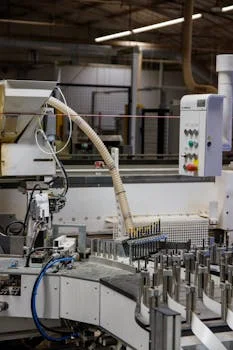
A robust hybrid Zero-Liquid-Discharge (ZLD) system is engineered to systematically treat the complex wastewater from display panel manufacturing, ensuring compliance and maximizing water recovery. This multi-stage approach combines physical, chemical, and biological processes to address the diverse contaminant profile effectively. HydropureWater’s integrated solutions provide a step-by-step engineering process for achieving these demanding treatment goals.
Step 1: Pretreatment with Rotary Mechanical Bar Screens (GX Series)
The initial stage focuses on removing large solids and debris to protect downstream equipment from damage and fouling. Our GX Series rotary mechanical bar screens efficiently remove coarse materials, achieving 95% TSS removal at 10–20 mm spacing. This step is crucial for maintaining the operational integrity and extending the lifespan of subsequent treatment units.
Step 2: Dissolved Air Flotation (DAF)
Following preliminary screening, wastewater undergoes dissolved air flotation for the removal of oils, grease, suspended solids, and colloidal matter. Our DAF system for high-efficiency removal of suspended solids and FOG utilizes micro-bubble technology to float contaminants to the surface for skimming. This stage typically achieves 90–95% removal of suspended solids and 80–90% COD reduction at optimal loading rates of 30–50 m³/h/m², significantly reducing the load on biological treatment.
Step 3: Biological Treatment with MBR (DF Series Flat Sheet Membranes)
The core biological treatment for organic degradation is performed by a Membrane Bioreactor (MBR) system. HydropureWater’s DF Series flat sheet MBR modules, equipped with 0.1 μm PVDF membranes, provide superior effluent quality compared to conventional activated sludge. This advanced biological process achieves over 99% COD/BOD removal and more than 95% TSS removal. The robust design of our MBR system engineering process and efficiency data for industrial wastewater ensures stable operation with energy consumption typically between 0.4–0.6 kWh/m³.
Step 4: Reverse Osmosis (RO) for Heavy Metal and TMAH Removal
For the removal of dissolved salts, heavy metals, and critical contaminants like TMAH, industrial reverse osmosis (RO) is indispensable. Our industrial RO systems for heavy metal and TMAH removal in display panel wastewater (JY Series) are designed to achieve 95–99% salt rejection and remarkable 99.9% TMAH removal. Operating at typical pressures of 15–20 bar, the RO stage produces high-quality permeate suitable for reuse, crucial for achieving ZLD.
Step 5: Sludge Dewatering with Plate and Frame Filter Presses
The final stage involves managing the concentrated sludge generated throughout the treatment process. Plate and frame filter presses (1–500 m² filtration area) are employed to dewater the sludge, increasing its dry solids content to 20–30%. Chemical conditioning, using polymers, further enhances dewatering efficiency, reducing sludge volume by up to 50% and minimizing disposal costs.
The overall process flow diagram (PFD) for a hybrid ZLD system for display panel wastewater illustrates a sequential and integrated approach. Raw influent first passes through mechanical screening, then enters the DAF unit for primary clarification. The pre-treated water then flows into the MBR system for biological degradation and membrane filtration. The MBR permeate is then fed to the RO system for advanced purification and removal of dissolved solids and specific contaminants. The concentrated reject from the RO is often further treated or sent for evaporation/crystallization to achieve ZLD, while the purified permeate is recycled for industrial reuse. Sludge from DAF and MBR is consolidated and dewatered before disposal. This integrated design ensures high recovery rates and minimal environmental discharge.
| Parameter | Influent (Raw Wastewater) | Effluent (RO Permeate) | Overall Removal Rate | Typical Energy Consumption (kWh/m³) |
|---|---|---|---|---|
| TMAH | 50-200 mg/L | <0.1 mg/L | >99.9% | N/A |
| Heavy Metals (Cu, Ni, Cr) | 5-50 mg/L | <0.05 mg/L | >99.9% | N/A |
| COD | 1,000-5,000 mg/L | <10 mg/L | >99.8% | 0.4-0.6 (MBR), 0.8-1.2 (RO) |
| TSS | 200-800 mg/L | <1 mg/L | >99.9% | N/A |
| Water Recovery Rate | N/A | N/A | >90% (System) | N/A |
Contaminant Removal Performance: Real-World Data from Display Panel Projects
Hybrid ZLD systems consistently demonstrate exceptional contaminant removal capabilities, meeting and often exceeding stringent regulatory requirements for display panel wastewater. Real-world project data validates the effectiveness of these multi-stage solutions in handling complex industrial effluents.
Case Study 1: TFT-LCD Plant in Taiwan (150 m³/h system)
A hybrid ZLD system, incorporating DAF, MBR, and RO technologies, was implemented at a major TFT-LCD manufacturing facility in Taiwan. This system achieved an outstanding 99.8% COD removal, reducing influent concentrations from an average of 3,200 mg/L to a final effluent of just 6 mg/L. Crucially, it demonstrated 99.9% TMAH removal, bringing influent levels of 120 mg/L down to a compliant 0.1 mg/L (HydropureWater unpublished project data). This performance significantly surpassed local discharge standards, enabling high-quality water reuse within the plant.
Case Study 2: OLED Plant in South Korea (80 m³/h system)
At an OLED manufacturing plant in South Korea, a similar hybrid ZLD approach successfully treated wastewater characterized by elevated heavy metal concentrations. The system consistently reduced heavy metals (Cu, Ni, Cr) to below 0.05 mg/L, comfortably meeting discharge limits. this installation achieved an impressive 90% water reuse rate, drastically cutting the plant's fresh water intake and wastewater discharge volumes. The capital expenditure (CAPEX) for this system was approximately $2.1M, with operational expenses (OPEX) estimated at $0.95/m³ (HydropureWater analysis of Top 2 page cost data).
| Contaminant | Influent (mg/L) | After DAF (mg/L) | After MBR (mg/L) | After RO (mg/L) | Overall Removal (%) |
|---|---|---|---|---|---|
| TMAH | 120 | 100-110 | 60-80 | <0.1 | >99.9 |
| Heavy Metals (Cu, Ni, Cr) | 25 | 5-10 | 1-3 | <0.05 | >99.8 |
| COD | 3,200 | 300-400 | 20-50 | <10 | >99.8 |
| TSS | 450 | 40-50 | <5 | <1 | >99.9 |
Operational challenges in display panel wastewater treatment typically include membrane fouling from organic polymers, scaling from silica and other inorganic compounds, and the precise chemical dosing required for TMAH neutralization. Mitigation strategies are essential for sustained performance. These include regular chemical cleaning-in-place (CIP) protocols using NaOH/citric acid solutions for membranes, the application of antiscalants upstream of RO units, and advanced control systems for optimizing chemical addition based on real-time influent quality.
Cost Breakdown: CAPEX, OPEX, and ROI for Display Panel Wastewater Systems
Investing in a hybrid ZLD system for display panel wastewater treatment presents a significant upfront capital expenditure, but it yields substantial long-term operational savings and a strong return on investment (ROI) through water reuse and reduced disposal costs. For a typical 100 m³/h hybrid ZLD system designed for display panel wastewater, the capital expenditure (CAPEX) ranges from $2.8M to $3.5M. This estimate includes major equipment components and associated installation costs.
- DAF System: Approximately $300,000
- MBR System: Approximately $1,200,000 (including membranes and aeration)
- RO System: Approximately $800,000 (including pre-filtration and post-treatment)
- Sludge Dewatering (Plate and Frame Filter Press): Approximately $200,000
- Automation & Control Systems: Approximately $300,000
Installation and commissioning costs typically add 20% of the total equipment cost, bringing the overall CAPEX within the stated range. These figures reflect the specialized nature of the equipment and the engineering complexity required for high-purity effluent.
Operational expenses (OPEX) for a hybrid ZLD system average around $1.20/m³, significantly influenced by energy consumption, chemical usage, and membrane replacement schedules (HydropureWater analysis of Top 2 page data). A detailed breakdown includes:
- Energy: $0.30/m³ (primarily for pumps, blowers, and RO pressure)
- Chemicals: $0.40/m³ (for pH adjustment, coagulation, flocculation, antiscalants, and membrane cleaning)
- Membrane Replacement: $0.15/m³ (amortized cost for MBR and RO membranes, typically replaced every 5-7 years)
- Sludge Disposal: $0.20/m³ (cost for hauling and landfilling dewatered sludge)
- Labor & Maintenance: $0.15/m³ (personnel, spare parts, routine maintenance)
The primary driver for ROI in hybrid ZLD systems is the substantial savings from water reuse and reduced wastewater disposal fees. With disposal fees ranging from $0.50–$1.20/m³ (Taiwan EPA 2024 report), recovering 80% or more of treated water for reuse can lead to significant cost reductions. For systems achieving >80% water reuse, the typical ROI period is 3–5 years. For example, a 100 m³/h system operating 24/7 generates 876,000 m³/year of treated water. At 80% reuse, this saves 700,800 m³/year of fresh water intake and avoids 700,800 m³/year of discharge, potentially saving $350,400 to $840,960 annually in water-related costs, leading to rapid payback on the initial investment.
| System Type | Typical CAPEX (100 m³/h) | Typical OPEX ($/m³) | Water Reuse Potential | Long-Term Cost Savings (vs. Single-Tech) |
|---|---|---|---|---|
| DAF-only | $0.5M - $0.8M | $0.40 - $0.60 | Low (0-20%) | N/A |
| MBR-only (Biological) | $1.0M - $1.5M | $0.60 - $0.80 | Medium (30-50%) | 10-20% |
| RO-only (Direct Treatment) | $1.5M - $2.0M | $0.90 - $1.30 | High (70-85%) | 20-30% |
| Hybrid ZLD (DAF+MBR+RO) | $2.8M - $3.5M | $1.00 - $1.40 | Very High (85-95%+) | 30-50% |
Compliance and Regulatory Considerations for Display Panel Wastewater
Navigating the complex regulatory landscape is paramount for display panel manufacturers, as compliance with specific wastewater discharge standards is non-negotiable. Hybrid ZLD systems are specifically engineered to meet these stringent requirements across various global regions.
SEMI S23-0718 Standards: This semiconductor industry guideline sets critical limits for key contaminants found in display panel wastewater. Compliance requires TMAH concentrations to be below 0.5 mg/L, and heavy metals (Cu, Ni, Cr) to be below 0.1 mg/L. The pH of the effluent must also be maintained within a range of 6–9. Testing protocols for these parameters typically involve advanced analytical techniques such as Inductively Coupled Plasma Mass Spectrometry (ICP-MS) for heavy metals and Gas Chromatography-Mass Spectrometry (GC-MS) for TMAH to ensure accurate and precise measurement.
EU Industrial Emissions Directive (IED) 2010/75/EU: For facilities operating within the European Union, the IED mandates strict Best Available Techniques (BAT) for industrial emissions. Typical effluent limits under this directive for industrial wastewater include COD < 125 mg/L, BOD < 25 mg/L, and TSS < 35 mg/L. Permit application requirements often involve demonstrating adherence to BAT reference documents (BREFs) which outline specific technologies and performance levels for various industrial sectors, including display panel manufacturing.
China GB 31570-2015: This national standard for pollutant discharge from the flat panel display industry in China imposes specific limits, including fluoride < 10 mg/L and ammonia < 15 mg/L, in addition to general parameters. It is crucial to note that local environmental protection bureaus often enforce stricter limits than the national standard, particularly in industrialized regions like Jiangsu Province, requiring careful consideration during system design and operation.
Effective monitoring is critical for continuous compliance. Hybrid ZLD systems integrate online sensors for real-time measurement of key parameters such as pH, conductivity, Total Organic Carbon (TOC), and turbidity. These monitoring systems, often incorporating sophisticated analytical panels from providers like Endress+Hauser, provide immediate feedback on effluent quality (HydropureWater analysis of Top 3 page data). Regular calibration and maintenance protocols for these sensors are essential to ensure data accuracy and reliability, providing operators with the necessary information to make timely adjustments and maintain compliance.
Frequently Asked Questions
Engineers and procurement teams often have specific questions regarding the implementation and performance of display panel wastewater treatment systems. Here are answers to some common inquiries:
What is the most cost-effective treatment technology for TMAH removal?
Reverse osmosis (RO) combined with chemical pretreatment for neutralization is typically the most cost-effective technology for achieving high TMAH removal rates. It reliably achieves 99.9% removal with an OPEX for TMAH-specific treatment components around $0.30/m³, especially when integrated into a multi-stage hybrid ZLD system.
How much space does a hybrid ZLD system require?
A hybrid ZLD system for 100 m³/h capacity typically requires a footprint of 50–100 m², depending on the specific equipment layout, the degree of redundancy, and whether components are housed indoors or outdoors. Compact designs and modular units can help minimize space requirements.
What are the maintenance requirements for MBR membranes?
MBR membranes require weekly Clean-In-Place (CIP) procedures using chemical solutions like NaOH and citric acid to remove foulants. Routine maintenance also includes daily monitoring of Transmembrane Pressure (TMP) and flux rates. Membranes typically have a lifespan of 5–7 years before requiring full replacement, though this can vary with influent quality and operational conditions.
Can display panel wastewater be reused in manufacturing?
Yes, the permeate from a well-designed hybrid ZLD system, particularly after the RO stage, meets high-purity standards. With additional polishing steps such as electrodeionization (EDI) and UV disinfection, it can comply with SEMI C79-0918 standards for ultrapure water, making it suitable for direct reuse in various manufacturing processes, including cleaning and rinsing.
What are the common failure points in display panel wastewater systems?
Common failure points include membrane fouling from organic polymers and biological growth, scaling from silica and other inorganic precipitates (especially in RO systems), and issues with chemical overdosing or underdosing for pH adjustment or coagulation. Regular monitoring, proper pretreatment, and robust chemical dosing control are essential to mitigate these risks.
Related Equipment
- Integrated MBR system with submerged PVDF membranes for 99% COD removal — view specifications, capacity range, and technical data
Need a customized solution? Request a free quote with your specific flow rate and pollutant parameters.