Why Stuttgart Hospitals Need Dedicated Wastewater Treatment Systems
Stuttgart’s hospitals generate wastewater laden with pharmaceuticals, pathogens (e.g., E. coli, norovirus), and radioisotopes—contaminants municipal WWTPs like Stuttgart-Mühlhausen (1.6M population equivalents) are not designed to handle. EU Directive 91/271/EEC and local discharge limits require hospital effluent to meet <50 mg/L COD, <10 mg/L BOD₅, and <1,000 CFU/100mL fecal coliforms. Dedicated treatment systems (e.g., MBR, DAF, or electrocoagulation) achieve 95–99.9% removal of these pollutants, with CAPEX ranging from €150K–€2M depending on hospital size (50–1,000 beds) and technology choice.
The four municipal wastewater treatment plants in Stuttgart are optimized for domestic sewage, yet hospital effluent contains a concentrated cocktail of cytostatic drugs, antibiotics, and contrast agents that bypass conventional activated sludge processes. Research indicates that municipal facilities like the Stuttgart-Mühlhausen plant primarily focus on carbon and nutrient removal, leaving recalcitrant pharmaceuticals to enter the Neckar River. A 300-bed Stuttgart hospital discharging 150 m³/day of untreated wastewater risks fines up to €50,000 per year under current EU enforcement protocols (2024 EU Environmental Compliance Report).
Beyond chemical risks, the presence of multi-drug resistant organisms (MDROs) in hospital sewage poses a significant public health threat. Unlike standard municipal waste, hospital effluent often contains radioisotopes such as Iodine-131 from oncology departments. Without specialized decentralized treatment, these substances contribute to antimicrobial resistance and localized eutrophication. Implementing compact hospital wastewater treatment systems for Stuttgart clinics allows facilities to neutralize these risks at the source, ensuring compliance with the EU Environmental Liability Directive 2004/35/EC.
Stuttgart’s Regulatory Landscape: EU Directives, Local Limits, and Compliance Pathways
EU Urban Waste Water Directive 91/271/EEC sets the mandatory baseline for hospital effluent, requiring secondary treatment and stringent disinfection protocols for all healthcare facilities. In Stuttgart, the local discharge limits administered by Stadtentwässerung Stuttgart often exceed these federal requirements, particularly for facilities discharging near sensitive water bodies. Hospitals must navigate a dual-track compliance pathway: meeting the general EU standards while adhering to the specific 2024 Stuttgart Municipal Sewer Use Ordinance.
For hospitals connected to the Stuttgart-Mühlhausen WWTP, pre-treatment is mandatory to ensure the effluent does not disrupt the municipal biological processes. Limits for sewer discharge are capped at <125 mg/L COD and <25 mg/L BOD₅. However, for direct surface water discharge, the Umweltamt (Environmental Agency) enforces stricter thresholds of <30 mg/L COD and <200 CFU/100mL fecal coliforms. Failure to meet these parameters can result in operational shutdowns or fines reaching €100,000.
The permitting process in Stuttgart requires hospitals to submit a comprehensive wastewater management plan. This includes quarterly effluent testing and a detailed strategy for handling "hot" waste from radiology units. Similar to how Milan hospitals comply with EU Directive 91/271/EEC, Stuttgart facilities must demonstrate 4-log pathogen reduction to satisfy the 2023 Stuttgart Environmental Report standards.
| Parameter | Sewer Discharge (Stuttgart-Mühlhausen) | Direct Surface Discharge (Stuttgart Limits) | Typical Untreated Hospital Effluent |
|---|---|---|---|
| COD (mg/L) | < 125 | < 30 | 300 – 1,200 |
| BOD₅ (mg/L) | < 25 | < 5 | 150 – 600 |
| TSS (mg/L) | < 50 | < 10 | 100 – 400 |
| Fecal Coliforms (CFU/100mL) | < 1,000 | < 200 | 10⁶ – 10⁸ |
| Pharmaceutical Removal | Not Specified | > 80% (Recommended) | 0% |
Hospital Wastewater Treatment Technologies: MBR vs DAF vs Electrocoagulation for Stuttgart Hospitals
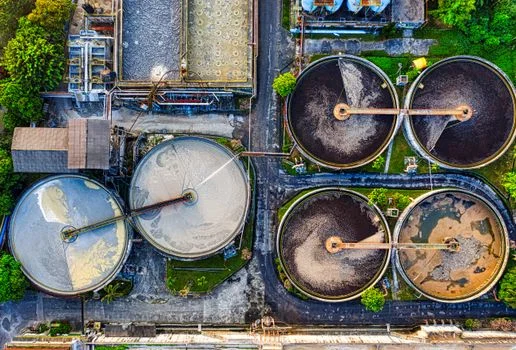
Membrane Bioreactor (MBR) technology achieves 99.9% pathogen removal by combining biological degradation with 0.1 μm pore-size filtration, making it the benchmark for urban Stuttgart hospitals. MBR systems are particularly effective for facilities like the Katharinenhospital, where urban density limits the available footprint for treatment infrastructure. By replacing secondary clarifiers with membrane modules, MBRs reduce the system footprint by approximately 60% while producing effluent quality suitable for non-potable reuse. While CAPEX is higher—ranging from €300K to €2M—the energy-intensive aeration is offset by the elimination of tertiary polishing stages.
Dissolved Air Flotation (DAF) serves as an excellent primary or secondary treatment stage for hospitals with high concentrations of fats, oils, and grease (FOG), such as the Robert-Bosch-Krankenhaus. DAF systems for high-FOG hospital wastewater in Stuttgart use micro-bubble flotation to remove 92–97% of TSS. When paired with ozone or UV, DAF achieves the necessary log-reduction targets for pathogens. OPEX typically falls between €0.50 and €1.20/m³, primarily driven by the cost of coagulants and polymers required for effective flocculation.
Electrocoagulation (EC) is emerging as a chemical-free alternative for clinics like the Filderklinik that prioritize sustainability. EC uses sacrificial aluminum or iron electrodes to destabilize contaminants, removing up to 95% of pharmaceuticals such as diclofenac and carbamazepine. Unlike MBR or DAF, EC does not require complex chemical dosing, which simplifies the supply chain for hospital facility managers. However, it requires periodic electrode replacement every 6 to 12 months. For hospitals managing industrial-grade contaminants in their labs, advanced wastewater treatment technologies for industrial contaminants like EC offer a robust, automated solution.
| Technology | Removal Efficiency (COD) | Footprint | OPEX (€/m³) | Best Stuttgart Use Case |
|---|---|---|---|---|
| MBR | 95 – 98% | Ultra-Compact | 0.80 – 1.50 | Urban hospitals (e.g., Katharinenhospital) |
| DAF | 60 – 80% | Moderate | 0.50 – 1.20 | High-FOG facilities (e.g., Robert-Bosch) |
| Electrocoagulation | 85 – 95% | Compact | 0.30 – 0.80 | Sustainability-focused clinics (e.g., Filderklinik) |
Engineering Specs for Hospital Wastewater Treatment in Stuttgart: Removal Targets, Hydraulic Design, and Disinfection
Design parameters for Stuttgart hospital wastewater systems must account for influent Chemical Oxygen Demand (COD) concentrations ranging from 300 to 1,200 mg/L. Engineering specifications are dictated by the 2024 Stuttgart Hospital Wastewater Study, which emphasizes the need for systems to handle high peak flows during morning hours when ward activities are at their highest. For an MBR-based system, a Hydraulic Retention Time (HRT) of 4 to 6 hours is standard to ensure complete biological degradation of complex organic molecules.
Disinfection is the most critical engineering stage for compliance with Stuttgart’s <200 CFU/100mL limit. Achieving a 4-log reduction for bacteria and a 3-log reduction for viruses requires high-precision dosing. Chlorine dioxide disinfection for Stuttgart hospital effluent is preferred over traditional chlorination because ClO₂ remains effective across a wider pH range and does not produce harmful trihalomethanes (THMs). Standard dosage rates for hospital effluent are typically 2–5 mg/L with a contact time of at least 30 minutes.
Sludge management is a significant OPEX factor in the Stuttgart region. MBR systems produce 0.2–0.4 kg of TSS per kg of BOD removed. Because this sludge often contains concentrated pharmaceuticals, it must be disposed of via licensed hazardous waste haulers, with costs ranging from €150 to €300 per ton. To minimize these costs, many hospitals integrate a plate and frame filter press to achieve high cake dryness, reducing the total volume of waste transported for incineration.
| Engineering Parameter | MBR Specification | DAF Specification | EC Specification |
|---|---|---|---|
| Hydraulic Retention Time (HRT) | 4 – 6 Hours | 1 – 2 Hours | 30 – 60 Minutes |
| Design Flux Rate | 15 – 25 L/m²/h | 5 – 10 m/h | N/A |
| Disinfection Method | Membrane + UV/ClO₂ | Ozone/ClO₂ | In-situ Oxidation + ClO₂ |
| Sludge Production | Low (0.2 kg/kg BOD) | Medium (0.4 kg/kg BOD) | Low (Chemical-free) |
CAPEX and OPEX Breakdown for Hospital Wastewater Treatment in Stuttgart: 2025 Cost Models
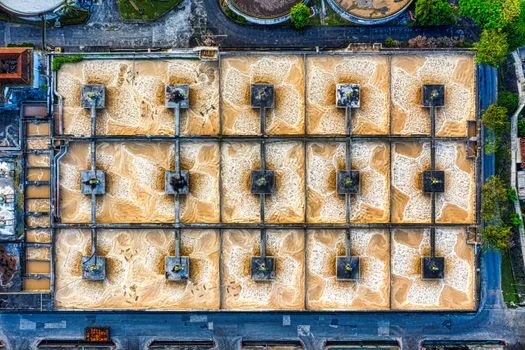
CAPEX for a 500-bed hospital wastewater system in Stuttgart typically ranges from €800,000 to €1.2 million, depending on the required level of pharmaceutical removal and the chosen technology. According to 2025 Stuttgart Environmental Agency cost benchmarks, MBR systems represent the highest initial investment but offer the lowest long-term risk regarding effluent quality. Conversely, DAF systems provide a lower entry point (€200K–€1.5M) but require consistent chemical procurement, which can fluctuate with market prices.
The OPEX breakdown is dominated by energy and maintenance. MBR systems consume between 0.8 and 1.5 kWh/m³ primarily for membrane scouring and aeration. However, MBR technology can reduce sludge disposal costs by up to 40% compared to conventional activated sludge systems. Electrocoagulation systems provide the most competitive OPEX (€0.30–€0.80/m³) by eliminating the need for coagulants, though facility managers must budget for the annual replacement of sacrificial electrodes. For hospitals in colder peripheral areas, cold-weather adaptations for hospital wastewater treatment systems may be necessary to maintain biological activity, potentially increasing energy costs by 10-15%.
Financing and subsidies play a major role in the procurement process. Under the 2025 EU Circular Economy Action Plan, Stuttgart hospitals installing MBR or EC systems may qualify for 30% EU Green Deal subsidies. Additionally, the state of Baden-Württemberg offers grants up to 20% for projects that demonstrate significant reductions in micro-pollutant discharge into the Neckar river basin.
| Hospital Size (Beds) | Daily Flow (m³) | Technology | Estimated CAPEX (€) | Estimated OPEX (€/m³) |
|---|---|---|---|---|
| 100 | 50 | EC / DAF | 250,000 – 400,000 | 0.40 – 0.90 |
| 500 | 250 | MBR | 800,000 – 1,200,000 | 0.90 – 1.30 |
| 1,000 | 500 | MBR + EC | 1,500,000 – 2,000,000 | 0.80 – 1.10 |
How to Select the Right Hospital Wastewater Treatment System for Your Stuttgart Facility
Selecting a wastewater treatment system in Stuttgart requires a multi-criteria analysis of footprint availability, discharge permits, and long-term sludge disposal costs. The decision process should begin with a definitive assessment of the discharge point: direct surface water discharge necessitates the high-rejection capabilities of MBR systems for hospital wastewater treatment in Stuttgart, whereas sewer-bound discharge may only require DAF-based pre-treatment. Urban hospitals with zero expansion room must prioritize footprint-optimized solutions like MBR or EC.
The procurement process should follow a structured "Zero-Risk" framework. This starts with a detailed characterization of the hospital's specific effluent, including a screening for the most common pharmaceuticals used on-site. Pilot testing is highly recommended for electrocoagulation systems to determine the optimal electrode material and current density for the specific wastewater chemistry. Vendor selection should be limited to those with ISO 14001 certification and a proven track record within the German healthcare sector, such as references from the Katharinenhospital or Robert-Bosch-Krankenhaus.
"A successful implementation relies on bridging the gap between engineering specifications and local regulatory expectations. Procurement officers must ensure that performance guarantees include specific removal rates for persistent organic pollutants, not just bulk parameters like COD."
| Selection Factor | Recommended Path | Primary Benefit |
|---|---|---|
| Space Constraints | MBR Technology | 60% footprint reduction |
| Budget Sensitivity | Electrocoagulation | Low OPEX; no chemicals |
| High FOG Loads | DAF System | Prevents sewer blockages |
| Strict Pathogen Limits | MBR + ClO₂ Dosing | Guaranteed 4-log reduction |
Frequently Asked Questions
Q: Can Stuttgart hospitals discharge untreated wastewater into the municipal sewer system?
A: No. Stuttgart’s sewer use ordinance requires pre-treatment to <125 mg/L COD and <25 mg/L BOD₅ before discharge to the Stuttgart-Mühlhausen WWTP. Fines for non-compliance start at €10,000 per violation according to the 2024 Stuttgart Municipal Code.
Q: What is the most cost-effective hospital wastewater treatment system for a 200-bed Stuttgart hospital?
A: For a 200-bed hospital, a DAF system paired with ozone or chlorine dioxide disinfection offers the best balance of CAPEX (€500K–€700K) and OPEX (€0.60–€0.90/m³). MBR systems are 20–30% more expensive but deliver higher effluent quality for potential reuse in cooling towers or landscape irrigation.
Q: How often do hospital wastewater treatment systems in Stuttgart need maintenance?
A: MBR systems require monthly membrane cleaning (CIP) and quarterly sludge removal. DAF systems need weekly skimmer adjustments and monthly calibration of chemical dosing pumps. EC systems require electrode replacement every 6 to 12 months, depending on the wastewater's pH and conductivity.
Q: Are there subsidies for hospital wastewater treatment systems in Stuttgart?
A: Yes. Hospitals can apply for 30% EU Green Deal subsidies and 20% Baden-Württemberg state grants for systems meeting EU Circular Economy Action Plan criteria. Applications are typically processed through the Stuttgart Environmental Agency (Umweltamt).
Q: What are the discharge limits for hospital wastewater in Stuttgart?
A: For direct surface water discharge, the limits are <30 mg/L COD, <5 mg/L BOD₅, and <200 CFU/100mL fecal coliforms. For sewer discharge, the limits are <125 mg/L COD and <25 mg/L BOD₅, as per the Stuttgart Municipal Sewer Use Ordinance (2024).