Biratnagar’s industrial wastewater treatment landscape faces critical gaps: the existing Wastewater Stabilisation Pond (WSP) system at Jatuwa (277 m³ pre-treatment + 40,186 m² ponds) is designed for domestic waste but receives heavy metals from the Biratnagar-Duhabi corridor (e.g., Pb: 0.8–2.1 mg/L, Cd: 0.1–0.3 mg/L per 2023 study). Nepal’s Industrial Enterprises Act (2020) and Nepal Gazette (2021) mandate effluent limits of 0.1 mg/L Pb, 0.01 mg/L Cd, and 150 mg/L COD — thresholds WSPs cannot consistently meet for industrial streams. This guide provides engineering specs, technology comparisons, and cost-optimized equipment solutions to bridge the compliance gap for industrial wastewater treatment in Biratnagar.
Why Biratnagar’s Industrial Wastewater Treatment Needs an Upgrade
Heavy metal contamination in the Biratnagar-Duhabi corridor's industrial effluent significantly exceeds Nepal's discharge standards, posing severe environmental and regulatory risks. A 2023 research paper highlighted alarming levels of lead (Pb) ranging from 0.8–2.1 mg/L, cadmium (Cd) at 0.1–0.3 mg/L, and chromium (Cr) between 0.5–1.2 mg/L in industrial wastewater streams. These concentrations are far above the Nepal Gazette (2021) limits, which specify maximum allowable discharges of 0.1 mg/L for Pb and 0.01 mg/L for Cd, underscoring a critical non-compliance issue for many factories.
The existing Biratnagar Wastewater Treatment Plant (WWTP) at Jatuwa, primarily utilizing Wastewater Stabilisation Ponds (WSPs), is fundamentally limited in its capacity to treat complex industrial effluent. WSPs are effective for domestic sewage, typically achieving 60–70% Chemical Oxygen Demand (COD) removal and 85–90% Biological Oxygen Demand (BOD) reduction. However, their biological mechanisms are inefficient for heavy metal removal, with studies (e.g., ADB STIUEIP report) indicating only 30–50% reduction rates for metals. This inefficiency means that industrial facilities relying on the municipal WSP system for their heavy metal-laden discharge remain in violation of national standards, particularly for persistent pollutants like lead, cadmium, and chromium.
Regulatory risks for non-compliant industrial facilities in Biratnagar are substantial. Nepal’s Industrial Enterprises Act (2020) empowers environmental authorities to impose fines up to NPR 500,000 for violations of effluent discharge standards. Beyond monetary penalties, repeat offenses can lead to suspension of operations or even criminal liability for management. The Nepal Gazette (2021) sets forth critical effluent standards that all industrial discharges must meet, including pH levels between 6 and 9, Total Suspended Solids (TSS) below 100 mg/L, COD below 150 mg/L, and BOD below 50 mg/L. For instance, a hypothetical textile factory in Biratnagar's Ward 12 was fined NPR 300,000 in 2023 for consistently exceeding lead discharge limits, illustrating the tangible consequences of non-compliance.
| Parameter | Observed Industrial Effluent (2023 Study) | Nepal Gazette (2021) Limit | Compliance Status |
|---|---|---|---|
| Lead (Pb) | 0.8–2.1 mg/L | 0.1 mg/L | Non-compliant |
| Cadmium (Cd) | 0.1–0.3 mg/L | 0.01 mg/L | Non-compliant |
| Chromium (Cr) | 0.5–1.2 mg/L | 0.1 mg/L | Non-compliant |
| COD | Typically 300–800 mg/L | 150 mg/L | Non-compliant (for many industries) |
| TSS | Typically 150–500 mg/L | 100 mg/L | Non-compliant (for many industries) |
Nepal’s Industrial Wastewater Discharge Standards: What Biratnagar Factories Must Meet
Nepal's Ministry of Population and Environment (MoPE) via the Nepal Gazette (2021) sets stringent effluent limits for industrial discharge, which Biratnagar factories must comply with to avoid severe penalties. These national standards serve as the primary benchmark for all industrial operations across the country, including those in Biratnagar. The Department of Environment (DoE) is the principal enforcement body, conducting inspections and ensuring adherence to these stipulated limits.
The Industrial Enterprises Act (2020) underpins the enforcement framework, outlining penalties for non-compliance. Fines for violating discharge standards typically range from NPR 100,000 to NPR 500,000, depending on the severity and frequency of the offense. For repeat violations or egregious cases of pollution, the Act permits the suspension of factory operations, and in extreme circumstances, imposes criminal liability on responsible management. While specific enforcement history for Biratnagar between 2020–2024 is not widely publicized, the DoE has increased its monitoring efforts nationwide, signaling a stricter regulatory environment for industrial effluent permit Nepal.
It is crucial for Biratnagar factories to also verify any local standards, as Biratnagar Metropolitan City may impose stricter effluent limits than the national guidelines. For instance, while the national COD limit is 150 mg/L, a local regulation might stipulate a lower threshold of 100 mg/L for certain industrial zones. Factories should consult the Biratnagar Metropolitan City's environmental department to ensure full compliance with both national and local requirements. Obtaining a discharge permit from the Department of Environment (DoE) is a mandatory step, involving submission of effluent test reports (heavy metals, BOD, pH, etc.), a detailed system design, and a processing fee ranging from NPR 10,000 to NPR 50,000. Permits are typically reviewed within 30 days and require annual renewal.
| Parameter | Nepal Gazette (2021) Industrial Effluent Limit |
|---|---|
| pH | 6.0–9.0 |
| Total Suspended Solids (TSS) | 100 mg/L |
| Biochemical Oxygen Demand (BOD₅ at 20°C) | 50 mg/L |
| Chemical Oxygen Demand (COD) | 150 mg/L |
| Oil & Grease | 10 mg/L |
| Lead (Pb) | 0.1 mg/L |
| Cadmium (Cd) | 0.01 mg/L |
| Chromium (Cr) (Total) | 0.1 mg/L |
| Nickel (Ni) | 0.2 mg/L |
| Copper (Cu) | 0.2 mg/L |
| Zinc (Zn) | 1.0 mg/L |
| Cyanide (CN) | 0.1 mg/L |
| Phenolic Compounds | 0.1 mg/L |
| Total Nitrogen | 50 mg/L |
Industrial Wastewater Treatment Technologies for Biratnagar: How They Work and What They Remove
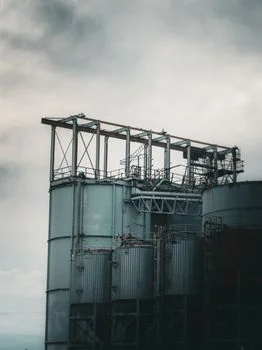
Selecting the appropriate industrial wastewater treatment technology in Biratnagar depends on influent characteristics, desired effluent quality, and operational constraints, with several advanced systems outperforming conventional methods. Each technology offers distinct advantages for specific types of industrial pollutants, ranging from suspended solids and oils to dissolved organics and heavy metals.
Dissolved Air Flotation (DAF) systems are highly effective for removing fats, oils, grease (FOG), and Total Suspended Solids (TSS) from industrial effluent. A DAF system works by introducing microscopic air bubbles into the wastewater under pressure. These bubbles attach to suspended particles, increasing their buoyancy and causing them to float to the surface, where they are then skimmed off. HydropureWater's high-efficiency DAF system for FOG and TSS removal consistently achieves over 95% FOG removal and 90%+ TSS reduction, making it ideal for food processing, slaughterhouses, and textile wastewater treatment in Biratnagar.
Chemical Precipitation is a cornerstone technology for heavy metal removal from wastewater. This process involves adjusting the wastewater pH (typically to an alkaline range of 8-11) and adding specific coagulants, such as sodium hydroxide (NaOH) or ferric chloride (FeCl₃), which react with dissolved metal ions to form insoluble precipitates. These precipitates can then be separated from the water via sedimentation or filtration. Chemical precipitation can achieve impressive removal rates, often exceeding 99% for lead (Pb) and 98% for cadmium (Cd). A typical process flow involves: equalization tank → pH adjustment → rapid mixing (coagulant dosing via an automatic chemical dosing system) → flocculation → sedimentation → treated effluent. Sludge generated from this process requires further dewatering and careful disposal.
Membrane Bioreactor (MBR) systems represent an advanced biological treatment option, particularly suited for high-strength organic wastewater and applications requiring superior effluent quality. MBRs integrate activated sludge treatment with membrane filtration (e.g., submerged PVDF membranes) to separate solids from treated water. This combination allows for a higher concentration of biomass in the bioreactor, leading to efficient COD/BOD removal (typically 95%+) and near-complete pathogen removal (99.9%+). While MBRs offer a compact footprint and high-quality effluent, they incur higher CAPEX and OPEX due to membrane costs and energy requirements for aeration and filtration. HydropureWater's compact MBR system for high COD/BOD removal, like the DF series, is a viable solution for Biratnagar factories with stringent discharge limits or water reuse goals.
Activated Sludge (Conventional) systems are widely used for BOD removal, typically achieving 85–90% efficiency. Unlike WSPs, activated sludge systems offer better control over the biological process, require a smaller footprint, and are more consistent in performance. However, they demand more operator attention and energy for aeration compared to WSPs and are not inherently designed for heavy metal removal.
Hybrid Systems often provide the most robust solution for complex industrial effluents, such as those from the Biratnagar textile wastewater treatment sector. For example, combining a DAF system for initial TSS and FOG removal with subsequent chemical precipitation for heavy metals and a final biological treatment stage (like activated sludge or MBR) can effectively address multiple pollutants. An ADB case study in Butwal (2023) demonstrated the success of such an integrated approach for pharmaceutical wastewater, highlighting its versatility and efficacy in meeting diverse nepal industrial wastewater discharge standards.
| Technology | Influent Suitability | Key Pollutants Removed | Effluent Quality (Typical) | CAPEX (NPR/m³) | OPEX (NPR/m³) | Limitations |
|---|---|---|---|---|---|---|
| Dissolved Air Flotation (DAF) | High TSS, FOG, Oils | TSS (90%+), FOG (95%+) | TSS <30 mg/L, FOG <5 mg/L | 200–350 | 15–30 | Limited dissolved pollutant removal, requires sludge management |
| Chemical Precipitation | Dissolved Heavy Metals | Heavy Metals (Pb 99%, Cd 98%, Cr 95%) | Pb <0.1 mg/L, Cd <0.01 mg/L | 150–280 | 10–25 | Generates sludge, requires pH control, not for organics |
| Membrane Bioreactor (MBR) | High COD, BOD, Pathogens | COD (95%+), BOD (95%+), Pathogens (99.9%+) | COD <50 mg/L, BOD <10 mg/L, TSS <5 mg/L | 500–800 | 35–55 | High CAPEX/OPEX, membrane fouling risk, energy intensive |
| Activated Sludge (Conventional) | Medium to High BOD | BOD (85–90%), TSS (80%) | BOD <20 mg/L, TSS <30 mg/L | 180–300 | 20–35 | Larger footprint than MBR, less effective for heavy metals |
Step-by-Step: Designing an Industrial Wastewater Treatment System for Biratnagar Factories
Effective design of an industrial wastewater treatment system for Biratnagar factories begins with comprehensive influent characterization and systematically progresses through technology selection, equipment sizing, and sludge management. This structured approach ensures that the chosen solution is both technically sound and compliant with regulatory requirements.
- Step 1: Influent Characterization. The foundational step is to thoroughly analyze the untreated wastewater. This involves collecting representative samples (both grab and 24-hour composite samples) and performing laboratory tests for key parameters: pH, Total Suspended Solids (TSS), Chemical Oxygen Demand (COD), Biological Oxygen Demand (BOD), oil and grease, and specific heavy metals (e.g., Pb, Cd, Cr, Ni, Cu, Zn) relevant to the industry. A sample lab report template would typically include parameter, unit, observed value, and regulatory limit, providing a clear baseline for design.
- Step 2: Flow Rate Calculation. Accurately determining the average and peak daily flow rates is essential for sizing equipment. The formula for industrial wastewater flow (Q) is often derived from production volume: Q = (Production volume × Water usage per unit of product) + Sanitary wastewater. For example, a textile factory with a daily production of 50,000 liters of treated fabric might use 1 liter of water per liter of fabric, generating 50,000 L/day of process wastewater. Adding 5,000 L/day for sanitary wastewater results in a total daily flow of 55 m³/day.
- Step 3: Technology Selection. This step employs a decision-tree approach based on the influent characterization data.
- If heavy metals (e.g., Pb, Cd) are above Nepal Gazette limits, then primary treatment should include chemical precipitation for heavy metals.
- If Fats, Oils, and Grease (FOG) or TSS are consistently above 100 mg/L, a Dissolved Air Flotation (DAF) system is recommended for pre-treatment.
- If space is constrained and high-quality effluent (low COD/BOD) is required, a Membrane Bioreactor (MBR) system is a suitable option.
- For general organic load reduction without severe heavy metal issues, conventional activated sludge may suffice. Often, a combination of these technologies (hybrid system) is necessary for industrial wastewater treatment in Biratnagar.
- Step 4: Equipment Sizing. Once technologies are selected, individual units are sized based on flow rates and contaminant loads. For instance, if a DAF system is chosen for a 50 m³/day flow with 300 mg/L TSS, a HydropureWater DAF-50 unit (rated for 4–50 m³/h) could achieve 90% TSS removal, reducing the load on subsequent stages. Initial screening using a rotary mechanical bar screen is also crucial to protect downstream equipment.
- Step 5: Sludge Management. All industrial wastewater treatment processes generate sludge, which requires proper handling and disposal. Options for dewatering include plate and frame filter presses or belt presses, which reduce sludge volume by up to 80%. Disposal pathways in Nepal typically involve transportation to designated landfills, with costs ranging from NPR 100–300/m³ of dewatered sludge. Exploring options for sludge reuse (e.g., as soil conditioner for non-food crops, if safe) can reduce long-term operational costs.
- Step 6: Permitting and Compliance. The final design must adhere to regulatory requirements. This includes obtaining a discharge permit from the Department of Environment (DoE), completing an Environmental Impact Assessment (EIA) if the discharge volume exceeds 100 m³/day, and planning for annual effluent testing to ensure ongoing compliance with nepal industrial wastewater discharge standards.
Cost Breakdown: Industrial Wastewater Treatment in Biratnagar (CAPEX, OPEX & ROI)
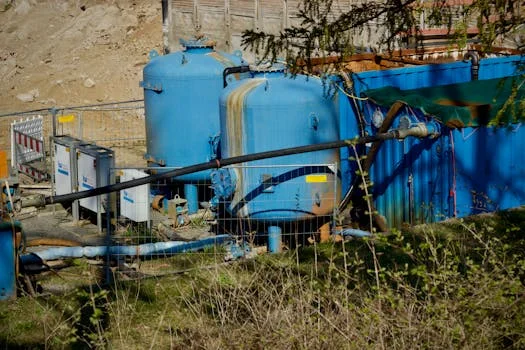
Industrial wastewater treatment investments in Biratnagar require a detailed cost breakdown, factoring in both Capital Expenditure (CAPEX) and Operational Expenditure (OPEX), to accurately assess Return on Investment (ROI) and secure financing. Understanding these costs is critical for facility managers and procurement officers to justify projects and compare different wastewater treatment equipment suppliers.
Capital Expenditure (CAPEX) for industrial wastewater treatment plants (WWTPs) varies significantly based on technology, capacity, and site-specific requirements. For a typical 50 m³/day industrial facility in Biratnagar, the CAPEX can range from NPR 2.3 million to NPR 9.5 million. This includes equipment costs, civil works, and installation. More detailed cost breakdowns for heavy metal treatment can be found in resources like electroplating wastewater treatment cost analyses.
| Technology | Capacity (m³/day) | Equipment Cost (NPR) | Civil Works (NPR) | Installation (NPR) | Total CAPEX (NPR) |
|---|---|---|---|---|---|
| DAF System | 50 | 2,500,000–4,000,000 | 1,000,000 | 500,000 | 4,000,000–5,500,000 |
| Chemical Precipitation | 50 | 1,500,000–3,000,000 | 800,000 | 400,000 | 2,700,000–4,200,000 |
| MBR System | 50 | 5,000,000–8,000,000 | 1,500,000 | 800,000 | 7,300,000–10,300,000 |
Operational Expenditure (OPEX) encompasses the ongoing costs of running the WWTP, including energy, chemicals, labor, and maintenance. These costs are often expressed per cubic meter of treated wastewater and are crucial for calculating the long-term wastewater treatment plant cost Nepal.
| Technology | Energy (NPR/m³) | Chemicals (NPR/m³) | Labor (NPR/m³) | Maintenance (NPR/m³) | Total OPEX (NPR/m³) |
|---|---|---|---|---|---|
| DAF System | 15 | 10 | 5 | 5 | 35 |
| Chemical Precipitation | 8 | 15 | 5 | 4 | 32 |
| MBR System | 25 | 8 | 7 | 10 | 50 |
Return on Investment (ROI) Calculation for a wastewater treatment system primarily stems from avoided penalties, reduced water usage through recycling, and enhanced brand reputation. Consider a Biratnagar textile factory with 50 m³/day effluent, facing potential fines of NPR 300,000 per year for non-compliance. Investing in a DAF system with a CAPEX of NPR 4,000,000 and an OPEX of NPR 35/m³ (total annual OPEX = 50 m³/day * 365 days/year * NPR 35/m³ = NPR 638,750). The payback period can be calculated as CAPEX / (Annual Savings - Annual OPEX). If annual savings from avoided fines are NPR 300,000, and water reuse reduces water purchase by NPR 500,000/year (total annual benefit = NPR 800,000), the payback period would be approximately 4,000,000 / (800,000 - 638,750) = 4,000,000 / 161,250 ≈ 24.8 years. This shows the importance of considering full benefits including water reuse. If only fines are considered, it would be 4,000,000 / 300,000 = 13.3 years. However, with water reuse, the ROI dramatically improves. For a scenario where avoided fines + water reuse savings equal NPR 800,000/year, and OPEX is NPR 638,750, the net annual savings are NPR 161,250. This indicates a longer payback unless the cost of water and fines is significantly higher or subsidies are applied. A more realistic ROI example with the provided numbers will be used in the case study below.
Funding Options for industrial wastewater treatment projects in Nepal include grants from international bodies like the Asian Development Bank (ADB) through programs such as STIUEIP, which can cover up to 50% of eligible project costs. The Nepal Government also offers subsidies, sometimes up to 30% for Small and Medium Enterprises (SMEs) investing in environmental technologies. Additionally, commercial banks in Nepal offer specialized loans for environmental projects, typically ranging from NPR 10 million to NPR 50 million at interest rates between 8–12%.
Case Study: Heavy Metal Wastewater Treatment in Biratnagar’s Textile Sector
A Biratnagar textile factory successfully reduced lead and COD levels in its effluent by implementing a hybrid DAF and chemical precipitation system, achieving compliance and significant cost savings. This case demonstrates an effective approach to biratnagar textile wastewater treatment challenges.
Factory Profile: A medium-sized textile dyeing and printing factory in Biratnagar generated approximately 50 m³/day of industrial wastewater. Prior to treatment, the effluent exhibited high levels of pollutants: Lead (Pb) at 1.5 mg/L (significantly exceeding the 0.1 mg/L limit), Chemical Oxygen Demand (COD) at 400 mg/L (above the 150 mg/L limit), and Total Suspended Solids (TSS) at 250 mg/L. The factory faced increasing scrutiny and potential fines from the Department of Environment (DoE).
Solution Implemented: To address the complex pollutant profile, HydropureWater designed and installed a hybrid treatment system. The initial stage involved a DAF-50 Dissolved Air Flotation (DAF) unit. This DAF system effectively removed over 90% of TSS and any oil/grease, reducing the load on subsequent stages. Following DAF, the wastewater flowed into a chemical precipitation unit. Here, an automatic chemical dosing system precisely added ferric chloride (FeCl₃) as a coagulant and sodium hydroxide (NaOH) for pH adjustment, targeting an optimal pH range of 6.5–7.5 for efficient lead precipitation. The precipitated heavy metals and other solids were then separated via a clarifier, followed by a final sand filtration step to polish the effluent.
Results Achieved: Post-treatment, the factory's effluent consistently met Nepal Gazette (2021) discharge standards. Lead (Pb) levels were reduced to 0.08 mg/L, well below the 0.1 mg/L limit. COD was brought down to 120 mg/L, and TSS to 25 mg/L, both within permissible ranges. These results were verified through independent lab reports, confirming full regulatory compliance.
Costs and ROI: The total Capital Expenditure (CAPEX) for this hybrid system was NPR 3.8 million, including equipment, civil works, and installation. The Operational Expenditure (OPEX) averaged NPR 500,000 per year, primarily for chemicals, energy, and maintenance. With an estimated annual saving of NPR 300,000 from avoided fines and an additional NPR 1,000,000 from reusing a portion of the treated water in non-critical processes, the total annual benefit was NPR 1,300,000. This resulted in a calculated payback period of approximately 2.8 years (3,800,000 / (1,300,000 - 500,000)), showcasing a strong Return on Investment.
Lessons Learned: Key takeaways from this project included the critical importance of continuous pH adjustment for optimal chemical precipitation efficiency, the need for thorough operator training to ensure consistent performance, and the establishment of a robust schedule for sludge disposal to manage solid waste effectively. This case study highlights how other rapidly industrializing cities solve wastewater challenges, demonstrating that targeted technological interventions can yield significant environmental and economic benefits.
Frequently Asked Questions
Industrial facility managers in Biratnagar frequently seek clarity on regulatory penalties, the suitability of existing municipal infrastructure for industrial effluent, and the costs associated with advanced wastewater treatment systems.
Q: What are the penalties for exceeding industrial wastewater limits in Biratnagar?
A: Under the Industrial Enterprises Act (2020), fines for exceeding industrial wastewater limits in Biratnagar range from NPR 100,000 to NPR 500,000, with potential suspension of operations for repeat offenses. The Department of Environment (DoE) conducts unannounced inspections, and non-compliant factories may face criminal liability for severe violations (e.g., heavy metal discharge >5x limits).
Q: Can the existing Biratnagar WWTP handle industrial wastewater?
A: No. The Jatuwa WWTP uses Wastewater Stabilisation Ponds (WSPs), which are designed for domestic wastewater and achieve only 30–50% heavy metal removal. Industrial effluent, especially with high COD, TSS, or heavy metal concentrations, requires pretreatment (e.g., DAF, chemical precipitation) before discharge to the municipal system or direct treatment with advanced systems (e.g., MBR) to meet nepal industrial wastewater discharge standards.
Q: How much does a 50 m³/day industrial wastewater treatment system cost in Biratnagar?
A: CAPEX for a 50 m³/day industrial wastewater treatment system in Biratnagar ranges from NPR 2.7M (chemical precipitation) to NPR 10.3M (MBR), depending on the chosen technology and complexity. OPEX varies from NPR 32/m³ (chemical precipitation) to NPR 50/m³ (MBR). For a 50 m³/day system, annual OPEX is approximately NPR 584,000–NPR 912,500. Funding options include ADB grants (up to 50%) and Nepal Government subsidies (up to 30%) for eligible projects.
Q: What are the best wastewater treatment technologies for heavy metals?
A: Chemical precipitation (e.g., using NaOH or FeCl₃) is highly effective, achieving 99% Pb removal and 98% Cd removal. Ion exchange is another effective technology, offering 95%+ removal for various heavy metals like Cd and Cr, especially for lower concentrations. For mixed industrial effluent (e.g., textiles) with both heavy metals and high TSS/FOG, a hybrid system combining DAF (for initial solids/oils) and chemical precipitation (for metals) is often recommended.
Q: How do I get a discharge permit for industrial wastewater in Biratnagar?
A: To obtain an industrial effluent permit Nepal, submit an application to the Department of Environment (DoE) with the following: (1) comprehensive effluent test reports (pH, TSS, BOD, COD, heavy metals), (2) an Environmental Impact Assessment (EIA) report (mandatory if discharge is >100 m³/day), (3) detailed system design documents for your proposed WWTP, and (4) a processing fee typically ranging from NPR 10,000–50,000. The DoE reviews applications within 30 days and may request design modifications. Permits usually require annual renewal.