Why Kano Hospitals Need Specialized Wastewater Treatment
Hospitals in Kano generate 500–1,200 liters of wastewater per bed daily, containing pharmaceutical residues (e.g., 10–50 mg/L antibiotics), pathogens (E. coli >10^6 CFU/100mL), and disinfectants (glutaraldehyde up to 200 mg/L). Nigerian NESREA’s 2024 effluent standards require <10 mg/L BOD, <30 mg/L COD, and <1,000 CFU/100mL fecal coliforms. Membrane bioreactors (MBRs) and chlorine dioxide (ClO₂) systems meet these targets with 95%+ removal rates, but Kano’s frequent power outages and limited technical staff demand redundant systems and automated dosing controls. Failure to comply with the NESREA/NG/2024/001 directive can result in immediate facility closure and fines exceeding ₦2,000,000.
The wastewater profile in Kano is distinct due to the city’s high ambient temperatures (30–40°C), which accelerate biological degradation and pathogen proliferation within the sewer network. Unlike municipal sewage, hospital effluent in Kano contains 2–5× higher antibiotic residues (per WHO 2023 data), alongside high concentrations of glutaraldehyde and chlorine from intensive laundry and sterilization protocols. These chemical loads can inhibit standard biological processes if the system is not specifically engineered for toxicity resistance. the local infrastructure constraints—characterized by intermittent municipal power and a reliance on diesel generators—necessitate a treatment design that can maintain biological activity during downtime or utilize solar-hybrid configurations.
| Parameter | Raw Hospital Sewage (Kano) | NESREA 2024 Limit | Removal Required |
|---|---|---|---|
| BOD₅ (mg/L) | 250 – 700 | < 10 | 98.5% |
| COD (mg/L) | 500 – 1,500 | < 30 | 98% |
| Fecal Coliform (CFU/100mL) | 10⁶ – 10⁸ | < 1,000 | 99.99% |
| Antibiotic Residues (mg/L) | 10 – 50 | Trace | High |
Treatment Process Breakdown: What Works for Kano’s Wastewater
Rotary bar screens (GX series) remove 80–90% of solids greater than 6 mm, providing a critical defense for downstream pumps against Kano’s high rag content from hospital laundry operations. In the primary stage, removing these physical obstructions is essential to prevent mechanical failure and ensure the longevity of the biological treatment units. For Kano's urban hospitals with limited space, a mechanical bar screen is the industry standard for reliable pretreatment.
Secondary treatment in Nigerian healthcare settings typically involves a choice between Membrane Bioreactors (MBR) and Conventional Activated Sludge (CAS). Data indicates that a compact MBR system for Kano hospitals achieves 95% COD removal compared to 85% for CAS (HydropureWater field data, 2025). While MBRs require approximately 30% more energy for membrane aeration, they eliminate the need for secondary clarifiers, significantly reducing the system footprint. To mitigate Kano’s power instability, these systems are increasingly paired with solar-hybrid inverters to maintain the necessary dissolved oxygen (DO) levels for the biomass.
Tertiary treatment focuses on the total elimination of healthcare-associated pathogens. Utilizing a ClO₂ disinfection for hospital wastewater in Kano is more effective than traditional liquid chlorine due to its 99.9% pathogen kill rate and 30-minute contact time, even in the presence of high organic loads. Finally, sludge handling is addressed through plate-and-frame filter presses, which reduce sludge volume by 70–80%. This is vital in Kano, where landfill space is scarce and disposal costs for hazardous medical sludge are rising.
| Technology | COD Removal Rate | Pathogen Log Reduction | Energy Demand |
|---|---|---|---|
| Conventional (CAS) | 80 – 85% | 2.0 – 3.0 | 0.4 – 0.6 kWh/m³ |
| MBR (Membrane) | 95 – 98% | 5.0 – 6.0 | 0.8 – 1.2 kWh/m³ |
| ClO₂ Disinfection | N/A | > 4.0 | Low (Chemical) |
Engineering Specs: Designing a Hospital STP for Kano’s Conditions
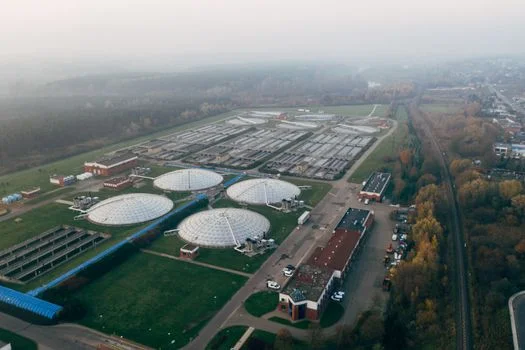
Design flow rates for Nigerian healthcare facilities must account for the 500–1,200 L/bed/day benchmark (WHO 2023), but engineers must apply a 2× peak factor to accommodate Kano’s intermittent water supply patterns. When municipal water is available, hospitals often experience a surge in laundry and cleaning activities, leading to hydraulic shock loads that can wash out a poorly designed biological system. Redundancy is not an option but a requirement; dual-train configurations allow for maintenance without halting treatment, a strategy also seen in how Bangalore hospitals tackle similar wastewater challenges.
Influent parameters in Kano hospitals are characterized by high TSS (300–800 mg/L) and fluctuating pH levels due to varying disinfectant use. To maintain compliance with NESREA standards, an underground STP for Kano’s urban hospitals is often the preferred engineering choice. These WSZ-series systems (1–80 m³/h) conserve surface land while providing natural thermal insulation for the biological process. For smaller clinics or temporary medical camps in rural areas of Kano State, containerized STPs for Kano’s rural clinics offer a "plug-and-play" solution with minimal site civil works.
| Design Spec | Value / Requirement | Engineering Rationale |
|---|---|---|
| Daily Flow (Q) | Bed count × 1,200L | Maximum WHO benchmark |
| Peak Factor | 2.0 – 2.5 | Compensates for intermittent water supply |
| HRT (MBR) | 8 – 12 Hours | Ensures degradation of pharmaceutical compounds |
| Power Backup | 100% Redundancy | Dual-source (Grid + Diesel/Solar) |
MBR vs. Conventional Systems: Which is Right for Your Kano Hospital?
The choice between MBR and Conventional Activated Sludge (CAS) in Kano is primarily driven by the hospital's available land and the strictness of effluent reuse goals. MBR systems require 60% less space than CAS because they eliminate the need for a secondary sedimentation tank and tertiary sand filters. For urban hospitals in densely populated areas like Fagge or Tarauni, the smaller footprint of an MBR is often the only viable engineering path. MBR produces effluent that is near-potable quality, making it ideal for non-potable reuse in toilet flushing or landscape irrigation within the hospital grounds.
From an operational perspective, MBR systems consume more energy (0.8–1.2 kWh/m³) than CAS (0.4–0.6 kWh/m³). However, Kano’s high average solar irradiance of 5.5 kWh/m²/day provides a significant opportunity to offset these costs through solar-hybrid power systems. While MBR membrane replacement represents a periodic CAPEX spike (₦2M–₦5M every 3–5 years), it is often offset by the reduced cost of sludge disposal and the avoidance of NESREA fines. CAS systems, while cheaper to power, require more manual intervention for sludge wasting and settling management, which can be a liability if the hospital lacks a dedicated, highly trained wastewater engineering team.
| Feature | MBR System | Conventional (CAS) |
|---|---|---|
| Footprint | Ultra-Compact (40% of CAS) | Large (Requires Clarifiers) |
| Effluent Quality | Reuse Quality (BOD <5) | Discharge Quality (BOD <20) |
| Maintenance | Automated (PLC controlled) | Manual (High Labor) |
| Power Sensitivity | High (Requires Backup) | Moderate |
Cost Breakdown: CAPEX and OPEX for Kano Hospital STPs in 2025
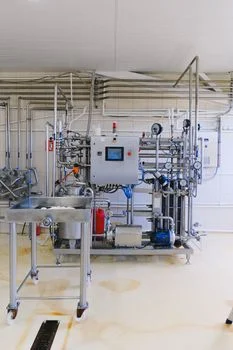
The capital expenditure (CAPEX) for a 50 m³/day hospital wastewater treatment system in Kano typically ranges from ₦15,000,000 to ₦40,000,000. This range is influenced by the choice of technology (MBR vs. CAS), the degree of automation, and the inclusion of solar power components. Procurement officers must account for a 10–15% import duty on specialized components like membranes and ClO₂ generators, as well as a 20% labor premium for skilled installation teams compared to coastal markets like Lagos.
Operating expenditure (OPEX) in Kano is heavily weighted toward energy and chemicals. Due to the reliance on diesel generators during power outages, energy costs can reach ₦500/m³ of treated water. Chemical costs for disinfection and pH adjustment average ₦100–₦300/m³. However, the return on investment (ROI) is driven by the avoidance of NESREA penalties, which range from ₦500,000 to ₦2,000,000 per violation, and the potential savings from water reuse. In Kano, where water is a scarce commodity, reusing treated effluent for irrigation can save a facility approximately ₦1,000/m³ compared to purchasing water from tankers.
| Cost Category | Estimated Range (₦) | Notes |
|---|---|---|
| CAPEX (50 m³/day) | 15M – 40M | Technology & Redundancy dependent |
| Energy (Monthly) | 200k – 500k | Assumes 30% Generator usage |
| Chemicals (Monthly) | 100k – 250k | Disinfectants & Coagulants |
| Labor (Monthly) | 150k – 300k | 24/7 monitoring staff |
Compliance Checklist: Meeting NESREA and Kano State EPA Requirements
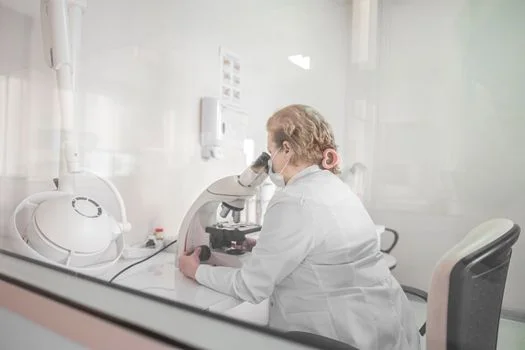
NESREA’s 2024 hospital wastewater guidelines mandate a rigorous monitoring regime to ensure public health safety. Hospitals must perform effluent testing for BOD, COD, fecal coliforms, and pH at least every three months through a certified laboratory. These results must be compiled into a self-monitoring report and submitted quarterly to the NESREA zonal office. Failure to maintain these records for at least three years can result in a "notice of non-compliance" during surprise audits.
In addition to federal standards, the Kano State Environmental Protection Agency (KASEPA) imposes specific requirements for hospitals operating advanced laboratories. This includes monthly testing for heavy metals such as lead and mercury, which are common in older medical equipment and certain reagents. For systems with a capacity exceeding 100 m³/day, an annual Environmental Impact Assessment (EIA) update is required. Non-compliance typically triggers a tiered penalty system: an initial fine of ₦500,000, followed by ₦2,000,000 for repeated violations, and eventually, the sealing of the facility (per NESREA enforcement cases, 2023).
- Quarterly Testing: BOD, COD, TSS, and Fecal Coliforms.
- Monthly Testing: pH, Residual Chlorine, and Heavy Metals (if lab present).
- Documentation: Maintain a 3-year logbook of all test results and maintenance activities.
- Reporting: Submit quarterly self-monitoring reports to NESREA/KASEPA.
- Certification: Ensure the STP operator holds a valid Nigerian environmental certification.
Frequently Asked Questions
What are the NESREA standards for hospital wastewater in Kano?
NESREA’s 2024 guidelines (NESREA/NG/2024/001) require hospital effluent to meet <10 mg/L BOD, <30 mg/L COD, and <1,000 CFU/100mL fecal coliforms. Kano State EPA may also enforce additional limits on heavy metals like lead and mercury for hospitals with clinical laboratories.
How much does a hospital wastewater treatment system cost in Kano?
CAPEX for a 50 m³/day system ranges from ₦15M to ₦40M ($10K–$25K). OPEX typically fluctuates between ₦500 and ₦1,200 per cubic meter, depending on the local cost of diesel for generators and the price of imported treatment chemicals.
What’s the best treatment technology for Kano’s power outages?
MBR systems paired with solar-hybrid power are the most reliable. For disinfection, Chlorine Dioxide (ClO₂) generators are preferred over UV or liquid chlorine because they maintain a residual kill effect and are less sensitive to the intermittent power fluctuations common in Kano.
Can treated hospital wastewater be reused in Kano?
Yes. Effluent from MBR systems generally meets WHO reuse guidelines for irrigation and toilet flushing (<1,000 CFU/100mL fecal coliforms). This is a significant cost-saving measure for Kano hospitals facing water scarcity.
What happens if my hospital fails a NESREA inspection?
Penalties start at ₦500,000 and can escalate to ₦2,000,000 for subsequent violations. In cases of severe environmental contamination, NESREA and KASEPA have the legal authority to shut down the hospital until a compliant treatment system is commissioned.