Etching Wastewater Treatment by Chemical Precipitation: 2026 Engineering Specs, Cost Models & Zero-Risk Compliance
Chemical precipitation is the most widely adopted method for etching wastewater treatment, achieving 95–99% copper removal and 85–95% COD reduction at pH 8–10 (per EPA 2025 benchmarks). For PCB and semiconductor plants, 2026 CAPEX ranges from $80,000 for small batch systems to $3M for continuous-flow plants with metal recovery, while OPEX averages $0.30–$1.20/m³—30–50% lower than electrochemical alternatives for high-metal loads (>1,000 mg/L Cu).
Why Etching Wastewater Demands Specialized Chemical Precipitation
Etching wastewater typically contains 500–5,000 mg/L copper, significantly exceeding the <50 mg/L found in municipal wastewater, necessitating specialized treatment methods. This high concentration of heavy metals, alongside other contaminants like nickel, chromium, tin, and lead, classifies etching wastewater as hazardous waste under stringent regulations such as EPA 40 CFR Part 469 and EU Directive 2008/98/EC. Untreated discharge can lead to severe environmental penalties and operational shutdowns for PCB manufacturing wastewater and semiconductor wastewater treatment facilities.
The extreme pH levels inherent in etching processes, ranging from 1–3 for acid etching to 10–12 for alkaline solutions, further complicate treatment. Neutralizing these pH extremes requires 3–5 times more chemical reagents than typical industrial wastewater streams, increasing the operational expenditure (OPEX) by 40–70% (HydropureWater field data, 2025). The solubility of heavy metals is highly dependent on pH; for instance, copper, a primary contaminant in "copper wastewater treatment" from etching, exhibits minimum solubility as copper hydroxide (Cu(OH)₂) within a narrow pH range of 8–10. Deviations outside this range can lead to incomplete precipitation or even resolubilization, failing to meet discharge limits. Other common etching contaminants like nickel (Ni), chromium (Cr), tin (Sn), and lead (Pb) also have specific optimal pH ranges for effective heavy metal precipitation.
For example, a PCB plant in Shenzhen faced substantial fines due to copper discharge exceeding 3,000 mg/L. By implementing a robust chemical precipitation system, the facility successfully reduced its copper effluent to <0.5 mg/L, avoiding approximately $250,000/year in regulatory penalties and demonstrating the critical role of targeted "etching wastewater treatment by chemical precipitation".
Chemical Precipitation for Etching Wastewater: Step-by-Step Process Parameters
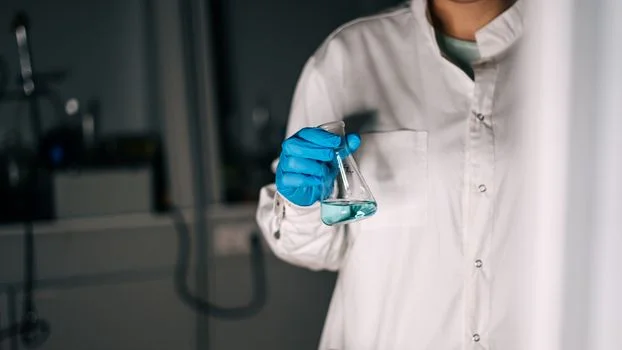
Effective chemical precipitation for etching wastewater relies on precise control of reagent dosing, pH, and reaction times to maximize metal removal and minimize sludge volume. The process typically involves several key stages, each with specific parameters critical for optimal performance.
Reagent Selection and Dosage
For copper removal, sodium hydroxide (NaOH) is the primary alkali used to adjust pH to the optimal range of 8–10, with typical dosages ranging from 0.5–2.0 kg NaOH/m³ of wastewater, depending on initial acidity. For mixed metal streams, calcium hydroxide (Ca(OH)₂) can be a cost-effective alternative. Following pH adjustment, polymers, such as polyacrylamide, are introduced to promote flocculation, aggregating precipitated metal hydroxides into larger, settleable flocs. Polymer dosages typically range from 0.1–0.3 kg/m³ (per 2025 EPA benchmarks). Precise control of these additions is crucial, often managed by PLC-controlled chemical dosing systems for precise pH adjustment and reagent injection.
Optimal pH Ranges for Metal Precipitation
The solubility of metal hydroxides varies significantly with pH. For copper, the minimum solubility of Cu(OH)₂ occurs between pH 8 and 10. Below pH 8, copper remains largely soluble, while above pH 10, the formation of soluble copper complexes (e.g., Cu(OH)₄²⁻) can lead to resolubilization. Other common metals found in etching wastewater also have specific optimal pH ranges:
- Copper (Cu): 8–10 pH
- Nickel (Ni): 9–11 pH
- Chromium (Cr): 7–9 pH (for Cr(OH)₃)
- Tin (Sn): 6–8 pH
Maintaining these pH windows is critical for achieving high removal efficiencies. A typical pH vs. solubility curve for copper hydroxide shows a sharp decrease in solubility as pH rises from 4 to 8, reaching a minimum around pH 9, then gradually increasing again above pH 10.
Reaction and Settling Times
The precipitation reaction, where metal ions react with hydroxide to form insoluble hydroxides, typically requires 15–30 minutes of rapid mixing. This is followed by a flocculation stage, involving gentle mixing for 30–60 minutes to encourage floc growth. Finally, sedimentation, where the flocs settle out, typically requires 2–4 hours in conventional clarifiers. However, the use of compact lamella clarifiers for sedimentation and sludge separation can significantly reduce the required footprint by up to 70% while maintaining efficient solids removal.
Sludge Production and Dewatering
Chemical precipitation generates a substantial volume of sludge, typically 0.5–1.2 kg dry solids per cubic meter of wastewater treated, with an initial water content of 95–98%. Efficient sludge dewatering is essential to manage disposal costs. Reducing water content to 30–40% solids using technologies like plate-and-frame filter presses for sludge dewatering to 30–40% solids can decrease sludge disposal volumes by 40–60%, resulting in significant cost savings for "sludge dewatering for etching wastewater".
Common Pitfalls
Engineers must guard against common issues such as pH overshoot, which can lead to metal resolubilization and regulatory non-compliance. Inadequate flocculation, often due to incorrect polymer dosage or mixing intensity, results in fine particle carryover and turbid effluent. Regular monitoring and system optimization are vital to prevent these operational challenges.
| Parameter | Typical Range for Etching Wastewater (Cu Focus) | Notes |
|---|---|---|
| Initial pH | 1–3 (acid etching), 10–12 (alkaline etching) | Requires significant neutralization |
| Target Precipitation pH | 8–10 (for Copper) | Optimal for Cu(OH)₂ formation; varies for other metals |
| Primary Reagent (pH adj.) | NaOH, Ca(OH)₂ | NaOH for precise control, Ca(OH)₂ for cost-effectiveness |
| NaOH Dosage | 0.5–2.0 kg/m³ | Depends on initial pH and wastewater volume |
| Flocculant (Polymer) Type | Anionic/Non-ionic polyacrylamide | Aids in aggregation of precipitates |
| Polymer Dosage | 0.1–0.3 kg/m³ | Optimized through jar testing |
| Rapid Mix Time (Precipitation) | 15–30 minutes | Ensures complete reagent dispersion and reaction |
| Flocculation Time (Gentle Mix) | 30–60 minutes | Promotes floc growth for better settling |
| Sedimentation Time (Clarifier) | 2–4 hours (conventional), <1 hour (lamella) | Achieves solids-liquid separation |
| Sludge Production (Dry Solids) | 0.5–1.2 kg/m³ wastewater | Volume depends on metal concentration and dewatering efficiency |
| Sludge Water Content (Raw) | 95–98% | High water content necessitates dewatering |
| Sludge Solids Content (Dewatered) | 30–40% | Achievable with filter presses, reduces disposal costs |
Chemical Precipitation vs. Alternatives: Which Technology Fits Your Etching Wastewater?
Selecting the optimal "etching wastewater treatment by chemical precipitation" technology involves evaluating cost, efficiency, footprint, and specific contaminant profiles against alternative methods. While chemical precipitation is robust for high metal loads, other technologies like electrochemical precipitation, Membrane Bioreactors (MBR), and Reverse Osmosis (RO) offer distinct advantages for specific applications.
Chemical precipitation excels for high-metal loads, typically >1,000 mg/L copper, achieving 95–99% removal efficiency at an attractive OPEX of $0.30–$1.20/m³. Its primary drawback is the significant sludge production, which requires further dewatering and costly hazardous waste disposal. In contrast, electrochemical precipitation (EP) offers a greener alternative by reducing sludge volume by up to 70% and often allowing for metal recovery, particularly for copper. However, EP systems generally incur higher OPEX, ranging from $1.50–$2.50/m³, due to energy consumption and frequent electrode replacement. For advanced "semiconductor wastewater treatment" demanding extremely low COD and metal concentrations, MBR integrated wastewater treatment and reverse osmosis (RO) water purification can achieve superior effluent quality, often <10 mg/L COD and sub-mg/L metal levels, making them suitable for water reuse applications. However, MBR and RO systems are 2–3 times more expensive in terms of CAPEX and OPEX, and are highly susceptible to fouling by the high suspended solids and metal precipitates characteristic of etching wastewater, necessitating extensive pretreatment.
| Technology | CAPEX (2026 est.) | OPEX (2026 est.) | Copper Removal (%) | COD Removal (%) | Footprint | Sludge Production | Payback Period |
|---|---|---|---|---|---|---|---|
| Chemical Precipitation | $80k - $3M | $0.30 - $1.20/m³ | 95–99% | 85–95% | Medium-Large | High (0.5-1.2 kg DS/m³) | 3-5 years (basic), 1-2 years (metal recovery) |
| Electrochemical Precipitation (EP) | $200k - $5M | $1.50 - $2.50/m³ | 90–98% | 70–85% | Small-Medium | Low (70% less than chemical) | 2-4 years (with metal recovery) |
| Membrane Bioreactor (MBR) | $1M - $8M | $1.50 - $3.00/m³ | 80–95% (with pretreatment) | >95% (<10 mg/L effluent) | Small | Low (biological sludge) | 5-8 years |
| Reverse Osmosis (RO) | $500k - $10M | $2.00 - $4.00/m³ | >99% (with pretreatment) | >98% (<5 mg/L effluent) | Medium | Concentrate stream (high TDS) | 5-10 years |
Use-Case Matching:
- Chemical Precipitation: Ideal for "PCB manufacturing wastewater" and "semiconductor wastewater treatment" with high initial metal concentrations (>1,000 mg/L Cu) in both batch and continuous-flow operations, especially where cost-effectiveness and robust metal removal are priorities, even with sludge generation.
- Electrochemical Precipitation: Best suited for continuous-flow systems seeking reduced sludge volume and potential metal recovery, justifying a higher "industrial wastewater OPEX" for environmental benefits.
- MBR/RO: Recommended for facilities aiming for advanced water reuse and zero liquid discharge (ZLD) strategies, where stringent effluent quality (<10 mg/L COD) is paramount, and significant capital investment can be justified by long-term water savings, provided adequate pretreatment is in place to manage etching wastewater characteristics.
2026 Cost Models: CAPEX, OPEX, and Payback for Chemical Precipitation Systems
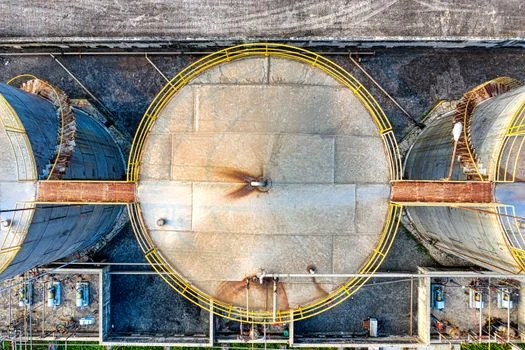
Understanding the financial implications of "etching wastewater treatment by chemical precipitation" is crucial for procurement teams and plant managers. The total cost encompasses both Capital Expenditure (CAPEX) for system installation and Operational Expenditure (OPEX) for ongoing maintenance and consumables, with payback periods influenced by metal recovery and avoided compliance fines.
CAPEX Breakdown:
- Batch Systems (1–10 m³/h): For smaller PCB or semiconductor facilities, CAPEX typically ranges from $80,000 to $150,000. This includes reaction tanks, chemical dosing pumps, clarifiers, and basic controls.
- Continuous-Flow Systems (10–200 m³/h): Larger facilities requiring continuous processing, especially those incorporating advanced metal recovery (e.g., electrolytic recovery of copper), can expect CAPEX to range from $500,000 to $3M. These systems often include automated controls, multiple reaction stages, high-efficiency clarifiers, and plate-and-frame filter presses for sludge dewatering to 30–40% solids.
These figures cover equipment, installation, and commissioning, but exclude land acquisition or extensive civil works.
OPEX Components:
The average "industrial wastewater OPEX" for chemical precipitation systems typically falls between $0.30–$1.20/m³, broken down as follows:
- Reagents: $0.10–$0.50/m³. This is the largest component, primarily for pH adjustment chemicals (NaOH, H₂SO₄) and flocculants.
- Energy: $0.05–$0.20/m³. For mixing, pumping, and dewatering equipment.
- Sludge Disposal: $0.10–$0.40/m³. Costs for transporting and disposing of dewatered hazardous sludge, highly variable by region and landfill fees.
- Labor: $0.05–$0.10/m³. For operation, monitoring, and maintenance.
Payback Period and Cost-Saving Strategies:
The payback period for a chemical precipitation system can vary significantly. Systems incorporating valuable metal recovery, such as electrolytic copper recovery (which can fetch around $8,000/ton for recovered copper), often see a rapid return on investment within 12–24 months. For basic systems focused solely on compliance, payback periods typically range from 3–5 years, driven by avoided fines and reduced disposal costs compared to raw discharge.
Several strategies can further reduce OPEX and improve ROI:
- Closed-Loop Acid Recovery: Implementing "closed-loop acid recovery" for spent etching baths can achieve up to 90% reagent savings by regenerating etching solutions, drastically cutting neutralization chemical costs.
- Sludge Dewatering: As mentioned, dewatering sludge to 30–40% solids reduces disposal costs by 40–60% compared to liquid sludge.
- Automation: Advanced automation in chemical dosing and process control can reduce labor costs by up to 30% and ensure consistent performance, minimizing errors and re-treatment needs.
A simple ROI calculator formula for assessing system viability is: (Annual savings from metal recovery + avoided fines) / (CAPEX + annual OPEX)
This provides a clear financial justification for investing in robust "etching wastewater treatment by chemical precipitation" solutions.
Compliance Strategies: Meeting EPA 40 CFR Part 469 and EU Directives for Etching Wastewater
Ensuring that "etching wastewater treatment by chemical precipitation" systems meet stringent regulatory requirements is paramount for environmental managers in PCB and semiconductor manufacturing. Non-compliance can lead to substantial fines, operational restrictions, and reputational damage.
In the United States, "EPA 40 CFR Part 469 compliance" sets specific effluent limitations for the electrical and electronic components point source category. For facilities discharging to a Publicly Owned Treatment Works (POTW), typical monthly average limits include copper <3.38 mg/L, nickel <3.98 mg/L, and chromium <2.77 mg/L. Well-designed chemical precipitation systems are capable of achieving these limits with 95–99% removal efficiency for heavy metals, provided optimal pH control and flocculation are maintained.
In the European Union, the Industrial Emissions Directive 2010/75/EU mandates the use of Best Available Techniques (BAT) for industrial installations, including metal finishing processes. For "heavy metal precipitation," this typically involves chemical precipitation followed by efficient solids separation and sludge dewatering. The directive aims to prevent and control pollution across the EU, with specific emphasis on reducing heavy metal discharges. Facilities must demonstrate that their treatment systems reflect the latest advancements in pollution control and resource efficiency, such as those discussed in regional compliance strategies for industrial wastewater treatment.
Sampling and Monitoring:
To ensure continuous compliance, robust monitoring programs are essential. This includes:
- Continuous Monitoring: Real-time pH and turbidity monitoring of the effluent, often with automated alarms for excursions.
- Weekly Metal Analysis: Regular sampling and analysis of treated effluent for target metals (e.g., copper, nickel, chromium) using methods like Inductively Coupled Plasma – Optical Emission Spectrometry (ICP-OES) to confirm removal efficiencies.
- Quarterly Toxicity Testing: Bioassay tests (e.g., Daphnia magna or rainbow trout) to assess the acute and chronic toxicity of the treated effluent, ensuring no harmful byproducts are discharged.
Recordkeeping:
Detailed records are a cornerstone of compliance. Facilities must maintain comprehensive logs of reagent usage, pH adjustments, sludge production volumes, and all effluent quality analyses. The EPA typically requires these records to be kept for a minimum of 3 years, while EU regulations often extend this to 5 years.
Common Violations and Prevention:
- pH Excursions: Discharging outside the permitted pH range (typically 6–9 for industrial discharge) is a common violation. This can be prevented by implementing redundant pH sensors and automated chemical dosing systems with fail-safe mechanisms.
- Copper Carryover: High copper concentrations in the discharge often indicate inefficient flocculation or sedimentation. Regularly checking polymer dosage, mixing speeds, and clarifier performance is crucial.
- Sludge Mismanagement: Improper disposal or classification of hazardous sludge can lead to severe penalties. Ensure all sludge is characterized, dewatered, and disposed of according to local hazardous waste regulations.
Frequently Asked Questions

Navigating the complexities of "etching wastewater treatment by chemical precipitation" often leads to specific technical and operational questions. Here are answers to some common inquiries from engineers and plant managers:
What is the optimal pH for copper precipitation in etching wastewater?
The optimal pH for copper precipitation in etching wastewater is typically between 8–10 pH. In this range, copper hydroxide (Cu(OH)₂) solubility is minimized, with a very low solubility product constant (Ksp = 2.2 × 10⁻²⁰). Operating within this pH window ensures maximum copper removal efficiency.
How much sludge does chemical precipitation produce per cubic meter of etching wastewater?
Chemical precipitation typically produces 0.5–1.2 kg of dry solids per cubic meter of etching wastewater treated. This raw sludge has a high water content, usually 95–98%. Dewatering this sludge to 30–40% solids content using a plate-and-frame filter press can reduce disposal volumes and associated costs by 40–60%.
Can chemical precipitation remove other metals like nickel and chromium?
Yes, chemical precipitation can effectively remove other heavy metals commonly found in etching wastewater, such as nickel and chromium. However, the optimal pH for their precipitation varies: nickel precipitates best at 9–11 pH, while chromium (as Cr(OH)₃) is best removed at 7–9 pH. For multi-contaminant streams, sequential precipitation stages or careful pH management in a mixed-metal system may be required to optimize removal for all target metals. For specific considerations regarding "chemical precipitation for phosphorus removal in industrial wastewater", further details can be found here.
What are the signs of poor flocculation in a chemical precipitation system?
Signs of poor flocculation include turbid effluent (>50 NTU), visible carryover of fine, unsettled particles into the clarifier overflow, and consistently high metal concentrations in the discharge that exceed permitted limits. These issues indicate that the precipitated metal hydroxides are not agglomerating effectively. Solutions often involve optimizing polymer dosage, adjusting mixing speed (gentle mixing is key for floc growth), or, in some cases, adding a second flocculation stage.
Is chemical precipitation compatible with water reuse systems?
Yes, chemical precipitation is compatible with water reuse systems as a primary treatment step, effectively removing the bulk of heavy metals and suspended solids. However, chemical precipitation alone typically achieves 85–95% COD removal and may not meet the stringent quality requirements for direct water reuse. Additional polishing steps, such as MBR integrated wastewater treatment or reverse osmosis (RO) water purification, are usually necessary downstream to achieve reuse-quality effluent, which often requires COD levels <10 mg/L and ultra-low dissolved solids.