Compact sewage treatment unit failures frequently manifest as blower overheating due to low dissolved oxygen (DO <1.0 mg/L), clogged aeration diffusers, problematic sludge carryover, or excessive foaming from surfactants. HydropureWater's field data indicates that 68% of these operational issues originate from inadequate pretreatment or overlooked routine maintenance. This guide provides immediate, data-backed fixes such as targeted diffuser cleaning, hydraulic load balancing, and continuous oxygen monitoring, offering a comprehensive diagnostic protocol to restore optimal system performance.
Why Compact Sewage Units Fail: Unique Risks of Small-Scale Systems
Compact sewage treatment units experience accelerated failure rates compared to conventional plants due to their inherent design constraints and operational sensitivities. These systems, such as HydropureWater's WSZ series compact underground sewage treatment unit with A/O process, operate efficiently at capacities ranging from 1 to 80 m³/h. However, their highly automated nature often lacks manual override, making them acutely vulnerable to sudden and significant load changes from industrial or institutional processes.
Smaller aeration tanks possess reduced buffering capacity, a critical limitation in managing influent variability. Dissolved oxygen (DO) levels can plummet below 1.0 mg/L in under two hours during peak organic overload, as per Hydrotech data. This rapid DO depletion severely stresses the biological processes, leading to inefficient treatment and potential system upset. the typical hydraulic retention time (HRT) of 6–8 hours in compact units, compared to 12+ hours in conventional facilities, means they are inherently more sensitive to influent quality fluctuations and require precise operational control.
Their buried or containerized designs, while space-saving and aesthetically discreet, significantly restrict access for routine maintenance and emergency repairs. This limited accessibility is a major factor in increasing the Mean Time To Repair (MTTR) by an estimated 30–50% compared to more accessible, open-basin plants. This combination of tight operational margins, rapid response to load changes, and restricted access makes proactive troubleshooting and data-backed interventions crucial for maintaining the reliability of small wastewater systems.
Symptom 1: Low Dissolved Oxygen and Blower Overheating
Persistent dissolved oxygen (DO) levels below 1.0 mg/L for more than one hour in a compact sewage unit directly indicate severe system stress and often lead to blower overheating. While brief DO fluctuations, lasting only a few minutes, are generally acceptable, prolonged periods below 1.0 mg/L signify compromised aerobic biological activity, as confirmed in Hydrotech's analysis of common WWTP problems. Such conditions hinder the effective breakdown of pollutants and can cause a rapid decline in effluent quality.
The primary causes for critically low DO include clogged aeration diffusers, which are responsible for approximately 80% of aeration system failures in compact units due to biofilm accumulation or physical debris. Undersized blowers contribute to about 12% of issues, struggling to meet oxygen demand, especially during peak loads. A sudden organic overload, causing a 25% spike in biochemical oxygen demand (BOD) beyond the design capacity, can also rapidly deplete available oxygen.
Diagnostic step: To diagnose, first shut down the aeration system and visually inspect diffusers for biofilm accumulation or physical debris. Concurrently, measure the inlet BOD/COD ratio; a value exceeding 0.5 strongly suggests a shock organic load. For blower-related issues, check motor amperage and temperature against manufacturer specifications.
Fix: Clean clogged diffusers by soaking them in a 10% HCl solution for two hours, followed by thorough rinsing. For blower-related issues, recalibrate the blower's Variable Frequency Drive (VFD) to ensure a consistent DO range of 1.5–2.5 mg/L is maintained throughout the aeration basin. In cases of organic overload, temporarily reduce influent flow or consider chemical oxygen supplementation if immediate load reduction is not feasible. For more insights on aeration, consult a detailed troubleshooting guide for package sewage treatment plants.
| Symptom (DO <1.0 mg/L) | Primary Cause | Diagnostic Threshold | Corrective Action | Estimated MTTR |
|---|---|---|---|---|
| Low DO, Blower Overheating | Clogged Diffusers | DO <1.0 mg/L for >1 hr | 10% HCl soak (2 hrs) | 4-8 hours |
| Low DO, Blower Overheating | Undersized Blower | Blower running at max capacity, DO still low | VFD recalibration, potential upgrade | 8-24 hours (recalibration) |
| Low DO, Blower Overheating | Organic Overload | Inlet BOD/COD ratio >0.5 | Load balancing, chemical supplementation | 12-48 hours |
Symptom 2: Sludge Carryover and Settling Tank Overflow
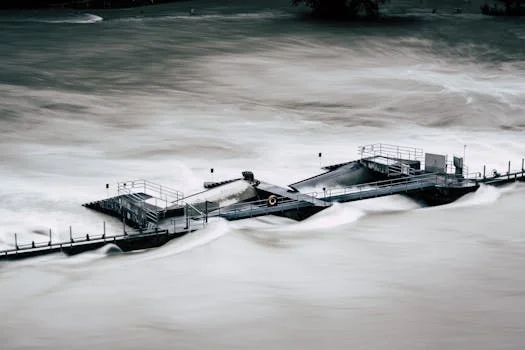
Sludge carryover from the secondary clarifier, often accompanied by settling tank overflow, typically indicates either hydraulic overload or a biological imbalance, particularly in compact units with limited sludge handling flexibility. This issue commonly occurs when Mixed Liquor Suspended Solids (MLSS) concentrations exceed 5,000 mg/L or the Sludge Volume Index (SVI) rises above 150 mL/g, both indicative of poor sludge settling characteristics—a frequent problem in compact units lacking precise sludge wasting controls.
Diagnostic step: Verify the Return Activated Sludge (RAS) pump rate; it should ideally maintain 50–100% of the influent flow. A RAS rate exceeding 120% of influent flow can induce excessive turbulence in the clarifier, leading to sludge washout and overflow. If the settled sludge appears filamentous or stringy upon visual inspection (often seen in a 30-minute settleability test), test the Food-to-Microorganism (F/M) ratio. An F/M ratio below 0.2 often indicates an underloading condition, which promotes the growth of filamentous bacteria, leading to sludge bulking.
Fix: Adjust the RAS rate to the optimal 50–100% range to minimize clarifier turbulence. Increase sludge wastage to maintain MLSS concentrations between 2,500–4,000 mg/L, which improves settling. For acute bulking events, consider temporary polymer dosing at 5–10 mg/L for 48 hours to improve flocculation and settling. Effective sludge management, often involving dewatering equipment like a plate and frame filter press, is crucial for maintaining optimal MLSS and preventing carryover.
Symptom 3: Reduced Flow and System Clogging
A reduction in system flow exceeding 20% of the design capacity is a strong indicator of a physical blockage within the compact wastewater treatment unit, frequently occurring in pretreatment stages or internal piping. These blockages can rapidly escalate, leading to hydraulic backups, reduced treatment efficiency, and potential equipment damage if not addressed promptly.
Initial inspection points for flow reduction include bar screens, pump impellers, and distribution weirs, as these are common accumulation sites for rags, plastics, and other debris in industrial wastewater. HydropureWater's internal case data shows that installing HydropureWater's GX Series rotary mechanical bar screen for automatic pretreatment can reduce system clogging by up to 70% compared to facilities relying on manual rakes, significantly improving uptime and reducing manual intervention.
Diagnostic step: For blockages in submerged or inaccessible pipes, deploy an endoscopic camera to accurately locate the obstruction without requiring extensive system disassembly. Once identified, clear the blockage using high-pressure water jets (≥2,000 psi) to dislodge accumulated solids. For pump impellers, ensure power is locked out before manual inspection and removal of tangled debris.
Prevention: Implement a robust pretreatment strategy by installing a 6 mm bar screen upstream of the compact unit to intercept larger solids before they can enter and clog the main system. Schedule weekly inspections and cleaning of all mechanical rakes, and regularly check pump performance curves for deviations indicating impeller wear or partial blockages. Proactive screening and routine inspection are paramount for maintaining consistent flow.
Symptom 4: Foaming and Sudsing in the Aeration Chamber
The presence of excessive foaming or sudsing in the aeration chamber signals either a high surfactant load in the influent or the proliferation of specific filamentous organisms like Nocardia. Identifying the type of foam is crucial for effective treatment, as each requires a different approach to mitigation.
Visibly sudsy water, often accompanied by a clean, soapy smell and quickly dissipating, directly points to a significant influx of surfactants. This is a common occurrence in effluent from facilities such as hospitals, laundries, or food processing plants, where detergents and cleaning agents are heavily used. Conversely, a persistent, white, stable foam with a distinct earthy or musty odor strongly suggests the presence of filamentous bacteria, particularly Nocardia, which thrive under certain operational conditions like low F/M ratios or high grease loads.
Fix: If surfactant-induced, the primary corrective action is to reduce the influent detergent load at the source. For chronic issues, consider installing HydropureWater's Dissolved Air Flotation (DAF) machine for efficient removal of fats, oils, greases (FOG), and surfactants upstream of the biological process. For Nocardia-related foaming, a targeted chlorination regimen for 5–7 days at a 5 mg/L residual concentration in the return activated sludge line is often effective. Automated foam control spray systems, typically featuring 2–3 nozzles per tank operating at 5 psi and activated by level sensors, can also provide immediate, localized suppression until the root cause is addressed.
Preventive Maintenance to Avoid Repeat Failures
Implementing a structured preventive maintenance schedule can reduce unplanned downtime in compact sewage treatment units by up to 60%, significantly extending equipment lifespan and ensuring consistent effluent quality. Proactive maintenance is not merely about fixing problems but about predicting and preventing them, especially given the rapid escalation of issues in small-scale systems.
- Blowers: Perform oil changes every 2,000 operating hours. Conduct monthly vibration checks, setting an alarm threshold at >4 mm/s RMS to detect impending mechanical failure due to bearing wear or impeller imbalance.
- Diffusers: Schedule chemical cleaning every three months to prevent biofilm buildup and maintain optimal oxygen transfer efficiency. Plan for diffuser replacement approximately every five years, or after 40,000 operating hours, whichever comes first, as membrane elasticity degrades over time.
- Pumps: Inspect seals and impellers quarterly for wear, cavitation damage, or debris accumulation. Motor bearings typically have a lifespan of around 30,000 operating hours and should be part of a proactive replacement program to avoid catastrophic failure.
- Automated Systems: While systems like HydropureWater's WSZ series underground sewage treatment systems reduce daily labor requirements, they necessitate regular checks of Programmable Logic Controller (PLC) backups and sensor calibrations. Test PLC functionality and sensor accuracy every six months to prevent control system failures that can lead to process upsets.
| Component | Maintenance Task | Frequency | Estimated MTBF Improvement | Cost Savings Potential |
|---|---|---|---|---|
| Blowers | Oil change, vibration check | 2,000 hrs / Monthly | +40% | 15-20% (reduced repairs) |
| Diffusers | Chemical cleaning, replacement | 3 months / 5 years | +50% | 20-25% (energy, efficiency) |
| Pumps | Seal/impeller inspection, bearing replacement | Quarterly / 30,000 hrs | +35% | 10-15% (reduced downtime) |
| PLC/Sensors | Backup check, calibration | 6 months | +60% | 25-30% (process stability) |
Frequently Asked Questions
Technicians and plant operators frequently encounter specific questions regarding the diagnosis and resolution of common operational issues in compact sewage treatment units. Addressing these common queries directly can streamline troubleshooting efforts and minimize downtime.
- What causes low oxygen in a compact sewage unit? Low oxygen (DO <1.0 mg/L) is primarily caused by clogged diffusers, blower mechanical failure, or a sudden organic overload exceeding the system's aerobic capacity.
- How often should I clean the aeration system? Aeration diffusers should be chemically cleaned every three months, or immediately if dissolved oxygen levels drop by more than 30% from their established baseline, indicating significant fouling.
- Why is sludge overflowing the clarifier? Sludge overflow typically indicates excessively high Mixed Liquor Suspended Solids (MLSS), poor sludge settling characteristics (SVI >150 mL/g), or an imbalance in the Return Activated Sludge (RAS) pump rate.
- Can I fix foaming without chemicals? Yes, foaming can often be mitigated without chemicals by reducing the inflow of surfactants at the source or by installing a Dissolved Air Flotation (DAF) pre-treatment unit to physically remove foam-causing agents.
- What’s the MTTR for a clogged compact unit? The Mean Time To Repair (MTTR) for a clogged compact unit ranges from 4–8 hours if necessary tools and spare parts are readily available on-site; however, it can extend up to 48 hours with procurement or access delays. For additional troubleshooting insights, consult related industrial troubleshooting guides and resources for broader operational insights.