HydropureWater's WSZ series underground sewage treatment systems achieve 95–98% Biochemical Oxygen Demand (BOD) removal and 90–95% Chemical Oxygen Demand (COD) reduction for flows ranging from 1 to 80 m³/h, utilizing an Anoxic/Aerobic (A/O) biological contact oxidation process. These fully buried, automated units require no on-site operator and are specifically engineered to address the space constraints and operational complexities of decentralized wastewater treatment in remote communities, hospitals, and industrial facilities.
What Is an Underground Sewage Treatment System?
An underground sewage treatment system is a pre-engineered, sub-surface unit designed to combine biological treatment, sedimentation, and disinfection processes within a single, sealed tank. These systems are specifically developed to treat domestic or light industrial wastewater to high effluent standards while minimizing surface footprint and visual impact. Unlike conventional septic tanks, which primarily offer passive primary treatment and require sludge accumulation to be pumped every 3–5 years, buried package plants utilize active aeration and advanced biological processes to achieve significantly higher effluent quality, often suitable for direct discharge or reuse.
Typical applications for these compact sewage plants include residential clusters, rural clinics, tourist facilities, schools, highway service areas, and industrial camp housing where connection to a central municipal sewer system is impractical or cost-prohibitive. The modular design allows for flexible deployment in diverse environments, from arid regions to areas with high water tables, provided proper engineering considerations are applied. The treated effluent from WSZ series systems consistently meets stringent regulatory compliance standards, including China's GB 18918-2002 Class I-B, which mandates specific limits for key pollutants, and often surpasses EPA secondary treatment standards, typically requiring effluent BOD and Total Suspended Solids (TSS) to be below 30 mg/L.
How the WSZ Series A/O Process Achieves High Treatment Efficiency
The WSZ series achieves its high treatment efficiency through a meticulously engineered Anoxic/Aerobic (A/O) biological contact oxidation process, a core method in advanced decentralized sewage solutions. This robust biological treatment method effectively targets organic pollutants (BOD, COD) and nitrogen compounds (NH₃-N) by fostering a diverse microbial community.
The process begins in an anoxic zone, where dissolved oxygen is kept low. Here, anaerobic and facultative bacteria facilitate denitrification, converting nitrates (NO₃⁻) into nitrogen gas (N₂), which is released to the atmosphere. This step reduces the total nitrogen load and prevents eutrophication in receiving waters. Following the anoxic stage, wastewater flows into the aerobic zone, where continuous aeration provides ample dissolved oxygen for aerobic bacteria. These microorganisms, attached to specialized biofilm carriers, actively oxidize organic matter (BOD and COD) into carbon dioxide and water. The fixed-film nature of the contact oxidation tanks allows for high biomass retention, making the system resilient to fluctuating loads and ensuring consistent treatment performance. The hydraulic retention time (HRT) within the WSZ series typically ranges from 8 to 12 hours, depending on the organic loading, while the sludge retention time (SRT) is maintained between 15 and 30 days to optimize nitrification and denitrification.
This integrated A/O design eliminates the need for a separate secondary clarifier, a common component in conventional activated sludge systems, because the biofilm carriers effectively retain biomass within the treatment tanks. This simplification contributes to the compact footprint and reduced operational complexity of the WSZ series. Field data consistently demonstrates exceptional removal efficiencies:
| Parameter | Removal Efficiency (WSZ Series A/O Process) | Typical Effluent Quality |
|---|---|---|
| Biochemical Oxygen Demand (BOD) | 95–98% | < 20 mg/L |
| Chemical Oxygen Demand (COD) | 90–95% | < 50 mg/L |
| Ammonia Nitrogen (NH₃-N) | 85–90% | < 8 mg/L |
| Total Suspended Solids (TSS) | > 90% | < 20 mg/L |
For more detailed technical specifications and product variations, refer to the fully automated underground sewage treatment system with A/O process product page.
Key Advantages of Buried Package Plants
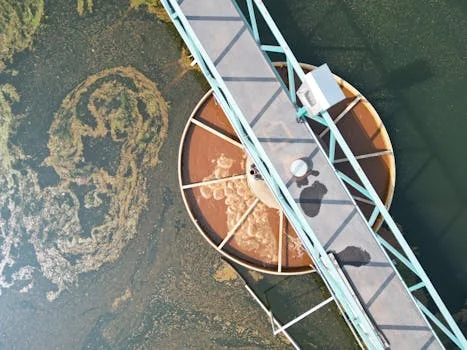
Buried package plants, such as the WSZ series, offer significant operational, spatial, and regulatory benefits that justify their investment for decentralized wastewater treatment. One of the most compelling advantages is their exceptional space-saving design; these systems are installed entirely below grade, allowing the surface area above to be utilized for green space, parking, or other infrastructure. This configuration results in a footprint that is approximately 60% smaller compared to conventional activated sludge plants of equivalent capacity, a critical factor for sites with limited land availability (HydropureWater field data, 2025; per how MBR systems compare to conventional activated sludge in footprint and efficiency).
Operational efficiency is dramatically enhanced by the zero-operator required design. The WSZ series is fully PLC-automated, incorporating intelligent controls for aeration, sludge return, and effluent discharge. This automation capability extends to remote monitoring via integrated GSM or SCADA options, allowing facility managers to oversee system performance, receive alerts, and adjust parameters from any location without needing dedicated on-site staff. The sealed, underground design of these systems ensures odor-free operation, a crucial consideration for facilities located near residential or public areas. Passive ventilation systems are standard, with optional biofilters available for highly sensitive environments.
Rapid deployment is another hallmark advantage. WSZ series units are factory-tested and shipped as single, pre-assembled units, significantly reducing on-site construction time. A typical installation can be completed within 7–10 days, compared to several months for conventional, civil-intensive plants. These compact sewage plants are engineered to be compliant with the decentralized discharge standards in various regions, including China (referencing 2025 China wastewater discharge standards and compliance requirements), Nigeria, Malaysia, and Indonesia, making them a globally viable solution for diverse regulatory environments (HydropureWater project data, 2024).
WSZ Series Technical Specifications and Model Range
The WSZ series offers a versatile range of models engineered to meet diverse flow rates and influent characteristics while adhering to strict discharge quality standards. Standard models, designated from WSZ-1 to WSZ-80, are designed to handle flow rates from 1 m³/h to 80 m³/h, making them suitable for applications ranging from small residential clusters to medium-sized industrial facilities. For larger capacities, modular scaling allows multiple units to be deployed in parallel, providing flexible expansion options.
Construction materials are selected for durability and longevity in buried environments. The primary tank material is Q235 carbon steel, treated with a multi-layer anti-corrosion coating (typically epoxy or polyurethane) to ensure a lifespan exceeding 20 years. For more aggressive soils or specific industrial wastewater compositions, 304 or 316L stainless steel options are available. Power consumption is optimized through efficient aeration blowers and intelligent control systems, typically ranging from 0.3 to 1.2 kWh/m³ depending on the aeration mode, organic load, and specific treatment requirements.
The systems are designed to effectively treat influent wastewater with typical limits of BOD ≤ 400 mg/L, COD ≤ 600 mg/L, and SS ≤ 300 mg/L, accommodating common municipal and light industrial sewage compositions. Post-treatment, the discharge quality consistently meets or exceeds China's GB 18918-2002 Class I-B standards, ensuring effluent parameters such as BOD ≤ 20 mg/L, COD ≤ 50 mg/L, and NH₃-N ≤ 8 mg/L. This high level of treatment ensures environmental compliance and protects receiving water bodies.
| Model | Nominal Flow Rate (m³/h) | Typical Dimensions (L×W×H, m) | Average Power Consumption (kWh/day) |
|---|---|---|---|
| WSZ-1 | 1 | 3.0 × 1.5 × 2.0 | 7.2 – 28.8 |
| WSZ-5 | 5 | 6.0 × 2.0 × 2.5 | 36.0 – 144.0 |
| WSZ-20 | 20 | 10.0 × 3.0 × 3.0 | 144.0 – 576.0 |
| WSZ-80 | 80 | 20.0 × 4.0 × 3.5 | 576.0 – 2304.0 |
Further specifications and detailed model comparisons are available on the WSZ Underground Integrated Sewage Treatment Plant product page.
Installation and Deployment Options
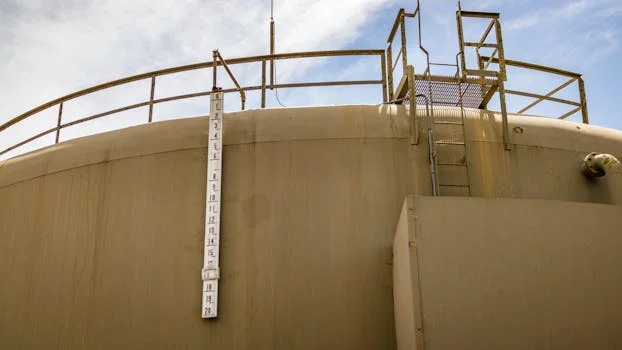
The WSZ series underground sewage treatment systems are designed for flexible and rapid deployment, minimizing civil works and capital expenditure. The standard installation involves burying the pre-fabricated unit in an excavated pit, with proper backfill and a drainage layer to manage groundwater. Access for maintenance and inspection is provided through integrated manholes, which are flush with the finished grade, maintaining the aesthetic and functional use of the surface area. This below-grade installation significantly reduces the visual impact of the treatment facility, a critical consideration for many decentralized sites.
Beyond standard burial, HydropureWater also offers an optional trailer-mounted version of the WSZ series, providing a highly mobile wastewater treatment solution. This configuration is ideal for temporary applications such as construction camps, disaster relief efforts, military deployments, or remote exploration sites where rapid relocation is necessary. The trailer-mounted units retain the full treatment capabilities of their buried counterparts, offering immediate operational readiness upon arrival.
A key financial advantage of these packaged systems is the substantial reduction in civil works. Unlike conventional cast-in-place wastewater treatment plants that require extensive concrete foundations, walls, and basins, the WSZ series primarily needs excavation and backfill. This streamlined installation process can reduce overall Capital Expenditure (CAPEX) by an estimated 25–30% compared to traditional site-built plants. The WSZ series can be seamlessly integrated with upstream pretreatment technologies, such as rotary mechanical bar screens for solids removal and grit chambers, and downstream post-treatment options. These post-treatment modules, including advanced disinfection systems like chlorine dioxide generators or tertiary filtration, can further polish the effluent to meet specific reuse standards for irrigation or non-potable applications.
Comparison: Buried Package Plant vs Conventional System
Buried package plants, such as the WSZ series, offer a streamlined alternative to conventional wastewater systems for decentralized applications. A primary differentiator is the footprint: a buried package plant typically utilizes 60% less land area than a conventional activated sludge plant for the same capacity. For instance, a system treating 50 m³/day might require only 20 m² of surface area when buried, compared to approximately 50 m² for a conventional setup, allowing for optimal land use.
Installation time is another critical factor. Buried package plants are factory-fabricated and arrive on-site as complete, pre-tested units, allowing for rapid deployment within 7–10 days. In contrast, conventional systems, which involve extensive civil construction, typically require 3–6 months for completion, extending project timelines and increasing associated costs. Operational expenditure (OPEX) is also significantly lower for buried package plants, often by as much as 40%. This reduction is primarily driven by the high level of automation, which eliminates the need for full-time on-site operators, and the optimized biological process that results in reduced sludge production and