Industrial sand filter water treatment troubleshooting requires diagnosing pressure spikes, channeling, and media fouling. Fix 90% of issues by monitoring differential pressure (replace media if >15 psi at design flow), backwashing for 5–7 minutes at 15–20 gpm/ft², and verifying underdrain integrity. These steps cut unplanned downtime by 50% in food processing plants (per 2023 operational audits).
Why Industrial Sand Filters Fail: Beyond Pool-Grade Advice
Industrial sand filter systems operate under significantly higher stress and more complex conditions than residential pool filters, leading to distinct failure modes. While a residential pool filter might handle 1–3 m³/h, industrial sand filters are engineered for hydraulic loads ranging from 5–50 m³/h, demanding robust design and precise operational control (per Top 1 flow meter references). The media bed depth in industrial units typically spans 1.2–1.8 meters, utilizing graded sand with an effective size of 0.4–1.0 mm. Improper media grading or bed stratification can lead to premature breakthroughs and reduced filtration efficiency, a concern rarely encountered in less demanding pool applications. industrial filters are often integrated into larger water purification systems controlled by Programmable Logic Controllers (PLCs) and involve automated chemical dosing. A seemingly minor issue in a sand filter can cascade, impacting downstream processes like reverse osmosis membranes or cooling towers, highlighting the critical need for specialized industrial troubleshooting.
Symptom 1: Rapid Pressure Rise and Short Filter Cycles
A rapid increase in differential pressure (ΔP) across an industrial sand filter indicates significant fouling or blockage, necessitating immediate action to prevent system shutdown. Normal ΔP increase during a filter cycle is typically 5–10 psi above the baseline at design flow; a differential pressure exceeding 15 psi signals a critical operational issue (data from Top 1, NH.gov PDF). The primary root causes include heavy colloidal buildup, precipitation of iron or manganese compounds, or an insufficient backwash duration in previous cycles (less than 5 minutes). To fix this, initiate a vigorous backwash at a flow rate of 15–20 gpm/ft² for 5–7 minutes, continuing until the backwash effluent clarity consistently measures less than 5 NTU, which should be verified with an inline turbidimeter. For long-term prevention, consider installing an automatic backwash system triggered by a ΔP threshold of 12 psi or by a timed cycle every 24–48 hours to maintain optimal media cleanliness and extend filter runs. Consistent monitoring helps operators anticipate and address issues proactively, a key component of effective industrial water purification system troubleshooting.
| Parameter | Normal Industrial Operation | Problematic Condition (Rapid ΔP Rise) |
|---|---|---|
| Differential Pressure (ΔP) | 5–10 psi above clean bed | >15 psi above clean bed |
| Backwash Flow Rate | 15–20 gpm/ft² | Often <15 gpm/ft² or improperly sustained |
| Backwash Duration | 5–7 minutes (until clear) | <5 minutes, or stopped prematurely |
| Effluent Turbidity Post-Backwash | <5 NTU | >5 NTU, or remains high |
| Filter Cycle Length | Typically 24–72 hours | <12 hours, progressively shortening |
Symptom 2: Poor Effluent Quality and Turbidity Breakthrough
A decline in effluent quality, characterized by elevated turbidity or a breakthrough of suspended solids, indicates a failure in the sand filter's ability to effectively remove particulates. For industrial applications, normal Total Suspended Solids (TSS) removal efficiency is typically 90–95% for influent concentrations below 100 mg/L, essential for protecting downstream processes. The primary causes for reduced filtration efficiency include media fluidization due to excessive backwash, channeling within the media bed, or structural damage such as cracked laterals or a compromised underdrain system allowing raw water to bypass the media. To diagnose channeling, perform a tracer test by injecting a non-toxic dye upstream of the filter and observing its dispersion through the bed; uneven or rapid appearance in the effluent indicates preferential flow paths. Immediate fixes involve replacing the top 2–3 inches of the filter media if surface fouling or mud ball formation is evident, or repairing sections of the underdrain system. For long-term prevention and improved performance, consider upgrading to an industrial multi-media filter with automated backwash, which often uses graded anthracite-sand dual media to achieve better stratification and enhanced particulate capture.
Symptom 3: Sand Carryover into Downstream Equipment
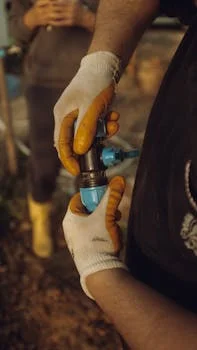
The presence of filter media, typically sand, in downstream equipment such as pumps, membranes, or valves, is a critical indicator of structural failure within the sand filter's underdrain system. This issue can lead to abrasive damage, clogging, and costly repairs to sensitive components. Sand carryover is most commonly attributed to damaged lateral pipes, a cracked manifold, or an improper backwash flow rate that exceeds the media's fluidization velocity, typically above 25 gpm/ft², causing media to be flushed out. Conduct a thorough inspection of the underdrain system annually, which involves shutting down the filter, draining the tank, and visually checking for any cracks, loose fittings, or signs of erosion in the laterals and manifold. PVC laterals, common in many industrial setups, generally require replacement every 7–10 years (per NH.gov maintenance guidelines) due to material degradation. When repairing, consider upgrading to epoxy-coated laterals or stainless steel components in environments with corrosive feedwater or high operating pressures to enhance durability and prevent future sand carryover.
Symptom 4: Incomplete Backwash and Media Bed Fluidization
Effective backwashing is paramount for maintaining the integrity and filtration efficiency of an industrial sand filter. For proper cleaning without media loss, the backwash flow must achieve a uniform rate of 15–20 gpm/ft² to fully fluidize the media bed (data from Top 1, NH.gov). Underwashing, where the flow rate is insufficient, leads to the accumulation of trapped solids, forming mud balls and eventually causing permanent channeling and reduced filter capacity. Conversely, overwashing with excessive flow rates can lead to significant media loss, particularly the finer sand particles, which compromises the filter bed structure and necessitates costly media replacement. Operators should use a calibrated flow meter to set the backwash rate and a sight glass to visually verify media bed expansion. The media should expand by approximately 25–30% during backwash, indicating adequate fluidization without excessive loss. To prevent human error and ensure consistent, optimal backwash cycles, automate the process with flow-controlled valves and integrate it with a PLC-controlled system, often found in advanced automatic chemical dosing systems that can also manage backwash cleaning agents.
Industrial Sand Filter Troubleshooting Decision Matrix
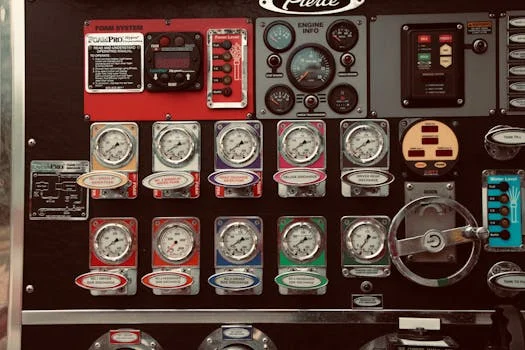
Utilizing a structured decision matrix allows industrial plant operators to quickly diagnose and resolve common sand filter issues, minimizing costly downtime by linking symptoms directly to causes, diagnostics, and solutions.
| Symptom | Likely Cause | Diagnostic Step | Immediate Fix | Long-Term Prevention |
|---|---|---|---|---|
| High ΔP / Short Cycles | Media fouling (colloidal, iron, organics) | Check backwash duration, flow rate, and effluent clarity (NTU) | Perform extended backwash (7 min at 18 gpm/ft²) until effluent is <5 NTU. Consider chemical cleaning. | Install ΔP-triggered automatic backwash system (>12 psi). Optimize backwash frequency/duration. |
| Turbid Effluent / TSS Breakthrough | Media channeling, cracked laterals, insufficient bed depth | Conduct dye tracer test. Inspect underdrain system. Verify media depth. | Replace top 2–3 inches of media. Repair/replace cracked laterals. | Implement dual-media bed (anthracite cap). Ensure proper media grading (0.4–1.0 mm ES). |
| Sand Carryover Downstream | Damaged laterals/manifold, excessive backwash flow | Shut down, drain tank, visually inspect underdrain for cracks. Monitor backwash flow meter. | Repair or replace damaged laterals/manifold. Reduce backwash flow to 15-20 gpm/ft². | Annual underdrain inspection. Use epoxy-coated laterals in corrosive environments. |
| Incomplete Backwash / Mud Balls | Insufficient backwash flow or duration | Verify backwash flow with meter. Observe media expansion via sight glass. | Increase backwash flow to 18-20 gpm/ft² and extend duration to 7 minutes. | Automate backwash with flow-controlled valves. Implement periodic chemical soaks. |
| Low System Flow Rate | Clogged media, dirty strainers, pump issues, valve malfunction | Check inlet/outlet pressures, pump performance, strainer baskets. | Backwash thoroughly. Clean pump strainers. Inspect valves for blockage. | Regular strainer cleaning. Install flow meters to monitor degradation. |
Preventive Maintenance: Extend Media Life and System Uptime
Transitioning from reactive troubleshooting to proactive preventive maintenance is crucial for maximizing the operational lifespan of industrial sand filters and minimizing unplanned downtime. A structured maintenance schedule can significantly extend media life and ensure consistent effluent quality. Generally, sand media should be replaced every 5–7 years, while anthracite, often used in multi-media filters, can last 8–10 years, depending on the feedwater quality and operational intensity. Monthly, operators should meticulously check pressure gauges for any abnormal readings, verify flow meter accuracy, and monitor the clarity of backwash effluent to detect early signs of fouling. Quarterly, a more in-depth inspection is warranted, focusing on the underdrain system for any signs of wear or damage, and confirming proper valve actuation and sealing. Annually, a comprehensive full bed inspection should be conducted, which includes draining the tank and performing a sieve analysis on media samples to detect any degradation, agglomeration, or changes in effective size and uniformity coefficient. Adhering to these protocols is a cornerstone of effective industrial water purification system troubleshooting guide and ensures long-term system reliability.
Frequently Asked Questions
What is the life expectancy of a sand filter in industrial use?
The vessel of an industrial sand filter typically lasts 15–20 years. The filter media (sand, anthracite) has a shorter lifespan, usually 5–10 years, heavily dependent on the quality of the feedwater and the effectiveness of backwash cycles.
How do I unblock a sand filter without replacing media?
For severe blockages, perform a chemical soak. Use a 10% hydrochloric acid (HCl) solution for iron and mineral deposits, or a 2% sodium hydroxide (NaOH) solution for organic fouling. Allow it to soak for several hours, then follow with a vigorous, extended backwash until effluent is clear.
Why is my sand filter leaking sand into the pool?
In industrial systems, sand leaking downstream indicates a structural issue, most commonly cracked laterals, a damaged manifold, or an excessively high backwash flow rate. It is imperative to shut down, drain the tank, and inspect the underdrain system thoroughly for any damage.
What pressure should a sand filter run at?
Normal operating differential pressure (ΔP) for an industrial sand filter is typically 5–10 psi above its clean start-up pressure. A ΔP consistently exceeding 15 psi indicates significant fouling and necessitates a backwash or further inspection.
Can I use pool-grade sand in industrial filters?
No, pool-grade sand is generally unsuitable for industrial filters. Industrial applications require precisely graded media with specific effective sizes (e.g., 0.4–1.0 mm) and uniformity coefficients (e.g., 0.95–1.05 U.C.) to ensure proper stratification, prevent channeling, and achieve the required filtration efficiency.