Gravity thickener vs DAF for activated sludge is a settleability choice. Gravity thickeners reach 8–10% total solids on primary sludge at 20–30 lbs/day/ft², and only 2–4% TS on activated sludge. DAF thickeners reach 4–6% solids on light, fibrous, or oily sludge, with a 30–50% smaller footprint. The better unit depends on sludge type, open land, and the dewatering step that follows.
Gravity Thickener vs DAF for Activated Sludge
Gravity thickening of waste activated sludge usually stops at 2–4% total solids because the floc is light. A DAF unit on the same sludge commonly reaches 4–6% total solids in under 1 hour. Most plants we size move WAS to DAF once the gravity tank would pass 20–30 ft in diameter.
Primary solids settle fast and compact, while activated floc does not. According to US EPA (2003), conventional gravity thickening leaves waste activated solids at 2–3% TS from a 0.2–1% feed, while primary solids thicken to 5–10% TS from a 2–7% feed. The 8–10% primary band on many data sheets sits at the top of that EPA range. Plant logs at 2–4% TS on activated sludge show the same weak settleability, on a slightly wider band.
Gravity alone usually cannot finish secondary solids, according to US EPA (2003). When WAS fines show up over the weir, that fact sheet points the stream to a flotation thickener. The agency biosolids page still hosts the September 2003 file, EPA 832-F-03-022. The page stamp reads 22 September 2026, and the PDF was not replaced.
gravity thickener solids loading rate primary sludge
Primary sludge gravity thickeners are usually loaded at 20–30 lbs/day/ft² and thickened to 8–10% total solids. That rate fits heavy, fresh primary solids. It does not fit waste activated sludge. On mixed-liquor jobs, the gravity load sits well below the primary band, or gravity is dropped for WAS.
Hydraulic overload breaks the blanket and carries solids over the weir. Detention past 24 hours is the older septicity alarm, and many tables still list 12–24 hours in the tank. According to US EPA (2003), a reasonable detention time for primary solids is 24 to 48 hours, and 18 to 30 hours for a primary-plus-secondary blend. High temperature shortens that window because gas lifts the blanket.
Medium plants often need a gravity tank of at least 20–30 ft in diameter for a WAS mass a smaller DAF would take. According to US EPA (2003), gravity tanks are commonly 10–13 ft (3–4 m) deep and up to 82 ft (25 m) in diameter. Prolonged detention turns the tank anaerobic, makes gas, and floats rising sludge, and odors follow. Surface liquid can reach suspended solids as low as 200 mg/L, but DAF supernatant is usually clearer.
Engineers who ask what is a good solids loading rate for gravity thickeners lbs/day/sqft should read that note before copying a primary number onto WAS. For tank geometry and the test data behind a spec, see Sludge Thickener Specifications: 2026 Engineering Data, Stan.
Where a primary clarifier must also settle fast solids, high-efficiency sedimentation tanks follow the same density rules. They are not a substitute for flotation of WAS.
daf thickener footprint reduction activated sludge
Activated-sludge footprint falls 30–50% when a DAF thickener replaces a gravity tank on the same WAS mass. DAF units often take up to three times more flow per unit area than a conventional gravity thickener. Retrofit yards show that area save before the power bill does. The smaller pad is the reason tight sites leave gravity.
Solids loading on activated or mixed sludge is typically 15–25 lbs/day/ft², against 20–30 lbs/day/ft² for primary sludge on gravity. Float concentration is commonly 4–6% TS, and up to 8% with coagulation and polymer. Retention is often less than one hour, against 12–24 hours in a gravity tank, so septicity has less time to start. A Dissolved Air Flotation (DAF) System is the package used when that short hold and the smaller pad are both required.
Energy is the trade: gravity rake drives are about 1–3 kW, while DAF air compressors and recycle pumps are about 5–15 kW. According to US EPA (2003), a gravity unit needs more land than a DAF, and its operating cost is lower when the solids actually settle.
daf thickener for oily fibrous industrial sludge
A DAF thickener for oily or fibrous industrial sludge resists the blinding that stalls a gravity blanket on FOG and fiber. Food-processing waste is the usual case. Fibers and fats do not settle on a 12–24 hour clock. Food plants usually fail gravity on a Monday grease load, not on average TSS.
Bubbles need a floc, so DAF thickening usually adds a cationic polymer. Gravity thickening treats polymer as minimal or optional. According to US EPA (2003), when polymer is used on gravity solids the dose is about 2.5–6 g/kg (5–12 lbs/ton) of dry solids. That optional dose does not replace flotation on hair, fiber, or free oil.
A high-efficiency DAF thickener for oily or fibrous sludge keeps contact time short so grease does not cool into a mat. Pair the skid with automatic chemical dosing systems so the cationic dose tracks solids, not a fixed timer.
Performance Comparison: Gravity vs DAF Thickener
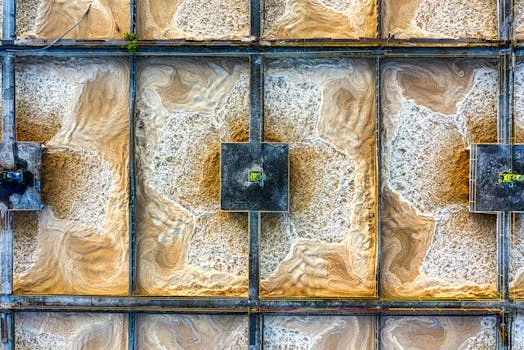
Gravity thickeners excel on primary sludge at 20–30 lbs/day/ft². DAF thickeners cover activated, oily, fibrous, colloidal, and mixed sludge at 15–25 lbs/day/ft². Capture on those hard sludges is where DAF earns the pad. Trickling-filter solids still sit with gravity in the compatibility row below.
Thickened concentration splits by feed. Gravity reaches 8–10% TS on primary sludge and 2–4% on activated sludge. DAF delivers 4–6% TS on activated sludge, and up to 8% with coagulation. That is about double the gravity result on the same activated sludge.
Footprint is the other split, and DAF occupies 30–50% less space because capture is faster. Rake maintenance is the gravity headache: torque and wear. DAF has fewer moving parts and more instruments that must stay in calibration.
Air saturation and polymer dose have to be right, or the float collapses. Commissioning week is spent on saturation pressure, not on the scraper.
| Metric | Gravity Thickener | DAF Thickener |
|---|---|---|
| Sludge Type Compatibility | Primary, Trickling Filter | Activated, Oily, Fibrous, Colloidal, Mixed |
| Typical Solids Loading Rate | 20–30 lbs/day/ft² (Primary) | 15–25 lbs/day/ft² (Activated/Mixed) |
| Thickened Sludge Conc. (TS) | 8–10% (Primary), 2–4% (Activated) | 4–6% (Activated), up to 8% (with coagulation) |
| Footprint Reduction | Reference (largest) | 30–50% smaller than gravity |
| Energy Consumption | 1–3 kW (Rake drive) | 5–15 kW (Air compressors, pumps) |
| Polymer Dependency | Minimal/Optional | Typically required (Cationic polymer) |
| Sludge Retention Time | 12–24 hours | <1 hour |
| Resistance to Clogging | Low (prone to hydraulic overload) | High (resists fibrous/FOG) |
gravity vs daf thickener capex opex comparison
A gravity thickener tank is often priced at $50,000 to $150,000 for a medium unit before civil works. Concrete, yard piping, and odor covers can pass that equipment number. DAF CAPEX is typically 20–40% higher than the gravity tank. Bids flip once the civil package for a 20–30 ft tank is on the table.
OPEX is mostly air and polymer, not people. DAF compressors and recycle pumps run continuously, so energy sits above the 1–3 kW rake. Both trains can be largely automated. DAF still needs more operator oversight on saturation pressure and polymer.
Unit operating cost for gravity thickening was published at $0.30 to $3.00 per dry ton, according to US EPA (2003), with plants above 100 MGD at the low end. Construction-grant figures adjusted to the year 2000 list $162,000 for a 2 MGD plant and $348,000 for a 4 MGD plant, before engineering. Keep the $50,000 to $150,000 band as a tank-only budget. Those 2000 plant figures are not a 2026 bid.
Labor on a gravity unit above 500 sq ft was 310 hours a year to operate and 180 hours to maintain, 490 hours total, in that same EPA sheet. Concrete gravity tanks often last 30+ years. DAF packages, with more machines, more often last 15–20 years. Polymer can dominate DAF cost on light solids or fall when capture is higher, so check the wider stack for wastewater treatment plant equipment before freezing a lifecycle number from one sheet.
hybrid gravity and daf thickening for was
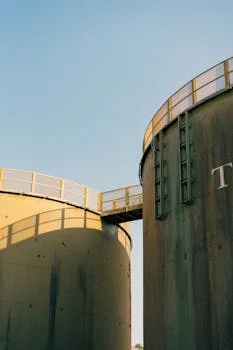
A hybrid layout thickens primary sludge in a gravity tank and waste activated sludge in a DAF unit. Municipal plants with biological treatment use this split often. Gravity holds the heavy primary solids, and DAF holds the WAS without a 20–30 ft basin. Hybrid layouts we draw send each sludge to the machine that matches its density.
Choose gravity when the feed is mostly primary, land is available, CAPEX has to stay lower, and the sludge is non-putrescible. Choose DAF when activated or industrial solids dominate, the site is tight, the waste is oily or fibrous, or throughput has to stay high. Co-thickening primary sludge and WAS in one gravity tank reached only 4–7% TS in the EPA table, and some plants measured more odor when the two were blended.
Downstream dewatering sees the difference. Cleaner DAF subnatant means filter presses recycle fewer solids. A plate and frame filter press for sludge dewatering after thickening is what cuts haul volume. According to US EPA (2000), oil and grease in the feed can blind a belt and lower cake solids, so oily industrial sludge should be floated before that press.
Belt-press feed solids, according to US EPA (2000), are 3 to 10 percent for raw primary sludge, with cake at 28 to 44 percent. Raw WAS feed is only 0.5 to 4 percent solids, with cake at 20 to 35 percent. A gravity WAS underflow at 2–4% TS sits in that thin band. A DAF float at 4–6% TS, or a primary underflow at 8–10% TS, starts the press higher.
The same EPA sheet says mechanical dewatering may not be the cheapest path below about 4 mgd. Liquid storage ahead of a belt should stay under 24 hours, or sulfide odor climbs.
Who Should Pick Gravity or DAF
Plants with mostly primary sludge, spare land, and a non-putrescible feed are the gravity cases. Plants whose mass is WAS, whose yard is full, or whose waste carries oil and fiber are the DAF cases. Hybrid fits a municipal plant that has both streams and will not make one tank do both jobs. Look elsewhere if you need a cake past those thickened bands, because thickening is not dewatering.
Run this check before you buy:
- Sludge type: primary, WAS, trickling filter, oily, fibrous, or mixed.
- Target underflow: 8–10% TS on primary gravity, 2–4% TS for gravity on WAS, or 4–6% TS by DAF.
- Solids loading: 20–30 lbs/day/ft² on primary gravity, or 15–25 lbs/day/ft² on DAF.
- Pad: room for a tank of 20–30 ft, or a need for 30–50% less area.
- Power: 1–3 kW on the rake versus 5–15 kW on the air system.
- Detention: 12–24 hours in gravity versus less than one hour in DAF, with the EPA primary window of 24 to 48 hours in mind.
- Next machine: belt or plate press, and whether oil will blind the belt.
Any gravity basin or DAF tank is still a sludge thickener on the process flow sheet. Blanket depth and draw-off rate belong in that note. Send analyses and a site sketch through a thickener sizing request if you want the loading and pad checked against your WAS mass.
Frequently Asked Questions
What does a gravity thickener do?
A gravity thickener concentrates sludge by settling, and the volume cut can reach up to 50% when the underflow is much thicker than the feed. According to US EPA (2003), thickening a slurry from 3 to 6 percent solids reduces volume by 50 percent. Primary solids compact well under a slow rake. Waste activated sludge often stops at 2–3% TS in the EPA table, or 2–4% TS in plant logs, so haul volume stays higher.
What is the difference between gravity thickening and flotation thickening?
Gravity thickening settles solids by density, while flotation thickening lifts them on fine air bubbles. DAF holds sludge for less than one hour, and a gravity tank often holds sludge for 12–24 hours. That gap is why septicity shows up in gravity tanks more often. Light activated floc and oily solids float more reliably than they settle, while heavy primary solids usually do not need dissolved air.
Can DAF replace gravity thickeners?
Yes, a DAF thickener can replace a gravity tank where waste activated sludge dominates or the site cannot fit a 20–30 ft basin. According to US EPA (2003), WAS fines over a gravity weir are a reason to thicken that stream by flotation. Primary-only plants with open land still run gravity at 20–30 lbs/day/ft², so a full swap is not automatic.
Which is more expensive: gravity or DAF thickener?
DAF thickeners typically cost 20–40% more in initial CAPEX than a gravity tank. A medium gravity tank is often priced at $50,000 to $150,000 before civil works. Energy splits the OPEX: rake drives at 1–3 kW versus air equipment at 5–15 kW. Concrete gravity tanks often last 30+ years, while DAF packages more often last 15–20 years, and on oily industrial sludge the higher DAF power can still lower disposal cost.
Is polymer required for both?
Gravity thickeners often run with little or no polymer, while DAF thickeners usually need a cationic polymer so bubbles can attach. According to US EPA (2003), optional polymer on a gravity unit is about 2.5–6 g/kg (5–12 lbs/ton) of dry solids. Read the detailed guide on selecting the right thickener for your sludge type before you lock a dose. Set the pump from a jar test on your own sludge, not from a catalog default.