What Is Sludge Thickening and Why It Matters
Sludge thickening is the critical first step in volume reduction, removing free water to cut transportation and downstream processing costs by up to 60%. It increases solids concentration from a dilute 0.5–1% to a more manageable 2–10%, depending on the method. It is essential to distinguish this from dewatering: thickening is a volume reduction process, while dewatering is a further solids concentration step that achieves 15–40% solids for disposal. Key process parameters for engineers to monitor include hydraulic retention time (HRT), which dictates tank sizing; solids loading rate (SLR), the mass of solids applied per unit area per hour; and overflow rate, which controls effluent clarity. Beyond cost savings, effective thickening also enhances the performance and reduces the chemical demand of subsequent anaerobic digestion or dewatering processes, making it a cornerstone of efficient plant design.
How Gravity Thickeners Work: Design and Operation
Gravity thickeners are large, circular sedimentation tanks (typically 6–30 m in diameter) equipped with slowly rotating rake mechanisms. They concentrate solids purely through gravitational settling, with denser sludge consolidating at the cone-bottom for removal. Performance is heavily dependent on sludge type: typical solids capture is 85–92% for readily settleable primary sludge but drops to 75–85% for lighter waste activated sludge (WAS). These systems achieve a modest underflow concentration of 2–5% solids. This process demands significant space and time, requiring a hydraulic retention time of 3–5 hours and a large footprint of 20–40 m² per 100 m³/day of flow. A major operational challenge is the potential for septicity and odor release in warm climates due to the long retention times and anaerobic conditions at the tank bottom. For plants with ample space, a compact gravity thickening alternative with lamella plates can improve efficiency. Operators must carefully monitor the thickener's blanket level and adjust sludge withdrawal rates to prevent underflow dilution or excessive solids build-up.
How DAF Thickeners Work: The Role of Micro-Bubbles
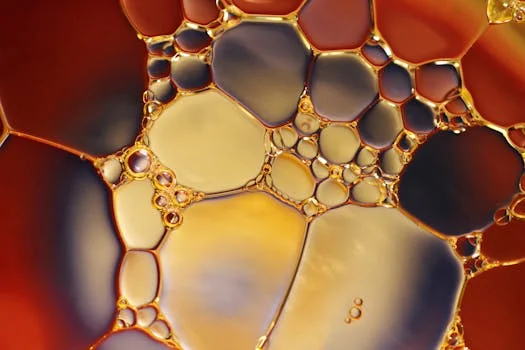
Dissolved Air Flotation (DAF) thickeners use a pressurized recycle stream (typically 10–30% of flow at 4–6 bar) to generate a cloud of micro-bubbles (20–80 µm in size). These bubbles attach to suspended solids, drastically reducing their effective density and causing them to float to the surface, where a skimmer removes the thickened sludge mat. This mechanism allows DAF to achieve a superior underflow concentration of 5–10% solids, making it an ideal feed for downstream centrifuges or filter presses. It excels at removing difficult-to-settle materials, boasting 90–97% removal efficiency for fats, oils, greases (FOG), and other light solids, even during high flow fluctuations. The process is remarkably fast, with a contact zone retention of 60–90 seconds and a total flotation zone detention time of just 3–5 minutes. For robust industrial applications, a high-efficiency DAF thickener for industrial sludge is often the optimal choice. The whitewater recycle system's pressure and flow rate are critical control points for optimizing bubble size and distribution, directly impacting flotation efficiency.
Head-to-Head: Gravity vs DAF Thickener Performance
The choice between technologies hinges on a clear-eyed analysis of performance data across key operational parameters. DAF systems require 50–70% less physical space than a gravity thickener of equivalent capacity due to their much higher surface loading rates. While DAF often requires coagulant aids like PAC (5–15 mg/L), this chemical demand is frequently offset by improved downstream dewaterability, reducing polymer consumption in subsequent steps. Energy consumption is a clear differentiator: DAF air compressors consume 0.8–1.5 kWh/m³, while gravity systems use a minimal 0.1–0.3 kWh/m³ for rake mechanisms alone. The most telling metric is the solids loading rate (SLR), where DAF handles 8–15 kg/m²·h compared to gravity’s 3–8 kg/m²·h. DAF’s short, aerobic process significantly reduces the risk of septicity and associated odor control problems.
| Parameter | Gravity Thickener | DAF Thickener |
|---|---|---|
| Solids Concentration | 2–5% | 5–10% |
| Footprint (m²/100 m³/day) | 20–40 | 5–15 |
| Energy Use (kWh/m³) | 0.1–0.3 | 0.8–1.5 |
| Solids Loading Rate (kg/m²·h) | 3–8 | 8–15 |
| Chemicals Required | Rarely | Often (coagulants) |
| Odor Potential | High | Low |
| Best For Sludge Type | Primary, dense | WAS, oily, fibrous |
When to Choose Gravity Thickening
Gravity thickening remains the economical and practical choice in specific scenarios. It is ideal for plants treating primarily primary sludge with good settleability, typically indicated by a Sludge Volume Index (SVI) below 80 mL/g. This technology is best suited for facilities with abundant land availability and where energy costs are a primary concern over space. The capital expenditure is significantly lower, with a 500 m³/day system costing approximately $50–80k compared to $120–180k for an equivalent DAF system. Gravity is a justifiable selection when the downstream dewatering equipment (e.g., a large filter press) is not highly sensitive to a lower, more dilute feed concentration. For these applications, a lamella clarifier-based system can optimize the footprint. Its mechanical simplicity also translates to lower maintenance requirements and operator skill levels, which can be a decisive factor in certain regions.
When to Choose DAF Thickening
DAF thickening delivers superior return on investment in high-value use cases where performance trumps low initial cost. It is demonstrably superior for challenging sludges like waste activated sludge (WAS), return activated sludge (RAS), and oily or fibrous sludges common in food processing, pulp & paper, and metalworking industries. DAF is essential for retrofit or greenfield projects where space is at a premium or where odor control is a critical community relations issue. The ability to produce a thickener underflow of 5–10% solids directly enables higher throughput and efficiency in downstream centrifuges or belt presses. The process is designed to integrate seamlessly with automated chemical dosing systems using polymers (e.g., 0.5–2 mg/L cationic) for enhanced flotation and capture rates. View our DAF product specifications for detailed design data. Its rapid start-up and shutdown capability also offers greater operational flexibility for plants with variable flow conditions.
Decision Framework: Choosing the Right Thickener
Selecting the optimal technology requires a systematic evaluation of your plant's specific conditions. Start by analyzing sludge characteristics: use DAF if the sludge is light, oily, fibrous, or has poor settleability (SVI > 120 mL/g). Choose gravity if the sludge is dense, primary-dominated, and space is not a constraint. The decision must factor in the total cost of ownership; while DAF has higher energy and maintenance costs, it often delivers lower downstream dewatering costs due to a thicker, more consistent feed cake. Consider this logic flow: Is space severely limited? → Yes → DAF. Is the sludge prone to septicity and odor? → Yes → DAF. Is the sludge primarily primary and settleable? → Yes → Gravity. Is the capital budget the primary constraint? → Yes → Gravity. For the next step after thickening: choosing the optimal dewatering method, the feed quality from your thickener is a major input. Always conduct pilot testing with actual plant sludge to validate theoretical selections and fine-tune design parameters.
Frequently Asked Questions
What is the difference between gravity thickening and flotation thickening?
Gravity thickening relies on density differences for solids to settle, while flotation thickening (DAF) uses micro-bubbles to make solids buoyant and float to the surface for removal. Gravity is a passive process, whereas DAF is an active process requiring energy input to generate bubbles.
Can DAF replace gravity thickening in municipal plants?
Yes, especially for plants with high WAS ratios, space constraints, or odor issues. DAF often provides higher concentration and better capture for these sludges. Many modern municipal plants now use DAF as the standard for thickening biological sludges due to its consistent performance.
What sludge types are unsuitable for gravity thickening?
Gravity thickening struggles with light, bulking, or oily sludges commonly found in industrial applications or from extended aeration processes, which have a low density and poor settling characteristics. It is also less effective for sludges with a high filamentous bacteria content that resist compaction.
How much space does a DAF thickener save vs gravity?
DAF typically requires 50-70% less footprint for the same processing capacity due to its much higher surface loading rates and shorter detention times. This compact design makes it ideal for indoor installation or sites with severe space limitations.
Does DAF thickening require chemical dosing?
While not always mandatory, most industrial DAF thickeners use coagulants (e.g., PAC) or polymers to enhance bubble attachment and solids capture efficiency, particularly for difficult sludges. Polymer selection (cationic vs. anionic) and dose optimization are key to achieving target performance. For more on related separation technologies, see our article on how DAF compares to other flotation and separation technologies.
Further Reading
- 2025 industrial pricing data for DAF systems
- Sludge Volume Index (SVI): A guide to measuring and interpreting sludge settleability
- Optimizing polymer dose for sludge thickening and dewatering: A practical field guide