Third-generation semiconductor fabs (GaN, SiC) generate fluoride wastewater with F⁻ concentrations up to 1800 mg/L—far exceeding EPA’s 4 mg/L discharge limit (40 CFR 469). CaCl₂ precipitation at pH 8 reduces fluoride to 6.8 mg/L (per 2000 SPWCC benchmarks), while water softening sludge achieves 4 mg/L at 30% lower cost than lime. This blueprint provides 2025 engineering specs, chemical dosage calculators, and zero-risk compliance strategies for semiconductor EHS teams.
Why Third-Generation Semiconductor Fluoride Wastewater Is Harder to Treat Than Silicon
Third-generation semiconductor manufacturing processes, particularly for GaN and SiC devices, produce fluoride wastewater with significantly higher concentrations and more complex co-contaminants than traditional silicon fabs. GaN dry etching, often employing CF₄/CHF₃ plasmas, and SiC chemical mechanical planarization (CMP) using HF/HNO₃ mixtures, generate fluoride byproducts such as aluminum fluoride (AlF₃) and hexafluorosilicate (SiF₆²⁻) that complicate conventional treatment. Influent fluoride concentrations from GaN processes can reach 1800 mg/L, a substantial increase compared to the 200–500 mg/L typically observed in silicon manufacturing (Top 1/Top 2 data). This elevated fluoride load presents a greater challenge for achieving stringent discharge limits.
Beyond concentration, the presence of co-contaminants like phosphoric acid (H₃PO₄, up to 400 ppm) and acetic acid (up to 300 ppm) further inhibits effective CaF₂ precipitation. These acids can form soluble calcium complexes, such as CaHPO₄, which prevent calcium ions from fully reacting with fluoride, leading to higher residual fluoride in the effluent. The pH of this wastewater is often highly acidic (pH 2–4), requiring significant neutralization prior to precipitation. Such complex influent characteristics demand more robust and precisely controlled treatment systems to meet regulatory mandates. For instance, EPA’s strict 4 mg/L discharge limit for fluoride (40 CFR 469) and China’s 5 mg/L standard (GB 31573-2015) for semiconductor wastewater necessitate highly efficient removal strategies, pushing beyond the capabilities of many legacy silicon fab treatment setups.
| Parameter | Third-Gen (GaN/SiC) Wastewater | Traditional Silicon Wastewater |
|---|---|---|
| Fluoride (F⁻) Concentration | Up to 1800 mg/L | 200–500 mg/L |
| Typical pH | 2–4 (highly acidic) | 3–5 |
| Key Co-contaminants | H₃PO₄ (400 ppm), Acetic Acid (300 ppm), AlF₃, SiF₆²⁻ | H₂SO₄, HNO₃ |
| Primary Etching Agents | CF₄/CHF₃ (dry etch), HF/HNO₃ (CMP) | HF, H₃PO₄ |
| Regulatory Challenge | Difficult to achieve <5 mg/L F⁻ with standard methods | Achievable with optimized precipitation |
Fluoride Removal Mechanisms: CaCl₂ vs. Lime vs. Water Softening Sludge
Calcium chloride (CaCl₂) precipitation is a highly effective method for fluoride removal in semiconductor wastewater, achieving residual fluoride concentrations as low as 6.8 mg/L at pH 8 (SPWCC 2000). This process relies on the reaction Ca²⁺ + 2F⁻ → CaF₂↓, driven by calcium fluoride's very low solubility product (Ksp = 3.9 × 10⁻¹¹). Optimal conditions for CaCl₂ precipitation occur within a pH range of 7–9 to minimize the formation of soluble hydrofluoric acid (HF) complexes and ensure efficient CaF₂ crystallization. For an influent F⁻ concentration of 1800 mg/L, a CaCl₂ dosage providing 223,609 ppm Ca²⁺ is required for near-complete precipitation (SPWCC 2000, Table 6). Implementing a PLC-controlled CaCl₂ dosing system for fluoride precipitation ensures precise chemical addition, preventing over-dosing and optimizing sludge generation.
Lime precipitation, utilizing Ca(OH)₂, also forms CaF₂↓ but operates at a higher pH range of 10–12. The reaction is Ca(OH)₂ + 2F⁻ → CaF₂↓ + 2OH⁻. While effective, lime treatment often results in higher residual fluoride concentrations, typically around 14 mg/L (Top 3). A significant drawback of lime is the substantial generation of calcium sulfate (CaSO₄) sludge, which can be as high as 16.1 g/min for certain wastewater compositions (SPWCC 2000). This increases sludge volume and disposal costs. In contrast, the reuse of water softening sludge, primarily composed of CaCO₃, offers a more sustainable and cost-effective alternative. This method leverages the inherent alkalinity and calcium content of the sludge (pH 10.5–10.8, 208,500 mg/L as Ca) to precipitate CaF₂. Studies show water softening sludge can achieve residual fluoride levels of 4 mg/L (Top 3, Figure 8), with a cost advantage of being 30% lower than traditional lime treatment (Northeastern University study).
| Parameter | CaCl₂ Precipitation | Lime Precipitation | Water Softening Sludge |
|---|---|---|---|
| Chemical Agent | Calcium Chloride (CaCl₂) | Calcium Hydroxide (Ca(OH)₂) | Calcium Carbonate (CaCO₃) Sludge |
| Optimal pH Range | 7–9 | 10–12 | 10.5–10.8 |
| Residual F⁻ (Typical) | 6.8 mg/L (SPWCC 2000) | 14 mg/L (Top 3) | 4 mg/L (Top 3) |
| Primary Sludge Byproduct | CaF₂ | CaF₂ + CaSO₄ | CaF₂ + CaCO₃ |
| Sludge Volume (Example) | 755,537 g/min CaF₂ | 755,537 g/min CaF₂ + 16.1 g/min CaSO₄ | 208,500 mg/L as Ca (initial sludge) |
| Cost Advantage | Moderate | Standard | 30% lower than lime |
2025 Engineering Specs for Semiconductor Fluoride Wastewater Treatment Systems
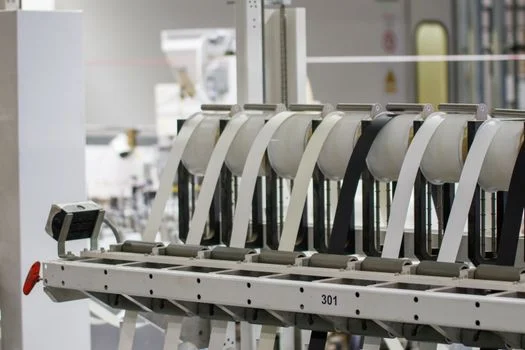
Designing effective fluoride wastewater treatment systems for third-generation semiconductor fabs requires precise adherence to specific engineering parameters to ensure compliance and operational efficiency. Influent specifications for GaN/SiC production lines typically include fluoride (F⁻) concentrations up to 1800 mg/L, a highly acidic pH range of 2–4, total suspended solids (TSS) between 50–200 mg/L, and significant co-contaminants like H₃PO₄ (up to 400 ppm) and acetic acid (up to 300 ppm) (Top 2). These high concentrations and interfering substances dictate robust chemical dosing and separation stages.
Chemical dosage calculations are critical for optimal precipitation. For CaCl₂, a dosage of 1.1 kg/kg F⁻ is generally recommended. Lime requires a higher dosage of 1.5 kg/kg F⁻, while the innovative water softening sludge method can achieve effective removal with approximately 0.8 kg/kg F⁻ (as CaCO₃ equivalent). pH adjustment is a foundational step, often requiring significant NaOH dosage, such as 2.92 kg/1000 L to reach an optimal pH of 8 for CaF₂ precipitation (Top 2). Following precipitation, efficient compact lamella clarifier for CaF₂ sludge separation is essential, with subsequent sludge handling involving dewatering to 30% solids using a high-efficiency CaF₂ sludge dewatering to 30% solids. The resulting CaF₂ sludge has a high density of 12,039.5 g/gal (SPWCC 2000), necessitating robust filter press designs. The ultimate goal is to consistently achieve effluent targets of F⁻ less than 4 mg/L, pH between 6–9, and TSS below 30 mg/L, meeting stringent 2025 regulatory requirements.
| Parameter Category | Specific Parameter | Value/Range | Source/Notes |
|---|---|---|---|
| Influent Specifications | Fluoride (F⁻) | Up to 1800 mg/L | GaN/SiC processes (Top 2) |
| pH | 2–4 | Highly acidic | |
| Total Suspended Solids (TSS) | 50–200 mg/L | ||
| Phosphoric Acid (H₃PO₄) | Up to 400 ppm | Interferes with precipitation (Top 2) | |
| Acetic Acid | Up to 300 ppm | Interferes with precipitation (Top 2) | |
| Chemical Dosage Rates | CaCl₂ | 1.1 kg/kg F⁻ | |
| Lime (Ca(OH)₂) | 1.5 kg/kg F⁻ | ||
| Water Softening Sludge (as CaCO₃) | 0.8 kg/kg F⁻ | Cost-effective alternative | |
| Process Parameters | NaOH Dosage for pH 8 | 2.92 kg/1000 L | For 1800 mg/L F⁻ influent (Top 2) |
| CaF₂ Sludge Density | 12,039.5 g/gal | SPWCC 2000 | |
| Effluent Targets | Fluoride (F⁻) | <4 mg/L | Meets EPA 40 CFR 469 |
| pH | 6–9 | Regulatory compliance | |
| Total Suspended Solids (TSS) | <30 mg/L | Regulatory compliance |
Emerging Technologies: Electrocoagulation, Membrane Crystallization, and Zero Liquid Discharge
Electrocoagulation (EC) offers a promising alternative for fluoride removal, achieving 95–98% F⁻ removal efficiency (Environ Eng Res 2024). This technology utilizes sacrificial aluminum (Al) or iron (Fe) electrodes to generate coagulants in situ, eliminating the need for external chemical storage and reducing sludge volume. Advantages include a compact footprint and simplified operation, but drawbacks involve potential electrode fouling and higher operational costs, typically ranging from $3.5–$5/ton of treated wastewater, primarily due to electricity consumption and electrode replacement. CapEx for an electrocoagulation system for 100 m³/day can be around $250k.
Membrane crystallization represents another advanced approach, often integrating nanofiltration (NF) or reverse osmosis (RO) to concentrate fluoride to levels up to 10,000 mg/L before crystallizing CaF₂. This method boasts high water recovery rates, enabling up to 95% water reuse (Sinharoy & Chung 2024). However, membrane scaling due to high concentrations of dissolved solids is a significant challenge, requiring robust pre-treatment and cleaning protocols. Operational costs for membrane crystallization systems are typically in the range of $4–$6/ton of treated wastewater. For ultimate water conservation and regulatory compliance, zero liquid discharge (ZLD) systems combine precipitation, RO system for fluoride wastewater ZLD and water reuse, and evaporation to eliminate liquid waste discharge entirely. While highly effective, ZLD systems incur substantial costs, estimated at $8–$12/ton for semiconductor applications (semiconductor case study, 2023), with CapEx potentially reaching $1.2M/100 m³/day. ZLD is increasingly mandated, particularly under initiatives like China’s ‘Water Ten Plan’ for 2025.
| Technology | Mechanism | F⁻ Removal Efficiency | Pros | Cons | Typical Cost/Ton | Estimated CapEx (100 m³/day) |
|---|---|---|---|---|---|---|
| Electrocoagulation (EC) | In-situ coagulant generation (Al/Fe electrodes) | 95–98% | No chemical storage, compact, reduced sludge | Electrode fouling, higher energy consumption | $3.5–$5 | $250k |
| Membrane Crystallization | NF/RO concentration + CaF₂ crystallization | 95% water recovery | High water reuse, high F⁻ concentration | Membrane scaling, complex operation | $4–$6 | $700k (est. for RO + crystallizer) |
| Zero Liquid Discharge (ZLD) | Precipitation + RO + Evaporation | 100% (no liquid discharge) | Maximum water reuse, full compliance | Highest CapEx/OPEX, energy intensive | $8–$12 | $1.2M |
Cost Analysis: CaCl₂ vs. Lime vs. Sludge vs. Electrocoagulation
Water softening sludge offers the most cost-effective method for fluoride removal in semiconductor wastewater, with a total cost-per-ton ranging from $0.6–$1.2. This significant cost advantage stems from the low acquisition cost of reused sludge, typically valued at $0.05/kg (as waste reuse), compared to virgin chemicals. In contrast, CaCl₂ treatment typically ranges from $1.2–$1.8/ton, driven by chemical costs of approximately $0.35/kg for CaCl₂. Lime precipitation falls within $0.8–$1.5/ton, with lime costing around $0.12/kg.
Sludge disposal costs are a major component of the overall operational expenditure. CaF₂ sludge disposal costs average $0.20/kg, while CaSO₄ sludge (a byproduct of lime treatment) is slightly lower at $0.15/kg. Reused CaCO₃ sludge disposal is the least expensive at $0.10/kg. Beyond chemical and disposal, labor and energy costs contribute to the total. pH adjustment typically adds $0.10/ton, and sludge dewatering, crucial for reducing disposal volumes, adds another $0.30/ton. Emerging technologies like electrocoagulation, while offering other benefits, have a higher cost-per-ton range of $3.5–$5, primarily due to energy consumption and electrode replacement. It is also important to account for hidden costs; for example, phosphate interference in third-generation semiconductor wastewater can necessitate pre-treatment with chemicals like FeCl₃, adding an estimated $0.20/ton for H₃PO₄ removal.
| Cost Component | CaCl₂ Precipitation | Lime Precipitation | Water Softening Sludge | Electrocoagulation |
|---|