
A coagulant dosing system injects positively charged salts such as alum, ferric chloride, or PAC at 5–500 mg/L to collapse colloid charge and raise settleability. On typical industrial streams, that dose window supports 92–98% TSS removal when pH stays near 5.5–8.5 and mixing energy is controlled. The coagulant dosing working principle is charge neutralization plus controlled floc growth ahead of clarification or flotation, not simply “adding more chemical.”
Coagulant dosing working principle in industrial plants
Charge neutralization starts when metered Al³⁺ or Fe³⁺ salts drive zeta potential from about −10 to −30 mV toward 0 mV. Microflocs form at 1–10 μm, then grow to 100–500 μm macroflocs. Plants hold rapid-mix G-values of 500–1000 s⁻¹ for 30–60 s, flocculate 10–30 min at G 20–70 s⁻¹, and target 0.5–3 m/h settling before clarifiers or DAF.
Most plants we size for textile, food, or chemical duty run toward the lower end of the 5–500 mg/L band once sensors and pH are stable. A Southeast Asia dyeing plant with TSS above 300 mg/L and monthly fines near $45,000 stopped the cycle by replacing manual bucket dosing with PLC control tied to turbidity, not by raising chemical spend alone.
How coagulation neutralizes particles
Industrial wastewater colloids stay suspended because negative surface charge creates electrostatic repulsion. Trivalent metal coagulants supply dense positive charge that compresses the electrical double layer so particles can collide. Per the Schulze-Hardy rule, coagulating power rises sharply with ion valence, which is why Al³⁺ and Fe³⁺ outperform monovalent salts such as Na⁺ at equal mass dose.
pH sets whether metal hydroxides actually precipitate. Alum works best near pH 5.5–7.5; ferric chloride near 4.5–6.5; PAC near 6.0–8.5. A drift of only 0.5 pH units can cut coagulation efficiency by about 30% and spike effluent turbidity within one clarifier turnover. Operators who chase dose without locking pH usually create pin floc or residual metal carryover.
Particle removal proceeds in three stages:
- Charge neutralization: rapid coagulant injection drives zeta potential toward 0 mV.
- Microfloc formation: destabilized particles collide into 1–10 μm aggregates.
- Macrofloc growth and settling: bridging grows flocs to 100–500 μm. Per EPA 2024 benchmarks cited in plant design notes, macroflocs should settle at 0.5–3 m/h for reliable clarifier capture.
Technical Note: Particle destabilization follows the Schulze-Hardy rule: coagulating power of an ion increases with the sixth power of its valence, so Al³⁺ and Fe³⁺ are far more effective than monovalent ions like Na⁺.
System components and engineering specs

Hardware selection decides whether dose stays accurate under corrosive duty. Acidic ferric chloride storage needs HDPE or FRP tanks with corrosion-resistant liners rated per ASTM D4097, typically 500–10,000 L based on daily flow and consumption. Metering is the control point: Automatic Chemical Dosing System packages usually use diaphragm or peristaltic pumps at 0.1–100 L/h. Diaphragm units hold about ±1% accuracy at higher pressure; peristaltic heads handle viscous or abrasive chemicals better.
Static mixers target G-values of 500–1000 s⁻¹; inline mechanical mixers may reach 800–1200 s⁻¹. Keep mixer pressure drop near 0.1–0.5 bar so hydraulics stay efficient. Turbidity feedback (nephelometric, ISO 7027, 0–1000 NTU) closes the PID loop on Siemens or Allen-Bradley PLCs in most industrial skids we commission.
| Component | Standard Specification | Industrial Performance Metric |
|---|---|---|
| Storage Tank | HDPE / FRP (ASTM D4097) | Corrosion resistance (pH 1–14) |
| Metering Pump | Diaphragm / Peristaltic | Accuracy ±1% (0.1–100 L/h) |
| Static Mixer | 316SS / PVC / PTFE | G-value 500–1000 s⁻¹ |
| Turbidity Sensor | Nephelometric (ISO 7027) | Range 0–1000 NTU |
| Control Logic | Siemens/Allen-Bradley PLC | PID loop for real-time adjustment |
Secondary containment should hold 110% of the largest tank volume per OSHA 1910.119 practice used on these skids, with leak detection and emergency shutoff to limit spill risk.
What belongs in a coagulant dosing tank?
A coagulant dosing tank stores diluted or neat coagulant so the metering pump sees a steady suction head and known concentration. Size the tank for at least one shift at peak dose, often 500–10,000 L on industrial lines. Match liner material to chemistry—HDPE or FRP for acidic ferric chloride—and provide secondary containment at 110% of the largest vessel. Keep the tank covered, agitated if settling occurs, and instrumented for level so the PLC can alarm before the pump runs dry.
Day tanks fed from bulk storage reduce operator exposure during drum changeouts. For PAC and alum solutions, verify that dilution water alkalinity will not drop pH outside the coagulant window before the chemical reaches the injection quill.
Step-by-step process flow from raw wastewater to clear effluent
Industrial coagulant trains fail when HRT or mixing energy is wrong at any of six stages. Sequence matters more than peak dose.
- Influent screening: remove debris that would foul pumps and sensors.
- pH adjustment: bring the stream to the coagulant window (for example pH 6.5 for alum).
- Coagulant injection: dose through a quill into the pipe or rapid-mix zone.
- Rapid mixing (30–60 s): hold G near 800–1000 s⁻¹ so charge neutralization finishes before hydrolysis completes unevenly.
- Flocculation (10–30 min): drop to G 20–70 s⁻¹. Many plants add flocculant dosing systems for enhanced coagulation performance here to bind microflocs into heavier macroflocs.
- Sedimentation or flotation: settle at surface loading about 1–2 m/h, or use high-efficiency DAF systems for post-coagulation solids removal when flocs are light or oily.
Keep post-coagulation turbidity under 50 NTU and pH within ±0.2 units of set point. Flocs below 100 μm settle too slowly and carry over. On high-solids duty, lamella clarifiers for high-efficiency solids separation post-coagulation can cut sedimentation footprint by up to 90% versus conventional rectangular basins.
Coagulant comparison: alum, ferric chloride, and PAC
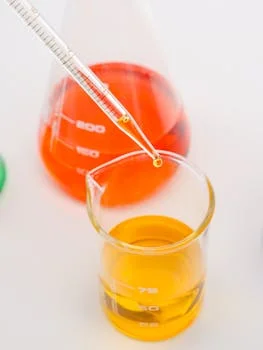
Chemical choice trades removal, sludge mass, and unit price. Alum remains common; many cold-water or tight-pH plants move to PAC because dose often falls 30–50% versus alum while sludge volume drops.
| Coagulant Type | TSS Removal Efficiency | Sludge Production | Avg. Cost (USD/kg) | Optimal pH Range |
|---|---|---|---|---|
| Alum (Aluminium Sulfate) | 92–95% | 0.3–0.5 kg/m³ | $0.20–$0.50 | 5.5–7.5 |
| Ferric Chloride | 94–97% | 0.2–0.4 kg/m³ | $0.30–$0.70 | 4.5–6.5 |
| Polyaluminium Chloride (PAC) | 95–98% | 0.15–0.3 kg/m³ | $0.80–$1.50 | 6.0–8.5 |
PAC can still win on total OPEX despite a higher USD/kg price. Pre-polymerized aluminum species in how PAC dosing systems achieve 95–98% TSS removal cut dose and produce denser sludge with lower SVI, which often dominates disposal cost.
Troubleshooting common dosing problems
Stable coagulant trains still drift. Separate mechanical faults from chemistry before changing set points.
Overdosing: sludge above 0.6 kg/m³ or residual aluminum above 0.2 mg/L usually means excess dose or a fouled turbidity sensor. Recalibrate the sensor, cut dose about 20%, and compare tank drawdown with the PLC stroke command.
Underdosing: effluent turbidity above 50 NTU and pin floc below 50 μm signal low dose or weak mixing. Confirm pH in the 5.5–8.5 window, raise dose about 15%, then check whether flow has fallen so static-mixer G-value is too low for neutralization.
pH interaction: ferric chloride can drive pH below 4.5 and stop hydroxide formation. Pre-adjust with lime (Ca(OH)₂) or soda ash (Na₂CO₃), or switch toward PAC when alkalinity is limited.
Poor settling: formed flocs settling below 0.5 m/h often mean clarifier overload. A flocculant aid at 0.1–0.5 mg/L can raise density; floating floc may mean air entrainment or a need for DAF instead of gravity settling.
Which clarifier criteria matter after coagulation?
Industrial wastewater clarifier selection after coagulation hinges on design flow, solids loading, overflow rate, and sludge character—not basin shape alone. Target overflow near 1–2 m/h for settled macroflocs of 100–500 μm, and confirm the sludge is dense enough for the chosen collector. Circular and rectangular clarifiers suit steady mineral flocs. Lamella packs raise area loading when footprint is tight. DAF fits oily or low-density floc that will not settle at 0.5–3 m/h.
Match the clarifier to measured floc settling velocity from jar tests at the planned G-value and dose. If sludge is light and voluminous, budget polymer and consider thickening capacity before the dewatering step.
How to select a coagulant dosing system

CapEx for industrial packages commonly spans $15,000–$100,000; chemicals and sludge disposal dominate OPEX. Use the duty, not brochure flow, to pick automation level.
| Scenario | Recommended System Configuration | Target ROI |
|---|---|---|
| High Turbidity (>500 NTU) | Inline mixer + PAC + Fully Automatic PLC | 12–18 months |
| Low/Stable Turbidity (<100 NTU) | Static mixer + Alum + Semi-Automatic | 18–24 months |
| Variable pH/Flow Rates | Dual-pump system + Real-time pH/Turbidity sensors | 14–20 months |
Selection checklist:
- Set the effluent target: discharge TSS <30 mg/L versus reuse TSS <5 mg/L.
- Lock the coagulant pH window before sizing pumps or mixers.
- Confirm jar-test dose at actual temperature and alkalinity, then set PLC baselines.
- Specify tank material, containment at 110%, and leak detection for the chemistry in use.
- Require turbidity and pH PID loops if influent varies more than about ±20% daily.
- Match downstream clarifier or DAF overflow to measured floc settling velocity.
- Compare sludge mass (kg/m³) and disposal cost across alum, ferric, and PAC—not only USD/kg.
This page is for plant engineers, EPC designers, and procurement teams specifying industrial coagulant skids. Buyers seeking only MBBR or MBR biology flowsheets, or sludge centrifuge mechanics without a coagulation step, should start from those process pages instead. For a duty-based skid layout and pump range, request a coagulant dosing quote with flow, TSS, and pH data.
Frequently Asked Questions
What is the difference between coagulation and flocculation?
Coagulation chemically neutralizes particle charge to form microflocs in seconds at high mixing energy (G-value about 800–1000 s⁻¹). Flocculation is the slower physical step that collides those microflocs into settleable macroflocs of 100–500 μm over 10–30 min at G-value 20–70 s⁻¹. Plants that skip the energy step change usually see either sheared floc or pin floc that will not settle.
Why is pH control critical in coagulant dosing?
Alum and ferric chloride need metal hydroxide precipitates to sweep particles, and those solids only form inside narrow pH bands such as 5.5–7.5 for alum. Outside the window the metal stays dissolved, flocs do not form, and residual coagulant leaves with the effluent. Holding pH within about ±0.2 units of set point prevents the roughly 30% efficiency loss seen with a 0.5-unit drift.
How do I calculate the required coagulant dosage?
Run a jar test at candidate doses such as 10, 20, 50, and 100 mg/L under the same rapid-mix and flocculation times planned for the plant. Pick the lowest dose that meets turbidity and settling targets with acceptable sludge volume. Automated PLCs then use that baseline in the PID loop and trim against online turbidity.
What are signs of a failing coagulant dosing pump?
Common signs are tank level drop that disagrees with the PLC flow reading, leaks at the pump head, and erratic effluent turbidity at a fixed set point. Diaphragm pumps often “hammer” when a diaphragm ruptures or a check valve clogs. Isolate the pump, verify stroke and valves, and replace worn parts before raising chemical dose to mask the fault.
How does coagulation affect sludge thickening?
Good coagulation lowers SVI and raises floc density, so thickeners and centrifuges see less volume per kilogram of dry solids. PAC often yields 0.15–0.3 kg/m³ sludge versus 0.3–0.5 kg/m³ for alum at similar duty, which cuts polymer and hauling cost. If flocs stay pin-sized below 50 μm, thickening performance collapses regardless of centrifuge torque.