What Is a DAF System and How Does It Work?
A DAF system in Bangladesh removes 90–97% of suspended solids and 85–93% of FOG from industrial wastewater, with flow capacities from 4–300 m³/h. These systems are critical for textile, food processing, and pharmaceutical plants complying with DoE Bangladesh effluent standards. Dissolved Air Flotation (DAF) is a physical-chemical clarification process that utilizes micro-bubbles, typically ranging from 20 to 50 microns in diameter, to facilitate the separation of particles from a liquid phase. Unlike traditional sedimentation, which relies on gravity to settle heavy particles, DAF targets contaminants with a specific gravity close to or less than water, such as oils, greases, and fine suspended solids.
The operational mechanics of a high-efficiency DAF system for industrial wastewater involve four distinct stages. First, a portion of the clarified effluent is recycled and pressurized to approximately 0.4 to 0.6 MPa. During this stage, atmospheric air is dissolved into the recycled stream using an air saturation vessel. Second, this air-saturated water is injected into the influent stream at the entrance of the flotation tank through specialized pressure-release valves. The sudden drop in pressure causes the dissolved air to precipitate as millions of microscopic bubbles.
Third, these micro-bubbles attach to flocculated particles—often formed through upstream chemical dosing—reducing their effective density and causing them to rise rapidly to the surface. Finally, the accumulated "float sludge" is mechanically removed by an automated skimming assembly, while the clarified water is discharged from the bottom of the tank. In the DAF systems, this process achieves 92–97% Total Suspended Solids (TSS) removal and 88–93% Fats, Oils, and Grease (FOG) removal, maintaining stable performance even across fluctuating hydraulic loads (HydropureWater field data, 2025).
Why DAF Systems Are Critical for Bangladesh’s Industrial Sector
Bangladesh’s industrial sector, particularly the textile and leather industries concentrated in regions like Gazipur, Narayanganj, and Savar, generates wastewater characterized by high concentrations of emulsified oils and colloidal organic matter. These contaminants are notoriously difficult to treat using conventional primary clarifiers. Without effective pretreatment, high FOG and TSS levels lead to the rapid fouling of biological membranes and the inhibition of aerobic bacteria in activated sludge processes. For instance, textile dyeing wastewater often contains sizing agents and waxes that can coat biological media, reducing oxygen transfer efficiency by up to 40%.
Regulatory pressure from the Department of Environment (DoE) Bangladesh has intensified, with strict enforcement of the Environment Conservation Rules. For industrial zones and Export Processing Zones (EPZs) like Mongla or Chittagong, the DoE mandates effluent discharge limits of less than 100 mg/L for TSS and less than 20 mg/L for oil and grease. A robust DAF system ensures that these parameters are met before the wastewater reaches secondary treatment stages. By removing the bulk of the solids load, DAF systems typically reduce Chemical Oxygen Demand (COD) by 60–80% and Biochemical Oxygen Demand (BOD) by 40–60%, which significantly lowers the energy requirement for downstream aeration.
the high land cost in Bangladeshi industrial hubs makes the compact footprint of DAF technology highly advantageous. A DAF unit requires approximately 20-30% of the space needed for a traditional gravity settler of the same capacity. This allows procurement managers to integrate high-capacity treatment systems within existing plant boundaries, facilitating expansion without the need for additional land acquisition. Engineers also report that DAF systems provide superior resilience against "bulking sludge" issues, which are common in the hot and humid climate of Bangladesh where biological stability can be difficult to maintain.
Key Technical Specifications of DAF Systems for Bangladesh
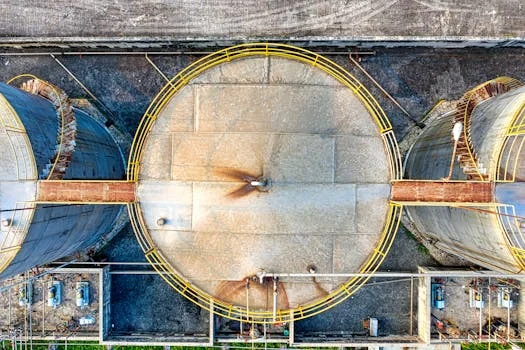
Selecting the correct DAF configuration requires a precise understanding of hydraulic loading and solids loading rates. The DAF line encompasses 13 standard models designed to handle flow capacities ranging from 4 m³/h for small-scale pharmaceutical labs to 300 m³/h for large-scale textile finishing units. For most Bangladeshi industrial applications, a hydraulic retention time (HRT) of 20 to 30 minutes is standard, ensuring sufficient contact time between micro-bubbles and flocculated solids. The air-to-solids (A/S) ratio, a critical performance metric, is typically maintained between 0.01 and 0.03 by weight to ensure maximum buoyancy for the float layer.
Power consumption is a major operational cost factor for plant engineers in Bangladesh. Modern DAF systems optimize energy use through high-efficiency recycle pumps and air compressors. A 100 m³/h unit generally requires a total installed power of approximately 7.5 kW, including the skimmer motor and the saturation system. Below is a detailed technical specification table, which provides real-world DAF efficiency data from industrial applications to assist in preliminary system sizing.
| Model Number | Flow Capacity (m³/h) | Power Consumption (kW) | TSS Removal Efficiency (%) | FOG Removal Efficiency (%) | Tank Material |
|---|---|---|---|---|---|
| DAF-10 | 10 | 2.2 | 92–96% | 88–92% | SS304 / Epoxy Carbon Steel |
| DAF-50 | 50 | 5.5 | 93–97% | 89–93% | SS304 / Epoxy Carbon Steel |
| DAF-100 | 100 | 7.5 | 94–97% | 90–93% | SS304 / Carbon Steel |
| DAF-200 | 200 | 11.0 | 95–97% | 91–93% | Epoxy Coated Carbon Steel |
| DAF-300 | 300 | 15.0 | 95–97% | 91–93% | Epoxy Coated Carbon Steel |
In addition to flow rates, engineers must evaluate the recycle rate, which is the percentage of treated water returned to the air saturation system. For high-strength industrial wastewater in Bangladesh, a recycle rate of 20–30% of the influent flow is recommended. This ensures an adequate volume of micro-bubbles to handle influent TSS concentrations as high as 1,000 mg/L. When dealing with higher solids loads, the air-to-solids ratio must be adjusted via the PLC control interface to prevent "sinkers"—solids that fail to float and instead accumulate at the bottom of the tank.
Local Suppliers vs. Imported DAF Systems: Bangladesh Market Comparison
Procurement managers in Bangladesh often face a choice between locally assembled DAF units and imported factory-standardized systems. Local suppliers in Dhaka and Chittagong often provide DAF machines as part of a turnkey ETP package. While these local solutions offer the advantage of proximity and lower upfront capital expenditure, they frequently lack published performance data and standardized modular designs. Many local units utilize manual air control valves and basic centrifugal pumps, which can lead to inconsistent bubble size and higher maintenance requirements over time.
In contrast, international manufacturers exporting to Bangladesh, including regional leaders and global providers, offer systems with CE-certified components and integrated PLC automation. These imported systems are typically factory-tested for hydraulic integrity and removal efficiency before shipment. While lead times for imported systems can range from 3 to 6 months, the long-term ROI is often higher due to reduced chemical consumption and lower downtime. HydropureWater, for example, provides PLC-controlled DAF systems that allow for remote monitoring, which is particularly useful for plants located in remote industrial zones where specialized technical expertise may be limited. Understanding how DAF compares to RO and MBR in pretreatment is essential for determining if an imported DAF system is the right investment for your specific wastewater profile.
| Comparison Factor | Local Assembler Systems | International Factory Systems (HydropureWater) |
|---|---|---|
| Automation Level | Manual / Basic Relay Logic | Full PLC with HMI Touchscreen |
| Component Quality | Varies (often generic brands) | Global Brands (Siemens, Schneider, Grundfos) |
| Standardization | Custom built per project | Modular DAF line (13 standard models) |
| Performance Guarantee | Often verbal or based on total ETP | Certified removal rates (TSS/FOG) |
| Warranty & Support | Local site visits | 2-year warranty & remote commissioning |
The choice between local and imported often comes down to the complexity of the wastewater. For simple food processing wash-water, a local unit may suffice. However, for textile dyeing or pharmaceutical production where chemical dosing must be precisely synchronized with air dissolution to handle complex surfactants, a factory-standardized system is generally required to ensure consistent compliance with DoE standards.
Integration with ETP and WWTP Plants in Bangladesh
In a standard Bangladeshi industrial ETP, the DAF system serves as the primary physical-chemical treatment stage. It is most effective when positioned immediately after an equalization tank and before the biological treatment phase. The equalization tank is necessary to buffer the pH and flow spikes common in batch-process industries like textiles. Before entering the DAF unit, the wastewater must be conditioned using an automatic chemical dosing system that injects coagulants (such as PAC) and flocculants (such as PAM) to aggregate fine particles into larger flocs that are easily captured by micro-bubbles.
A common and highly effective configuration for high-load industrial plants is: DAF → Equalization → MBR integrated wastewater treatment → Disinfection. In this sequence, the DAF unit removes the bulk of the organic and suspended load, protecting the sensitive membranes of the Membrane Bioreactor (MBR) from abrasive solids and grease-induced fouling. This integration can extend the life of MBR membranes by 30–50% and reduce the frequency of chemical cleaning cycles. For plants requiring high-level disinfection after treatment, a chlorine dioxide generator can be used to treat the clarified effluent before final discharge or reuse in non-potable applications.
Integration also requires careful management of the sludge produced. The float sludge from a DAF system typically has a higher solids content (2–4%) than primary clarifier sludge, making it easier to dewater using a filter press or screw press. Engineers should ensure that the ETP layout provides sufficient gravity flow or pumping capacity to move this thickened sludge to the sludge holding tank without clogging. Proper integration not only ensures regulatory compliance but also maximizes the operational life of the entire wastewater treatment infrastructure.
Frequently Asked Questions
What is the full form of DAF system?
DAF stands for Dissolved Air Flotation. It is a physical-chemical wastewater treatment process that uses microscopic air bubbles to remove suspended solids, oils, and greases by floating them to the surface for mechanical skimming.
What is the DAF polymer system?
A DAF polymer system is a chemical dosing setup that prepares and injects polymers (polyelectrolytes) into the wastewater. These polymers act as flocculants, binding together small particles into larger "flocs" that more easily attach to air bubbles, significantly increasing removal efficiency.
How much does a DAF system cost in Bangladesh?
The cost varies based on capacity and material. Generally, a 10 m³/h system starts at approximately $15,000, while large-scale 200+ m³/h systems with full PLC automation and stainless steel construction can cost up to $120,000. These prices exclude shipping, duties, and local installation costs.
Can DAF systems handle textile dyeing wastewater?
Yes. DAF is particularly effective for textile wastewater when paired with coagulants like Polyaluminum Chloride (PAC) and Ferrous Sulfate. It removes the sizing agents, waxes, and insoluble dyes that often cause issues in biological treatment stages.
What maintenance does a DAF system require?
Daily tasks include inspecting the skimmer blades and checking the air saturation pressure. Weekly maintenance involves backwashing the air saturator to prevent mineral buildup. Monthly, the chemical dosing pumps should be calibrated and the dissolved air release valves checked for clogging.
Related Equipment
The following HydropureWater products are engineered for the wastewater challenges discussed above:
- high-efficiency DAF system for industrial wastewater — view specifications, capacity range, and technical data
Need a customized solution? Request a free quote with your specific flow rate and pollutant parameters.