Why PCB Developer Wastewater is a Unique Treatment Challenge
PCB developer wastewater presents a formidable challenge for industrial treatment systems due to its complex chemical composition, which often renders conventional methods unreliable. This wastewater stream is characterized by high concentrations of critical pollutants, including copper (50–300 mg/L) and nickel (10–50 mg/L). Crucially, it also contains potent organic complexors, such as EDTA and citric acid. These complexing agents bind tightly to metal ions, forming stable soluble complexes that resist typical precipitation processes, a key issue highlighted in previous analyses of PCB wastewater characteristics. The typical pH range of developer wastewater, often between 2.5 and 4.0, further complicates treatment. This acidic environment necessitates neutralization before biological processes can be effective, as extreme pH levels can inhibit microbial activity and alter metal solubility in unpredictable ways. the Chemical Oxygen Demand (COD) in developer wastewater can range from 1,000 to 5,000 mg/L, which is 5 to 10 times higher than that found in typical municipal wastewater. This elevated organic load can easily overwhelm conventional biological treatment systems without significant pre-treatment. For instance, a PCB plant in Shenzhen experienced persistent copper discharge violations, reducing them by only 90% after extensive investigation revealed EDTA in their developer wastewater as the primary culprit hindering effective metal removal through standard chemical precipitation.
| Pollutant | Typical Concentration Range | Impact on Treatment |
|---|---|---|
| Copper (Cu) | 50–300 mg/L | Forms stable complexes with organic additives, resisting precipitation. |
| Nickel (Ni) | 10–50 mg/L | Similar to copper, forms soluble complexes that are difficult to remove conventionally. |
| Organic Complexors (e.g., EDTA, Citric Acid) | Variable (significant) | Bind metal ions, increasing their solubility and hindering precipitation; can also contribute to high COD. |
| pH | 2.5–4.0 | Requires neutralization for biological treatment; affects metal solubility and chemical reaction kinetics. |
| COD | 1,000–5,000 mg/L | High organic load can overwhelm conventional biological treatment without pre-treatment. |
Engineering Specs: Influent and Effluent Targets for PCB Developer Wastewater
To effectively design and operate a PCB developer wastewater treatment system, understanding precise influent characteristics and stringent effluent targets is paramount. Based on 2024 EPA and EU PCB wastewater guidelines, typical influent specifications include a pH range of 2.5–4.0, Total Suspended Solids (TSS) between 200–800 mg/L, COD levels from 1,000–5,000 mg/L, copper concentrations of 50–300 mg/L, and nickel concentrations of 10–50 mg/L. Meeting these influent challenges requires robust pre-treatment strategies. The desired effluent targets, in accordance with regulations like EPA 40 CFR Part 469 and the EU Industrial Emissions Directive 2010/75/EU, are significantly lower: pH 6–9, TSS < 30 mg/L, COD < 50 mg/L, copper < 0.5 mg/L, and nickel < 0.1 mg/L. Achieving these demanding effluent standards, especially for dissolved heavy metals and complex organics, necessitates advanced treatment stages. Pre-treatment, such as precise pH adjustment using an automatic chemical dosing system and potentially oxidation of complexing agents, is critical for preparing the wastewater for subsequent removal processes and ensuring compliance with stringent discharge limits.
| Parameter | Influent (Typical) | Effluent Target (Regulatory) | Pre-treatment Role |
|---|---|---|---|
| pH | 2.5–4.0 | 6–9 | Neutralization for biological and chemical processes. |
| TSS | 200–800 mg/L | < 30 mg/L | Primary solids removal (e.g., DAF, sedimentation). |
| COD | 1,000–5,000 mg/L | < 50 mg/L | Organic degradation (biological) and/or oxidation. |
| Copper (Cu) | 50–300 mg/L | < 0.5 mg/L | Complexation breaking, precipitation, ion exchange, RO. |
| Nickel (Ni) | 10–50 mg/L | < 0.1 mg/L | Complexation breaking, precipitation, ion exchange, RO. |
Treatment Technology Comparison: DAF vs. MBR vs. Chemical Precipitation for Developer Wastewater
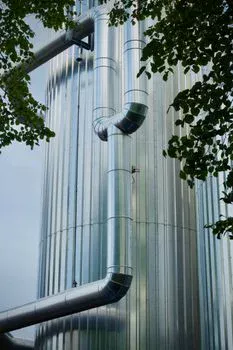
Selecting the optimal treatment technology for PCB developer wastewater requires a comparative analysis of established methods, each with distinct advantages and limitations. Dissolved Air Flotation (DAF) systems, such as our high-efficiency DAF system for PCB developer wastewater, excel at removing suspended solids, achieving over 95% TSS reduction, and can also remove up to 70% of COD. However, DAF typically requires significant chemical dosing with coagulants and flocculants and is less effective at removing dissolved metals and complexed organics on its own. Membrane Bioreactors (MBR), like the integrated MBR system for organic degradation in PCB wastewater, offer superior performance in organic removal, consistently achieving COD levels below 50 mg/L and TSS below 1 mg/L. MBR systems are highly efficient for biological degradation but are sensitive to influent pH fluctuations and require robust pre-treatment for effective heavy metal removal to prevent membrane fouling and damage. Chemical precipitation, often utilizing hydroxide or sulfide routes, can remove over 90% of dissolved metals. However, this method generates substantial volumes of hazardous sludge, typically containing 10–20% solids, which then requires further dewatering, for example, using a plate and frame filter press. Hybrid systems, which combine multiple technologies—often DAF for initial solids removal, MBR for organic polishing, and Reverse Osmosis (RO) for final metal recovery and water reuse—are essential for achieving Zero Liquid Discharge (ZLD). While these advanced hybrid systems can increase capital expenditure (CapEx) by approximately 40% compared to standalone solutions, they offer unparalleled treatment efficacy and resource recovery.
| Technology | Primary Function | Strengths | Weaknesses | Typical Application in PCB Developer Wastewater |
|---|---|---|---|---|
| DAF | Solids & some COD removal | High TSS removal (>95%), efficient for floatable solids. | Requires chemical dosing, limited dissolved metal removal, secondary sludge generation. | Pre-treatment for TSS and some gross organic removal. |
| MBR | Advanced organic & solids removal | Excellent COD (<50 mg/L) and TSS (<1 mg/L) removal, compact footprint. | Sensitive to pH and influent quality, requires metal pre-treatment, higher energy consumption than conventional biological. | Secondary/tertiary treatment for organic polishing after DAF. |
| Chemical Precipitation | Heavy metal removal | High metal removal efficiency (>90%), relatively low CapEx for basic systems. | Generates hazardous sludge, limited organic removal, requires careful pH control. | Primary metal removal, often as a pre-treatment step before RO. |
| RO (as part of hybrid) | Metal & salt removal, water recovery | High purity permeate, effective for dissolved metals and salts. | Requires extensive pre-treatment, susceptible to fouling, produces brine stream. | Final polishing for metal recovery and water reuse in ZLD systems. |
Zero Liquid Discharge (ZLD) for PCB Developer Wastewater: Engineering Blueprint and Cost Breakdown
Implementing a Zero Liquid Discharge (ZLD) system for PCB developer wastewater represents the pinnacle of environmental compliance and resource management. A comprehensive ZLD system typically begins with robust pre-treatment, often employing a DAF system or a lamella clarifier for initial solids and some dissolved contaminant removal, followed by an MBR system for advanced biological treatment of organics. The treated water then proceeds to an RO system, which is engineered for high-efficiency heavy metal recovery, achieving water recovery rates of 80–95%. The concentrated brine stream from RO is further processed by evaporators and crystallizers to achieve near 100% water recovery, with the final solids managed appropriately. By 2025, industry benchmarks indicate that such ZLD systems for a 50 m³/h capacity can have a capital expenditure (CapEx) ranging from $1.2 million to $3.5 million, heavily dependent on the complexity of pre-treatment and the type of evaporation technology employed. Operational expenditure (OPEX) typically falls between $0.80–$2.50 per cubic meter, with energy costs accounting for $0.30–$1.00/m³, chemicals for $0.20–$0.50/m³, and maintenance for $0.30–$1.00/m³. The return on investment (ROI) for ZLD systems is compelling, with payback periods of 3–5 years. This is primarily driven by the elimination of costly wastewater hauling fees, which can range from $50–$150 per cubic meter, and a significant reduction in freshwater consumption by up to 80%, contributing to both economic and environmental sustainability. For a more detailed understanding of ZLD in electronics manufacturing, refer to our article on Electronics Wastewater Zero Liquid Discharge.
| System Component/Cost | Typical Value/Range | Notes |
|---|---|---|
| ZLD System Capacity | e.g., 50 m³/h | Scalable based on plant requirements |
| CapEx | $1.2M–$3.5M | Varies with pre-treatment, evaporator type, automation level. |
| OPEX (per m³) | $0.80–$2.50 | Includes energy, chemicals, labor, maintenance. |
| Energy Cost (per m³) | $0.30–$1.00 | Dominant OPEX component, especially for evaporation. |
| Chemical Cost (per m³) | $0.20–$0.50 | For pH adjustment, coagulants, biocides. |
| Maintenance Cost (per m³) | $0.30–$1.00 | Membrane cleaning/replacement, equipment servicing. |
| Wastewater Hauling Cost Avoided (per m³) | $50–$150 | Key driver for ZLD ROI. |
| Freshwater Consumption Reduction | Up to 80% | Significant operational cost savings and sustainability benefit. |
| ROI Payback Period | 3–5 years | Based on avoided costs and water savings. |
How to Select the Right PCB Developer Wastewater Treatment System: A Decision Framework
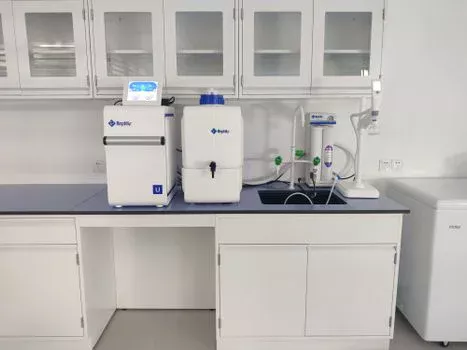
Selecting the appropriate PCB developer wastewater treatment system requires a systematic approach, moving from understanding the wastewater to defining goals and evaluating technologies. Step 1 involves thoroughly characterizing the wastewater stream. This means conducting comprehensive lab testing or pilot studies to accurately determine pH, COD, specific heavy metal concentrations (copper, nickel, etc.), flow rates, and the presence of complexing agents. Common sampling methods include grab samples and composite sampling over operational cycles, with pitfalls to avoid including insufficient sampling frequency or neglecting peak load conditions. Step 2 is to clearly define compliance goals. This includes identifying all applicable regulatory requirements, such as EPA limits, local POTW standards, or the decision to implement a Zero Liquid Discharge (ZLD) system. A checklist of regional regulatory requirements (e.g., US EPA, EU directives, Chinese national standards) should be consulted. Step 3 focuses on evaluating technology options. A decision matrix, scoring technologies against criteria such as removal efficiency for specific pollutants, CapEx, OPEX, footprint, and operational complexity, is highly effective. For example, DAF might score high for TSS removal, MBR for COD reduction, and RO for metal recovery and water reuse. Step 4 involves assessing the financial implications. Utilizing the CapEx and OPEX data from the ZLD section, calculate the total cost of ownership for different system configurations and determine the ROI for each option, considering factors like hauling cost avoidance and water reuse credits. For more in-depth information on specific pollutant treatment, consult our articles on PCB Copper Wastewater Treatment and PCB Nickel Wastewater Treatment.
| Decision Step | Key Activities | Considerations | Deliverable |
|---|---|---|---|
| Step 1: Characterize Wastewater | Lab testing, pilot studies, flow rate analysis. | pH, COD, BOD, TSS, heavy metals (Cu, Ni, etc.), complexors, flow variability. | Detailed influent data report. |
| Step 2: Define Compliance Goals | Review regulations (EPA, EU, local), set ZLD targets. | Discharge limits, reuse requirements, operational permits. | Defined effluent standards and treatment objectives. |
| Step 3: Evaluate Technology Options | Create decision matrix, compare DAF, MBR, RO, precipitation, etc. | Removal efficiency, CapEx, OPEX, footprint, reliability, maintenance. | Shortlist of suitable technology combinations. |
| Step 4: Assess Financial Viability | Calculate CapEx, OPEX, ROI, payback period. | Hauuling costs, water purchase costs, energy consumption, chemical usage. | Cost-benefit analysis and recommended system configuration. |
Frequently Asked Questions
What are the primary pollutants in PCB developer wastewater?
The primary pollutants include high concentrations of copper (50–300 mg/L), nickel (10–50 mg/L), and organic complexors like EDTA, which significantly complicate treatment.
Why is conventional chemical precipitation often ineffective for PCB developer wastewater?
Organic complexors in the wastewater bind strongly to metal ions, forming soluble complexes that prevent them from precipitating out as solids using standard chemical methods.
What are the typical effluent discharge limits for heavy metals in PCB manufacturing wastewater?
Regulatory bodies like the EPA and EU often mandate limits as low as < 0.5 mg/L for copper and < 0.1 mg/L for nickel to protect aquatic ecosystems.
How much can ZLD systems reduce wastewater hauling costs for PCB manufacturers?
ZLD systems can eliminate hauling costs, which typically range from $50–$150 per cubic meter, offering substantial operational savings.
What is the typical payback period for a ZLD system in PCB manufacturing?
ZLD systems generally achieve a return on investment within 3 to 5 years, driven by avoided hauling costs and reduced freshwater consumption.
Can MBR systems handle the high COD levels in developer wastewater?
MBR systems can effectively degrade high COD loads (up to 5,000 mg/L) after appropriate pre-treatment to remove inhibitory substances like heavy metals.