Why Nickel in PCB Wastewater is Harder to Treat Than Copper or Tin
PCB nickel wastewater requires specialized treatment to meet EPA discharge limits (≤0.2 mg/L for electroplating effluents under 40 CFR Part 469). Nickel’s strong complexation with organic ligands, such as EDTA and citric acid, commonly found in PCB wastewater, significantly reduces the efficiency of traditional chemical precipitation methods to 70–85%. In contrast, optimized pH adjustment to 10.5–11.5 and the application of selective ion exchange resins can achieve removal efficiencies of 99.9%. zero liquid discharge (ZLD) systems, which integrate precipitation, membrane filtration, and evaporation, can recover over 95% of water for reuse, leading to potential hauling cost reductions of up to 80% for PCB manufacturers.
The challenges in treating nickel in PCB wastewater stem from its unique chemical behavior and the stringent regulatory landscape. Unlike more readily precipitable metals like copper, nickel forms stable complexes with the organic compounds prevalent in PCB manufacturing processes. These complexes remain soluble even at elevated pH levels, making simple precipitation insufficient. The solubility curve for nickel hydroxide indicates optimal precipitation within a pH range of 10.5–11.5, as per EPA benchmarks. However, the high chemical oxygen demand (COD) of PCB wastewater, often ranging from 500 to 3,000 mg/L, can shift this optimal pH upward by 0.5 to 1.0 units, necessitating precise pH control.
Regulatory bodies have established strict discharge limits. The EPA's 40 CFR Part 469 mandates a nickel limit of 0.2 mg/L for electroplating effluents, while the EU's Directive 2010/75/EU sets a limit of 0.5 mg/L for general industrial discharges. Achieving these low concentrations requires advanced treatment. nickel's small ionic radius (69 pm) contributes to membrane fouling. This is more pronounced than with copper (73 pm) or tin (71 pm), potentially reducing the lifespan of reverse osmosis (RO) membranes by 20–30% if not properly managed.
| Parameter | Nickel | Copper | Tin |
|---|---|---|---|
| Typical Complexation with PCB Organics | Strong (e.g., EDTA, Citric Acid) | Moderate | Moderate |
| Chemical Precipitation Efficiency (Standard pH) | 70-85% | 90-98% | 85-95% |
| Optimal Precipitation pH (without complexation) | 10.5-11.5 | 9.0-10.0 | 9.5-10.5 |
| Ionic Radius (pm) | 69 | 73 | 71 |
| Impact on RO Membrane Fouling | High | Moderate | Moderate |
Step-by-Step Engineering Workflow for Nickel Removal in PCB Wastewater
Designing an effective nickel wastewater treatment system for PCB manufacturing requires a systematic approach, ensuring each stage addresses specific challenges. The following workflow outlines a robust process, detailing key parameters for optimal performance and compliance.
Step 1: Pretreatment The initial step focuses on removing suspended solids (TSS) to prevent downstream equipment fouling, particularly critical for membrane systems. Dissolved Air Flotation (DAF) or lamella clarifiers are typically employed. The goal is to reduce TSS to below 50 mg/L. A DAF system, for example, can achieve 95% TSS removal across a flow rate of 4–300 m³/h, preparing the water for subsequent treatment stages.
Step 2: pH Adjustment Precise pH control is paramount for nickel hydroxide precipitation. The pH must be raised to the optimal range of 10.5–11.5 using alkaline chemicals like sodium hydroxide (NaOH) or calcium hydroxide (Ca(OH)₂). Continuous monitoring with inline pH probes is essential to prevent overshooting the target, as nickel can re-dissolve at pH levels above 12. Automated chemical dosing systems, such as those integrated with HydropureWater's DAF units, ensure accurate and responsive pH management.
Step 3: Chemical Precipitation Following pH adjustment, coagulants and flocculants are introduced to aggregate nickel hydroxide into settleable flocs. Typical coagulants include ferric chloride (FeCl₃) at dosages of 10–30 mg/L, followed by polyacrylamide flocculants at 1–3 mg/L. Sedimentation or clarification processes then remove these flocs, achieving 90–95% nickel removal. This stage effectively targets the bulk of the dissolved nickel.
Step 4: Polishing for Ultra-Low Discharge Limits To meet stringent discharge limits of 0.2 mg/L or lower, a polishing step is necessary. This can involve selective ion exchange resins, such as Purolite S930, which are highly effective for nickel removal, or advanced membrane filtration like Vibratory Shear Enhanced Processing (VSEP®) RO. Ion exchange resins typically achieve 99.9% nickel removal, with regeneration frequency dictated by the nickel load, usually every 20–50 bed volumes or when breakthrough is detected (e.g., 0.5–2 g Ni/L of resin). VSEP® RO systems also achieve ultra-low nickel concentrations.
Sludge Handling The nickel hydroxide sludge generated from precipitation requires proper management. Typically, this sludge has a solids content of 2–5% and necessitates dewatering. Plate-and-frame filter presses are commonly used for this purpose, achieving up to 90% solids capture, producing a cake suitable for disposal according to environmental regulations. This process significantly reduces the volume of waste requiring hauling.
| Step | Objective | Key Equipment | Typical Parameters/Chemicals | Expected Nickel Removal | Notes |
|---|---|---|---|---|---|
| 1. Pretreatment | Remove suspended solids | DAF System (e.g., HydropureWater DAF), Lamella Clarifier | TSS < 50 mg/L | N/A (for solids) | Prevents membrane fouling. |
| 2. pH Adjustment | Optimize nickel precipitation | Chemical Dosing System, Inline pH Probes | pH 10.5-11.5 (NaOH or Ca(OH)₂) | N/A (enables precipitation) | Avoid pH > 12. |
| 3. Chemical Precipitation | Form nickel hydroxide flocs | Mixers, Clarifier/Sedimentation Tank | FeCl₃ (10-30 mg/L), Polyacrylamide (1-3 mg/L) | 90-95% | Effective for bulk removal. |
| 4. Polishing | Achieve ultra-low limits | Ion Exchange System (e.g., Purolite S930), VSEP® RO | Resin regeneration based on loading; RO flux rates | >99.9% | Targets final discharge compliance. |
| Sludge Handling | Reduce sludge volume | Plate-and-frame filter press | Solids 2-5% to >90% solids | N/A (for sludge) | Prepares sludge for disposal. |
Treatment Technology Comparison: Chemical Precipitation vs. Ion Exchange vs. Membrane Filtration for Nickel
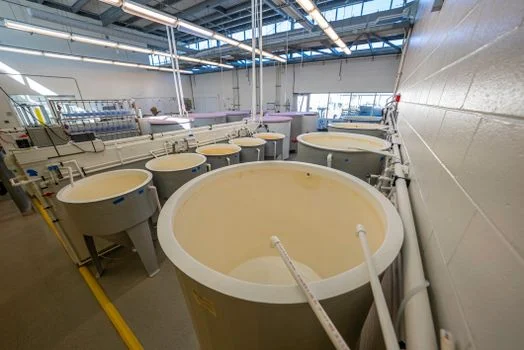
Selecting the most appropriate nickel wastewater treatment technology for a PCB manufacturing facility involves balancing capital expenditure (CapEx), operational expenditure (OpEx), and the required removal efficiency. Each technology presents distinct advantages and disadvantages.
Chemical Precipitation offers the lowest CapEx, typically ranging from $50,000 to $200,000. Its primary limitation is its removal efficiency, generally capping at 90–95%. This method struggles with highly complexed nickel and requires careful pH management, often needing pH levels above 11, which can be energy-intensive.
Ion Exchange (IX) represents a mid-range CapEx investment, from $150,000 to $400,000, but provides significantly higher removal efficiencies, often achieving 99.9% nickel removal. The operational cost is influenced by resin regeneration frequency and chemical consumption. IX resins typically have a lifespan of 5–7 years, with regeneration required every 20–50 bed volumes depending on the influent nickel concentration.
Membrane Filtration, particularly Reverse Osmosis (RO) and Nanofiltration (NF), involves the highest CapEx, potentially $300,000 to $800,000, but can achieve nickel concentrations as low as ≤0.1 mg/L. A critical consideration for membrane systems is the risk of fouling. Effective pretreatment, such as ensuring a Silt Density Index (SDI) below 5, is mandatory to protect the membranes and maintain optimal flux rates. The VSEP® RO system, with its vibratory shear mechanism, is engineered to mitigate fouling, reducing it by up to 40% compared to conventional RO systems, thereby extending membrane life to 3–5 years in challenging PCB wastewater streams.
Hybrid Systems combining chemical precipitation with ion exchange offer a cost-effective solution for achieving 99.9% nickel removal. These systems can be approximately 30% less expensive than standalone membrane systems for comparable performance. A case study of a 200 m³/h PCB plant in Shenzhen demonstrated significant cost savings and compliance with stringent discharge standards using such a hybrid approach.
| Technology | CapEx Range | Typical Removal Efficiency | Key Advantages | Key Disadvantages | Suitability for Complexed Nickel |
|---|---|---|---|---|---|
| Chemical Precipitation | $50K - $200K | 90-95% | Lowest CapEx | Limited removal efficiency, sensitive to complexation | Poor |
| Ion Exchange | $150K - $400K | >99.9% | High removal efficiency, selective | Regeneration chemicals/labor, resin lifespan | Good (with appropriate resin) |
| Membrane Filtration (RO/NF) | $300K - $800K | ≤0.1 mg/L | Highest purity water, effective for all metals | High CapEx, requires extensive pretreatment, fouling risk | Good (with pretreatment) |
| Hybrid (Precipitation + IX) | Mid-range (20-30% less than RO) | >99.9% | Cost-effective high removal, robust | Combines operational complexities of both technologies | Very Good |
Cost Breakdown: CapEx, OPEX, and ROI for PCB Nickel Wastewater Treatment Systems
For procurement managers and environmental engineers evaluating nickel wastewater treatment solutions, understanding the financial implications is critical. This section provides a breakdown of capital expenditure (CapEx), operational expenditure (OpEx), and return on investment (ROI) drivers for various treatment system configurations.
Capital Expenditure (CapEx) varies significantly by technology. Basic chemical precipitation systems can range from $50,000 to $200,000. Ion exchange systems fall into the $150,000 to $400,000 range, while advanced membrane filtration systems, including pretreatment and post-treatment, can cost between $300,000 and $800,000. These figures generally encompass equipment, installation, and commissioning.
Operational Expenditure (OpEx) is also technology-dependent. Chemical precipitation typically has OpEx between $0.30–$0.80/m³, primarily for chemicals and energy. Ion exchange costs range from $0.50–$1.20/m³, accounting for regeneration chemicals, labor, and energy. Membrane filtration systems often have OpEx of $0.80–$1.50/m³, including energy, membrane replacement, and maintenance. A key factor influencing membrane OpEx is cleaning frequency, which for standard RO can be every 3–6 months. The VSEP® RO system's vibratory shear technology can reduce cleaning frequency and costs by up to 30%.
Return on Investment (ROI) drivers for advanced nickel treatment systems are multifaceted. The most significant is hauling cost avoidance, which can range from $2–$5/m³ of wastewater. Water reuse savings, achieved through treated water recycling, can further contribute $0.50–$1.00/m³. Critically, avoiding regulatory penalties, which can range from $10,000 to $50,000 per violation, provides substantial financial protection. For instance, a 100 m³/h PCB plant in Jiangsu implemented a $450,000 ZLD system that reduced nickel hauling costs by 75% (approximately $240,000/year), achieving a payback period of just 2.2 years.
| Metric | Chemical Precipitation | Ion Exchange | Membrane Filtration (RO) | ROI Drivers |
|---|---|---|---|---|
| CapEx Range | $50K - $200K | $150K - $400K | $300K - $800K | System Size, Automation Level |
| OpEx Range ($/m³) | $0.30 - $0.80 | $0.50 - $1.20 | $0.80 - $1.50 | Chemicals, Energy, Labor, Maintenance, Membrane/Resin Replacement |
| Nickel Removal Efficiency | 90-95% | >99.9% | ≤0.1 mg/L | Regulatory Compliance |
| Hauling Cost Avoidance ($/m³) | N/A (if not meeting limits) | $2 - $5 | $2 - $5 | Volume of wastewater |
| Water Reuse Savings ($/m³) | Limited | $0.50 - $1.00 | $0.50 - $1.00 | Water scarcity, local water costs |
| Penalty Avoidance | Low to Moderate | High | High | Frequency and severity of violations |
Regulatory Compliance: Meeting EPA, EU, and Local Nickel Discharge Limits
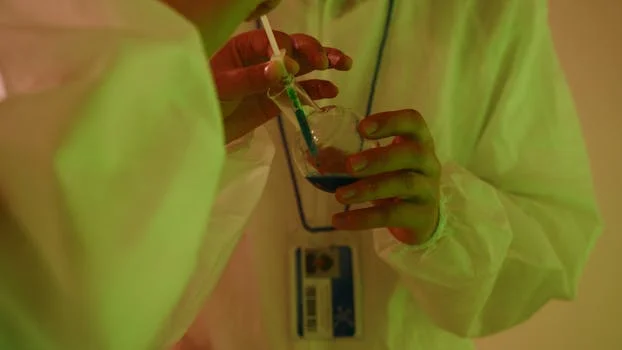
Navigating the complex web of environmental regulations is a primary driver for implementing advanced nickel wastewater treatment systems in PCB manufacturing. Understanding specific discharge limits and monitoring requirements is crucial for avoiding violations and associated penalties.
The U.S. Environmental Protection Agency (EPA) sets key standards under 40 CFR Part 469. For electroplating effluents, the nickel discharge limit is stringent at 0.2 mg/L. For general industrial wastewater discharges not specifically covered by the electroplating category, the limit is typically 1.0 mg/L.
In Europe, the EU Directive 2010/75/EU on industrial emissions mandates that industrial facilities limit their nickel discharges to 0.5 mg/L. However, for discharges into particularly sensitive water bodies or regions with higher water scarcity, local authorities may impose even stricter limits, potentially as low as 0.1 mg/L.
China's national standard GB 21900-2008 specifies a nickel limit of 0.5 mg/L for PCB manufacturing wastewater. Regional regulations, such as those in Guangdong Province, can further tighten these requirements, sometimes mandating limits as low as 0.2 mg/L to align with local environmental protection goals.
Compliance monitoring is a critical component of regulatory adherence. The EPA generally requires quarterly sampling for regulated pollutants like nickel. In contrast, the EU often mandates continuous online monitoring for nickel in high-risk industrial discharges to ensure real-time compliance. Documenting compliance is equally important; facilities must maintain records of pH adjustment logs, nickel concentration reports from accredited laboratories, and sludge disposal manifests for a minimum of three years, as stipulated by EPA regulations.
| Regulation/Region | Applicable Discharge Limit (Nickel) | Monitoring Requirements | Record Keeping |
|---|---|---|---|
| EPA 40 CFR Part 469 (Electroplating) | 0.2 mg/L | Quarterly sampling | 3 years |
| EPA General Industrial Wastewater | 1.0 mg/L | Quarterly sampling | 3 years |
| EU Directive 2010/75/EU | 0.5 mg/L (potentially 0.1 mg/L for sensitive areas) | Continuous online monitoring for high-risk discharges | Varies by member state, typically 3-5 years |
| China GB 21900-2008 (PCB Mfg.) | 0.5 mg/L | Regular sampling (frequency per local permits) | Varies by local regulations |
| Local Standards (e.g., Guangdong) | May be as low as 0.2 mg/L | Strict monitoring protocols | Varies |
Frequently Asked Questions
Q1: How do I know if my PCB wastewater has complexed nickel? A simple field test involves adding sodium hydroxide (NaOH) to raise the pH to 11. If the nickel concentration in the treated water remains above 0.5 mg/L after this adjustment, it indicates the presence of stable nickel complexes that are not easily precipitated.
Q2: What is the typical removal efficiency of chemical precipitation for nickel? Under optimal conditions and without significant complexation, chemical precipitation can achieve nickel removal efficiencies of 90–95%. However, in PCB wastewater with organic ligands, this efficiency can drop to 70–85%.
Q3: Can ion exchange remove nickel to meet the 0.2 mg/L EPA limit? Yes, selective ion exchange resins, such as those specifically designed for heavy metal removal, can achieve nickel concentrations well below 0.2 mg/L, often reaching over 99.9% removal, making them highly effective for compliance.
Q4: What is the role of Dissolved Air Flotation (DAF) in nickel treatment? DAF systems primarily serve as a pretreatment step to remove suspended solids and oil. This is crucial for protecting downstream equipment like ion exchange columns and RO membranes from clogging, ensuring their efficient operation and extending their lifespan.
Q5: How does pH affect nickel removal? Nickel hydroxide precipitation is most effective between pH 10.5 and 11.5. At pH levels below 10.5, nickel solubility remains high. Above pH 12, nickel hydroxide can re-dissolve, forming soluble nickelate complexes, so precise pH control is essential.
Further Reading

Explore these in-depth articles on related wastewater treatment topics: